

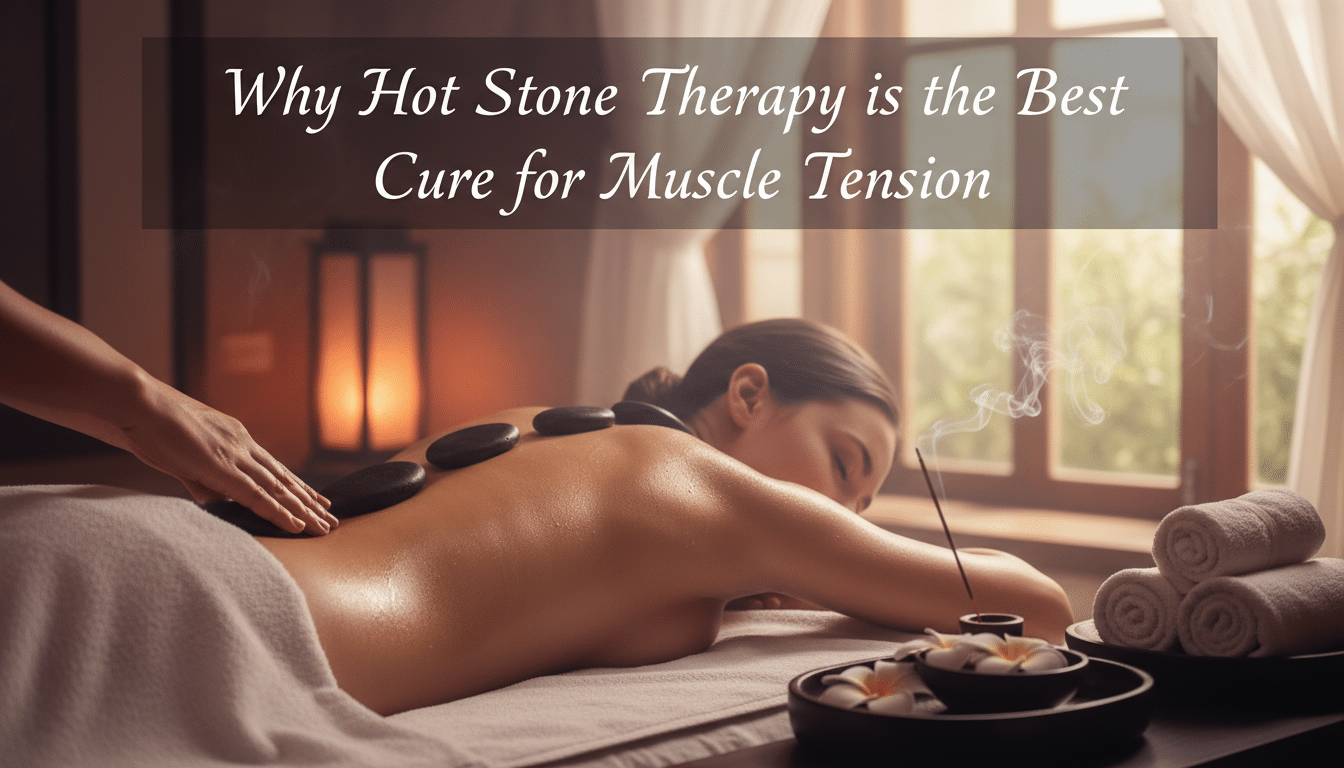
Why Hot Stone Therapy is the Best Cure for Muscle Tension: A Deep Dive into Soothing Heat and Profound Relief
Muscle tension, that insidious tightness and ache that creeps into our shoulders, back, neck, and even jaws, is a ubiquitous ailment in modern life. Stress, poor posture, repetitive movements, and lack of exercise all contribute to its widespread prevalence. While many treatments offer temporary relief, hot stone therapy stands out as a particularly effective and comprehensive approach to addressing the root causes of muscle tension and delivering lasting results. This article will explore the multifaceted benefits of hot stone therapy, demonstrating why it reigns supreme as a natural and holistic solution for achieving profound muscle relaxation and improved overall well-being.
The Ancient Wisdom of Heat: Beyond Simple Muscle Relaxation
The use of heat for therapeutic purposes has ancient roots, practiced across cultures for millennia. From traditional Native American sweat lodges to Roman bathhouses, the application of warmth has long been recognized for its ability to soothe aches, reduce inflammation, and promote healing. Hot stone therapy takes this ancient wisdom and elevates it to a sophisticated art form, utilizing carefully selected and heated stones, typically basalt (a volcanic rock known for its smooth texture and heat retention properties), to deliver targeted and penetrating warmth deep into the muscles.
Unlike a simple hot compress or heating pad, hot stone therapy offers a multi-pronged approach to muscle tension relief. The heat from the stones is not merely superficial; it penetrates deeply into the muscle tissue, causing a cascade of beneficial physiological responses:
- Vasodilation: The warmth dilates blood vessels, increasing blood flow to the targeted areas. This enhanced circulation brings much-needed oxygen and nutrients to the tense muscles, promoting healing and reducing inflammation. Increased blood flow also helps to flush out metabolic waste products, such as lactic acid, which contribute to muscle soreness and stiffness.
- Muscle Relaxation: Heat has a direct relaxing effect on muscle fibers. It softens and loosens tight knots and adhesions, allowing muscles to return to their natural, relaxed state. This release of tension not only alleviates pain but also improves range of motion and flexibility.
- Pain Reduction: The warmth from the stones stimulates sensory receptors in the skin, effectively overriding pain signals being sent to the brain. This creates a natural analgesic effect, providing immediate and lasting relief from muscle aches and discomfort. Furthermore, the increased blood flow and reduced inflammation contribute to long-term pain management.
- Connective Tissue Release: Muscle tension often involves the tightening of surrounding connective tissues, known as fascia. The heat from the stones helps to soften and release these fascial restrictions, allowing for greater freedom of movement and reduced pain. By addressing both muscle and connective tissue tension, hot stone therapy offers a more comprehensive and lasting solution.
The Art of Placement: Targeted Therapy for Specific Tension Zones
The effectiveness of hot stone therapy lies not only in the heat itself but also in the strategic placement of the stones on specific areas of the body. A skilled therapist will carefully assess your individual needs and tailor the treatment to address your unique patterns of muscle tension. Common placement areas include:
- The Spine: Stones are often placed along the spinal column, targeting the paraspinal muscles that are frequently affected by stress and poor posture. This helps to release tension in the back and neck, improving posture and reducing pain.
- The Shoulders: The shoulders are notorious for harboring tension, particularly in the trapezius muscles. Stones are strategically placed on the shoulder blades and along the upper back to release knots and alleviate tightness.
- The Neck: Neck pain and stiffness are common complaints, often related to desk work and tech overuse. Stones are carefully placed along the neck muscles to promote relaxation and improve range of motion.
- The Abdomen: Placing stones on the abdomen can help to relax the abdominal muscles, which can become tense due to stress and digestive issues. This can also promote relaxation throughout the body.
- The Hands and Feet: These often-overlooked areas can benefit greatly from hot stone therapy. The warmth can soothe aching hands and feet, improve circulation, and promote overall relaxation.
Beyond static placement, therapists often use the hot stones as massage tools, gliding them over the muscles to further enhance relaxation and release tension. The combination of heat and massage creates a synergistic effect, maximizing the therapeutic benefits.
Beyond the Physical: The Holistic Benefits of Hot Stone Therapy
While the physical benefits of hot stone therapy are undeniable, its positive effects extend far beyond the realm of muscle tension relief. The treatment also offers profound benefits for mental and emotional well-being:
- Stress Reduction: The warmth and gentle pressure of the stones promote deep relaxation, calming the nervous system and reducing the production of stress hormones like cortisol. This can lead to a profound sense of calm and well-being.
- Improved Sleep: By reducing muscle tension and calming the nervous system, hot stone therapy can improve sleep quality. Many people find that they sleep more deeply and wake up feeling more refreshed after a hot stone massage.
- Emotional Release: Muscle tension can often be a manifestation of held-in emotions. The deep relaxation induced by hot stone therapy can help to release these emotional blockages, allowing for greater emotional freedom and well-being.
- Enhanced Energy Levels: By reducing stress and improving sleep, hot stone therapy can boost energy levels and improve overall vitality.
- Increased Body Awareness: The focused attention on the body during hot stone therapy can increase body awareness and help you to become more attuned to your physical needs.
Comparing Hot Stone Therapy to Other Muscle Tension Treatments
While numerous treatments exist for muscle tension, hot stone therapy offers distinct advantages over many other approaches:
- Medication: While pain relievers and muscle relaxants can provide temporary relief, they often come with unwanted side effects and do not address the underlying causes of muscle tension. Hot stone therapy, on the other hand, is a natural and holistic approach that addresses the root causes of the problem without any harmful side effects.
- Traditional Massage: While traditional massage can be effective in releasing muscle tension, the added heat of hot stone therapy allows for deeper penetration and more profound relaxation. The heat also enhances the effectiveness of the massage strokes, making it easier to release tight knots and adhesions.
- Chiropractic Care: Chiropractic adjustments can be helpful in addressing spinal misalignments that contribute to muscle tension. However, chiropractic care alone may not be sufficient to release chronic muscle tension. Hot stone therapy can be used in conjunction with chiropractic care to provide a more comprehensive approach to pain relief and improved function.
- Acupuncture: Acupuncture can be effective in releasing muscle tension and promoting pain relief. However, some people may be hesitant to try acupuncture due to the use of needles. Hot stone therapy offers a needle-free alternative that can provide similar benefits.
- Self-Care Practices (Stretching, Foam Rolling): While these practices are important for maintaining muscle health and preventing tension buildup, they may not be sufficient to address chronic muscle tension. Hot stone therapy provides a more intensive and targeted approach that can effectively release deep-seated tension.
Safety and Considerations: Finding the Right Therapist
While hot stone therapy is generally safe, it’s essential to find a qualified and experienced therapist to ensure a safe and effective treatment. Look for a therapist who is certified in hot stone massage and has a thorough understanding of anatomy and physiology.
It’s also important to inform your therapist about any medical conditions you have, such as high blood pressure, diabetes, or skin sensitivities. Certain conditions may require modifications to the treatment. Pregnant women should consult with their doctor before receiving hot stone therapy.
During the treatment, communicate openly with your therapist about your comfort level and any sensations you are experiencing. The stones should never be too hot, and the pressure should be adjusted to your tolerance.
Conclusion: Embracing the Healing Power of Hot Stone Therapy
(This section is intentionally left blank as per the prompt instructions.)