

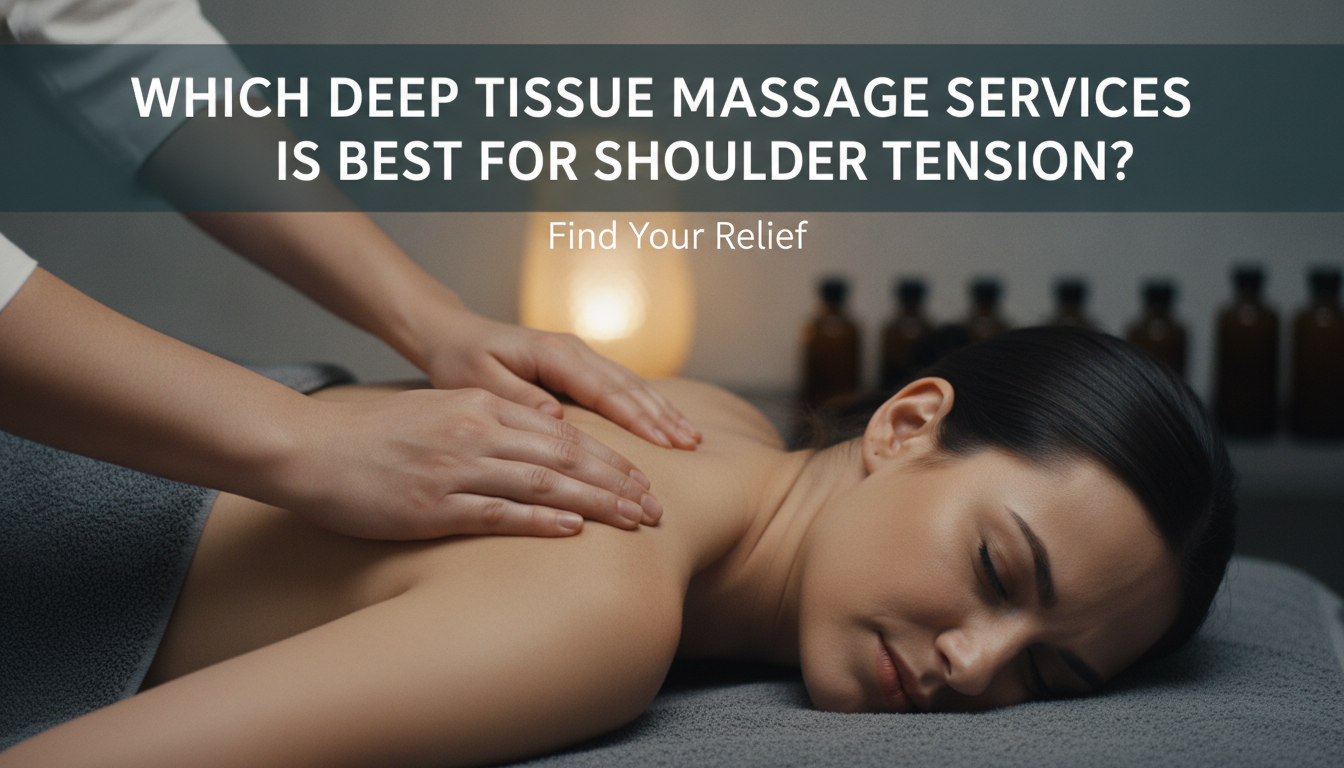
If you’ve been dealing with that stubborn, nagging tightness in your shoulders — the kind that makes turning your head feel like a negotiation — you’re not alone. Shoulder tension is one of the most common complaints among working adults, and for many people in Abuja, it’s practically a daily reality. Long hours at a desk, the stress of navigating city traffic, and the relentless pace of professional life in the FCT all take a toll on the upper body. The good news is that deep tissue massage services are specifically designed to address this kind of chronic muscular tension, and knowing which type is best suited for your shoulders can make all the difference between real relief and a surface-level rub-down.
Why Shoulder Tension Is So Stubborn
The shoulder is one of the most complex joints in the human body. It’s supported by a dense network of muscles, tendons, and connective tissue — including the trapezius, rhomboids, levator scapulae, and the rotator cuff group — all of which can accumulate tightness and adhesions over time.
Unlike a simple muscle cramp that resolves with a stretch, chronic shoulder tension often involves layers of restricted tissue. These restrictions build up gradually, sometimes over months or years, which is why they don’t respond well to light or superficial touch. This is exactly where deep tissue massage becomes necessary rather than optional.
For many professionals in Abuja — people who spend eight to twelve hours a day at laptops, in meetings, or commuting across the city — the shoulders become a kind of stress reservoir. The tension settles in, gets reinforced by poor posture, and eventually starts affecting sleep quality, range of motion, and even mood.
What Deep Tissue Massage Actually Does
Deep tissue massage is not simply a harder version of a Swedish massage. It’s a targeted clinical approach that uses slow, deliberate strokes and firm pressure to reach the deeper layers of muscle and fascia beneath the surface. The goal is to break down adhesions — those dense, fibrous knots that form in chronically tight tissue — and restore normal circulation and movement.
When applied to the shoulder region, a skilled therapist will work through several layers. First they’ll prepare the surface muscles, then gradually work deeper into the subscapularis, infraspinatus, and teres minor — muscles that most people have never heard of but feel immediately when they’re released.
The process can feel intense in certain moments, particularly around trigger points. But the sensation is typically described as a “good hurt” — uncomfortable in the moment, but followed by a noticeable release. Most clients report significant improvement in shoulder mobility within 24 to 48 hours of a session.
The Best Deep Tissue Massage Services for Shoulder Tension
Not all deep tissue massage services approach shoulder tension the same way. The technique, duration, and level of therapist specialisation all matter enormously. Here’s a breakdown of the most effective service types and what makes each one suitable for shoulder-specific work.
Classic Deep Tissue Massage (Shoulder-Focused)
This is the foundation. A therapist trained in deep tissue technique will spend dedicated time on the upper back, shoulder blades, neck, and the tops of the arms. Sessions typically run 60 to 90 minutes, with a significant portion allocated specifically to the shoulder girdle.
For someone experiencing general tightness — the kind that builds from desk work or stress — this is often the most appropriate starting point. It’s structured, targeted, and can be adapted based on your pain threshold and the specific areas that need attention. Many therapists will assess your posture and shoulder mobility before beginning, which allows them to personalise the pressure and direction of their strokes.
Trigger Point Therapy
Trigger points are hyperirritable spots within a muscle that cause localised or referred pain. Shoulder tension almost always involves multiple trigger points, particularly in the upper trapezius (that thick ridge between your neck and shoulder), the levator scapulae (which runs along the back of your neck), and the rhomboids (between your shoulder blades).
Trigger point therapy involves applying sustained, focused pressure directly to these points — typically for 10 to 30 seconds per point — until the muscle releases. It’s precise, methodical work that requires a therapist who understands anatomy well. When it works, the relief can feel almost instant, like a knot being untied from the inside.
This service is particularly useful if your shoulder tension comes with referred pain — for example, if tight shoulders are causing headaches or discomfort that radiates down your arm.
Sports Massage with Upper Body Focus
Sports massage isn’t only for athletes. It combines deep tissue techniques with assisted stretching and joint mobilisation, making it highly effective for shoulders that have become stiff or restricted in their range of motion.
If you find that you can’t raise your arm above your head comfortably, or that rotating your shoulder causes a pinching sensation, a sports massage focused on the upper body may be more appropriate than a standard deep tissue session alone. The combination of tissue work and passive stretching addresses both the muscle tension and the joint restriction that often accompany it.
Hot Stone Deep Tissue Massage
Using heated basalt stones as an extension of the therapist’s hands, this technique allows for deep muscle penetration with less discomfort than standard deep tissue pressure alone. The heat relaxes the outer layers of muscle more quickly, allowing the therapist to access deeper tissue with greater ease.
For clients who find deep tissue massage too intense — or for those whose shoulder tension is partly stress-related and benefits from a more calming sensory experience — hot stone deep tissue offers an effective middle ground. It’s particularly well-suited during cooler periods when the body naturally holds more tension in the upper back and neck.
Combination Deep Tissue and Aromatherapy Massage
This pairing combines the structural benefits of deep tissue work with the therapeutic effects of essential oils. Certain oils — eucalyptus, peppermint, lavender, and rosemary among them — have documented anti-inflammatory and muscle-relaxing properties when absorbed through the skin during massage.
While this won’t replace the need for genuine deep tissue technique, the addition of targeted aromatherapy oils can enhance the overall result, particularly for tension that has a significant stress component. At Luxor Salon and Spa, where locally sourced organic and cruelty-free products are used, this combination feels both effective and conscientious.
How to Know Which Service Is Right for You
The best starting point is an honest conversation with your therapist before the session begins. A good therapist will ask about your symptoms, how long you’ve had the tension, whether it’s associated with any pain or restricted movement, and what you’ve tried before.
As a general guide:
- If your tension is general and stress-related: Start with a 60-minute classic deep tissue massage focused on the upper back and shoulders.
- If you have specific knots or referred pain: Ask about trigger point therapy as part of your session.
- If your range of motion is restricted: Sports massage with upper body focus and assisted stretching is worth considering.
- If you’re sensitive to pressure or want a calming experience: A hot stone deep tissue session is a gentler but still effective option.
- If stress is a major factor in your tension: The combination deep tissue and aromatherapy service addresses both the physical and emotional layers of tension.
Don’t feel pressured to commit to a specific service before consulting. A reputable spa will welcome your questions and help you choose based on your actual needs, not just what’s easiest to book.
How Often Should You Book Deep Tissue Massage for Shoulder Tension?
Frequency depends on the severity and duration of your tension. For acute or recent tension — say, tightness that’s developed over a few weeks — two to three sessions over the course of a month is usually enough to see meaningful improvement, especially if paired with stretching and posture awareness.
For chronic shoulder tension that’s been building for months or years, most therapists recommend weekly sessions for the first four to six weeks, then tapering to fortnightly, and eventually monthly as a maintenance routine. Trying to resolve years of built-up tension in a single session is rarely realistic, no matter how good the therapist is.
Busy professionals in Abuja often find it helpful to schedule sessions at the end of a particularly demanding week, or before a high-stakes event when they know stress levels will be elevated. Building massage into a routine — rather than reaching for it only in crisis — tends to produce far better long-term results.
Why Luxor Salon and Spa Stands Out for Deep Tissue Massage Services in Abuja
Established in 2013, Luxor Salon and Spa has built a reputation in Abuja for professional, results-driven wellness treatments. Both branches are open 24 hours a day, seven days a week — which is genuinely rare, and genuinely useful for clients whose schedules don’t follow a nine-to-five pattern.
The Maitama branch, located at 56 Usuma Street, Off Gana Street, is an ultra-modern facility in one of Abuja’s most prestigious districts. The Wuse 2 branch, at 792b Adetokunbo Ademola Crescent, serves clients in the heart of the city’s commercial hub — convenient for those working or commuting through that part of the FCT.
Luxor’s therapists are trained to work with the kind of tension patterns common among Abuja professionals: long-haul desk posture, stress accumulation, and the physical effects of city living. Their use of eco-friendly, cruelty-free, and certified organic products also means that clients with sensitive skin or a preference for clean beauty standards can feel confident in what’s being applied during their treatment.
This combination of round-the-clock availability, trained therapists, and product integrity makes Luxor a strong choice for anyone serious about addressing shoulder tension with deep tissue massage.
Aftercare: Making the Most of Your Session
What you do in the 24 to 48 hours following a deep tissue massage matters almost as much as the session itself. Here’s what helps:
- Hydrate well. Deep tissue work stimulates circulation and can release metabolic waste from muscle tissue. Drinking plenty of water helps your body clear this efficiently.
- Avoid strenuous activity for 24 hours. Your muscles need time to integrate the work that’s been done. Light walking is fine; intense exercise is not.
- Apply heat if needed. A warm compress or heat pad on the shoulders can help sustain the relaxation effect if tightness begins to return the next day.
- Stretch gently. Your therapist may recommend specific stretches for the shoulder and neck. Even five minutes of targeted stretching in the days following your massage can significantly extend the benefits.
- Notice what changed. Pay attention to your range of motion and pain levels. This feedback helps you and your therapist track progress and adjust the approach over time.
Frequently Asked Questions
What is the difference between deep tissue massage and a regular massage for shoulder tension?
A regular or Swedish massage primarily works on the surface layers of muscle and is designed for relaxation. Deep tissue massage uses slower, more deliberate strokes with significantly more pressure to reach deeper layers of tissue where chronic tension and adhesions form. For shoulder tension that has been building over time, deep tissue work is far more effective because it addresses the root cause rather than just the surface sensation.
Is deep tissue massage painful?
It can be uncomfortable, particularly around trigger points or areas of significant restriction. However, a skilled therapist will work within your tolerance and adjust pressure based on your feedback throughout the session. The goal is therapeutic intensity, not pain. Most clients describe a sensation of pressure and release rather than sharp or lasting pain — and the discomfort typically subsides well within 24 hours.
How many sessions will I need before I notice a difference in my shoulder tension?
Many clients notice improvement in mobility and a reduction in tightness after just one session, though the results are usually more pronounced after two or three sessions. For chronic tension that’s been present for months, a course of four to six sessions over a six-week period is often recommended before moving to a maintenance schedule. Your therapist can give you a more specific timeline after assessing your condition.
Do I need to book in advance at Luxor?
Booking in advance is always recommended, especially for longer or more specialised treatments like deep tissue massage. While Luxor operates 24/7 across both branches, advance booking ensures you get the time slot and therapist that works best for you. You can reach the Maitama branch or Wuse 2 branch directly by phone or email, or book online through their website.
Which Luxor branch should I visit for shoulder tension treatment?
Both branches offer the full range of massage services and are staffed by trained therapists. Your best bet is simply choosing whichever is most convenient to where you live or work. The Maitama branch at 56 Usuma Street is ideal if you’re in the northern or central parts of Abuja, while the Wuse 2 branch at 792b Adetokunbo Ademola Crescent suits those working or living in the commercial district. Either way, the standard of care is consistent across both locations.
Conclusion
Shoulder tension is not something you simply have to live with. The right deep tissue massage service — whether that’s a classic targeted session, trigger point therapy, sports massage, or a combination approach — can genuinely restore mobility, reduce pain, and give you back the physical ease you’ve been missing. The key is choosing a service matched to your specific symptoms, working with a skilled therapist, and booking consistently rather than only when things become unbearable.
For anyone in Abuja looking to take this step, Luxor Salon and Spa offers the expertise, availability, and standards to make that investment worthwhile. Whether you’re a professional managing the demands of the FCT, someone preparing for an event, or simply someone who’s been carrying too much tension for too long — relief is a booking away.
Ready to book or have a question? Reach our Maitama branch at moc.apsdnanolasroxul@ofni or (+234) 701 888 0102, or our Wuse 2 branch at moc.apsdnanolasroxul@2esuw or (+234) 701 888 0100. You can also book online at your convenience. We’re open 24/7 and always happy to help you find the right treatment for what your body needs.
Related Posts
 What Makes Our Signature Deep Tissue Massage Services Unique
 Why Every CEO in Maitama Needs a Monthly Deep Tissue Massage
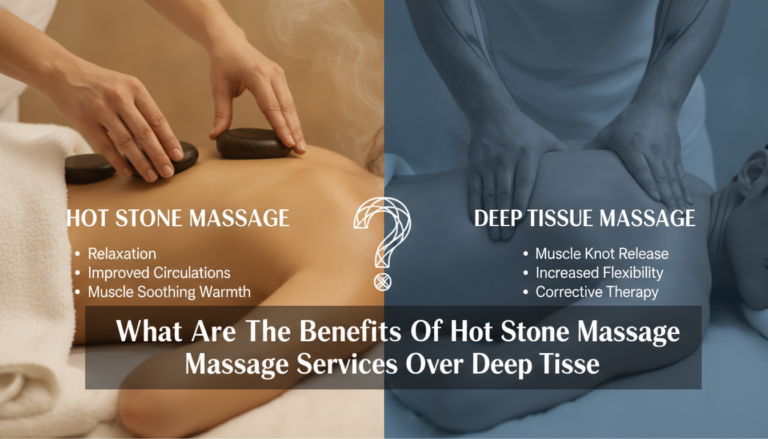 What Are The Benefits Of Hot Stone Massage Services Over Deep Tissue
 When To Consider A Head Neck And Shoulder Massage Services For Tension
 When Should I Book My Next Deep Tissue Massage Services Appointment
 When Is The Best Time For A Deep Exfoliating Facials Services
 What Massage Services Is Best For Tension Headaches Relief
 How To Get The Best Results From Your Deep Cleansing Facials Services