

A body wrap treatment in Abuja is a full-body therapy in which the skin is exfoliated, coated with a concentrated blend of active ingredients — such as clay, seaweed, mud, or nourishing oils — wrapped to retain heat and allow deeper absorption, then rinsed and moisturised. Done correctly, it leaves the skin noticeably softer, more even in tone, and deeply hydrated. Results improve with regular sessions, and the treatment is suitable for most skin types when properly assessed beforehand.
What a Body Wrap Actually Does — and What It Does Not
There is a lot of noise around body wraps, and some of it is not helpful. A well-executed wrap does several things genuinely well: it removes dead skin cells through exfoliation, delivers concentrated actives into freshly prepared skin, temporarily reduces the appearance of rough or uneven texture, and — particularly during Abuja’s brutal harmattan months from November through to February — provides an intense hydration reset when Saharan dust has stripped the skin of every bit of moisture it had in October.
What a body wrap does not do is permanently slim the body or detoxify organs. Any reduction in measurements immediately after a session is largely water-weight and resolves within hours. A good therapist will tell you this upfront. What the treatment genuinely delivers — smoother skin, improved radiance, relief from dryness and flaking — is valuable enough without the exaggeration.
Why Harmattan Changes Everything
If you have spent a December in Abuja, you know what the dry season does to skin. The humidity collapses, the winds carry fine dust that settles into pores and accelerates transepidermal water loss, and routines that worked perfectly in July suddenly feel useless by January. Elbows go grey overnight. Heels crack. The shins and knees develop that ash that no quick lotion application seems to fix.
This is precisely when a wrap matters most. Exfoliating hardened, compacted dead skin first — rather than trying to moisturise over it — means the hydrating ingredients that follow can actually reach living cells. A clay or shea-based wrap applied after a good body scrub during harmattan delivers results that ordinary at-home moisturising simply cannot replicate because the preparation step is rarely thorough enough at home.
And What About Rainy Season?
The rainy season, from around April through October, presents a different challenge. Humidity is high, but sweat, product build-up, and the friction of tight clothing on constantly damp skin can leave the body looking dull and feeling congested. A lighter, clay-based or seaweed wrap works well in this period, drawing out impurities and balancing the skin without adding the heavy occlusives that can feel suffocating in 80% humidity.
The Body Wrap Treatment at Luxor Salon and Spa: Step by Step
At Luxor’s Maitama and Wuse 2 branches, a body wrap begins before you are even on the treatment bed. A brief consultation covers your skin concerns — whether that is hyperpigmentation on the back and shoulders, extreme dryness, rough texture, or general dullness — as well as any known sensitivities or skin conditions. If you are on prescribed topical medications, the therapist needs to know. This is not a formality; it directly affects which wrap formulation is appropriate for you.
- Dry skin assessment: The therapist examines areas of concern in good lighting, noting texture, tone, and any zones that may react differently — such as keloid-prone skin, which requires gentler exfoliation pressure.
- Full-body exfoliation: A scrub suited to your skin’s condition is applied and worked in gentle, circular movements. This step removes the surface layer of dead cells that would otherwise block active ingredients. For harmattan-hardened skin, this alone feels transformative.
- Rinse and pat dry: The scrub is thoroughly removed. The skin is now clean, slightly sensitised, and highly receptive — this is the window in which wraps are most effective.
- Application of the wrap medium: Depending on the formulation chosen, the therapist applies a warm or cool compound across the body — clay, seaweed gel, mud, or a rich oil-based blend — working methodically from the lower legs upward.
- Wrapping: The body is wrapped in thermal blankets or bandages to trap warmth and encourage absorption. You rest quietly for a set period. Most people find this deeply relaxing; some fall asleep.
- Removal and rinse: The wrap is removed, and the skin is rinsed with warm water to clear residue without stripping the ingredients already absorbed.
- Moisturiser application: A final layer of moisturiser or body butter is massaged in while the skin is still slightly warm and maximally absorbent. This is not optional — it seals the treatment and extends its effect.
A full session, including consultation and aftercare, typically runs somewhere in the range of 60 to 90 minutes, though this varies with the specific wrap type and any add-on services. Ask your therapist at booking so you can plan your schedule accordingly — especially important if you are fitting an appointment around an Abuja workday.
Body Wraps for Melanin-Rich Skin: What to Know Before You Book
Melanin-rich skin carries specific considerations that a trained therapist must account for. Post-inflammatory hyperpigmentation — the darkening that follows any irritation, friction, or trauma to the skin — is a genuine risk if exfoliation is too aggressive or if actives are applied to sensitised or broken skin. A good consultation catches this before it becomes a problem.
Keloid-prone individuals should flag this during consultation. Exfoliation pressure can be adjusted significantly without compromising the result. The treatment is not off-limits; it simply requires a thoughtful approach that a competent therapist will take without needing to be pushed.
What About Skin Brightening Wraps?
Some clients ask specifically about brightening or “toning” wraps. It is worth understanding what these can and cannot do. Ingredients like vitamin C, niacinamide, and kojic acid can, over time, help even skin tone and reduce the appearance of hyperpigmentation. They do not lighten healthy skin aggressively or instantaneously — and any product claiming dramatic whitening results in a single session should raise your suspicion immediately.
In Nigeria, the market for skin-lightening products carries documented risks. Creams containing mercury or banned concentrations of hydroquinone have caused long-term skin and systemic damage. NAFDAC registration is a baseline check — if a product used in a treatment cannot be confirmed as registered, that is a serious concern. At Luxor, product standards are held to cruelty-free and eco-conscious criteria, and the team does not use formulations that compromise the client’s long-term skin health for a short-term visual effect.
A Realistic Body Wrap Timeline for Event and Wedding Season
Abuja’s event calendar is relentless. Between aso-ebi Saturdays, introduction ceremonies, traditional weddings, and the white wedding itself — plus the December returnee season when every event is compressed into three weeks — your skin preparation needs a plan, not a last-minute scramble.
Here is a realistic schedule for a bride or guest preparing for a major event:
- 8 weeks before: First body wrap session, with full consultation. This establishes your baseline and allows the therapist to identify any concerns — persistent dryness, uneven texture, hyperpigmentation — that may need more than one session to address.
- 4–5 weeks before: Second session. By now the therapist has seen how your skin responded to the first treatment and can adjust the wrap formulation if needed. Results are becoming visible and lasting slightly longer between appointments.
- 2 weeks before: Third session. Skin is at its best condition. Any significant exfoliation should happen now rather than closer to the event, allowing time for the skin to settle completely.
- 3–5 days before: Light hydration wrap only, no aggressive exfoliation. The skin should be calm, smooth, and fully moisturised. This is not the time for anything new or experimental.
- The day before or morning of the event: A gentle body moisturiser applied at home is sufficient. The treatment work has already been done.
If you are heading into December and your white wedding is in that window — when every salon in Abuja is fully booked three weeks out — starting this timeline in October is not excessive. It is sensible. You can book online at either branch to secure your preferred dates well in advance.
Aftercare: Making the Results Last
A body wrap is an investment that pays better dividends when the aftercare is taken seriously. The skin has been exfoliated, treated, and moisturised — what you do in the hours and days following determines how long that improvement holds.
First 24 hours: Avoid hot showers. Lukewarm water preserves the lipid barrier that the wrap helped restore. Skip exfoliating products — physical or chemical — entirely. Apply a generous, fragrance-free body moisturiser immediately after bathing while the skin is still slightly damp.
Days two to seven: Moisturise twice daily, morning and evening. Harmattan skin in particular will try to revert quickly without consistent hydration. Pay attention to heels, elbows, and knees — these thicker-skinned areas lose moisture fastest. If you use a body oil, layer it over a water-based lotion rather than using it alone, which simply sits on dry skin without absorbing well.
Weeks two to four: Most clients find results from a single wrap session visible for two to three weeks with good aftercare. If you are treating a specific concern — rough back skin, persistent ashy texture, uneven tone — plan a follow-up session in this window rather than waiting until the results have fully faded. Maintenance sessions spaced three to four weeks apart generally produce the most consistent improvement over time.
Practical Scenario: The Wuse 2 Professional
Consider a civil servant based near Area 11 who works a demanding schedule and knows that by the time she leaves Wuse on a Friday evening, the traffic through the AYA and Nyanya corridor — or even just the gridlock on Adetokunbo Ademola Crescent itself — makes any appointment after 5pm a gamble. She has been meaning to do something about the rough texture on her back and the deep dryness on her elbows since October. It is now January, and harmattan is at its worst.
The honest answer for her is not to squeeze in a rushed lunchtime appointment she will spend the rest of the afternoon distracted about. It is to book for 7am on a Saturday — before the owambe traffic builds, before the salons in Muse are fully staffed and walk-in dependent — or, if her schedule truly is that unpredictable, a Sunday evening at 9pm when the week has wound down. Luxor’s Wuse 2 branch at 792b Adetokunbo Ademola Crescent operates around the clock. That 9pm slot is not a compromise; it is a real appointment with a real therapist, and it fits her life in a way that a 3pm Tuesday never would.
Frequently Asked Questions
Which Luxor branch should I visit for a body wrap?
Both branches offer the full body wrap service. The Maitama branch on 56 Usuma Street, off Gana Street, is generally more convenient for clients in the northern districts — Asokoro, Maitama itself, and those coming from the embassy belt. The Wuse 2 branch on 792b Adetokunbo Ademola Crescent suits clients in the commercial hub and surrounding areas. Choose based on which branch involves less travel for you, particularly if you are booking around a tight work schedule.
Do I need to book in advance for a weekend body wrap appointment?
Yes, particularly for Saturdays in event season — from October through January, and again around Sallah and Easter periods. Weekend slots fill quickly, and arriving as a walk-in for a full body wrap on a Saturday morning in December is a real risk. Booking even two weeks ahead is enough for most weekday appointments; for peak-season weekends, three to four weeks is safer.
How often should I get a body wrap?
For general skin maintenance and hydration, once a month is a reasonable rhythm for most people. If you are addressing a specific concern — significant dryness during harmattan, persistent rough texture, or preparing for an event — sessions spaced three weeks apart for two to three months typically produce a noticeable cumulative improvement. Your therapist can advise after the first session based on how your skin responds.
Is a body wrap suitable for sensitive or hyperpigmentation-prone skin?
In most cases, yes — but the wrap formulation and exfoliation pressure need to be matched to your skin’s condition. Sensitive skin may not tolerate certain active ingredients, and skin prone to post-inflammatory hyperpigmentation requires gentler exfoliation to avoid triggering darkening. Flag both concerns clearly during the initial consultation. If you have a diagnosed skin condition or are under a dermatologist’s care, bring that information to the appointment.
What should I wear or bring to my appointment?
Loose, comfortable clothing that you do not mind getting the faint scent of treatment products on. You will be provided with disposable undergarments for the treatment itself. Avoid applying heavy body lotion or self-tanner on the day of your appointment — clean, bare skin allows the therapist to properly assess texture and apply the wrap medium evenly. If you have any skin conditions or recent procedures on your body, mention these when booking.
The Bottom Line on Body Wrap Treatments in Abuja
A body wrap done properly — with a proper consultation, thorough exfoliation, the right formulation for your skin, and genuine aftercare guidance — is one of the more effective full-body skin treatments available. It is not magic and it is not instantaneous transformation. What it is, particularly during harmattan or in the weeks before a significant event, is a reset that thorough at-home moisturising cannot replicate. The key variables are the quality of the therapist, the appropriateness of the products used, and how seriously you take the aftercare.
Luxor Salon and Spa has been operating in Abuja since 2013, with both the Maitama and Wuse 2 branches running 24 hours a day, seven days a week. Early morning, late evening, or mid-week when you actually have a free hour — there is a workable slot. Schedule your appointment online or reach out to the branch closest to you directly.
Maitama Branch — 56 Usuma Street, Off Gana Street, Maitama:
moc.apsdnanolasroxul@ofni | (+234) 701 888 0102
Wuse 2 Branch — 792b Adetokunbo Ademola Crescent, Wuse 2:
moc.apsdnanolasroxul@2esuw | (+234) 701 888 0100
Related Posts
 How To Get The Best Results From Your Deep Cleansing Facials Services
 Why Are Specific Facials Services Recommended For Oily Skin
 Which Anti Aging Facials Services Targets Deep Wrinkles
 Which Deep Cleansing Facials Services Is Recommended For Blackheads
 What Are The 7 Different Stages Of Our Signature Facials Services
 When To Schedule A Coupleʼs Massage Services And Facials Services Day
 How To Keep Your Skin Hydrated After Your Facials Services Appointment
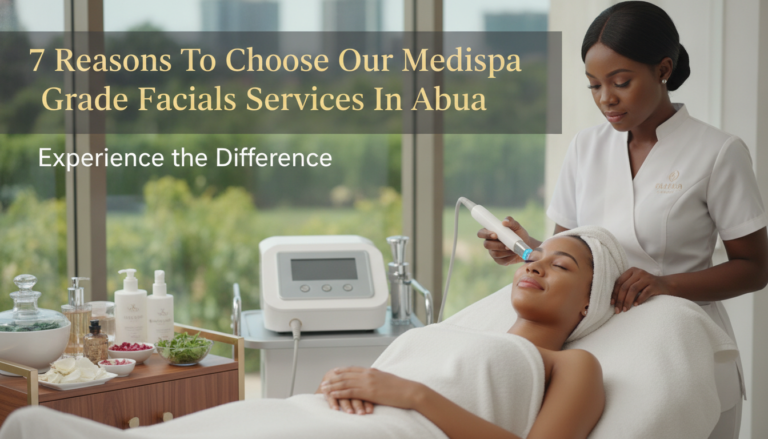 7 Reasons To Choose Our Medispa Grade Facials Services In Abuja