

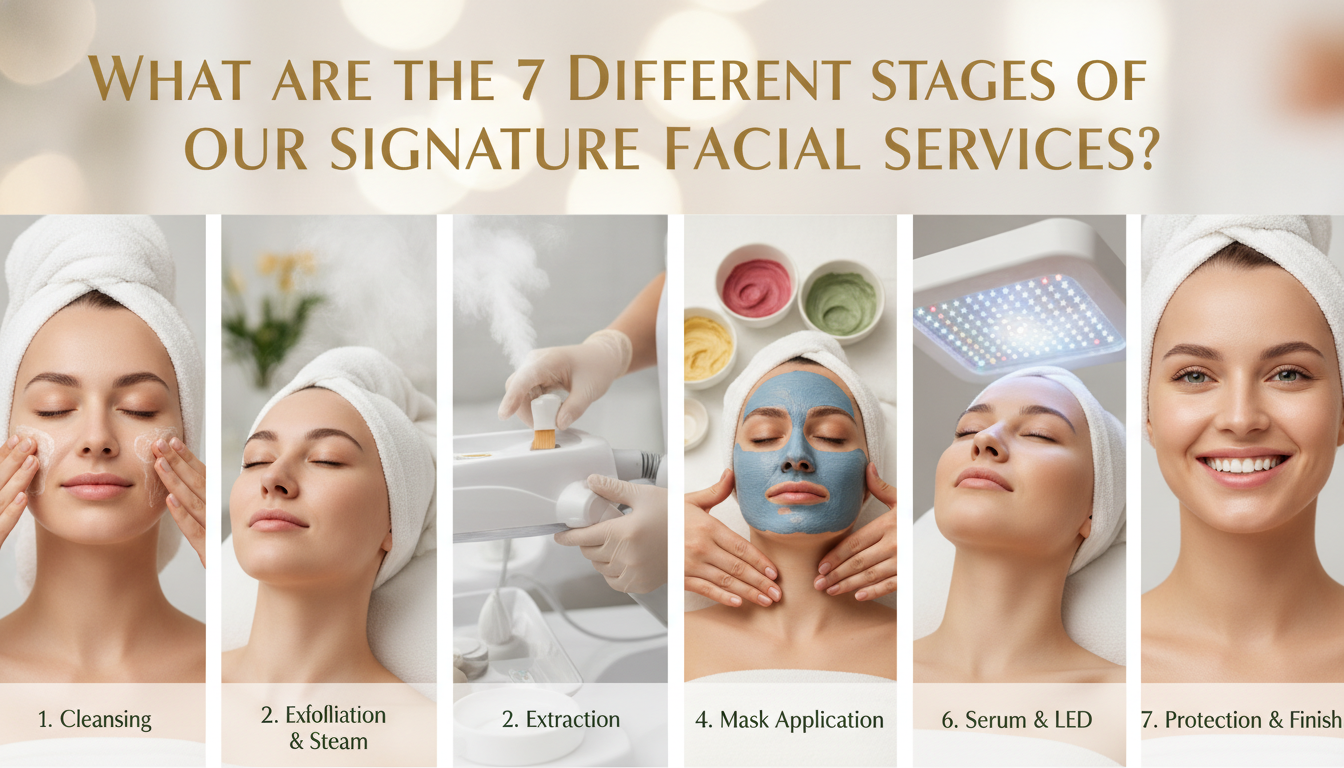
A professional manicure and pedicure in Abuja does more than tidy your nails — it removes dead skin, addresses nail health concerns specific to our climate, and leaves your hands and feet genuinely transformed rather than just polished. At Luxor Salon and Spa, a full nail treatment begins with a structured consultation, moves through carefully sequenced steps using sterilised implements, and closes with aftercare guidance tailored to whether you are heading into Harmattan dryness or the humid stretch of rainy season. Here is everything you need to know before you book.
Why Abuja’s Climate Makes Professional Nail Care Non-Negotiable
Between November and February, Harmattan sweeps in from the Sahara and the humidity in Abuja drops sharply. The result is cracked heels, peeling cuticles, brittle nails, and skin so dry it looks ashy by mid-morning. A home routine that worked perfectly in July simply will not hold in December — the same cuticle oil that softened your skin in the rainy season barely penetrates when the air pulls moisture out faster than you can replace it.
The rainy season brings its own challenges. Feet stay damp inside closed shoes, creating exactly the conditions under which fungal nail infections take hold. Sweaty hands under protective gloves or from long hours in air-conditioned offices can cause product build-up under gel extensions. A professional manicure and pedicure in Abuja needs to account for these shifts — and a trained therapist will.
What a Professional Manicure and Pedicure at Luxor Actually Involves
A lot of what passes for a nail treatment in informal settings is really just polish application over unprepared nails. At Luxor, the process is sequenced and deliberate. Understanding each stage helps you see why it takes the time it does — and why shortcuts produce inferior results that chip, lift, or cause nail damage over time.
The Consultation — Before Anything Is Applied
Your therapist begins by assessing the current state of your nails and skin: nail plate thickness, curvature, any signs of ridging, discolouration, or brittleness. They will ask about your lifestyle — do you work with your hands, wear acrylics regularly, have any known allergies? If a chemical service such as gel or acrylic overlay is planned, a patch test discussion is part of this stage. This is not a formality. Clients with keloid-prone skin or a history of contact dermatitis need to flag this before any chemical adhesive or monomer comes into contact with their skin.
If the therapist notices anything that goes beyond the cosmetic — a nail with signs of a possible infection, persistent discolouration that does not respond to cleaning, or unusual growths — the professional and honest response is to refer you to a dermatologist rather than proceed. That is the correct standard of care, and it is what you should expect from any reputable salon in Abuja.
Hygiene and Sterilisation — The Detail That Separates Professional from Risky
This is not a minor point. Improperly sterilised nail implements are a documented transmission route for fungal nail infections, bacterial infections, and in the most serious cases, bloodborne pathogens. At Luxor, metal implements are autoclaved or single-use. Files and buffers are disposable — used once, then discarded. Tools are disinfected between every client. If you visit a salon and the nail tech picks up a file that was clearly used on the previous client, that is a risk you should not accept.
Ask about sterilisation protocol before you sit down. A professional therapist will answer without hesitation.
The Step-by-Step Treatment Sequence
- Removal and preparation: Any existing polish, gel, or product is safely removed. Acetone-based removers are used carefully, with the surrounding skin protected where necessary to avoid excessive drying — particularly relevant during Harmattan.
- Shaping: Nails are filed to your chosen shape — square, oval, almond, or coffin. The shape is assessed against your natural nail bed to ensure it is structurally sound and flattering.
- Soaking: Hands or feet are soaked in warm water, sometimes with a softening or antibacterial solution. Duration matters here — under-soaking means cuticles and dead skin do not lift properly; over-soaking weakens the nail plate before application.
- Cuticle care: Cuticles are pushed back — not cut aggressively. Cutting live cuticle tissue opens a wound and is an infection risk. Dead cuticle skin (the pterygium) may be carefully nipped, but the living cuticle stays intact.
- Exfoliation and scrub: A scrub is worked into the hands and feet, with particular attention to the heels during Harmattan months when calluses build quickly. For feet, a pumice or foot file then addresses rougher patches.
- Mask or treatment: A hydrating or clarifying mask is applied and left to work while you relax. Your therapist will select based on your skin type and seasonal condition — a richer, occlusive mask in the dry months, a lighter formulation in the humidity of April to October.
- Massage: This is often the stage clients underestimate. A proper hand and lower-leg massage improves circulation, addresses tension in the muscles of the palm and arch, and helps the moisturising products penetrate. It typically lasts several minutes per limb and should feel thorough, not rushed.
- Base coat, colour, topcoat — or gel cure: For standard polish, a base coat is applied first to protect the nail plate, colour is built in thin layers, and a topcoat seals. For gel, each layer is cured under an LED or UV lamp. The quality of application at this stage determines how long your manicure lasts.
Gel, Acrylic, and Polish — Which Finish Is Right for You?
The choice between regular polish, gel, and acrylic or nail extensions depends on your lifestyle, nail health, and how long you need the finish to last. Regular polish suits clients who prefer lower commitment and enjoy changing colour frequently. It typically lasts five to seven days with proper aftercare. Gel lasts significantly longer — usually two to three weeks — and resists chipping well, making it popular with Abuja professionals who cannot be touching up chips during the working week.
Acrylic and nail extensions add length and structure, and are a common choice for weddings and owambe events where a dramatic finish is part of the look. However, they require regular fills and correct removal — pulling or forcing them off causes serious nail plate damage. Your therapist will advise on the appropriate length and shape for your natural nail strength before application.
If your natural nails are thin, ridged, or recovering from a previous set, your therapist may recommend a strengthening treatment first rather than immediately applying a product that could put more stress on the plate.
Planning Ahead — A Nail Care Timeline for Events and Weddings
Abuja’s event culture means nail appointments are rarely casual. An introduction ceremony, a traditional wedding, the white wedding, and the after-party can fall across a single weekend — and your nails need to look perfect throughout. Here is a realistic lead-time schedule.
- 8 weeks before the wedding: If your nails are very short, bitten, or damaged, begin a nail strengthening programme. This gives the nail plate time to grow out and recover before a gel or acrylic application is appropriate.
- 4 weeks before: Your first gel or acrylic appointment. This allows you to assess the shape and finish in real life — wear them to events, test how they feel — and gives your therapist time to adjust at the next session.
- 2 weeks before: A fill or fresh gel set, aligned with the exact shade and finish you have decided on for the wedding. Confirm your nail art design at this appointment.
- 2–3 days before: A pedicure and final tidy of the manicure. Do not do this the morning of the wedding — freshly applied polish or gel needs time to fully settle, and you do not want to be sitting under a lamp two hours before your first look.
December returnee season and Sallah peaks are when Abuja salons fill up fastest. If your event falls anywhere near those windows, book your slots early — you can book online at Luxor to secure your dates without needing to call during busy hours.
Aftercare — Making Your Manicure and Pedicure Last
What happens after you leave the salon determines whether your nails look perfect for two weeks or start lifting and chipping within three days. This is especially true in Abuja, where the seasonal extremes are real and consistent.
First 24 hours: Avoid washing dishes without gloves, prolonged water exposure, and anything that requires pressing hard on the nail tip. Even with gel, the surface needs time to fully harden and the skin around the nail to settle. Do not apply hand cream directly over gel — it will work under the edges.
First week: Apply cuticle oil daily, particularly during Harmattan months. This does not compromise your gel or polish — it protects the seal around the nail edge and prevents the dry skin from pulling at the product and causing early lifting. Wear gloves for cleaning and dishwashing. Keep your feet moisturised, paying attention to the heels, which will start to dry again within days if left unattended.
4–6 week rebooking window: For gel, schedule your next appointment within two to three weeks. Leaving gel on beyond three weeks puts strain on the nail plate as it grows and the product starts to lift at the base, which is where moisture and bacteria can enter. For regular polish, a fresh manicure every one to two weeks maintains the look. Pedicures typically last longer — four to six weeks is a reasonable interval, though monthly is ideal during the dry Harmattan season when heels deteriorate quickly.
A Realistic Scenario: The FCT Professional with No Time to Spare
Consider someone working in Maitama — government contracts, back-to-back meetings, and a dinner function on Friday evening that requires looking composed from head to toe. A 7am appointment at Luxor’s Maitama branch, just off Gana Street, means the manicure and pedicure are done before the first meeting of the day. There is no navigating Airport Road traffic on a Friday evening, no rushing from Wuse to a salon appointment that clashes with the gridlock through the AYA corridor.
The 24/7 operation at both branches is not a promotional line — it is a functional answer to how Abuja actually works. Early appointments before work, late appointments after events, and weekend slots during peak wedding months are all genuinely available because the salon operates around the clock rather than around conventional hours.
Product Standards and What They Mean for Your Nails
The products applied to your nails and skin during a manicure or pedicure matter more than many clients realise. Skincare and cosmetic products in Nigeria should carry NAFDAC registration — this confirms that the product has met a minimum standard of safety and ingredient disclosure. Unregistered products, particularly those promising rapid skin lightening, have been found to contain mercury and concentrations of hydroquinone far above safe limits, both of which cause long-term skin and systemic damage.
When a therapist applies a cuticle softener, a nail treatment, or a foot cream to your skin, you are entitled to know that the product is registered and safe. At Luxor, the commitment to cruelty-free and eco-friendly product standards is part of how treatments are built — not an afterthought. If you want to know about the products used during your treatment, ask. You should always receive a clear answer.
Frequently Asked Questions
Which Luxor branch should I visit for a manicure and pedicure in Abuja?
It depends entirely on where you are coming from. The Maitama branch at 56 Usuma Street, off Gana Street, is most convenient if you live or work in Maitama, Asokoro, or the embassy belt. The Wuse 2 branch at 792b Adetokunbo Ademola Crescent is more accessible from the central commercial districts and is the flagship location. Both branches offer the same full range of nail services, operate 24/7, and maintain the same hygiene and treatment standards — choose whichever is closer to where you are on the day.
Do I need to book in advance for a Saturday appointment?
For a standard weekday slot, walk-ins are often possible, but Saturdays — and any weekend adjacent to a major event, wedding season, Sallah, or Christmas — fill up quickly. Booking at least a week ahead for Saturday appointments during peak months is strongly advised. If your appointment is connected to a wedding or ceremony, secure your slot as early as you have confirmed your date.
How often should I rebook a pedicure during Harmattan?
During the Harmattan season, roughly November through February, heel calluses and dryness return much faster than in the rainy season. Monthly pedicures are ideal during this period rather than the six-week interval that might suit you in June. Between appointments, daily moisturising of the heels and wearing closed shoes with socks at night — particularly if you apply a thick cream before bed — will extend your results significantly.
Is gel nail application suitable for natural nails that are thin or brittle?
It depends on the current state of the nail. Gel applied correctly with a proper base coat can actually add strength to thin nails during the wear period. However, if the nail plate is significantly damaged or very thin — often from over-filing, previous harsh removal, or nutritional factors — your therapist may recommend a nail strengthening treatment first. The consultation before application is where this is assessed, and an honest recommendation will not simply proceed with gel if it is not appropriate.
Can a manicure and pedicure help with hyperpigmentation on the hands and knuckles?
Post-inflammatory hyperpigmentation on the hands and knuckles is common on melanin-rich skin and can be exacerbated by sun exposure and friction. A professional manicure can include a brightening mask or exfoliation that improves surface tone over time with regular treatments. However, significant hyperpigmentation that does not respond to cosmetic treatment after several sessions should be assessed by a dermatologist rather than managed with increasingly aggressive products — the risks of unregulated skin-lightening products in this region are well-documented and serious.
Your Next Step
A professional manicure and pedicure in Abuja is a practical investment in how you feel and present yourself — and when it is done correctly, with proper hygiene, seasonal awareness, and genuine skill, the results last. Whether you are preparing for a wedding, managing the toll that Harmattan takes on your skin, or simply fitting quality nail care around a schedule that leaves no room for midday appointments, Luxor Salon and Spa is built for the way Abuja actually lives.
Both branches are open 24/7 — a 6am appointment before your first meeting or a 10pm slot after an evening function is as available as any midday walk-in. Choose your preferred location, secure your appointment online, or reach out directly to the branch nearest to you.
Maitama Branch — 56 Usuma Street, Off Gana Street, Maitama, Abuja:
moc.apsdnanolasroxul@ofni | (+234) 701 888 0102
Wuse 2 Branch — 792b Adetokunbo Ademola Crescent, Wuse 2, Abuja:
moc.apsdnanolasroxul@2esuw | (+234) 701 888 0100
Related Posts
 When Is The Best Time For A Deep Exfoliating Facials Services
 When To Schedule A Coupleʼs Massage Services And Facials Services Day
 How To Keep Your Skin Hydrated After Your Facials Services Appointment
 7 Reasons To Choose Our Medispa Grade Facials Services In Abuja
 7 Ways Our Expert Facials Services Improve Skin Texture
 Which Facials Services Should I Choose For Maximum Hydration
 What Are The Essential Anti Aging Steps In Our Premium Facials Services
 When Should I Have A Detoxifying Facials Services Treatment