

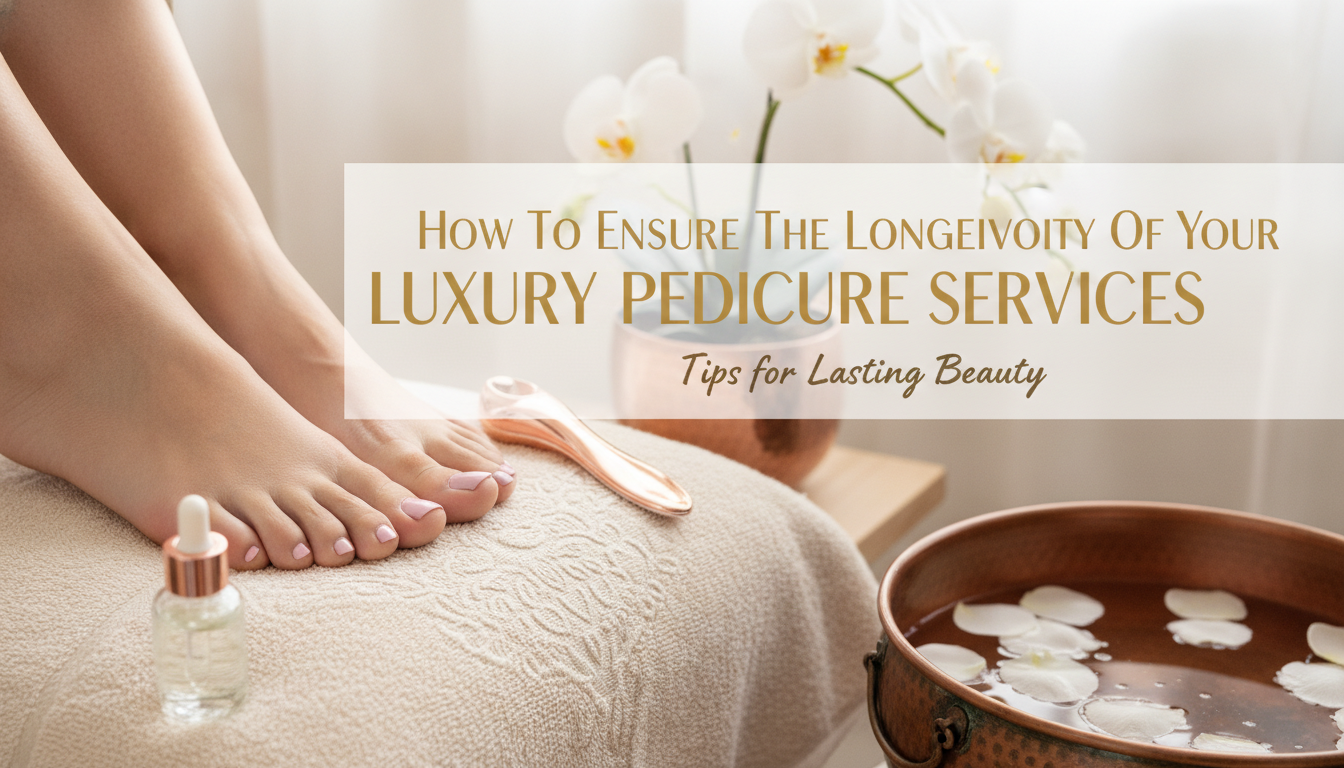
A body scrub in Abuja does more than buff away dead skin — when done correctly, it removes the layer of dulled, dried-out cells that accumulates between harmattan dust and daily sweat, allowing your skin to actually absorb the moisture you apply afterwards. In short: if your body lotion is sitting on top of your skin rather than sinking in, exfoliation is the missing step. This article walks you through what a professional body scrub involves, how to time it around Abuja’s two very different seasons, and why the setting and the aftercare matter as much as the scrub itself.
Why Body Scrubs Matter More in Abuja Than You Might Think
Abuja’s climate swings between two extremes that both punish the skin. From roughly November to February, harmattan strips humidity out of the air with impressive efficiency — the kind of dryness that turns knuckles ashy by mid-morning and leaves heels cracked before you’ve even noticed. Come April, the rains arrive and bring high humidity, sweat under wigs and protective styles, sunscreen and product build-up, and the particular kind of clogged skin that looks dull even when moisturised.
Neither condition responds well to the same routine. A body scrub calibrated to harmattan skin — one that exfoliates without further stripping — is a different treatment from one designed to deep-cleanse and decongest during the rainy season. A trained therapist makes that assessment before anything touches your skin, which is why a professional body scrub treatment at a reputable spa in Abuja consistently outperforms whatever you’re reaching for in the shower at home.
The Skin Realities That Make This Personal
For melanin-rich skin — which describes most clients walking through the doors at Luxor — the stakes around exfoliation are slightly higher than many people realise. Uneven tone, post-inflammatory hyperpigmentation, and keloid-prone areas mean that aggressive scrubbing or poorly chosen actives can trigger the very discolouration you’re trying to address. Gentler, well-formulated exfoliation done consistently is far more effective than one harsh session every few months.
It’s also worth saying plainly: if you have a persistent skin condition — recurring rashes, unusual pigmentation changes, or anything that looks infected — a therapist is not the right first stop. That’s a dermatologist’s conversation. A body scrub is a cosmetic service, not a medical one, and a good salon will tell you exactly that.
What Actually Happens During a Professional Body Scrub Treatment
The process begins before the scrub is opened. A brief consultation covers your skin type, any sensitivities or allergies, areas of concern (hyperpigmentation on the arms, extreme dryness on the lower legs, ingrown hairs on the thighs), and what you’re hoping to achieve. This isn’t a formality — it’s the information that determines the texture and formulation of the scrub, the pressure used, and what’s applied afterwards.
The Treatment Sequence, Step by Step
- Skin assessment and consultation. The therapist checks the skin’s current condition — dryness level, sensitivity, any areas to avoid. During harmattan months especially, the lower legs and elbows tend to present very differently from the décolletage.
- Pre-treatment cleanse. The skin is lightly cleansed and, where the treatment calls for it, warmed — either through a warm towel or a brief shower — to open the skin slightly and soften the surface layer.
- Scrub application. The exfoliant is worked across the body in gentle circular motions, with pressure adjusted for different zones. Knees, elbows, and heels — the areas that typically accumulate the most dead skin — usually receive slightly more attention. Sensitive areas and any areas flagged in the consultation are handled with appropriate care or skipped entirely.
- Rinse. The scrub is removed thoroughly, taking the loosened skin cells and any product residue with it. This step is not rushed — residue left on the skin can irritate.
- Hydration application. This is arguably the most important step, and the one most people skip at home. Freshly exfoliated skin absorbs moisture significantly better than it did before the scrub. A body oil, butter, or lotion is applied while the skin is still slightly warm.
- Aftercare guidance. The therapist walks you through what to do — and what not to do — in the hours following treatment.
A typical professional body scrub session runs somewhere in the region of 45 to 60 minutes, though some full-body treatments that combine exfoliation with a wrap or extended massage run longer. Your therapist will give you a realistic timeframe during consultation.
Timing Your Body Scrub Around Abuja’s Seasons
Harmattan Season (November to February)
This is when the question of exfoliation becomes genuinely urgent for most Abuja clients. Harmattan dries skin faster than most people’s moisturising routines can compensate for, and layers of dead skin make the problem worse by creating a barrier between the skin surface and any product you apply. A body scrub every two to four weeks during this period — paired with consistent daily moisturising in between — tends to produce noticeably different results from moisturising alone.
The caveat: if your skin is actively cracked, broken, or inflamed from the dryness, exfoliation should wait. Applying a scrub to compromised skin does more damage than good. A therapist will identify this at the consultation stage.
Rainy Season (April to October)
Humidity reduces the most acute dryness, but it introduces its own skin challenges. Product build-up accumulates more quickly, sweat mixes with body lotion and sunscreen, and for anyone wearing a lot of compression shapewear or gym gear in the heat — both common in Abuja — friction and occlusion create the conditions for congested, uneven-textured skin. Monthly exfoliation during this period keeps things clear without overdoing it.
How to Choose the Right Type of Body Scrub
Not all body scrubs are the same, and the difference matters particularly for darker skin tones. Sugar-based scrubs tend to be gentler than salt scrubs and dissolve as they work, reducing the risk of micro-tears. Salt scrubs have stronger antimicrobial properties and suit oilier or congested skin better. Enzyme-based exfoliants work chemically rather than physically and are appropriate for sensitive skin or areas where mechanical scrubbing would be too aggressive.
There is also the question of the products themselves. In Nigeria, the cosmetic product market is large and not uniformly regulated. NAFDAC registration of the products used in any professional treatment is a baseline safety requirement, not an optional extra — unregistered formulations have, in documented cases, contained mercury or banned concentrations of hydroquinone, both of which cause long-term skin damage. At a salon that has operated since 2013 and built its reputation on repeat clients, product sourcing is taken seriously.
A Realistic Scenario: The Working Professional in Maitama
Consider someone working at one of the embassies or government agencies in the Maitama corridor. Her week runs long, the drive into the office eats a significant portion of her morning, and by Friday afternoon she has exactly zero patience for a two-hour round trip to a salon that closes at seven. A Saturday appointment sounds ideal until December hits and everywhere is booked out for two weekends running.
This is the specific problem that 24/7 operating hours solve — not as a headline, but as a practical answer. A 6am body scrub appointment on a Wednesday morning, before the Kubwa Expressway and Airport Road traffic builds, means she’s in, treated, and out before 8am. A 10pm slot after a long Thursday works equally well. The Maitama branch at 56 Usuma Street, Off Gana Street, is genuinely close to the embassy belt, which means the logistics stop being an obstacle and the treatment actually happens on a regular basis — which is where the results come from.
For clients on the Wuse 2 side of the city, the flagship branch on Adetokunbo Ademola Crescent covers the same ground: whether you’re coming from the commercial hub or heading there, one branch is always the more convenient choice.
Body Scrub Aftercare: The First 24 Hours and Beyond
The work done during a body scrub can be undone fairly quickly if aftercare is ignored. Here’s what the first few days should look like:
- First 24 hours: Avoid hot showers — warm is fine, hot strips the freshly exposed skin. Do not apply deodorant with alcohol or other strong actives to freshly exfoliated underarm skin. Moisturise generously as soon as the skin is patted dry, and ideally again before bed.
- First 48 hours: Stay out of direct sun where possible. If you must be outside — and in Abuja during the dry season, the sun is not gentle — apply a broad-spectrum sunscreen over your moisturiser. Freshly exfoliated skin is more photosensitive than usual.
- First week: Moisturise daily, morning and evening if you can manage it. This is when the skin is absorbing the most benefit from the exfoliation; don’t let it dry out again.
- The 3–4 week window: For most people, this is the natural rebooking point. The effects of a single scrub are visible for about two to four weeks depending on skin type and season. Booking in advance means you don’t accidentally let three months slip by.
Planning Around Events: A Body Care Timeline
Body scrubs are frequently part of pre-event preparation — traditional introduction ceremonies, white weddings, owambe weekends, and the December returnee season all create their own demand spikes. The mistake most clients make is booking everything for the week of the event.
A more sensible approach:
8 weeks before the event: First body scrub to assess the skin’s current condition and begin clearing any build-up. If ingrown hairs or significant hyperpigmentation are concerns, this is when to surface them — there is enough time to address them properly.
4 weeks before: Second scrub, with adjustments based on how the skin has responded. Hydration should now be visibly improved and absorption significantly better.
2 weeks before: Final full exfoliation. Do not exfoliate the skin for at least five to seven days before the event — you want the skin barrier intact and the glow at its peak, not raw from an overzealous last-minute scrub.
The week of the event: Maintain moisture, stay consistent with sunscreen, and let the previous treatments do their work. If you want to book online and lock in your appointment slots well in advance, particularly in November and December when demand across Abuja peaks sharply, doing so early makes a real difference.
Frequently Asked Questions
Which Luxor branch should I visit for a body scrub?
Both branches offer the full range of body treatments. If you’re based in Maitama, the diplomatic district, or anywhere in that corridor, the Maitama branch on Usuma Street is the closer option. If you’re in Wuse 2, Garki, or the central commercial areas, the Wuse 2 branch on Adetokunbo Ademola Crescent is more convenient. Both are open 24/7, so your schedule — not geography — should drive the choice.
How often should I get a professional body scrub?
For most people in Abuja, once every two to four weeks works well during harmattan, and once a month is sufficient during the rainy season when skin doesn’t dry out as severely. Your therapist will give you a personalised recommendation based on your skin type and how it responds after the first session.
Do I need to book in advance, or can I walk in?
Walk-ins are welcome at both branches, and the 24/7 hours mean there are often slots available at unusual times. That said, peak periods — Saturday mornings, Sallah weekends, December from mid-month through to year-end — fill up quickly. If you have a specific date or a pre-event timeline in mind, booking ahead avoids disappointment.
Is a body scrub suitable if I have hyperpigmentation on my body?
Gentle, consistent exfoliation can support the skin’s natural renewal process and help hyperpigmented areas gradually appear more even over time — but it is not a treatment for hyperpigmentation in a clinical sense. If your post-inflammatory hyperpigmentation is significant, a therapist will flag this at consultation and can guide you on complementary treatments, but persistent or worsening pigmentation changes should be assessed by a dermatologist before any active treatment.
What should I wear or bring to my body scrub appointment?
Loose, comfortable clothing to change into afterwards is ideal — tight waistbands or synthetic fabrics immediately after exfoliation can cause irritation on freshly treated skin. Most people find dark or casual clothing works best since body oils and lotions can occasionally transfer. Everything else is provided by the salon.
Making Your Body Scrub Work for Your Skin Long-Term
A single body scrub session will leave your skin visibly smoother and better able to absorb moisture — but the real results come from consistency. Whether you’re managing harmattan dryness, prepping for an event, or simply maintaining skin that looks and feels its best in Abuja’s punishing climate, a regular exfoliation schedule built around your life (rather than squeezed awkwardly around it) is what makes the difference. The treatments themselves are straightforward; the barrier is usually logistics, which is exactly what 24/7 availability at two strategically placed branches is designed to remove.
If you know your schedule and your skin’s needs, the next step is straightforward. Both branches are ready when you are — early morning, late evening, or anywhere in between. Reach out or schedule your appointment online to get your slot confirmed before the calendar fills up.
Maitama Branch — 56 Usuma Street, Off Gana Street, Maitama:
moc.apsdnanolasroxul@ofni | (+234) 701 888 0102
Wuse 2 Branch — 792b Adetokunbo Ademola Crescent, Wuse 2:
moc.apsdnanolasroxul@2esuw | (+234) 701 888 0100
Both branches are open 24 hours a day, seven days a week. A 6am appointment before the morning commute or a 10pm slot after a long day are both genuinely available — choose whichever works for your week.
Related Posts
 7 Essential Steps To Achieving Long Lasting Pedicure Services
 How To Ensure You Receive The Best Pedicure Services Possible
 What Are The 7 Signs You Need A Professional Pedicure Services Now
 When Should I Get A Specialized Hot Oil Pedicure Services Treatment
 How Our Expert Pedicure Services Help Prevent Foot Infections
 Which Pedicure Services Is Best For Athletes And Runners
 Which Pedicure Services Includes A Luxurious Calf Massage
 When Should I Book A Package That Includes All Pedicure Services And Manicure Services