

A professional manicure and pedicure in Abuja does more than make your nails look polished — it protects them. A properly executed service combines nail shaping, cuticle care, exfoliation, and a long-wearing finish applied on sanitised, sterilised tools by a trained nail technician. When done correctly at an established salon like Luxor, it leaves your hands and feet groomed, healthy, and presentable for weeks. When done carelessly — with shared implements and unsterilised equipment — it opens the door to fungal nail infections and worse. This guide covers what a quality manicure and pedicure actually involves, what to expect during Abuja’s two very different seasons, and how to make your results last.
Why Nail Care in Abuja Is a Year-Round Commitment
Abuja’s climate makes a strong case for consistent nail and hand care, but not for the same reasons in every month. Understanding what the harmattan and the rainy season each do to your nails, cuticles, and skin helps you choose the right treatment at the right time — rather than booking whatever sounds appealing and being disappointed by results.
What Harmattan Does to Your Hands and Feet
From roughly November through February, the harmattan brings Saharan dust and a sharp drop in humidity that strips moisture from every exposed surface — skin, nails, and cuticles included. Cuticles crack and split. Heels that were perfectly smooth in September start to dry out, thicken, and fissure. Nail plates themselves can become brittle and prone to breaking because they lose moisture just as skin does.
During these months, the pedicure element — specifically the callus removal and intensive heel treatment — becomes genuinely necessary rather than indulgent. A standard polish change will not address heels that have been drying out since November. You need exfoliation, softening, and a barrier treatment if the results are going to last more than a few days against the harmattan air.
What the Rainy Season Does to Nail Treatments
Between roughly April and October, the humidity works in the opposite direction — but it introduces its own problems. Moisture trapped under ill-fitting footwear creates exactly the warm, damp environment that encourages fungal growth. Gel and acrylic enhancements that aren’t properly sealed can lift at the edges, allowing moisture and bacteria to sit between the product and the natural nail. If you’re wearing closed shoes through rain season, that risk is compounded.
This is also the period when sweat around cuticles can cause product adhesion to fail faster than expected. A properly dehydrated and primed nail before application — which any experienced nail technician will ensure — extends the life of your finish significantly during these months.
What a Professional Manicure and Pedicure Actually Involves
There is a meaningful difference between a quick soak-and-paint at a walk-in stand and a structured nail service at a salon that takes hygiene and technique seriously. Here is what a thorough, professional service looks like from the moment you sit down.
Consultation and Assessment
Before anything is applied to your nails, a competent technician will look at the condition of your nail plate, cuticle health, any existing product that needs to be removed, and the state of your skin. For pedicures, this includes assessing heel thickness, any callus build-up, and whether there are any signs of fungal infection or ingrown nails that need careful handling. If anything is flagged that goes beyond cosmetic concern — persistent discolouration, significant nail separation from the bed, suspected infection — you should be referred to a dermatologist or podiatrist, and a responsible salon will tell you this plainly rather than work through it.
Sterilisation and Hygiene Protocols — What You Should Expect
This section matters more than most clients realise. Shared, improperly cleaned nail implements — cuticle nippers, pushers, nail files — are among the most common routes for fungal nail infection (onychomycosis), folliculitis, and in worst cases, bloodborne transmission if skin is broken. At Luxor, metal implements are either autoclaved between clients or replaced with single-use alternatives. Disposable nail files and buffers are not reused. Foot basins are disinfected between every pedicure.
When you visit any nail salon — Luxor or otherwise — it is entirely reasonable to ask how tools are sterilised. A salon that cannot answer that question clearly is one to reconsider. Autoclaving is the gold standard for metal implements; a UV cabinet alone does not achieve sterilisation.
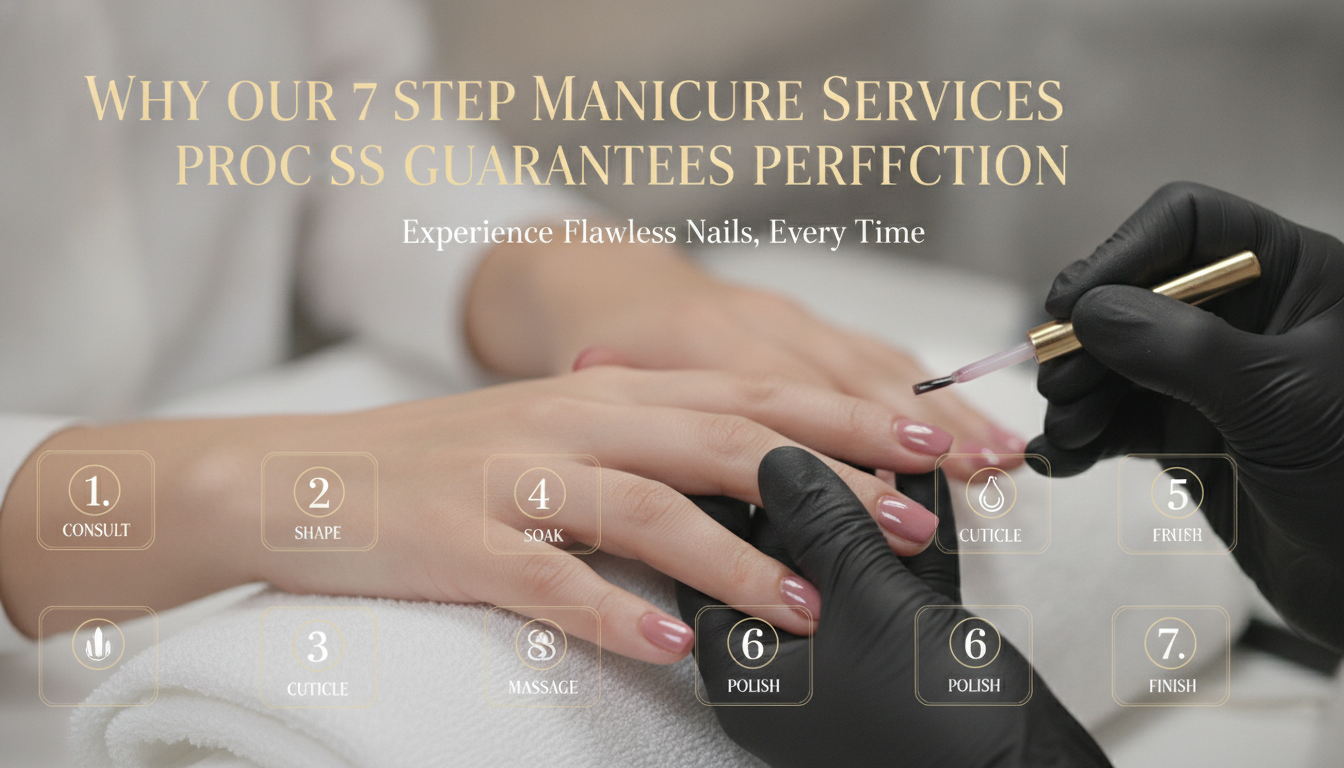
The Service Sequence
- Remove existing product: Old polish, gel, or acrylic is removed first. Gel removal via soak-off is gentler on the nail plate than aggressive filing. Acetone wraps or foil soaks are typical — rushing this step causes damage.
- Shape and file: Nail length and shape are agreed on during consultation. Filing is done in one direction to reduce splitting. Common shapes — square, oval, almond, squoval — each have a correct technique.
- Soak and soften: Hands or feet soak in a warm treatment solution that softens cuticle and skin. Duration varies depending on the service level and the condition of the skin.
- Cuticle care: Cuticles are pushed back and excess tissue removed — never cut aggressively, which damages the protective seal that cuticles provide against bacteria.
- Exfoliation: A scrub removes dead skin from hands or feet. For pedicures, this is followed by callus work on heels and pressure points using a foot file or paddle. This step is where harmattan feet get the most attention.
- Massage: A hand or foot and lower leg massage with a lotion or oil improves circulation and leaves skin noticeably softer. This is not just a comfort addition — it drives moisture into skin that has been dried out by dust and air conditioning.
- Nail preparation and application: The nail plate is dehydrated and primed before any polish or gel is applied. A base coat goes on first, followed by colour in thin, even coats, and a top coat to seal and protect. For gel, each layer is cured under a UV or LED lamp.
Choosing the Right Finish: Regular Polish, Gel, and Beyond
The finish you choose affects how long your nails stay chip-free, how much maintenance they need, and what removal looks like when it’s time to rebook. Here is an honest breakdown.
Regular Polish
Classic nail lacquer dries in air and gives a beautiful finish, but it is the least durable option. In Abuja’s humidity during the rainy months, or with the hand-washing frequency that professional life demands, chips and tip wear can appear within a few days. It is the easiest to remove at home and involves no UV exposure or heat. It is a good choice when you want flexibility or are testing a new colour.
Gel Polish
Gel polish cures under UV or LED light and, when applied correctly on a properly prepared nail, typically lasts two to three weeks without chipping. It is the most popular choice for clients who want a low-maintenance finish through a busy work week or a wedding season. Removal should always be done as a soak-off — never peeled or filed aggressively, which strips layers from the nail plate and thins it over time.
Nail Extensions and Enhancements
Acrylic and gel extensions add length or structure to the natural nail. They require more preparation, more skill, and more careful aftercare. They are not suitable for everyone — very thin nail plates or nails that have been recently damaged may need a recovery period first. Extensions also require infills as the natural nail grows out, typically every two to three weeks, rather than a full removal and reapplication every time.
Nail Care for the Bride: A Practical Countdown
Wedding season in Abuja runs almost year-round, but December and the months leading into it see a particular surge — returnees, aso-ebi Saturdays, introduction ceremonies stacked on top of white weddings. If you are a bride planning both a traditional ceremony and a white wedding, your nails are going to be photographed in every frame. Here is a realistic timeline.
8 weeks before: Book your appointments now, not in two weeks. Saturdays at a reputable salon in Maitama or Wuse 2 fill up weeks in advance during peak periods. This is also the time to start a nail strengthening treatment if your nails are brittle or short — eight weeks gives them a real chance to recover and grow.
4 weeks before: Your nails should be at a manageable length by now. Have a full manicure and pedicure to assess the condition and discuss your final shape and finish. If you are planning extensions, this appointment is the test run — you will know whether they feel comfortable and how they hold up in your daily routine.
2 weeks before: Infill or refresh, depending on your service choice. Confirm your wedding day colours. For gel, two weeks of wear should still look largely intact — if there’s significant lifting, flag it now so it can be addressed rather than masked on the day.
The day before (or the morning of): Fresh application or a flawless infill. Do not leave nails for the morning of the ceremony if you can avoid it — you want the top coat properly cured and dry before you are handling a gele or putting on jewellery in a hurry. A late appointment the evening before, or an early morning appointment at a salon with 24/7 hours, gives you that buffer without the last-minute stress.
Brides managing their aso-ebi group bookings can also benefit from group scheduling at Luxor — coordinate colours in advance and book multiple spots for the same time rather than having different members arriving across different days. Ready to lock in your dates? You can book online and choose the branch closest to you.
Aftercare: Making Your Manicure and Pedicure Last
The service is not finished when you leave the salon. What you do in the first 24 hours and the following weeks directly determines how long your results last.
First 24 Hours
- Avoid prolonged contact with water — dishes, laundry, long showers — while gel is freshly cured or regular polish is fully setting.
- Do not push or pick at cuticles. The cuticle oil your technician applies at the end of your service is there for a reason — reapply it yourself that evening.
- For pedicures, avoid tight, enclosed shoes immediately after a treatment if your heels have had significant callus work — the skin needs time to settle.
- Do not apply hand cream directly over freshly polished nails until the finish is fully set.
First Week
Apply cuticle oil daily — morning or night, or both. This is the single most effective thing you can do to extend the life of your nails between appointments. Dry cuticles shrink away from the polish edge and make chips more visible. Wear gloves for any cleaning or dishwashing that involves detergent — prolonged soap exposure lifts gel edges faster than almost anything else.
The 2–4 Week Rebooking Window
Gel polish typically looks its best for two to three weeks. Beyond three weeks, the natural nail grows out and the gap at the base becomes visible, and the seal at the tip starts to show wear. Infills for extensions should be done at roughly the two-week mark to prevent the product from placing uneven stress on the growing nail. Build rebooking into your routine rather than waiting until something chips — it is cheaper to maintain than to repair.
Why a 24/7 Salon Makes Practical Sense in Abuja
If you have ever tried to book a Saturday appointment at a reputable Abuja salon in November or December, you already know how quickly the slots go. The civil servant finishing at six on a Thursday, the diplomat with an early flight, the business owner who cannot close her shop until 9pm — standard salon hours simply do not fit most Abuja schedules, and Friday evening traffic on the Kubwa Expressway or the Nyanya corridor makes a 5pm appointment genuinely uncertain.
Luxor’s 24/7 hours at both the Maitama and Wuse 2 branches are not a marketing claim. A 6am appointment before work and a 10pm appointment after an owambe are both real options, actually available, on any day of the week. If your diary only has gaps at unusual hours, that is not a problem here.
Which Branch Is Right for You?
The Maitama branch at 56 Usuma Street, off Gana Street, is positioned in one of Abuja’s most established residential and diplomatic districts — practical for professionals on that axis, civil servants in the FCT ministries, and expat staff near the embassy belt. The Wuse 2 branch at 792b Adetokunbo Ademola Crescent sits in the commercial heart of the city and is the natural choice if your commute, office, or shopping errand already takes you through that corridor. The point is simply this: whichever side of the city you are on, one of them is closer.
Product Safety and NAFDAC Compliance
This is worth stating plainly because it affects your health, not just your nails. Nail and skin products sold or used in Nigeria are required to be registered with NAFDAC. Unregistered products — including some popular imported polishes and cuticle treatments sold informally — may contain banned levels of formaldehyde, toluene, or mercury, particularly in skin-adjacent creams. At Luxor, products used in services meet cruelty-free and eco-friendly standards, and the salon has operated since 2013 with a consistent commitment to using verifiable, compliant products.
If you are buying your own nail products to use at home, check for NAFDAC registration numbers on the packaging. The absence of a registration number is not a minor technicality — it means the product has not been assessed for safety in the Nigerian market.
Frequently Asked Questions
Which Luxor branch should I visit for a manicure and pedicure in Abuja?
It depends on where you are in the city. The Maitama branch on Usuma Street serves clients on the north and central-west axis, including diplomats and FCT professionals in that district. The Wuse 2 branch on Adetokunbo Ademola Crescent is more accessible if you are coming from the commercial centre, Garki, or areas further east. Both offer the same services and the same 24/7 availability — pick the one that cuts your travel time.
Do I need to book in advance for a Saturday appointment?
Yes, especially during peak periods — December returnee season, Sallah weekends, and any month with a concentration of weddings. Saturdays at both branches fill up well in advance. Booking online or calling ahead in the week is strongly recommended. If Saturday is genuinely not possible, the 24/7 hours mean Friday at 10pm or Sunday at 7am are real alternatives.
How long does a full manicure and pedicure take?
A comprehensive manicure and pedicure service — including soak, exfoliation, cuticle care, massage, and gel application — typically takes between ninety minutes and two and a half hours depending on the service level, the condition of the nails, and whether extensions are involved. Regular polish services are on the shorter end; full sets with extensions take longer. Your technician can give you a realistic estimate at consultation.
Is gel polish safe for my natural nails?
Gel polish applied correctly and removed properly — via soak-off, not peeling or aggressive filing — does not damage natural nails. The damage associated with gel comes almost entirely from removal technique. If you have been peeling your gel at home, expect some thinning and sensitivity; a recovery programme of strengthening treatments and regular cuticle care will help. Let your technician know at consultation so the service can be adjusted.
What special nail care do I need during harmattan?
During harmattan, prioritise hydration at every stage of the service. Cuticle oil becomes essential rather than optional — apply it daily, not just after appointments. Heels need more intensive treatment than in the rainy season because the dry air accelerates callus formation and cracking. A pedicure with dedicated heel work every three to four weeks through the harmattan months is sensible for most people, rather than the longer intervals that work in humid months.
In Summary
A professional manicure and pedicure is genuinely useful nail care — it maintains nail health, protects skin, and produces results that are difficult to replicate at home without proper equipment, products, and technique. In Abuja’s climate, where harmattan and the rainy season place very different stresses on your hands and feet, working with a qualified technician at a salon that takes hygiene seriously makes a measurable difference to both results and safety. Whether you are a bride with a countdown calendar, a professional fitting treatments around an unpredictable schedule, or someone who simply wants their nails to stay presentable through a long month, the approach is the same: book early, communicate your needs at consultation, and invest in the aftercare.
Luxor Salon and Spa has two Abuja locations, both open around the clock. Book the time that actually works for you — early morning, late evening, or anywhere in between. Appointments are available online or by contact below.
Book your appointment: book online
Maitama Branch — 56 Usuma Street, Off Gana Street: moc.apsdnanolasroxul@ofni or (+234) 701 888 0102
Wuse 2 Branch — 792b Adetokunbo Ademola Crescent: moc.apsdnanolasroxul@2esuw or (+234) 701 888 0100
Both branches are open 24/7 — early, late, or weekend appointments are all bookable. Pick the branch that suits your side of the city and come in when it genuinely fits your day.
Related Posts
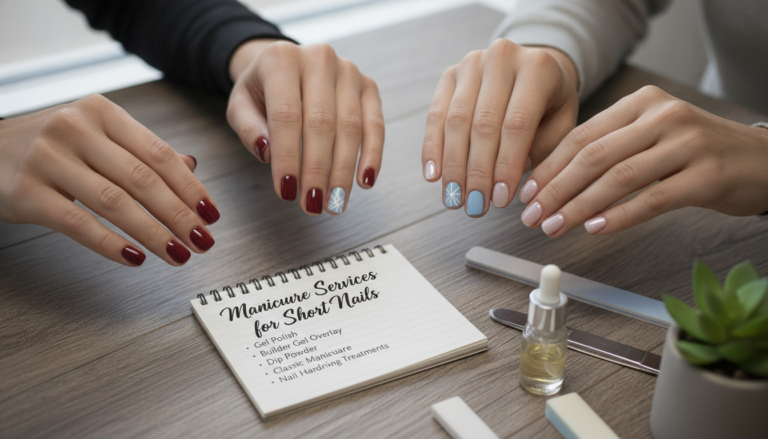 Which Manicure Services Is Recommended For Very Short Nails
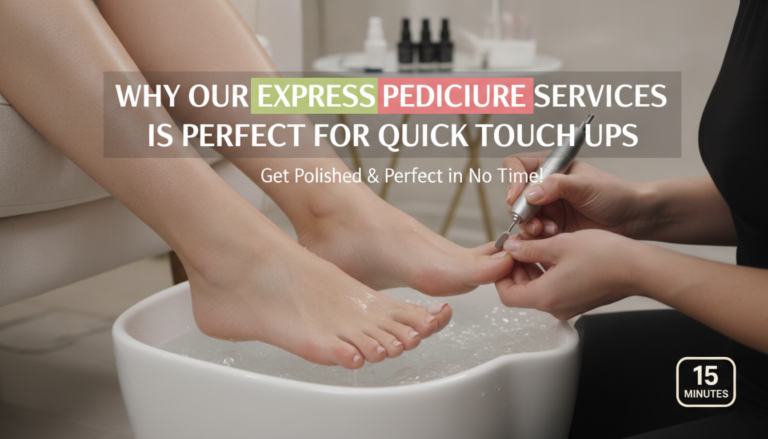 Why Our Express Pedicure Services Is Perfect For Quick Touch Ups
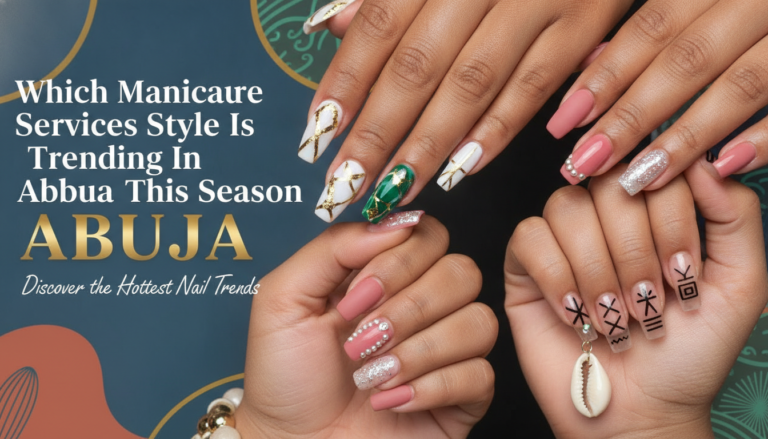 Which Manicure Services Style Is Trending In Abuja This Season
 When Is The Best Time To Book Your Next Luxury Manicure Services
 7 Reasons Our Signature Manicure Services Is Highly Addictive
 Which Manicure Services Is Best For People Who Work With Their Hands
 Which Manicure Services Offers The Widest Range Of Color Choices
 How To Get Perfect French Tips During Your Manicure Services