

A fresh manicure is one of life’s small luxuries — your nails look polished, your hands feel pampered, and there’s a quiet satisfaction in glancing down and seeing everything neat and done. But here’s what most people don’t think about until a few days later: the cuticles. Those thin strips of skin at the base of your nails play a much bigger role in nail health than they’re given credit for, and without the right aftercare, even the best manicure services can leave them dry, ragged, or irritated. Keeping your cuticles healthy after a manicure isn’t complicated, but it does require a little intention.
Why Cuticle Health Matters More Than You Think
The cuticle acts as a natural seal between your nail plate and the surrounding skin. Its primary job is protective — it keeps bacteria, moisture, and debris from getting underneath the nail where they could cause infection or damage. When that barrier is compromised, you’re not just looking at flaky skin; you’re potentially opening the door to nail infections, lifting, or inflammation.
During a professional manicure, the cuticles are typically softened, pushed back, and sometimes trimmed. Done correctly by a trained technician, this is completely safe and actually helps your nail polish adhere better. But the process does temporarily disturb that protective layer, which is why what you do in the hours and days after your appointment really counts.
Think of it this way: your manicure is the event, but your aftercare routine is what determines how long the results last — and how healthy your nails stay in between visits.
The First 24 Hours After Your Manicure Services
The window right after your appointment is the most critical. Your cuticles have just been worked on and are more sensitive than usual. A few simple habits during this time can make a significant difference.
Avoid Water Exposure Where Possible
Water — especially hot water — weakens freshly done nails and causes the surrounding skin to swell slightly, which can pull at the cuticle area. For the first few hours, try to skip long showers, dishwashing without gloves, or soaking your hands in any way. This is especially worth noting for women in Abuja who come in for a manicure during their lunch break and then head back to an office environment — try to avoid handwashing more than necessary during those first few hours, and when you do wash your hands, use lukewarm rather than hot water.
Moisturise Immediately
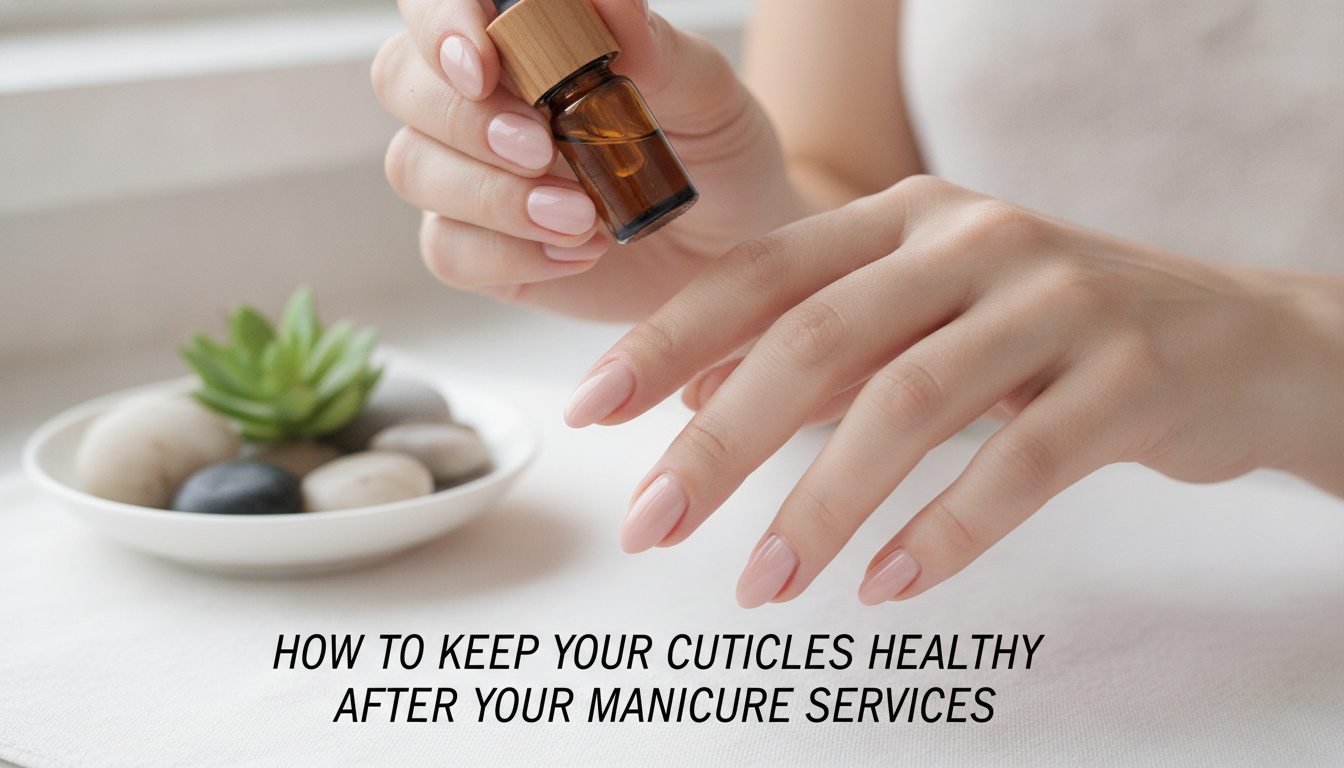
One of the most effective things you can do is apply a cuticle oil or rich hand cream within the first hour of leaving the salon. The cuticles absorb moisture best when they’ve recently been worked on because the skin is still slightly warm and open. A drop of cuticle oil massaged into each nail bed takes about 30 seconds and creates an almost immediate difference in how the area looks and feels.
Look for oils containing vitamin E, jojoba, or almond oil — these are well-established for their skin-softening and barrier-repair properties. At Luxor Salon and Spa, the products used are eco-friendly and cruelty-free, which matters if you’re mindful about what goes onto your skin on a regular basis.
Building a Simple At-Home Cuticle Care Routine
You don’t need a complicated 10-step routine. What you need is consistency with a few targeted habits.
Daily Cuticle Oil Application
Apply cuticle oil once a day — morning or night, whichever fits your routine better. The nighttime application is arguably more effective because your hands are still while you sleep, meaning the oil has time to absorb properly rather than being washed off or rubbed away. Within two weeks of consistent use, most people notice a visible improvement in cuticle texture and overall nail appearance.
Weekly Hand Masks or Overnight Treatments
Once a week, consider a slightly more intensive treatment. This could be as simple as applying a thick layer of shea butter or petroleum jelly to your hands and cuticles before bed, then sleeping with thin cotton gloves on. This method — sometimes called an “occlusive treatment” — locks moisture in and is particularly helpful during harmattan season in Abuja, when the dry, dusty air strips moisture from exposed skin much faster than usual. If your cuticles are visibly cracked or peeling between manicure appointments, this weekly treatment can make a noticeable difference within three to four days.
Hands-Off Policy on Peeling Skin
This one is hard for a lot of people: resist the urge to pick at or tear hangnails. It feels satisfying in the moment but almost always causes micro-tears in the surrounding skin, which can bleed, become inflamed, or create an entry point for bacteria. If you have a hangnail, use a small pair of clean nail scissors to carefully trim it flush — don’t pull.
What to Avoid Between Manicure Sessions
Knowing what not to do is just as valuable as knowing the right steps.
- Avoid acetone-based removers too frequently. Acetone is effective at removing polish, but it also strips natural oils from both the nail and the surrounding cuticle skin. If you’re removing polish at home between appointments, opt for an acetone-free remover and always follow up with cuticle oil.
- Don’t skip gloves when cleaning. Household cleaning products — bleach, dish soap, surface sprays — are harsh on the skin. Even a 10-minute cleaning session without gloves can dry out cuticles significantly.
- Limit gel or acrylic removal at home. Attempting to peel or force off gel polish without the proper tools and products can damage not just the nail plate but the cuticle area as well. This is best done professionally.
- Watch out for hand sanitiser overuse. This has become increasingly relevant in recent years. Alcohol-based sanitisers are drying with repeated use. If you’re using sanitiser frequently throughout the day — as many office workers and healthcare workers in Abuja do — make sure you’re compensating with regular moisturiser application.
How Often Should You Book Manicure Services?
For most people, a regular manicure every two to three weeks strikes the right balance. This frequency allows the nails to grow enough to shape properly, while ensuring the cuticles don’t become overgrown or rough between visits. If you’re wearing gel polish, three to four weeks is typically the recommended interval — long enough for natural nail growth without the polish lifting or becoming a hygiene concern.
For busy professionals in Abuja’s FCT who are managing demanding schedules, pre-scheduling a recurring slot can take the guesswork out of it. Luxor Salon and Spa has been operating since 2013 and is open 24/7 across both branches, which means even the most packed schedule has room for a proper nail appointment — whether you’re squeezing it in before a board meeting in Maitama or after a late evening in Wuse 2.
The Role of Nutrition in Cuticle Health
External care only goes so far. What you eat genuinely affects how your nails and cuticles look and feel. Dry, cracked cuticles can sometimes be a sign of nutritional gaps rather than just external dryness.
Nutrients That Support Nail and Cuticle Health
Biotin (Vitamin B7) is probably the most widely discussed nutrient for nail health. Studies have shown that biotin supplementation can improve nail thickness and reduce splitting in people with brittle nails. You’ll find it naturally in eggs, nuts, and sweet potatoes — all reasonably accessible in Abuja’s markets and supermarkets.
Omega-3 fatty acids, found in fatty fish, flaxseed, and walnuts, help maintain the skin’s natural lipid barrier — the same barrier your cuticles depend on. If your diet is low in healthy fats, you’ll likely notice it in your skin before you notice it anywhere else.
Zinc and iron deficiencies are also commonly linked to nail changes including brittleness and slow growth. If you’ve tried consistent topical care without improvement, it may be worth speaking to a doctor about whether your levels need attention.
Seasonal Cuticle Care in Abuja
If you live in Abuja, you already know that harmattan hits differently. Between roughly November and February, the dry, dusty winds coming from the Sahara drop humidity levels significantly and create a kind of constant moisture drain on exposed skin. Your hands and cuticles are on the front line.
During harmattan, consider increasing your cuticle oil application to twice daily instead of once. Keep a small bottle in your handbag and one at your desk — dry air works quickly, and you’ll feel the tightness in your skin before you notice it visually. A slightly heavier hand cream than you’d use in the rainy season also makes sense during these months.
On the flip side, the rainy season brings its own considerations. Prolonged exposure to rain, humidity, and frequent handwashing can macerate the skin around the nails, making cuticles soft, overgrown, and prone to tearing. Keeping your hands dry after water exposure and using a gentle, moisturising hand wash rather than harsh soap goes a long way.
What Professional Manicure Services Actually Do for Your Cuticles
It’s worth understanding exactly what happens during a professional manicure so you can better support the work your technician does.
A quality manicure service typically begins with nail shaping, followed by a cuticle softening soak or solution. The cuticles are then gently pushed back using a cuticle pusher — never aggressively, and never cut unless absolutely necessary. Excess dead skin along the nail groove may be carefully removed. This process, done by a trained professional, takes time and requires skill. Rushing or doing it incorrectly at home often causes more harm than good.
At Luxor’s Maitama branch (56 Usuma Street, Off Gana Street) and the Wuse 2 flagship location (792b Adetokunbo Ademola Crescent), services are carried out by trained therapists using certified products. The attention to hygiene and technique means your cuticle area is cared for properly from the start — which makes your at-home maintenance that much more effective.
Frequently Asked Questions
How long does it take to see improvement in dry or damaged cuticles?
With consistent daily moisturising and cuticle oil use, most people see a noticeable improvement within one to two weeks. Severely cracked or damaged cuticles may take three to four weeks of regular care to fully recover. If there are signs of infection — swelling, redness, pus, or persistent pain — see a doctor rather than waiting for home remedies to work.
Is it bad to cut cuticles during a manicure?
It depends on how it’s done. Lightly trimming overgrown or excess dead skin along the cuticle is generally fine when performed by a trained professional using clean tools. Aggressive cutting or trimming at home with blunt instruments is not recommended — it removes more of the protective barrier than necessary and increases the risk of infection. A professional manicure should always feel comfortable, not painful.
Can I do anything at home between manicure appointments to maintain results?
Absolutely. Daily cuticle oil application, wearing gloves when cleaning, avoiding acetone-based removers where possible, and keeping your hands moisturised are all practical steps that will extend the life of your manicure and keep your cuticles healthy in between visits. The overnight hand mask method — heavy moisturiser plus cotton gloves — is particularly effective if your cuticles are noticeably dry.
How often should I book manicure services at Luxor?
For regular maintenance, every two to three weeks is ideal for standard polish, and every three to four weeks for gel. Luxor is open 24/7 at both branches — Maitama and Wuse 2 — so scheduling around a busy lifestyle is much more manageable than you might expect. You can also book online in advance to secure your preferred time slot.
Which Luxor branch should I visit?
Both branches offer the same standard of service. The Maitama branch at 56 Usuma Street is a great option if you’re based in or around the northern districts of Abuja. The Wuse 2 branch at 792b Adetokunbo Ademola Crescent sits in the heart of the city’s commercial hub, making it convenient if you’re coming from or heading to central Abuja. Choose whichever is easier for your route — both are equally well-equipped.
Healthy Cuticles Start With the Right Habits
Getting your nails done is genuinely enjoyable, and the results should last. But the work doesn’t end when you leave the salon. Your cuticles are a small but important part of your overall nail health, and caring for them consistently — through daily moisturising, sensible habits, seasonal adjustments, and regular professional upkeep — means you’ll always have hands worth showing off. It doesn’t have to be a complicated routine. A few minutes of attention each day adds up quickly.
Whether you’re preparing for a wedding, a corporate event, or simply want your hands to feel their best through Abuja’s dry harmattan months, the combination of skilled manicure services and smart aftercare is what makes the difference between nails that fade in a week and nails that stay pristine for weeks at a time.
Ready to book your next manicure or just have a question about what’s right for your nails? Get in touch with Luxor Salon and Spa — both branches are open 24/7 and happy to help.
Maitama Branch — 56 Usuma Street, Off Gana Street, Maitama, Abuja
Email: moc.apsdnanolasroxul@ofni
Phone: (+234) 701 888 0102
Wuse 2 Branch — 792b Adetokunbo Ademola Crescent, Wuse 2, Abuja
Email: moc.apsdnanolasroxul@2esuw
Phone: (+234) 701 888 0100
Prefer to sort it out right now? You can also book online and choose whichever branch works best for you. We look forward to seeing you.
Luxor Spa Salon | Best Spa & Wellness Center in Abuja Home
Related Posts
 Why Expert Manicure Services Include Professional Cuticle Care
 How To Choose The Right Sunscreen After Your Facials Services
 7 Ways To Maintain Soft Smooth Feet After Your Pedicure Services
 When Should I Book A Package That Includes All Pedicure Services And Manicure Services
 How To Get Strong Healthy Nails With Regular Manicure Services
 How To Keep Your Feet Soft After Your Luxury Pedicure Services
 7 Luxury Upgrades For Your Next Manicure Services Experience
 Which Manicure Services Offers The Widest Range Of Color Choices