


A deep tissue massage in Abuja targets the deeper layers of muscle and connective tissue to release chronic tension, break down adhesions, and restore functional movement — not simply to relax you on the surface. At Luxor Salon and Spa, a session begins with a consultation to map problem areas, assess posture and lifestyle load, and confirm there are no contraindications before firm, sustained pressure is applied in deliberate, slow strokes along the muscle grain.
What Deep Tissue Massage Actually Does — and Why So Many Abuja Professionals Need It
Most people who walk into Luxor describing a “stiff neck” or “tight shoulders” have been carrying that tension for weeks, sometimes months. Civil servants hunched over desks in Maitama ministries, NGO staff commuting in from Kubwa or along the Airport Road, business owners whose Fridays disappear into gridlock on the AYA corridor — the body keeps a very precise record of all of it.
Deep tissue massage works by applying slow, concentrated pressure across multiple layers of muscle, not just the superficial ones that a standard Swedish massage addresses. The goal is to release myofascial restrictions — the thickened bands of fascia and knotted muscle fibres that cause referred pain, limited range of motion, and that dull, persistent ache that paracetamol barely touches. The technique also supports circulation in overworked tissue and can reduce the inflammatory response in chronically tense areas.
This is not a “switch off and float” treatment. You will feel the therapist working, and some areas of genuine tightness will produce mild discomfort as they release. That is normal and expected. What you should not feel is sharp or uncontrolled pain — any properly trained therapist will adjust pressure based on your feedback throughout the session.
Who Benefits Most from Deep Tissue Massage in Abuja?
The profile of clients who respond best to deep tissue work tends to follow a recognisable pattern in this city. Long commutes, long sitting hours, and the kind of low-grade, unrelenting stress that comes with FCT schedules — these create predictable tension patterns in the neck, upper trapezius, lumbar spine, and hips.
Deep tissue massage is particularly suitable for:
- Desk-based professionals with chronic neck, shoulder, or lower back tension
- People who exercise regularly and carry tightness in their hamstrings, glutes, or IT band
- Those recovering from muscle strain (once the acute phase has passed — always confirm with a doctor first)
- Anyone who has tried relaxation massage and found it too light to address their specific complaints
- Expat and diplomatic staff navigating both physical and psychological adjustment stress
- Brides and bridal party members carrying pre-wedding tension in the weeks before a traditional or white wedding
It is equally important to know when deep tissue massage is not the right choice. If you have a blood clotting condition, are in the first trimester of pregnancy, have active inflammation or a skin infection in the area, or are experiencing unexplained pain, you should speak with your doctor before booking. A good therapist will tell you this plainly at consultation rather than simply proceed.
The Luxor Deep Tissue Massage Experience: What Happens in the Room
Consultation First — Always
Before any hands touch muscle, the session begins with a structured consultation. The therapist will ask about your primary complaint, how long you have had it, any previous injuries, your general health, and what you hope to get from the session. This is not a formality — it determines which areas receive the deepest work, which should be avoided entirely, and whether modifications are needed.
Clients who have had surgery, who carry implants, or who are on anticoagulant medication will have their treatment adjusted accordingly. Luxor’s therapists are trained to recognise when a presenting complaint goes beyond the scope of massage — persistent numbness, radiating pain down a limb, or symptoms that have worsened over time are signals to refer you to a physiotherapist or physician, and that is exactly what will be said.
The Session Itself
You will be positioned on a professional treatment table, properly draped for modesty. The therapist typically begins with lighter effleurage strokes to warm the tissue before transitioning into slower, deeper petrissage and cross-fibre friction techniques on the target areas. Elbows and forearms are often used alongside hands to generate sustained, controlled pressure without therapist fatigue compromising the work.
A full-body deep tissue session typically runs between 60 and 90 minutes in professional settings, with focused sessions on a single region taking around 30 to 45 minutes. The therapist will check in with you regularly — “is this pressure comfortable?” is a question you should hear often, not once.
Hydration matters. You will be offered water after the session, and drinking plenty throughout the rest of the day supports the body in flushing metabolic waste released from treated tissue.
Deep Tissue Massage During Harmattan: Why Timing Matters
From roughly November to February, Abuja’s harmattan season changes the physical experience of almost every body treatment. The drop in humidity — sometimes sharply, within days — leaves skin noticeably drier and more sensitive. Muscle tissue under dry, dehydrated skin can feel tighter and respond differently to pressure than it does in the humid months of June or August.
During harmattan, your therapist may select oils with a heavier emollient profile to compensate for moisture loss in the skin, which also allows the hands to glide more effectively across the surface. Cracked heels and parched skin on the lower legs — common complaints by December — may also be addressed with a short preparatory treatment before the massage begins.
If you are visiting Luxor after an outdoor event, an owambe, or a long journey from the airport with all its dust and dry air, the therapeutic benefit of a deep tissue session is compounded simply by the environment you arrive from. Many clients in the December returnee season book their first appointment within days of landing — the combination of long-haul travel, dehydration, and jet-adapted posture tends to collect in the lumbar spine and shoulders with impressive efficiency.
A Realistic Timeline: Planning Your Deep Tissue Sessions
One session will tell you a great deal — whether the treatment suits you, where your key tension patterns sit, and how your body responds to the pressure. But for chronic issues that have built up over months, one session is a conversation starter, not a resolution.
Here is a practical framework for working through a persistent tension complaint:
- Session one (Week 1): Full assessment and consultation. Therapist maps tension distribution. You may feel some post-session soreness for 24–48 hours — this is typical when adhesions begin to release, and applying a warm compress or soaking in a warm bath eases it.
- Session two (Week 2–3): Follow-up on identified areas. Progress is assessed — has range of motion improved? Has referred pain reduced? Technique may be adjusted based on your response.
- Session three (Week 4–6): Consolidation work. Many clients at this stage report a measurable reduction in daily discomfort and improved sleep quality.
- Maintenance (Every 4–6 weeks): Once the acute tension has resolved, most people in demanding Abuja schedules find a monthly or six-weekly session keeps things manageable before they compound again.
If you have a specific event deadline — say, a traditional introduction ceremony in six weeks followed by the white wedding — building two sessions into that lead time will make a noticeable difference to how you carry yourself on the day, and to how quickly you recover afterward.
If you are ready to map out your sessions, you can book online and choose whichever branch suits your side of the city.
Aftercare: The 48 Hours That Determine Your Results
What you do after a deep tissue session shapes how much you carry forward from it. The released tension can return quickly if the habits that created it reassert themselves immediately, and some post-treatment soreness can be worsened by the wrong choices in the hours that follow.
In the first 24 hours: Drink more water than usual. Avoid intense exercise — walking is fine, a sprint session at the gym is not. If you feel sore in treated areas, apply warmth rather than ice. Avoid alcohol, which dehydrates tissue and works against the circulation benefits of the massage.
In the first week: Pay attention to your posture during the hours when you would normally accumulate tension — sitting at your desk, driving in Abuja traffic, or sleeping in a position that strains your neck. A simple awareness shift at this stage extends the effect of the session considerably.
The 4–6 week window: If you felt genuine improvement, this is the ideal rebooking point before tension returns to its previous baseline. Waiting longer does not mean the work is wasted, but earlier maintenance tends to compound results faster.
A Scenario: The Maitama Professional Who Stopped Tolerating the Shoulder Pain
Consider a senior civil servant based in Maitama who had been managing right shoulder and neck pain for almost a year — attributed it to stress, tried muscle rub creams from the pharmacy, and more or less adapted her posture around it. A colleague mentioned Luxor’s Usuma Street branch, which is close enough to visit before work begins at eight.
She booked a 6am appointment — one of the genuinely useful realities of Luxor being open around the clock. The consultation identified a classic tension pattern concentrated in the right upper trapezius and the base of her skull, consistent with prolonged right-hand computer mouse use and phone-to-shoulder habits. Two sessions across three weeks, with specific aftercare guidance on desk positioning, reduced the pain to a level she had not experienced in months. The third session, four weeks later, was largely preventive.
This is not an extraordinary result. It is what happens when a real problem meets a properly conducted treatment — no overclaiming, no pressure to buy twelve sessions at once, just an honest assessment and consistent work.
Frequently Asked Questions
Which Luxor branch should I visit for a deep tissue massage?
Both branches offer the full range of massage services. If you work or live on the Maitama, Asokoro, or embassy-belt side of Abuja, the Maitama branch on Usuma Street, off Gana Street, is the more convenient choice. If you are based in or around Wuse 2, Central Business District, or the commercial hub area, the Wuse 2 flagship on Adetokunbo Ademola Crescent is closer. Both are open 24 hours a day, seven days a week — so early-morning and late-night bookings are genuinely available at either location.
Do I need to book in advance, or can I walk in?
Walk-ins are accommodated wherever there is availability, but deep tissue massage requires a therapist with the right training and a properly set-up treatment room, so advance booking is strongly recommended, especially for weekend mornings, Friday evenings, and the December peak period. Booking ahead also allows time for your pre-session consultation form to be prepared, which makes the session itself more focused and effective.
How long does a deep tissue massage session take?
A focused session targeting one specific area — such as the neck and shoulders — typically runs between 30 and 45 minutes in professional settings. A full-body deep tissue session usually takes 60 to 90 minutes. Your therapist will discuss the most appropriate duration based on your presenting concerns during the initial consultation.
Is deep tissue massage suitable for natural hair and locs, given that lying face-down is involved?
This is a very practical question and one the Luxor team is used to hearing. For clients with locs, large twists, or high-set protective styles, the therapist will position the face cradle and adjust headrest support to avoid compressing the style. If you have a fresh wig or frontal fitted and are concerned about the prone position, mention it at booking — the therapist can adapt positioning so the work is not compromised and your style is protected.
Will I be sore after a deep tissue massage, and is that normal?
Mild post-treatment soreness in worked areas is normal and usually resolves within 24 to 48 hours — it reflects the release of adhesions in tissue that has been chronically tense. Sharp pain, swelling, or soreness that worsens after 48 hours is not typical and should be flagged to your therapist and, if persistent, to a doctor or physiotherapist. Staying well-hydrated and applying warmth to sore areas after the session reduces recovery time considerably.
The Bottom Line on Deep Tissue Massage in Abuja
Deep tissue massage is one of the more results-oriented treatments in a professional spa’s repertoire, but it works best when it is applied correctly — after a proper consultation, by a trained therapist, with honest expectations about how many sessions a real problem will take to shift. For anyone navigating the physical demands of Abuja’s pace — the commutes, the desks, the event seasons, the harmattan-stiff mornings — it is a genuinely useful tool, not an indulgence.
Luxor Salon and Spa has been doing this since 2013, across two branches positioned so that one is always on your side of the city. If you are ready to start, choose your branch, pick a time that actually suits your schedule — 6am before work, 10pm after an event, or anything in between — and secure your appointment online. Your body has been patient enough.
Maitama Branch: 56 Usuma Street, Off Gana Street, Maitama, Abuja — moc.apsdnanolasroxul@ofni or (+234) 701 888 0102
Wuse 2 Branch: 792b Adetokunbo Ademola Crescent, Wuse 2, Abuja — moc.apsdnanolasroxul@2esuw or (+234) 701 888 0100
Both branches are open 24 hours a day, every day — because useful treatment hours should fit around your life, not the other way around.
Related Posts
 When To Book A Combined Manicure Services And Pedicure Services Appointment
 When Should I Book A Package That Includes All Pedicure Services And Manicure Services
 Which Manicure Services Is Best For People Who Work With Their Hands
 7 Luxury Upgrades For Your Next Manicure Services Experience
 Why Luxor Salon Excels In Creative Manicure Services And Nail Art
 When Is The Ideal Time To Get A Quick Manicure Services Touch Up
 What Are The 7 Signs You Need A Professional Pedicure Services Now
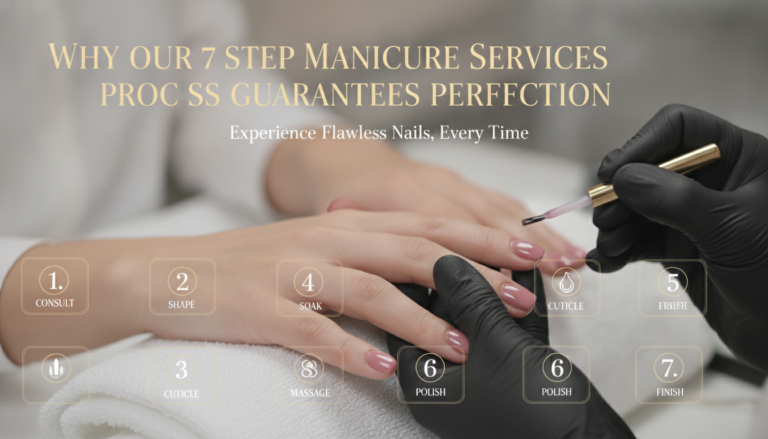 Why Our 7 Step Manicure Services Process Guarantees Perfection