

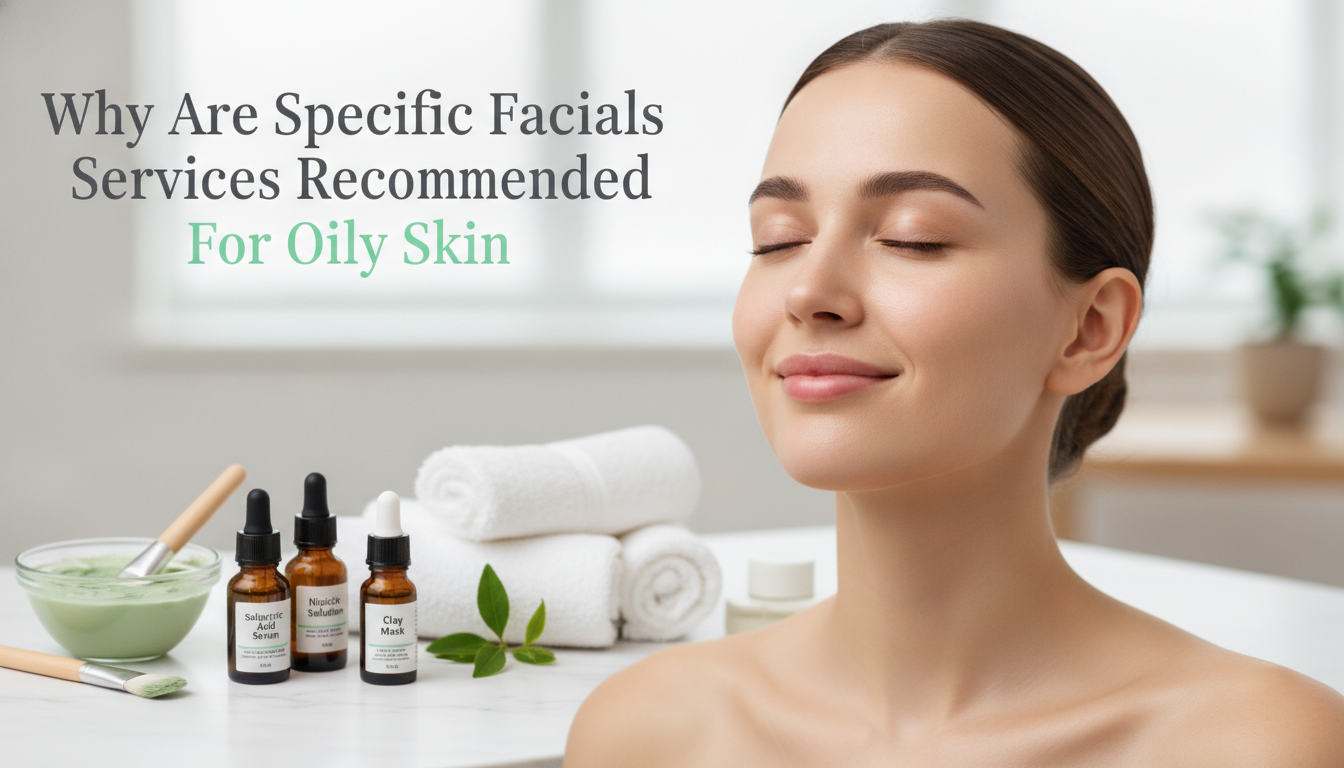
If you have oily skin, you already know the drill — the midday shine, the clogged pores, the breakouts that seem to appear out of nowhere. Managing oily skin takes more than just washing your face twice a day. Specific facial services recommended for oily skin exist for a reason: they work with your skin’s biology, not against it. Understanding why these treatments are different — and what they actually do — can make a real difference in how your skin looks and feels long-term.
What Makes Oily Skin Different in the First Place?
Oily skin is caused by overactive sebaceous glands that produce more sebum than the skin actually needs. Sebum itself isn’t bad — it’s your skin’s natural moisturiser and protective barrier. The problem starts when there’s too much of it.
Excess oil mixes with dead skin cells and environmental debris, settling into pores and creating blockages. Left untreated, those blockages become blackheads, whiteheads, and eventually inflamed acne. The skin can also appear thicker, with a consistently shiny or greasy texture.
In a city like Abuja, oily skin faces extra challenges. Heat and humidity accelerate sebum production, and the dusty harmattan winds from November through February don’t help either — they strip the skin’s surface moisture while leaving pores vulnerable to debris. Add daily commutes through FCT traffic, the stress of a busy professional schedule, and the cumulative effect becomes visible on your skin.
Why Standard Facials Don’t Always Work for Oily Skin
Not all facials are created equal. A hydrating facial designed for dry or mature skin may actually make oily skin worse by adding occlusive ingredients that trap sebum. The wrong products, the wrong pressure, the wrong techniques — all of it can aggravate rather than improve the condition.
Oily skin needs treatments that balance oil production, thoroughly clear congested pores, and support healthy cell turnover — without stripping the skin to the point where it overcompensates by producing even more oil. That balance is exactly what specifically formulated facial treatments for oily skin are designed to achieve.
The Overcompensation Problem
Here’s something that surprises many people: harsh treatments that dry out oily skin can actually make it oilier. When the skin’s natural oils are stripped too aggressively, the sebaceous glands respond by producing even more sebum. A well-designed facial for oily skin will cleanse thoroughly while preserving the skin’s natural equilibrium.
Specific Facial Services Recommended for Oily Skin — and Why They Work
There are several treatment types that consistently deliver results for oily and acne-prone skin. Each one targets a different part of the problem, which is why a skilled therapist may recommend a combination approach rather than a single treatment in isolation.
Deep Cleansing Facials
This is the foundation. A deep cleansing facial goes beyond surface-level cleansing to remove the build-up of oil, dirt, and dead skin cells that a daily face wash simply can’t reach. The process typically involves steam to open pores, followed by extraction of blackheads and congestion, and finishes with a pore-tightening mask.
For most people with oily skin, booking a deep cleansing facial every four to six weeks aligns with the skin’s natural renewal cycle — roughly 28 to 30 days. This regular rhythm prevents blockages from building up between sessions.
Chemical Exfoliation Treatments
Chemical peels and enzyme-based exfoliation treatments use acids — most commonly salicylic acid (BHA) or lactic and glycolic acids (AHAs) — to dissolve the bonds between dead skin cells and encourage faster cell turnover. Salicylic acid is particularly effective for oily skin because it is oil-soluble, meaning it can penetrate the inside of pores to break down the sebum and debris causing blockages.
A light salicylic peel carried out by a trained therapist is very different from an at-home exfoliant. The concentration, application technique, and aftercare all affect the outcome. Done professionally, these treatments can visibly reduce pore size, smooth texture, and control oil production over a course of sessions — typically four to six treatments spaced two to three weeks apart.
Clay and Mud Mask Treatments
Clay has been used in skincare for centuries, and there’s solid reasoning behind its continued use. Kaolin and bentonite clays draw out impurities and excess oil from within the pore, absorbing sebum without damaging the surrounding skin. A professional clay mask treatment — especially one combined with galvanic or high-frequency technology — delivers deeper results than anything you’d achieve at home.
High-frequency devices, used by trained therapists, emit gentle electrical currents that kill acne-causing bacteria, reduce inflammation, and stimulate circulation. Combined with a clay mask, the effect on oily, congested skin is genuinely noticeable after just one session.
Microdermabrasion
Microdermabrasion uses controlled mechanical exfoliation — either fine crystals or a diamond-tipped wand — to buff away the outermost layer of dead skin cells. For oily skin, this treatment helps unclog pores, smooth out the surface texture, and reduce the appearance of enlarged pores over time.
It’s also an effective way to address post-acne marks, which are common in people with oily and breakout-prone skin. A course of six sessions, scheduled every two to three weeks, is a commonly recommended starting point for visible improvement.
LED Light Therapy
Blue LED light therapy has strong clinical support for its antibacterial effects on acne-causing bacteria, specifically Cutibacterium acnes (formerly known as Propionibacterium acnes). Unlike UV light, LED therapy is non-damaging to the skin and can be used as a standalone treatment or layered onto a facial session.
For active breakouts on oily skin, blue light therapy is particularly valuable because it targets the source of bacterial acne without irritating already-sensitised skin. Many clients with oily, acne-prone skin benefit from incorporating LED therapy into their monthly routine.
The Role of Professional Products in Oily Skin Facials
The products used during a professional facial matter as much as the technique. At a reputable salon and spa, treatments are carried out using certified, clinically formulated products — often organic, cruelty-free, and free from unnecessary fillers that can clog pores further.
For oily skin specifically, look for treatments that use non-comedogenic formulations — meaning they’re designed not to block pores. The use of locally sourced organic ingredients can also make a difference, as fewer synthetic additives mean less risk of reactive ingredients triggering additional oil production or inflammation.
Why Product Quality Changes the Outcome
A facial carried out with cheap or unsuitable products can leave oily skin worse off than before. Professional-grade products are formulated at concentrations that produce real change in the skin — not just temporary surface effects. When you’re booking a facial for oily skin, it’s worth asking what products are used and whether they’re appropriate for your skin type.
How Often Should People with Oily Skin Get Facials?
The general benchmark for oily and combination skin is once every four weeks. This aligns with the skin’s natural cycle of renewal and prevents congestion from becoming severe between visits. For people managing active acne, a therapist may recommend more frequent sessions initially — sometimes every two weeks — until the skin stabilises.
In Abuja, seasonal factors shift this slightly. During harmattan season, when dry winds cause the skin to compensate with extra oil production, increasing facial frequency or adjusting the treatment type makes sense. Equally, the rainy season humidity can intensify sebum production, making consistent professional treatment even more valuable.
For busy professionals in the FCT — and Abuja has plenty of them — the practical advantage of a spa that operates 24/7 is significant. Being able to book a facial before a long day or after a late evening event without rearranging your schedule entirely is the kind of flexibility that keeps people consistent with their skincare routines.
What to Expect Before, During, and After a Facial for Oily Skin
Before Your Appointment
- Avoid using active exfoliants (retinol, AHAs, BHAs) for 48 hours before your session
- Come with a clean face if possible, or let your therapist know what products you applied that morning
- Be honest about any breakouts, sensitivities, or recent treatments — this helps your therapist customise the session
During the Treatment
A professional therapist will begin with a skin analysis to identify congestion patterns, assess sebum levels, and determine which techniques will be most effective. For oily skin, expect steam, thorough cleansing, extractions if appropriate, a targeted mask, and a finishing serum or moisturiser suited to your skin type.
The full session typically runs between 60 and 90 minutes, depending on the treatment chosen. Don’t be surprised if your skin looks slightly red or flushed immediately after — this is normal and usually subsides within a few hours.
After Your Facial
- Avoid wearing heavy makeup for at least 12 to 24 hours post-treatment
- Keep sun exposure minimal for 48 hours, especially after chemical exfoliation
- Resist the urge to pick at any purging spots — your skin needs time to settle
- Use a gentle, non-comedogenic moisturiser even if your skin feels oily — hydration supports skin barrier function
Oily Skin and Abuja’s Lifestyle — A Real-World Picture
Oily skin isn’t just a cosmetic concern in Abuja — it’s a daily reality shaped by climate, lifestyle, and environment. The city’s heat can push sebum production into overdrive by mid-morning. Office air conditioning swings the pendulum the other way, creating a cycle of fluctuating skin conditions throughout a single day.
Wedding and event culture in the FCT is another factor worth noting. With major celebrations happening across the calendar, looking your best for a Lekki wedding guest appearance, an Aso-Ebi outfit, or a work gala becomes a genuine motivation for regular skin maintenance. Facials for oily skin, done consistently, mean you’re not scrambling for a last-minute fix before a big occasion.
A professional facial six weeks out, followed by a lighter maintenance session two weeks before an event, is a realistic plan that many people in Abuja follow — especially those who’ve learned that oily skin responds best to ongoing care rather than one-off treatments.
Frequently Asked Questions
What type of facial is best for oily skin?
Deep cleansing facials and salicylic acid-based chemical peels are generally the most effective starting points for oily skin. They target the root causes — congested pores and excess sebum — rather than just the surface. The best option depends on your skin’s current condition, so a consultation with a qualified therapist will help identify the right approach for you.
Can facials make oily skin worse?
Yes, if the wrong treatment or products are used. Facials designed for dry or mature skin can introduce heavy oils or occlusive ingredients that worsen congestion. This is why it’s important to book with a therapist who assesses your skin properly and uses formulations suitable for oily skin types.
How long before I see results from facials for oily skin?
Many people notice some improvement after a single session — reduced shine, smaller-looking pores, and a clearer overall appearance. However, consistent results typically develop over a course of three to six treatments. Skin conditions like persistent acne or enlarged pores improve more significantly with ongoing professional care rather than a single visit.
Do I need to book in advance at Luxor Salon and Spa?
Booking in advance is recommended, especially during busy periods. Luxor operates 24/7 across both branches, giving you flexibility with timing, but securing your preferred slot ahead of time ensures you get the specific treatment and therapist availability you need. You can book online or contact either branch directly.
Which Luxor branch should I visit for an oily skin facial?
Both branches offer professional facial treatments for oily skin with the same standards of care. The Maitama branch at 56 Usuma Street, Off Gana Street, is ideal if you’re based in or near the northern districts of Abuja. The Wuse 2 branch at 792b Adetokunbo Ademola Crescent is convenient if you’re closer to the city’s commercial centre. Choose whichever works best for your schedule and location.
Bringing It All Together
Oily skin isn’t something to manage with harsh products and hope. It responds well to the right professional care — targeted treatments that clean thoroughly, balance sebum production, and support the skin’s natural renewal process without stripping it bare. The facial services specifically recommended for oily skin exist because they are built around how oily skin actually behaves, not how we wish it would.
Whether you’re dealing with persistent congestion, active breakouts, or simply a shine that reappears by noon, consistent professional treatment makes a measurable difference. Regular facials, the right product formulations, and a therapist who understands your skin type are the most practical investments you can make in long-term skin health.
Luxor Salon and Spa has been providing professional skincare services since 2013, with a commitment to eco-friendly, cruelty-free, and locally sourced organic products. With two conveniently located branches in Abuja and 24/7 operating hours, getting started has never been easier.
Ready to take the next step? Reach the Maitama branch at moc.apsdnanolasroxul@ofni or call (+234) 701 888 0102. For the Wuse 2 branch, contact moc.apsdnanolasroxul@2esuw or call (+234) 701 888 0100. You can also book online at any time — we’re open 24/7 and happy to help you find the right treatment for your skin.
Luxor Spa Salon | Best Spa & Wellness Center in Abuja Home
Related Posts
 Which Deep Cleansing Facials Services Is Recommended For Blackheads
 What Makes Our Microdermabrasion Facials Services So Effective
 When To Combine Your Facials Services With A Chemical Peel
 Which Facials Services Brightens Dull Skin Immediately
 7 Signs Your Skin Needs An Immediate Hydrating Facials Services
 Which Facials Services Is Best For Improving Skin Elasticity
 Why Our Facials Services Are Designed For All Abuja Skin Types
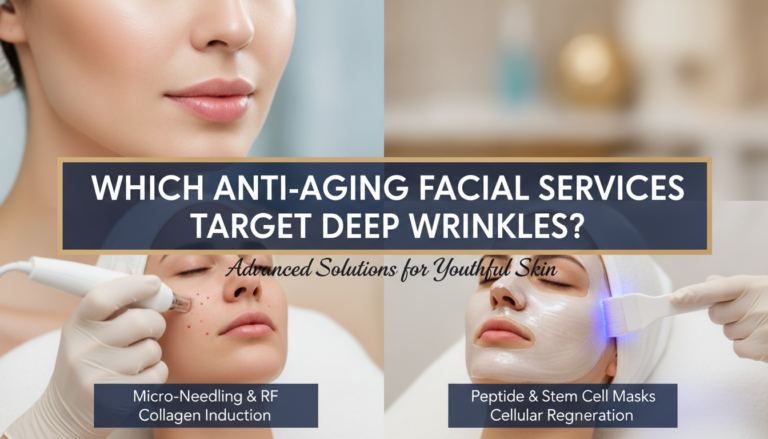 Which Anti Aging Facials Services Targets Deep Wrinkles