

A professional scalp treatment addresses the root causes of scalp discomfort, flaking, excess oil, and slow hair growth by cleansing the follicle environment, balancing sebum production, and improving circulation — all before a single strand of hair is ever styled. If you have been struggling with a dry, itchy scalp in Abuja’s harmattan months or dealing with product build-up under a protective style during the rainy season, a properly administered scalp treatment at a trained salon is one of the most effective things you can do for long-term hair health.
Why Scalp Health Matters More Than Most People Realise
The scalp is skin — living, breathing skin with follicles, sebaceous glands, and a microbiome that responds to climate, product choice, diet, and stress. Most clients in Abuja walk in focused on their ends: frizz, breakage, shine. The scalp conversation often comes later, usually when something has gone wrong. That order needs to be reversed.
Healthy hair grows from a healthy follicle environment. When the scalp is blocked with product residue, inflamed from tight protective styles, or stripped dry by harmattan winds and low humidity, the follicle is working against itself before it has even started. A professional scalp treatment clears that environment and gives your hair the best possible conditions from the ground up.
What Harmattan Does to Your Scalp
Between November and February, Abuja’s humidity drops sharply as Saharan dust moves in. You feel it on your lips, your elbows, your heels — and your scalp feels it too. The natural moisture barrier that keeps your skin supple is challenged by this dryness, and for type 4A–4C textures especially, a scalp that was manageable in September can become tight, flaky, and itchy by December. Routines that worked perfectly in the rainy season simply do not hold up.
Many clients interpret harmattan flaking as dandruff and reach for the nearest anti-dandruff shampoo, which often strips the scalp further. A proper assessment at a trained salon distinguishes between dry scalp (a moisture issue) and seborrhoeic dermatitis (a condition that may need a dermatologist’s input). Treating them the same way makes one of them worse.
What the Rainy Season Brings Instead
From April to October, the challenge flips. Humidity-driven frizz is well known, but less discussed is what happens under a wig or a long-term protective style when sweat sits against the scalp for weeks. Product build-up accumulates. The scalp’s natural bacteria balance shifts. You may notice a sour smell before you notice any visual change — and by that point, the follicles are already working under stress.
A professional scalp treatment mid-way through a long protective style is not a luxury; it is maintenance. Think of it the way you think about a car service — you do it before breakdown, not after.
What a Professional Scalp Treatment Actually Involves
The word “treatment” covers a lot of ground. What distinguishes a professional scalp treatment from washing your hair at home is the structured sequence — assessment, targeted application, mechanical stimulation, and aftercare guidance — delivered by someone trained to read what they see rather than apply a generic protocol.
Step One: The Consultation
Before anything is applied to your scalp, a therapist will ask about your recent hair history: what products you use, how long your current style has been in, whether you are relaxed or natural, how often you wash, and whether you have noticed any tenderness, thinning, or unusual shedding. This is not small talk. The answers change what gets used on you.
For clients using locs, frontals, or full-sew-in styles, the consultation also covers access — how the scalp can be reached without disturbing the style — and whether the style itself is a contributing factor to any tension or traction stress around the hairline.
Step Two: Scalp Analysis
A visual or tool-assisted scalp analysis identifies whether the scalp is dry, oily, combination, or sensitised, whether there is visible product build-up or flaking, and whether there are any areas of concern — such as thinning edges or inflamed follicles — that warrant caution. If anything looks beyond the cosmetic, a good therapist says so plainly and refers you to a dermatologist. Persistent hair loss, suspected ringworm, or scalp sores are medical concerns, not salon concerns, and honest guidance here matters.
Step Three: Clarifying Cleanse
A clarifying shampoo removes the layer of build-up — old product residue, dry sebum, environmental dust — that regular shampoos often do not fully address. This step is particularly important for clients coming off a long harmattan season or a multi-week protective style. The clarifying product is applied to the scalp (not the length) and massaged in with the pads of the fingers, not the nails, to avoid micro-abrasions on an already sensitised scalp.
Step Four: Targeted Treatment Application
Depending on what the analysis revealed, the treatment applied at this stage might focus on deep hydration, sebum regulation, follicle stimulation, or a combination of all three. Formulations vary — some use plant-based actives, some include exfoliating compounds to loosen flaking skin — and the choice should be matched to your scalp type, not simply to what the salon has in stock. This is where trained therapists earn their salt: the same active ingredient that calms an inflamed scalp can irritate a healthy one if applied unnecessarily.
Step Five: Scalp Massage
Scalp massage improves local circulation, which supports the delivery of oxygen and nutrients to the follicle. It also reduces tension in the scalp fascia — something clients who wear tight styles regularly, or who carry significant stress (ask any Abuja civil servant approaching a federal budget period), often find immediately noticeable. A firm, rhythmic massage using the fingertips covers the entire scalp from nape to frontal hairline, paying particular attention to the temples and the crown where tension tends to accumulate.
Step Six: Steam or Heat Application
Depending on the treatment formulation, gentle steam or a heat cap is used to help active ingredients penetrate more effectively. This phase typically lasts between 15 and 30 minutes in most professional settings. It is also, frankly, the part where most clients stop talking and start relaxing.
Step Seven: Rinse and Follow-Up Conditioning
The treatment is thoroughly rinsed before a conditioner appropriate to your hair type is applied — not to the scalp this time, but to the lengths and ends. For low-porosity hair (common in tightly coiled type 4 textures), the follow-up conditioner is chosen carefully: low-porosity strands resist moisture uptake, and heavy creams applied at the wrong stage simply sit on the cuticle rather than penetrating it.
A Realistic Timeline: Planning Your Scalp Treatment Programme
A single scalp treatment will leave your scalp cleaner and more comfortable immediately. But if you are dealing with a persistent issue — chronic dryness, recurring flaking, sluggish growth, or a hairline that has been retreating — one session is a start, not a solution. Here is a realistic timeline for managing scalp health across a full season:
- First visit: Full consultation, scalp analysis, and introductory treatment. This session establishes your baseline — what your scalp’s current condition is and what has contributed to it.
- 2–3 weeks later: Follow-up treatment to assess response and adjust the protocol if necessary. Some scalps normalise quickly; others need a different active or a longer stimulation phase.
- 4–6 week rebooking window: For maintenance, most trained therapists recommend a professional scalp treatment every four to six weeks — roughly aligned with your wash and restyle cycle. This is not arbitrary; it corresponds to the natural shedding and renewal cycle of scalp skin.
- Seasonal recalibration: As harmattan arrives, your at-home products and your in-salon treatment formulation may both need to shift. Book a reassessment in November before the worst of the dryness sets in, rather than in January when the damage is already done.
If you are working toward a specific event — a traditional ceremony, a white wedding, a December owambe — give yourself at least eight weeks of consistent scalp treatment before the day. Your hair’s condition on the morning of your event reflects weeks of cumulative care, not the single appointment the night before.
A Scenario: The Professional Who Cannot Get to the Salon by Six
Consider someone working in one of Abuja’s federal ministries near the Central Business District. Her day starts before 7am and rarely ends before 6pm, and Friday evening traffic on the AYA corridor can add another hour to a commute she already endures every day. She has been meaning to address her dry, flaky scalp for three months, but every time she plans a Saturday appointment, something — an event, a family commitment, a last-minute work emergency — derails it.
This is exactly the kind of situation where 24/7 access to a salon is not a marketing headline but a functional answer. A 7pm appointment after she has cleared her desk, or a 10pm slot after a dinner engagement in Maitama, means the scalp treatment she has been postponing actually happens. The Maitama branch on Usuma Street, close to the embassy belt, is likely the more convenient stop for her on the way home from the central district. If she works in the Wuse 2 commercial hub, the branch on Adetokunbo Ademola Crescent is just as reachable. Either way, she is not rescheduling again.
Once she has had her consultation and the therapist has mapped out a programme, she can book online for subsequent sessions at whatever hour works — without needing to call during office hours.
What to Do Between Appointments: Scalp Treatment Aftercare
What you do at home between professional sessions determines how much of the benefit carries forward. An honest aftercare sequence looks like this:
- First 24 hours: Avoid applying heavy oils or creams directly to the scalp immediately after treatment. The follicles are open and responsive; let the actives from the treatment do their work without introducing competing ingredients.
- First week: Wash your scalp with a sulphate-free or gentle shampoo — not a heavy clarifying shampoo, which is a salon-use tool, not a daily product. Massage the scalp gently with the pads of your fingers each time you wash. This sustains circulation between sessions.
- Weeks two and three: Monitor your scalp. If you are in a protective style, check access points for any unusual tenderness or itching. Use a lightweight scalp oil — one drop at the parting, not a general pour — and avoid anything unregistered. NAFDAC-registered products have been assessed for safety; an unregistered scalp product, particularly one making aggressive claims about growth acceleration, may contain concentrations of actives that irritate rather than help.
- Week four to six: Book your next appointment. This is not optional if you want sustained results — it is the rhythm the programme depends on.
Frequently Asked Questions About Scalp Treatments in Abuja
Which Luxor branch should I visit for a scalp treatment?
Both branches — the Maitama branch at 56 Usuma Street and the Wuse 2 branch at 792b Adetokunbo Ademola Crescent — offer the full range of scalp treatment services. If you work or live closer to the embassy belt or the Maitama district, the Usuma Street branch is your most practical choice. If you are in or around the Wuse 2 commercial hub, the Adetokunbo Ademola Crescent location saves you the cross-town drive. Both are open 24/7, which means your schedule, not geography, is the primary factor.
How often should I book a scalp treatment?
For most clients, every four to six weeks aligns well with the scalp’s natural renewal cycle and with typical restyle intervals. If you are dealing with a specific concern — persistent dryness, thinning edges, or post-protective-style build-up — your therapist may recommend more frequent sessions initially, then space them out once the scalp has stabilised. One session is a starting point, not a cure.
Do I need to book in advance for a weekend or late-night appointment?
Weekend slots, particularly Saturday mornings and Friday evenings, fill quickly — especially around owambe season, December returnee periods, and the weeks leading up to Eid and Christmas. Advance booking is strongly recommended for those windows. That said, because Luxor operates 24/7, you have genuine flexibility on timing: a Sunday midnight slot or a Monday 5am appointment is available in a way that a standard salon cannot offer. Booking in advance still protects your preferred time.
Is a scalp treatment suitable for natural, low-porosity type 4 hair?
Yes — in fact, it is particularly beneficial for tightly coiled textures, which are more prone to product build-up and dryness at the scalp due to the difficulty of sebum travelling down the curl shaft. The formulation and approach will be adjusted based on your hair type during the consultation. Low-porosity hair requires specific product choices to ensure actives actually penetrate rather than sit on the surface, and a trained therapist will account for this.
What if my scalp treatment reveals something that looks like more than a product build-up issue?
This happens, and it is important to say directly: not everything on a scalp is a salon concern. Persistent hair loss beyond normal shedding, suspected scalp infections, inflamed or painful follicles, or lesions that do not respond to gentle care should be assessed by a dermatologist, not treated with salon products. A responsible therapist will tell you this clearly and refer you onward. Luxor’s role is to support healthy hair and scalp — not to manage medical conditions.
Making Scalp Health a Consistent Part of Your Routine
A professional scalp treatment is not a one-time fix or a seasonal reset — it is the foundation of a hair care routine that actually produces results over time. Whether you are managing harmattan-related dryness, dealing with the aftermath of a long protective style, preparing for a major event, or simply trying to understand why your hair growth has plateaued, a properly sequenced, therapist-led scalp treatment gives you accurate information and targeted care that an at-home wash cannot replicate.
The most important thing is consistency. Book the first appointment, have the consultation, and let the programme be built around your actual scalp — not a generic one. From there, the four-to-six-week rhythm takes care of the rest.
Book Your Scalp Treatment at Luxor Salon and Spa
Luxor Salon and Spa has been operating in Abuja since 2013, with two branches positioned to serve the whole city. Whether you are coming from the Maitama side or the Wuse 2 corridor, one branch is close. Both are open 24 hours a day, seven days a week — so whether you need a 6am appointment before an early federal ministry brief or a 10pm session after an evening event, you are not waiting until a more convenient time that may never arrive.
To secure your preferred slot, schedule your appointment here. You can also reach the branches directly — Maitama at moc.apsdnanolasroxul@ofni or (+234) 701 888 0102, and Wuse 2 at moc.apsdnanolasroxul@2esuw or (+234) 701 888 0100. Early, late, or any hour in between — your scalp does not keep office hours, and neither do we.
Related Posts
 Why Are Specific Facials Services Recommended For Oily Skin
 Which Deep Cleansing Facials Services Is Recommended For Blackheads
 When Is The Best Time For A Deep Exfoliating Facials Services
 How To Achieve A Long Lasting Glow With Our Facials Services
 Which Anti Aging Facials Services Targets Deep Wrinkles
 Why Our Customized Facials Services Provide Better Results Than Standard Ones
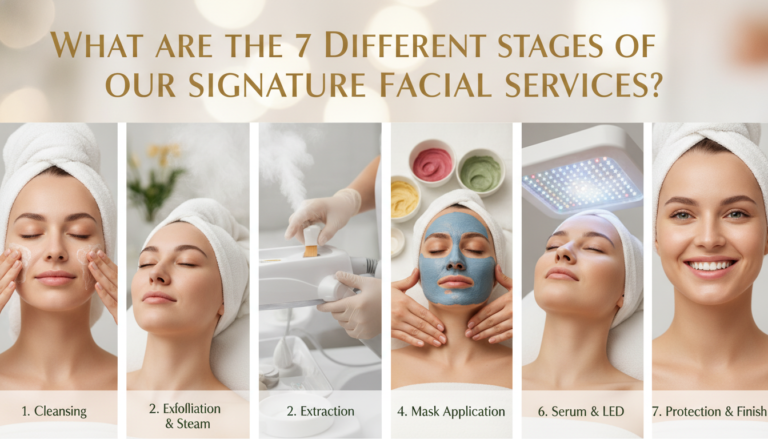 What Are The 7 Different Stages Of Our Signature Facials Services
 When To Schedule A Coupleʼs Massage Services And Facials Services Day