

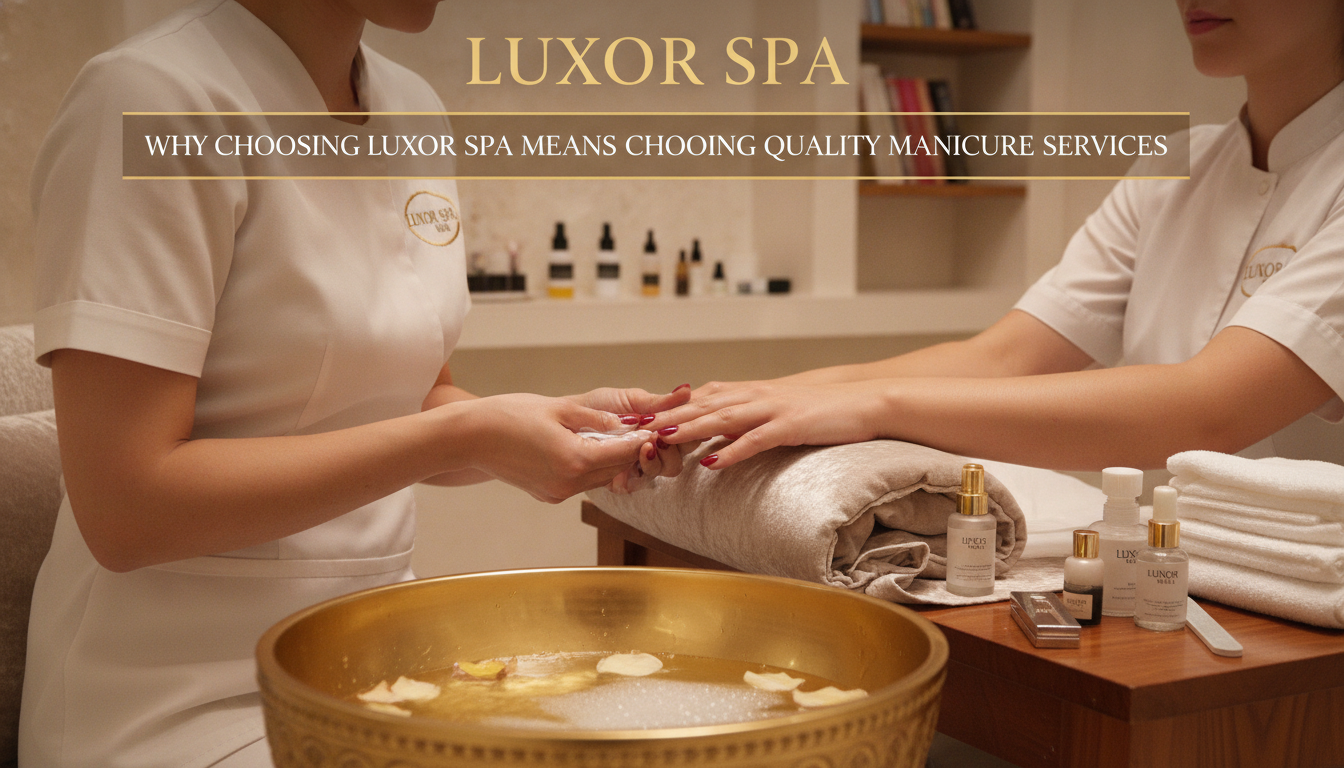
A gel manicure in Abuja gives you chip-free, glossy nails that last two to three weeks without the daily touch-ups that regular polish demands — and when it is done correctly, with properly sterilised tools and a careful application process, it should leave your natural nails in good condition underneath. The process involves a base coat, two or more layers of gel polish, and a top coat, each cured under an LED lamp. What separates a good gel manicure from a damaging one is almost entirely in the preparation, the removal, and the hygiene standards the salon maintains throughout.
Why Gel Manicures Make Sense for Abuja Life
If you have ever left a salon with a fresh coat of polish and watched it chip before you reached the AYA roundabout, you already know why gel appeals. Abuja’s pace — the morning runs along Airport Road, the back-to-back meetings in Maitama, the owambe weekends that stretch into Sunday — does not give nails time to chip quietly and be ignored. They are in every photograph, on every hand extended across a meeting table, and gel polish simply holds up to that schedule in a way that regular lacquer cannot.
There is also the harmattan factor. Between roughly November and February, the dry Saharan air pulls moisture from everything — your skin, your cuticles, the seal around your nail edges. A well-applied gel manicure creates a harder, more sealed surface that resists the brittleness and peeling that harmattan accelerates. Your cuticle care during that period matters more than at any other time of year, and a professional treatment that conditions the nail bed and surrounding skin makes a real difference to how your hands look through December’s event season.
What Actually Happens During a Gel Manicure at Luxor
The Consultation and Nail Assessment
Before any product goes on, a therapist will assess the current condition of your nails. This is not a formality. If there are signs of fungal infection — discolouration, thickening, or separation of the nail plate from the bed — the responsible answer is to refer you to a dermatologist rather than apply gel over the problem. Gel is occlusive; it seals in what is already there, and applying it over an infection makes things worse, not better.
The consultation also covers your nail shape preference, the condition of your cuticles, and whether you have had any reaction to gel products before. If you have sensitive skin or a history of contact dermatitis, your therapist will note this before reaching for any brush or lamp.
Preparation: The Step That Decides Everything
Proper nail preparation is where the quality of a gel manicure is won or lost. The sequence matters:
- Shape and file. Nails are shaped with a fresh disposable file — single-use files eliminate the cross-contamination risk that comes from reusing abrasives between clients.
- Cuticle work. Cuticles are softened, gently pushed back, and tidied. Cutting live tissue aggressively is unnecessary and creates entry points for bacteria.
- Surface preparation. The nail plate is lightly buffed to create adhesion, then dehydrated and primed so the base coat bonds cleanly. This step is critical to longevity — skipping it is why some gel manicures lift at the edges within days.
- Cleanse. Any dust or oil is removed before the first coat is applied.
Application and Curing
The base coat goes on thin — flooding the cuticle line is the fastest way to cause lifting and peeling — and is cured under an LED lamp. Colour coats follow in the same way, thin and even, cured after each layer. Two colour coats is standard; deeper or more opaque shades may need three. The top coat seals everything and is also cured, giving you that hard, glassy finish that does not dent when you reach into your bag ten minutes later.
The total time on the chair, including the hand soak and cuticle work, typically runs between 45 minutes and an hour and a half depending on nail length, nail art, and your starting condition. Intricate nail art — the kind that suits a traditional ceremony or a white wedding — adds to that time and benefits from being booked with more notice.
Hygiene Standards: What to Look for in Any Salon
This section matters wherever you book in Abuja, not only at Luxor. The risk of fungal nail infection, folliculitis, and in rare cases bloodborne transmission from shared implements is real and under-discussed. When you sit down for a manicure, these are the standards you should expect to see:
- Metal tools — nippers, pushers, nail clippers — should arrive from an autoclave or in sealed sterilised packaging, not simply wiped with a cloth between clients.
- Files, buffers, and orangewood sticks should be single-use and disposed of after your service, not placed back in a shared tray.
- Gel products should be decanted into individual pots where possible, or the brush should not double-dip into a shared container after touching your nails.
- The LED lamp should be wiped between clients.
- The therapist should wash hands or use sanitiser visibly before beginning.
These are not luxury extras — they are basic infection-control standards. A salon operating since 2013 and open 24/7 builds its reputation on repeat clients, and repeat clients come back when they leave healthier than they arrived.
Gel Manicure Aftercare: The First Week and Beyond
How long your gel manicure lasts depends as much on what you do after you leave the salon as on what happened during the appointment. Here is a realistic aftercare sequence:
First 24 hours: Avoid prolonged soaking in water — dishes, laundry, long baths. The gel needs a full cure cycle before the seal at the edges is truly set. Apply cuticle oil that evening and again in the morning.
Days two to seven: Use gloves for cleaning and washing up. Dry harmattan air will pull moisture from your cuticles and the skin around your nail edges; apply hand cream and cuticle oil daily, working it into the edges of the gel. This also prevents the lifting that starts at the skin-gel interface when everything dries out.
Weeks two to three: Most gel manicures look their best through the second week. By week three you will see regrowth at the base of the nail, which is normal. Do not attempt to peel or pick the gel free — this strips layers from your natural nail plate and is the single most common cause of thin, damaged nails after gel wear.
Four to six weeks (rebooking window): Book your removal and reapplication before the three-week mark if you want to maintain a seamless look. If you are giving your nails a break, come in for a professional soak-off followed by a nourishing treatment to restore the nail bed.
A Realistic Scenario: The December Wedding Guest
It is the first week of December. You have a traditional ceremony on the 14th, a white wedding reception on the 21st, and two owambe Saturdays in between. You want your nails to look deliberate and put-together in every photograph without booking four separate appointments through one of the busiest months Abuja sees.
The sensible approach: book a gel manicure appointment in the last week of November — say, the 28th or 29th. This gives your nails time to settle and any minor edge lifting to be corrected before the events begin. By the 14th your manicure is in its second week, still looking sharp. You return around the 21st for a colour change or a fresh full set ahead of the white wedding reception, depending on whether you want to match a different aso-ebi. The gel from the second appointment carries you cleanly through the rest of the month without a third visit.
If your schedule is unpredictable — as it almost always is in December — Luxor’s 24/7 hours at both branches mean you can book a 7am appointment before the office on a Tuesday, or slot in at 9pm after a dinner. This is not a gimmick. The Airport Road run is brutal on a Friday afternoon; a Saturday morning appointment at the Wuse 2 branch or a late Sunday slot at Maitama is a genuine solution to a genuine scheduling problem.
Gel Manicure Tips for Natural Nails and Type 4 Textures
This is worth addressing directly because the question comes up often. If your nails are naturally thin, low-density, or prone to peeling — which is common among women whose hair is also type 4A–4C and tends toward dryness and brittleness — gel can be worn safely provided the application is thin, the removal is done correctly every time, and you are not wearing gel continuously without any recovery period.
Harmattan months are the time to be most attentive. The same drop in humidity that makes your scalp feel tight and your skin go ashy also affects your nail plate. Supplement your salon visits with daily cuticle oil and a hand cream that actually contains humectants — ingredients that pull moisture into the skin rather than simply sitting on top of it. Your therapist can advise you on what to look for when buying products; any cosmetic or skincare product used in a professional setting should carry NAFDAC registration, and the same standard applies to what you use at home. Unregistered creams — particularly lightening products — have been found to contain mercury and banned concentrations of hydroquinone, which cause long-term skin damage. Check the label before anything goes on your skin.
Which Branch Should You Book, and When?
If you work or live on the Maitama side of the city — or you are based near the embassy belt and want to roll a nail appointment into a morning before a diplomatic function — the Maitama branch on Usuma Street is the practical choice. If your day centres on Wuse 2, the Central Business District corridor, or you are coming from Wuse Market or the Adetokunbo Ademola axis, the flagship location in Wuse 2 saves you the crossing.
Either branch can accommodate early appointments before the Abuja morning traffic builds, late evening appointments after events, and weekend bookings through the December and Sallah peaks. If you know your date, book online so your slot is confirmed before the rush — both branches fill quickly on Fridays and Saturdays from November through January.
Frequently Asked Questions
Which Luxor branch is better for a gel manicure?
Both branches offer the same service standards and hygiene protocols. The practical question is which side of Abuja you are on. The Maitama branch on Usuma Street is convenient for the embassy belt, Asokoro, and the northern residential districts. The Wuse 2 branch on Adetokunbo Ademola Crescent works better if your day is centred on the commercial hub or the CBD. Pick whichever cuts your journey rather than adds to it.
Do I need to book in advance for a Saturday gel manicure appointment?
Yes, particularly between October and January when event bookings run high. Saturdays fill quickly at both branches, and during the December returnee season and aso-ebi weekends, walk-in availability is not guaranteed even with 24/7 hours. Booking two to three days ahead is realistic for most Saturdays; a week ahead is safer during December peaks.
How long does a gel manicure last on natural nails?
Two to three weeks is the realistic range for most clients. Nails that grow faster, are exposed to a lot of water or cleaning products, or go through harmattan without daily cuticle oil may see lifting begin closer to the two-week mark. Maintaining the gel with cuticle oil and gloves during household tasks extends the life noticeably. Attempting to peel the gel rather than having it soaked off professionally shortens the lifespan of every subsequent application because it damages the nail plate.
Is gel safe for thin or damaged nails?
Gel can be worn on thin nails when the application is appropriately light and removal is always done via a proper soak-off rather than peeling or prying. The danger comes from consecutive applications without a recovery period and from aggressive over-buffing during preparation. If your nails are severely damaged or showing signs of infection — discolouration, thickening, or separation — see a dermatologist before booking any nail service.
What should I do differently during harmattan to protect my gel manicure?
Apply cuticle oil every morning and evening, not just occasionally. The sharp drop in humidity between November and February dries out the skin around the nail edges, which causes the gel to lift at the margin — this is the most common harmattan-related complaint. Use a rich hand cream on top of the oil, and wear gloves when doing dishes or laundry. If you notice lifting starting at the sides before your three-week rebooking window, come in for an edge repair rather than leaving it to peel further.
Keeping Your Nails in Good Shape All Year
A gel manicure done well — with proper preparation, sterilised tools, calibrated curing, and professional removal — is one of the more practical beauty investments for an Abuja schedule. It survives harmattan with the right aftercare, holds up through rainy-season humidity, and stays presentable through the owambe calendar without daily maintenance. The key is choosing a salon where the hygiene and technique standards are consistent, not just impressive on the first visit.
Luxor Salon and Spa has been operating in Abuja since 2013, with branches positioned so that whichever side of the city you are on, one of them is accessible. Both are open around the clock, which means your appointment can fit your actual life — early, late, or somewhere in between. To secure your preferred time, schedule your appointment here, or reach out directly to the branch nearest to you.
Maitama — 56 Usuma Street, Off Gana Street: moc.apsdnanolasroxul@ofni or (+234) 701 888 0102
Wuse 2 — 792b Adetokunbo Ademola Crescent: moc.apsdnanolasroxul@2esuw or (+234) 701 888 0100
Both branches are open 24 hours, seven days a week — including early mornings before the Abuja traffic builds and late evenings after your last commitment of the day.
Related Posts
 Why Luxor Spa Is The Go To For Comprehensive Wellness Services
 Why Our Signature Massage Services Are The Talk Of Abuja
 What Are The Must Try Wellness Services This Month At Luxor Spa
 Which Wellness Services Focuses Primarily On Detoxing The Body
 Which 7 Massage Services Types Are Offered Daily At Luxor Spa
 Which Manicure Services Style Is Trending In Abuja This Season
 7 Reasons Our Signature Manicure Services Is Highly Addictive
 7 Tips For Choosing The Right Wellness Services For Your Needs