

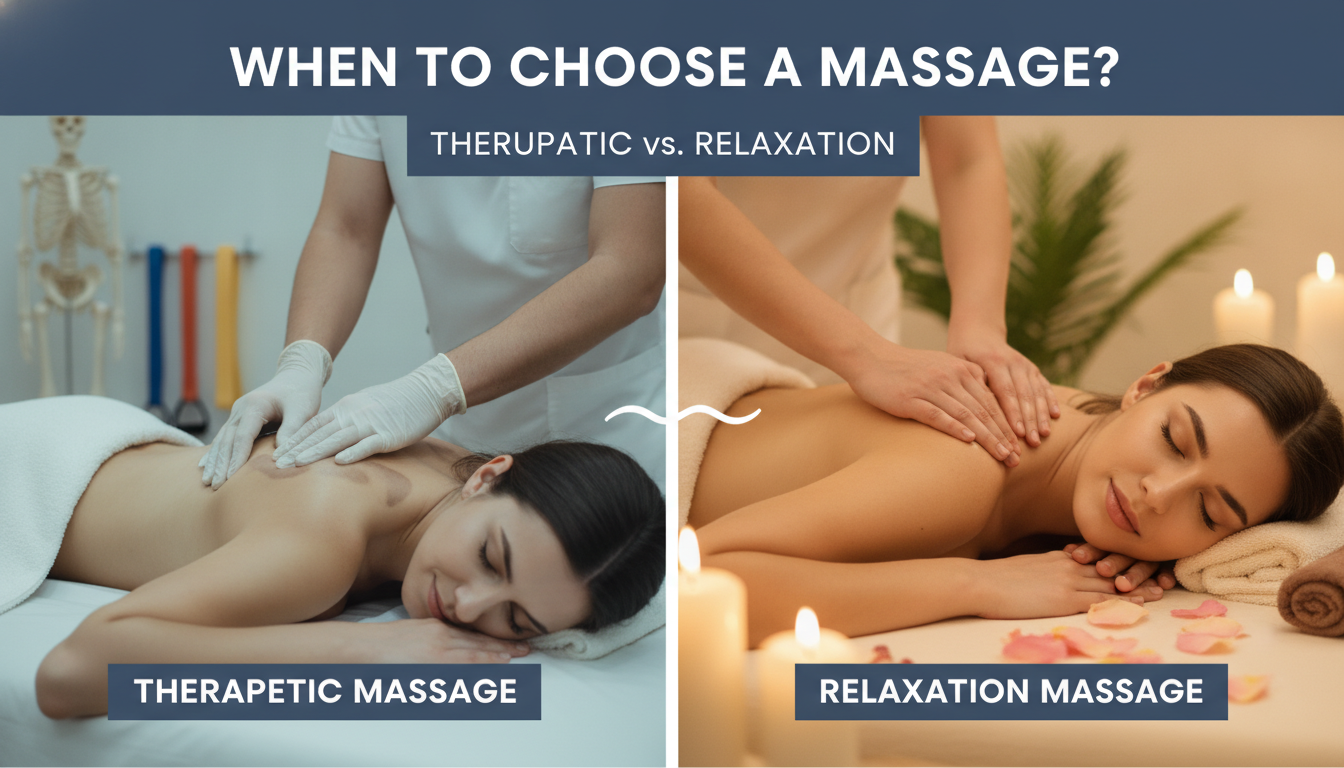
Choosing between therapeutic massage services and relaxation massage services can feel confusing if you’re not sure what each one is actually designed to do. Both involve skilled hands, a calm environment, and the undeniable benefit of lying down for an hour — but the similarities largely end there. The right choice depends on what your body is telling you, what you’re hoping to walk away with, and sometimes, what’s been going on in your life lately. Whether you’re a busy professional navigating Abuja’s notorious traffic every day or someone dealing with persistent neck pain from long hours at a desk, understanding the difference could genuinely change how you feel.
What Is the Difference Between Therapeutic and Relaxation Massage?
At its core, a relaxation massage — often called a Swedish massage — is designed to calm the nervous system, ease general tension, and leave you feeling light and restored. The pressure is gentle to moderate, the strokes are flowing and rhythmic, and the goal is overall wellbeing rather than treating a specific complaint.
Therapeutic massage, on the other hand, is outcome-driven. It’s used to address specific physical problems: chronic pain, muscle dysfunction, postural imbalances, sports injuries, or conditions like sciatica and frozen shoulder. Therapists working in this space often have additional training in techniques like deep tissue massage, myofascial release, trigger point therapy, or sports massage.
The session itself feels different too. Therapeutic massage can involve targeted pressure that’s uncomfortable in the moment — the kind of discomfort that makes sense when a therapist finds a knot you didn’t know was there. Relaxation massage rarely crosses that line.
Signs You Should Choose Therapeutic Massage Services
This is where most people get it wrong. They book a relaxation massage because it sounds more appealing, but they’re sitting with pain that actually needs clinical attention. Here’s when therapeutic massage is the right call.
You Have Persistent or Recurring Pain
If you’ve had lower back pain for more than a few weeks, or a shoulder that keeps seizing up no matter how much you stretch, that’s a signal your body needs more than relaxation. Chronic pain often involves adhesions, trigger points, or muscular compensation patterns that require deliberate, focused work to release.
A study published in the Annals of Internal Medicine found that massage therapy was an effective treatment for chronic low back pain — but the results were specifically linked to structured, outcome-focused sessions rather than general wellness massages. That distinction matters.
You’re Recovering From an Injury
Post-injury recovery — whether from a road traffic accident, a sports strain, or a work-related repetitive stress injury — requires massage that’s coordinated with the stage of healing. In the early inflammatory phase, aggressive work can actually slow recovery. But in the subacute and chronic phases, therapeutic massage can significantly improve tissue remodelling and restore range of motion.
If you’re recovering from something specific, always mention it to your therapist before your session. A well-trained therapist will adapt the approach based on where you are in the healing process.
Your Posture Is Causing You Problems
Long hours hunched over a laptop in an Abuja office — or sitting in traffic on the Airport Road for 90 minutes each way — creates predictable postural problems. Upper crossed syndrome, where the chest tightens and the upper back weakens, is incredibly common among desk workers. So is forward head posture, which puts enormous strain on the cervical spine.
Therapeutic massage can address these patterns directly by releasing the overactive muscles and helping retrain the body’s natural alignment. A relaxation massage might give you temporary relief, but it won’t resolve the root cause.
You Have a Diagnosed Condition
Conditions like fibromyalgia, plantar fasciitis, tension headaches, or TMJ dysfunction often respond well to therapeutic massage — but only when the therapist understands the condition and applies appropriate techniques. If you’ve been told by a doctor or physiotherapist that massage could help your condition, therapeutic massage is almost certainly what they’re referring to.
When Relaxation Massage Services Are Exactly What You Need
There’s a tendency to treat relaxation massage as somehow less serious or less valuable than therapeutic work. That’s simply not true. For many people, in many situations, a relaxation massage is precisely the right choice — and choosing therapeutic work when your body doesn’t need it can leave you feeling sore and overstimulated rather than restored.
You’re Dealing With Stress, Not Physical Pain
Stress is one of the most common reasons people seek massage in the first place. Abuja professionals — especially those working in government, finance, or the corporate sector — often carry enormous mental and emotional loads that manifest as general tension, fatigue, and a feeling of being permanently switched on.
A relaxation massage activates the parasympathetic nervous system, reducing cortisol levels and promoting a genuine state of calm. Research has shown that even a single 45–60 minute relaxation massage can measurably reduce cortisol and increase serotonin levels. You don’t need deep tissue pressure for this — in fact, too much intensity can counteract the calming effect.
You’re Preparing for a Special Occasion
Abuja’s vibrant wedding and events culture means that many people walk into a spa in the days leading up to a big occasion — a traditional ceremony, a corporate gala, or a birthday celebration. In this context, relaxation massage is the obvious choice.
The goal is to look refreshed, feel calm, and walk into the room glowing. A deep tissue session two days before your wedding might leave you with temporary soreness — exactly the opposite of what you want. A full body relaxation massage, paired with complementary body treatments, will do the job beautifully.
You’re Visiting as a Regular Maintenance Ritual
Some people book a massage every two to four weeks as part of their general self-care routine — not because anything is wrong, but because they’ve learned that consistent care prevents things from going wrong. For this purpose, alternating or sticking with relaxation massage is often ideal.
Think of it like servicing a car. You don’t wait until something breaks. Regular relaxation massage keeps the nervous system regulated, the muscles supple, and the mind clear.
How the Harmattan Season Affects Your Choice
Abuja’s harmattan season — typically running from November through February — brings dry winds, low humidity, and a particular kind of physical fatigue that many residents recognise immediately. Skin becomes dry and irritated, muscles feel stiffer in the cooler temperatures, and respiratory discomfort is common.
During this period, many people find that a combination approach works best: a relaxation massage with warm oils to address skin dryness and general fatigue, or a therapeutic session with some targeted work if the cold has aggravated an existing injury. Warming massage oils, particularly those with eucalyptus or camphor, can be especially effective for easing the muscular stiffness that harmattan weather tends to bring on.
It’s worth discussing seasonal concerns with your therapist when you book — a good spa will adapt the treatment accordingly.
How to Know Which One to Book: A Practical Guide
Still not sure? Here’s a simple way to think about it before you pick up the phone or fill in an online form.
- Do you have a specific pain, injury, or physical complaint? → Book a therapeutic massage.
- Are you stressed, overwhelmed, or just exhausted? → Book a relaxation massage.
- Are you recovering from surgery or a diagnosed condition? → Book a therapeutic massage and inform your therapist of your medical history.
- Is this a treat, a celebration, or a first-time experience? → Start with relaxation massage.
- Do you have both stress AND physical tension from a specific cause? → Ask the spa about combining elements, or book a therapeutic session that includes some relaxation components at the end.
Most experienced therapists will also conduct a brief intake consultation before the session. Use this time honestly — the more context you give, the better your therapist can tailor the work.
What to Expect From Each Type of Session at a Quality Spa
A Therapeutic Massage Session
A well-structured therapeutic massage session typically begins with a consultation — somewhere between five and fifteen minutes — where the therapist asks about your pain history, current symptoms, lifestyle, and any medical conditions. This isn’t just formality; it directly informs what they’ll do and how much pressure they’ll apply.
The session itself might focus on specific regions for extended periods rather than covering the whole body evenly. You may feel some discomfort during treatment, particularly during trigger point work, but this should always stay within what’s called the “therapeutic window” — uncomfortable but not unbearable, and always communicable to the therapist.
Aftercare matters too. You’ll often be advised to drink plenty of water in the 24 hours following a therapeutic session, avoid intense physical exertion for the rest of the day, and possibly apply heat or ice to the worked area. Some clients feel mild soreness for 24–48 hours — similar to post-exercise soreness — before noticing significant improvement.
A Relaxation Massage Session
A relaxation massage session tends to feel seamlessly luxurious from start to finish. The environment — lighting, music, scent — is calibrated to ease you into a state of calm before the therapist even begins. Strokes are long, flowing, and consistent, designed to communicate safety and ease to the nervous system.
Most people drift in and out of a light sleep during a relaxation massage, which is entirely normal and actually a good sign that the treatment is working. Sessions are typically 60 or 90 minutes, with the longer option recommended if you also want body or scalp work incorporated.
Aftercare for relaxation massage is simpler: rest if you can, stay hydrated, and enjoy the feeling. There’s no recovery period to manage.
Frequently Asked Questions
Can I switch between therapeutic and relaxation massage depending on how I feel?
Absolutely — and many regular spa-goers do exactly this. Your body’s needs change week to week, and a good spa will accommodate that flexibility. You might book therapeutic work during a particularly stressful or physically demanding period, then return to relaxation massage once things settle. There’s no rule that says you have to stick to one or the other.
Is therapeutic massage safe if I have a medical condition?
In most cases, yes — but you should always disclose your medical history to your therapist before the session. Certain conditions, such as deep vein thrombosis, active inflammation, or some skin conditions, may require modifications or contraindicate certain techniques entirely. A trained therapist will know how to adapt the treatment safely, or will advise you to seek medical clearance first.
How often should I book therapeutic massage for a chronic issue?
For chronic pain or postural issues, most therapists recommend starting with weekly sessions for four to six weeks to build momentum, then moving to bi-weekly maintenance once improvement is established. This isn’t a one-size-fits-all answer — your therapist will give you a more personalised recommendation based on your specific situation. Consistency is key; sporadic sessions are far less effective than regular ones.
Which Luxor branch should I visit?
Both branches offer the full range of massage services, so the choice really comes down to which is more convenient for you. The Maitama branch at 56 Usuma Street, Off Gana Street is ideally positioned if you’re in or around Maitama, Asokoro, or the northern parts of the city. The Wuse 2 flagship branch at 792b Adetokunbo Ademola Crescent is a natural fit if you’re closer to Wuse, Garki, or the central commercial district. Both are open 24/7, so you can even book outside of standard business hours.
Do I need to book in advance, or can I walk in?
Booking in advance is always recommended, especially for therapeutic massage where the therapist may need time to review your intake information and prepare accordingly. Walk-ins are welcome when availability allows, but during peak times — weekends, public holidays, and the festive season — slots fill up quickly. Booking ahead guarantees your preferred time and therapist.
Making the Right Choice for Your Body
The bottom line is straightforward: therapeutic massage services are for when your body has a specific physical complaint that needs targeted, clinical attention — and relaxation massage services are for when you need to restore, reset, and recharge. Neither is superior. They simply serve different purposes, and knowing which one you need is the first step toward actually getting the result you’re looking for.
Luxor Salon and Spa, established in 2013 and operating across both its Maitama and Wuse 2 locations, has built its reputation on exactly this kind of intentional, outcome-focused care. With eco-friendly, cruelty-free products and locally sourced organic ingredients used across treatments, every session is designed with both your wellbeing and your values in mind. Whether you come in carrying a week’s worth of Abuja traffic tension or a genuine physical complaint you’ve been managing for months, the right treatment — delivered well — makes a meaningful difference.
Ready to book or have a question? Reach our Maitama branch at moc.apsdnanolasroxul@ofni or (+234) 701 888 0102, or our Wuse 2 branch at moc.apsdnanolasroxul@2esuw or (+234) 701 888 0100. You can also book online at your convenience. We’re open 24/7 at both locations and happy to help you find the right treatment for exactly what you need.
Luxor Spa Salon | Best Spa & Wellness Center in Abuja Home
Related Posts
 Which Relaxation Massage Services Is Most Recommended For Beginners
 How To Choose The Right Sunscreen After Your Facials Services
 When Should I Expect To See Maximum Relaxation From My Massage Services
 7 Reasons To Choose Professional Waxing With Your Wellness Services
 How To Choose The Best Value Wellness Services Subscription Plan
 Which Full Wellness Services Package Offers Unlimited Relaxation
 7 Ways To Maximize Relaxation During Your Facials Services
 How To Choose The Right Wellness Services Package For Stress Relief