

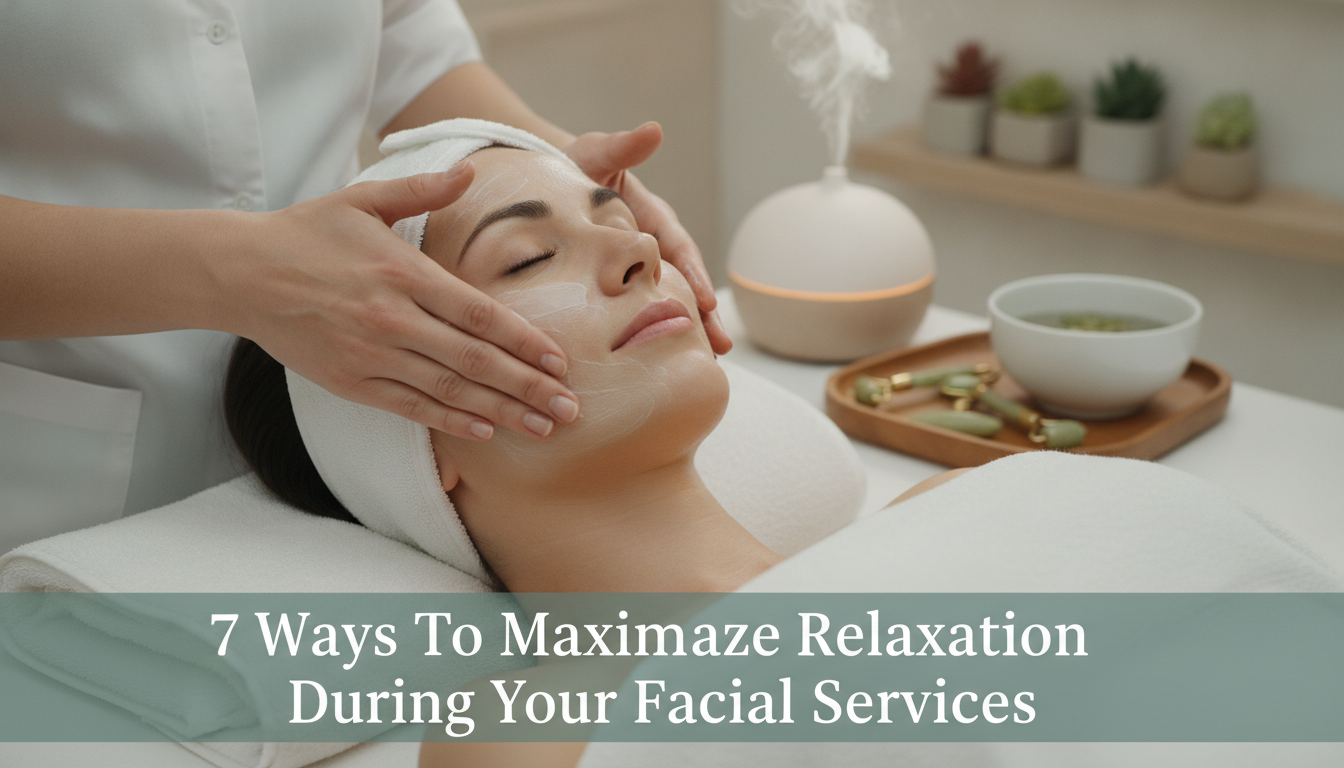
A scalp treatment in Abuja is a targeted professional service that cleanses, exfoliates, and nourishes the scalp to address dryness, product build-up, flaking, and hair thinning at the root — the results are noticeable after the first session, but a course of treatments produces the most lasting change. Whether your concern is harmattan-driven brittleness, rainy-season scalp sweat under a wig, or hair that simply hasn’t been thriving, the right scalp treatment resets the environment from which every strand grows.
Why Your Scalp Needs More Attention Than Your Hair
Most people invest heavily in their hair — the protective styles, the wigs, the silk press appointments — but the scalp itself is often the last thing they think about. This is a problem, because healthy hair growth begins entirely at the follicle. If the scalp is congested, inflamed, or starved of moisture, the hair it produces will show it: slow growth, excessive shedding, dullness, and breakage that no amount of edge control will fix.
In Abuja, the seasonal extremes make this even more pointed. From roughly November to February, harmattan strips moisture from everything — skin, lips, and yes, the scalp. Humidity drops sharply, and many clients who manage their scalp beautifully throughout the rainy season find themselves with severe flaking and itching by December. Conversely, from April to October, humidity climbs, scalp sweat accumulates under wigs and braids, and product build-up creates a warm, damp environment that can trigger folliculitis or fungal issues if left unchecked. Your scalp care routine cannot be the same year-round, and a professional assessment is the most reliable way to understand what it actually needs at any given time.
What a Professional Scalp Treatment Actually Involves
The word “treatment” covers a range of protocols, and understanding what happens step by step helps you walk in with realistic expectations. At Luxor Salon and Spa, the process begins with a consultation — not a formality, but a genuine assessment of your scalp condition, hair texture, styling history, and any concerns you’ve been noticing.
The Consultation and Scalp Analysis
A trained therapist examines your scalp visually and, where applicable, with magnification to assess sebum distribution, flaking type (dry dandruff versus oily build-up behave differently), redness, hair density, and follicle health. They’ll ask about your protective style history, how often you cleanse under wigs or braids, what products you currently use, and whether you’ve noticed seasonal changes in your scalp behaviour. This matters because low-porosity 4C hair and relaxed hair, for instance, respond to moisture quite differently, and a one-size treatment approach often underdelivers.
It’s also at this stage that any contraindications are identified. Open wounds, active infection, or conditions that look beyond cosmetic — persistent unexplained hair loss in patches, for example — will be flagged, and you’ll be advised to see a dermatologist before proceeding. Luxor’s therapists are trained to recognise where their role ends and a medical referral begins, and they’ll say so plainly rather than simply take your booking.
Cleansing and Exfoliation
The first active step is a scalp cleanse, often using a clarifying shampoo or scalp scrub to lift product build-up, dead skin cells, and environmental debris — Abuja’s dusty harmattan air deposits more on the scalp than most people realise. The exfoliation step is where the difference between a professional treatment and a home wash becomes clearest: the technique, the massage pressure, and the formulations used are calibrated to your scalp type without stripping the moisture barrier.
A thorough scalp massage is incorporated at this stage. Beyond the immediate relief it provides — and it is genuinely relieving after weeks under a tight braided style — massage stimulates blood circulation to the follicles, which supports the nutrient delivery that hair growth depends on.
Active Treatment Application
Depending on your assessment, the therapist applies a targeted scalp serum or treatment mask. For dry, harmattan-ravaged scalps, this typically means something rich in humectants and scalp-soothing actives. For oily or congested scalps common in the rainy season, the formulation will lean towards sebum regulation and antimicrobial activity. The product is worked in, often under gentle heat to improve absorption, and allowed to process for the appropriate period.
All products used should be NAFDAC-registered cosmetic formulations. This is worth mentioning explicitly because scalp products — particularly those marketed for growth or treatment — are a space where unregulated or counterfeit products circulate. An unregistered product applied to a broken or sensitive scalp is a genuine risk, not a theoretical one. At Luxor, the professional-grade products in use meet cosmetic registration standards, and the team can tell you what they’re applying and why.
Rinse and Finishing
The treatment is rinsed thoroughly — incomplete rinsing is one of the most common causes of post-treatment irritation — followed by a light conditioning step that closes the cuticle and leaves the scalp’s moisture balance restored rather than depleted. Depending on the treatment chosen and your next styling step, the session closes with guidance on what to apply at home and what to avoid in the days following.
A Realistic Treatment Timeline for Lasting Results
Single sessions produce visible results: a cleaner, calmer scalp and hair that feels lighter and more manageable. But scalp health, like skin health, responds best to a consistent programme. Here is a realistic timeline for someone starting from a problematic baseline — say, a client arriving in December after three months under a wig with significant build-up and harmattan dryness:
- Session 1 (Week 1): Full scalp analysis, deep cleanse, and first treatment application. The primary goal is removing accumulated build-up and calming any inflammation. Expect the scalp to feel immediately cleaner and less itchy, though full moisture restoration takes a few days.
- Session 2 (Week 2–3): Follow-up treatment focused on nourishment now that the scalp is clear. The therapist reassesses the condition and adjusts the formulation if needed. Hair shedding, if it was elevated, often begins to normalise at this stage.
- Sessions 3 and 4 (Weeks 4–6): Maintenance-focused treatments with attention to any remaining concerns. By this point, most clients notice improved hair texture at the roots and a significant reduction in flaking or sensitivity.
- Ongoing maintenance (every 4–6 weeks): A regular scalp treatment appointment — aligned, if possible, with your protective style takedown and reinstallation schedule — keeps the follicle environment consistently healthy. This is the stage where hair growth genuinely responds over time.
If your schedule doesn’t allow daytime appointments — and for many Abuja professionals navigating FCT government cycles, Wuse 2 traffic on Friday evenings, or early morning meetings near the Airport Road corridor, it genuinely doesn’t — Luxor’s 24/7 operating hours mean a 7am appointment before work or a 9pm one after an event are both real options, not exceptions. That’s not a marketing line; it’s why the salon operates the way it does.
Scalp Treatments for Natural and Protective Styled Hair
Type 4A to 4C textures present specific scalp care challenges that a generalist approach misses. The tight curl pattern means that sebum produced at the follicle travels slowly down the hair shaft — which is why natural hair tends towards dryness at the ends — but this same factor means the scalp itself can accumulate oil and product more quickly than the rest of the hair suggests. The result is a scalp that alternates between dry and congested depending on styling habits, making professional assessment genuinely useful rather than optional.
For clients who wear braids, cornrows, wigs, or closures regularly, scalp care between installations is particularly important. Tension from tight braiding can cause traction stress on the follicle, and a build-up of dry shampoo, scalp sprays, and sweat under a wig unit creates conditions that a simple home wash often cannot fully resolve. Professional cleansing at takedown, before a new installation, is one of the most practical investments you can make in your hair’s long-term health.
A Scenario: The NGO Professional in Maitama
Consider someone working for an international organisation near the embassy belt — long hours, formal appearances required, and a preference for wigs that allow her to switch her look without sacrificing professional presentation. She wears a full lace wig Monday to Friday, cleanses it twice a week, but her actual scalp hasn’t had professional attention in four months. By November, the harmattan has arrived. Her scalp is itching persistently, there’s visible flaking along her parting, and the first two centimetres of her hair at the roots are noticeably dry and fragile.
She books a late-morning appointment at the Maitama branch on Usuma Street — close enough to walk from several of the nearby offices — and arrives for a consultation that takes about fifteen minutes. The therapist notes moderate build-up, harmattan-induced dryness, and mild inflammation along the hairline. A deep-cleansing and intensive moisture treatment is recommended. Over the next forty-five minutes to an hour, the exfoliation, massage, and active treatment work through to her scalp. She leaves with a cleaner, calmer scalp, a simple home care plan involving a lightweight scalp oil and a clarifying rinse every ten days, and a four-week rebooking. By her second session, the flaking has resolved. By her fourth, she’s stopped reaching for the scalp spray every few hours under her wig.
If you’re ready to start your own programme, you can book online and choose whichever branch works for your location and schedule.
Scalp Health and What It Cannot Fix Alone
Professional scalp treatments are cosmetic services, and it’s important to be clear about what they address and what they don’t. They can significantly improve scalp hygiene, moisture balance, circulation, and the general environment for healthy hair growth. They cannot treat medical conditions. If you are experiencing hair loss in defined patches, a scalp that is persistently painful or weeping, or any symptoms that don’t respond to professional cosmetic treatment over several sessions, you should see a dermatologist. Conditions such as alopecia areata, seborrhoeic dermatitis in its more severe forms, or scalp psoriasis require medical management that falls outside what a salon can provide — and any professional worth their training will tell you so.
Frequently Asked Questions
Which Luxor branch should I visit for a scalp treatment?
Both branches offer the full range of scalp treatment services. The Maitama branch at 56 Usuma Street, off Gana Street, is most convenient if you’re based in the northern districts, near the embassy belt, or working in that part of the FCT. The Wuse 2 flagship at 792b Adetokunbo Ademola Crescent suits clients in the commercial centre or coming from the Wuse, Garki, or Central Business District axis. Both are open 24 hours, seven days a week, so the deciding factor is simply whichever is closer to where you’ll be before or after your appointment.
Do I need to book in advance for a weekend scalp treatment appointment?
Weekend slots — particularly Saturday mornings and Sunday afternoons — fill quickly, especially during peak seasons like December, Sallah periods, and the pre-wedding heavy months of March to May. Booking at least a week ahead for weekend appointments is strongly advisable. Weekday and late-evening appointments tend to be more flexible, but advance booking is always recommended to ensure your preferred time is held.
How often should I have a professional scalp treatment?
For maintenance, every four to six weeks aligns well with most protective style cycles and keeps the scalp consistently clear and nourished. If you’re addressing a specific concern — significant build-up, dryness from harmattan, or recovering from tight braiding — an initial intensive course of two to three treatments over consecutive weeks followed by monthly maintenance is a more effective approach. Your therapist will advise based on your scalp’s specific response after the first session.
My hair is relaxed — are scalp treatments still appropriate for me?
Yes, and in some respects they’re particularly important. Relaxer chemicals alter the scalp’s moisture barrier and can leave it more sensitive to environmental extremes like harmattan. The critical timing rule is that a scalp treatment should never be done immediately before or after a relaxer application — your scalp needs to be free of irritation going into a chemical service, and it needs recovery time after one. Typically, waiting at least a week on either side is standard practice. Your therapist will confirm the right window based on your specific application schedule and scalp condition.
Will a scalp treatment help with hair growth?
A professional scalp treatment creates the best possible environment for your existing follicles to produce healthy hair — by removing build-up that can impede the follicle opening, improving circulation through massage, and restoring moisture balance. It is not a growth stimulant in a clinical sense, and any product or service promising dramatic growth in a specific timeframe should be approached with scepticism. What consistent scalp care reliably produces is hair that breaks less, feels healthier at the root, and grows to greater visible lengths because it’s being retained rather than shed prematurely.
Taking Your Scalp Seriously — The Next Step
Your hair is only as healthy as the scalp it comes from, and in Abuja’s climate — swinging between harmattan dryness and rainy-season humidity, complicated by wigs, protective styles, and schedules that leave little room for self-care — the scalp is often the piece that gets neglected longest. A professional scalp treatment at Luxor Salon and Spa is not a luxury add-on; it’s the foundation of everything else working as it should. Whether you’re managing 4C natural hair, maintaining a relaxed style, or simply noticing that your scalp hasn’t felt right since December, a proper assessment and targeted treatment is where the improvement begins.
Both branches are open every day of the year, at every hour — because Abuja life doesn’t run on a 9-to-5 schedule, and your care appointments shouldn’t have to either. Walk in, or better yet, schedule your scalp treatment appointment here and choose the time and location that actually fits your week.
Maitama Branch — 56 Usuma Street, Off Gana Street:
moc.apsdnanolasroxul@ofni | (+234) 701 888 0102
Wuse 2 Branch — 792b Adetokunbo Ademola Crescent:
moc.apsdnanolasroxul@2esuw | (+234) 701 888 0100
Open 24 hours, 7 days a week — early morning, late night, or any time in between.