

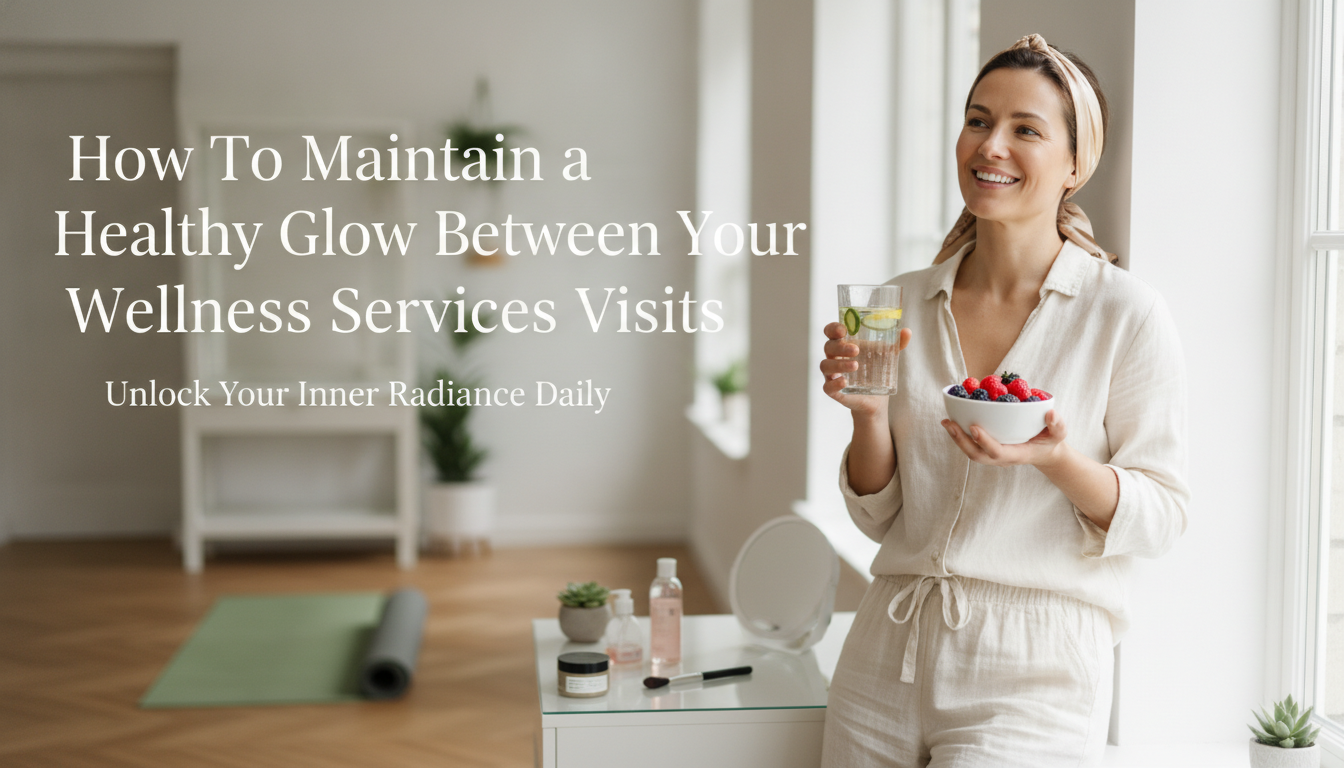
Booking your wellness appointments is the easy part. The real challenge — and the real opportunity — is what you do in between. Whether you visit every two weeks or once a month, the way you care for yourself between sessions has a direct impact on how long your results last and how good your skin, hair, and body actually feel day to day. Maintaining a healthy glow between your wellness services visits isn’t complicated, but it does require a little consistency and the right habits in place.
This guide is designed for real people living real lives — busy professionals navigating Abuja traffic, brides-to-be counting down to their big day, and anyone who simply wants to look and feel their best without overdoing it. These are practical, honest tips that actually work.
Why In-Between Care Matters More Than You Think
A facial, a massage, or a hair treatment creates a foundation. But that foundation needs daily maintenance to hold up. Think of it like painting a wall — the professional does the prep and the first coat, but without the right follow-through, the finish won’t last.
Most professional treatments deliver their peak results within the first 48 to 72 hours. After that, external factors like sun exposure, stress, diet, and environmental conditions begin to chip away at those results. In Abuja especially, harmattan season is particularly harsh — the dry, dusty air can strip moisture from your skin and hair faster than almost any other climatic condition in Nigeria.
The good news is that small, consistent habits can extend your results significantly — sometimes doubling how long a treatment feels effective. You don’t need a 12-step routine. You need the right steps.
Skincare Habits That Keep Your Healthy Glow Going
Hydration — Inside and Out
This sounds obvious, but most people underestimate how much hydration affects skin quality. Drinking at least 1.5 to 2 litres of water daily helps your skin maintain its elasticity and natural radiance. During harmattan, that target should be higher because the dry air is actively pulling moisture from your body.
Topically, apply a good moisturiser within three minutes of washing your face or stepping out of the shower. That window matters — your skin absorbs product far more effectively when it’s slightly damp. Look for ingredients like hyaluronic acid, glycerin, or shea butter, which draw and lock in moisture.
SPF Every Single Day
Abuja sits close to the equator, which means UV exposure is significant year-round — not just in the dry season. Sun damage is one of the fastest ways to undo the work of a professional facial or skin treatment. A broad-spectrum SPF 30 or higher applied every morning (yes, even on cloudy days or when you’re indoors near windows) protects your investment.
If you’ve recently had a chemical peel, exfoliating treatment, or anything that involves skin renewal, SPF becomes even more critical. Freshly treated skin is more vulnerable to pigmentation and UV damage. Your therapist should advise you on this during your visit — if they don’t, ask.
Gentle Cleansing, Twice Daily
Over-cleansing is a real problem. Using harsh, foaming cleansers too frequently strips your skin’s natural barrier and leads to dryness, breakouts, and sensitivity. A mild, pH-balanced cleanser used morning and night is enough for most skin types.
If you’ve had a professional treatment recently, avoid active exfoliants like AHAs, BHAs, or retinol for at least five to seven days unless your therapist has specifically recommended otherwise. Give your skin space to heal and respond to the treatment first.
Hair Care Between Salon Visits
Hair appointments — whether for treatments, colour, or styling — are an investment. Protecting that investment between visits comes down to a few non-negotiables.
- Avoid excessive heat styling. Every time you apply direct heat without protection, you’re depleting the moisture and protein bonds that give your hair its strength and shine. Use a heat protectant spray and, where possible, give your hair at least two or three heat-free days per week.
- Sleep on a satin or silk pillowcase. Cotton pillowcases create friction that roughens the hair cuticle over time. Satin reduces that friction significantly, helping your style last longer and reducing breakage.
- Hydrate your scalp. A dry scalp — especially during harmattan — leads to flaking, itching, and slowed growth. A light scalp oil applied two to three times a week can make a visible difference within a month.
- Use a deep conditioning treatment weekly. Even five minutes with a quality mask or conditioner once a week helps maintain the moisture balance that professional treatments restore.
If you’ve had a keratin treatment or chemical service, your stylist will likely advise waiting 72 hours before washing. That window is there for a reason — the bonds are still setting, and washing too early undoes the work. Take that advice seriously.
Body Care That Extends the Benefits of Your Treatments
Moisturise Daily — Not Just After the Spa
Body moisturising is one of the most underrated wellness habits. A good body lotion or butter applied after every shower helps maintain the soft, smooth results you get from professional body scrubs, wraps, and massages. Products with ingredients like cocoa butter, vitamin E, or aloe vera work particularly well for the Nigerian climate.
For clients who regularly receive body scrub treatments, exfoliating at home two to three times per week (with a gentle scrub, not an aggressive one) keeps dead skin cells from building up and makes each professional treatment more effective when you return.
Movement and Lymphatic Support
Massages — particularly lymphatic drainage massages — stimulate circulation and reduce fluid retention. But the body benefits from movement to keep that going. Even 20 to 30 minutes of brisk walking, yoga, or light exercise a few times a week supports circulation and helps your body continue flushing toxins between sessions.
This matters more than people realise for busy professionals in Abuja who are largely desk-bound and dealing with the physical effects of stress. Stress triggers cortisol, which directly affects skin quality, hair shedding, and overall vitality. Movement is one of the most effective ways to counterbalance that.
The Role of Diet in Maintaining a Healthy Glow
Your skin, hair, and nails are largely a reflection of what you’re eating. This doesn’t mean you need a restrictive diet — it means a few intentional additions can make a noticeable difference.
Foods rich in omega-3 fatty acids (like salmon, sardines, walnuts, and flaxseed) support skin hydration from the inside. Vitamin C-rich foods — oranges, peppers, tomatoes, guava — promote collagen production, which keeps skin firm and youthful. And zinc, found in foods like pumpkin seeds and lean meats, plays a key role in wound healing and reducing inflammation, which is especially useful after skin treatments.
Reducing refined sugar and alcohol is just as important. Both contribute to inflammation, dehydration, and accelerated skin ageing. You don’t have to cut them out entirely, but being mindful — especially in the days immediately following a professional treatment — helps you hold onto your results longer.
Managing Stress and Sleep for Visible Results
Abuja’s lifestyle can be relentless. Between work demands, traffic, social commitments, and the general pace of city life in the FCT, stress is a constant companion for many people. And chronic stress has very visible consequences — dull skin, hair loss, breakouts, and a general lack of vitality.
Prioritising sleep — ideally seven to eight hours a night — gives your body the regeneration time it needs. Most skin repair happens during deep sleep. Collagen synthesis, cell turnover, and moisture balance all improve when you’re consistently well-rested. It’s genuinely one of the most powerful beauty tools available, and it’s free.
Simple stress management practices like journaling, short breathing exercises, or even a consistent evening routine can lower cortisol levels enough to make a real difference in how your skin and hair look and feel. Pair this with regular wellness visits, and the cumulative effect is significant.
Planning Your Wellness Visit Schedule Strategically
Knowing when to rebook is part of maintaining your glow. Different treatments have different recommended intervals — and following those windows maximises their effectiveness.
- Facials: Every three to four weeks aligns with your skin’s natural cell turnover cycle, making each session more impactful.
- Massages: Monthly is a good baseline for general wellness; every two weeks is ideal for stress relief or specific muscle tension.
- Manicures and pedicures: Every two to three weeks keeps nails healthy and cuticles maintained.
- Hair treatments: Depends on the service, but most conditioning and strengthening treatments are recommended every four to six weeks.
If you have a wedding, event, or important occasion coming up, plan your treatments to finish at least 48 hours before the event. This gives your skin time to settle and any redness or sensitivity to fully resolve, so you show up looking your absolute best.
For clients in Abuja, the convenience of being able to choose between Luxor’s Maitama branch on 56 Usuma Street, Off Gana Street, or the Wuse 2 flagship location at 792b Adetokunbo Ademola Crescent makes scheduling around your routine much easier — especially when you’re navigating the city and need a location that works for your day.
Choosing the Right Products to Use at Home
Not all products are created equal, and what you use at home matters. Harsh chemicals, synthetic fragrances, and low-quality formulations can undo professional work quickly. Ideally, the products you use between visits should complement — not counteract — what your therapist applies during your session.
Eco-friendly and cruelty-free products have become an industry standard for a reason. They tend to be gentler on the skin, free from unnecessary irritants, and formulated with higher concentrations of active ingredients. Locally sourced organic ingredients — like shea, moringa, and various botanical extracts common in West Africa — are also worth seeking out because they’re designed to work in harmony with the environment your skin actually lives in.
If you’re unsure what to use at home, ask your therapist at your next visit. A good wellness professional will always give you honest product guidance based on your specific skin or hair type rather than just recommending whatever is available on the shelf.
Frequently Asked Questions
How long do professional wellness treatments actually last?
It depends on the treatment and how well you maintain results at home. A professional facial typically lasts two to four weeks before the skin begins returning to its pre-treatment state. Body scrubs and massages have a shorter active window — around one to two weeks — but the benefits compound over time with regular visits. Your home care routine is what bridges the gap between appointments.
Is it worth coming in more frequently, or is once a month enough?
Once a month is a solid baseline for most treatments. However, if you’re dealing with specific concerns — persistent dryness during harmattan, stress-related skin flare-ups, or preparing for a major event — increasing to every two weeks for a period can produce noticeably faster results. Your therapist can advise what frequency makes sense for your goals and budget.
What should I avoid doing right after a treatment?
In the 24 to 48 hours after most skin and body treatments, avoid direct sun exposure, heavy exercise that causes excessive sweating, hot showers, and applying active skincare ingredients like retinol or exfoliating acids. After hair treatments involving chemicals or keratin, avoid washing, tying, or pinning your hair for at least 72 hours. Your therapist will give you specific aftercare instructions — following them carefully makes a real difference to your results.
Which Luxor branch should I visit?
Both branches offer the full range of services, so it really comes down to which location works best for your schedule and where you’re coming from. The Maitama branch at 56 Usuma Street is ideal if you’re in that part of town or nearby, while the Wuse 2 flagship at 792b Adetokunbo Ademola Crescent is conveniently located in the heart of Abuja’s commercial hub. Both branches are open 24/7, so you can book a time that genuinely fits your day.
Do I need to book in advance, or can I walk in?
Booking in advance is always recommended, especially for longer treatments or during busy periods like weekends and the festive season. It guarantees your preferred time slot and therapist, and means you won’t have to wait. You can book online or reach either branch directly to make an enquiry or reservation.
Keeping Your Glow Going — A Final Word
Maintaining a healthy glow between your wellness services visits isn’t about doing more — it’s about doing the right things consistently. Hydrate well, protect your skin from the sun, support your hair with gentle daily habits, move your body, sleep enough, and eat in a way that nourishes rather than depletes. These aren’t dramatic changes. They’re sustainable habits that, over time, make professional treatments more effective and your results longer-lasting.
Abuja life is busy, and self-care can easily slide to the bottom of the list. But the gap between appointments is where your real glow is built. Show up for yourself between visits, and you’ll walk into every session ahead — not starting over.
Ready to book your next visit or simply want to find out more? Reach out to whichever Luxor branch is most convenient for you — both are open 24/7 and happy to help.
Maitama Branch — 56 Usuma Street, Off Gana Street, Maitama, Abuja
Email: moc.apsdnanolasroxul@ofni
Phone: (+234) 701 888 0102
Wuse 2 Branch — 792b Adetokunbo Ademola Crescent, Wuse 2, Abuja
Email: moc.apsdnanolasroxul@2esuw
Phone: (+234) 701 888 0100
Or book online at a time that works for you. We look forward to seeing you.
Luxor Spa Salon | Best Spa & Wellness Center in Abuja Home
Related Posts
 How To Maintain That Post Facials Services Glow For Weeks
 7 Best Combinations Of Wellness Services For A Full Day Pampering
 How Our Wellness Services Are Designed To Boost Mental Health
 7 Ways Our Wellness Services Help You De Stress From Abuja Life
 What Wellness Services Are Ideal For Busy Professionals In Abuja
 7 Reasons To Choose Professional Waxing With Your Wellness Services
 Which Wellness Services Package Is Best For A Birthday Treat
 7 Ways To Maintain Soft Smooth Feet After Your Pedicure Services