

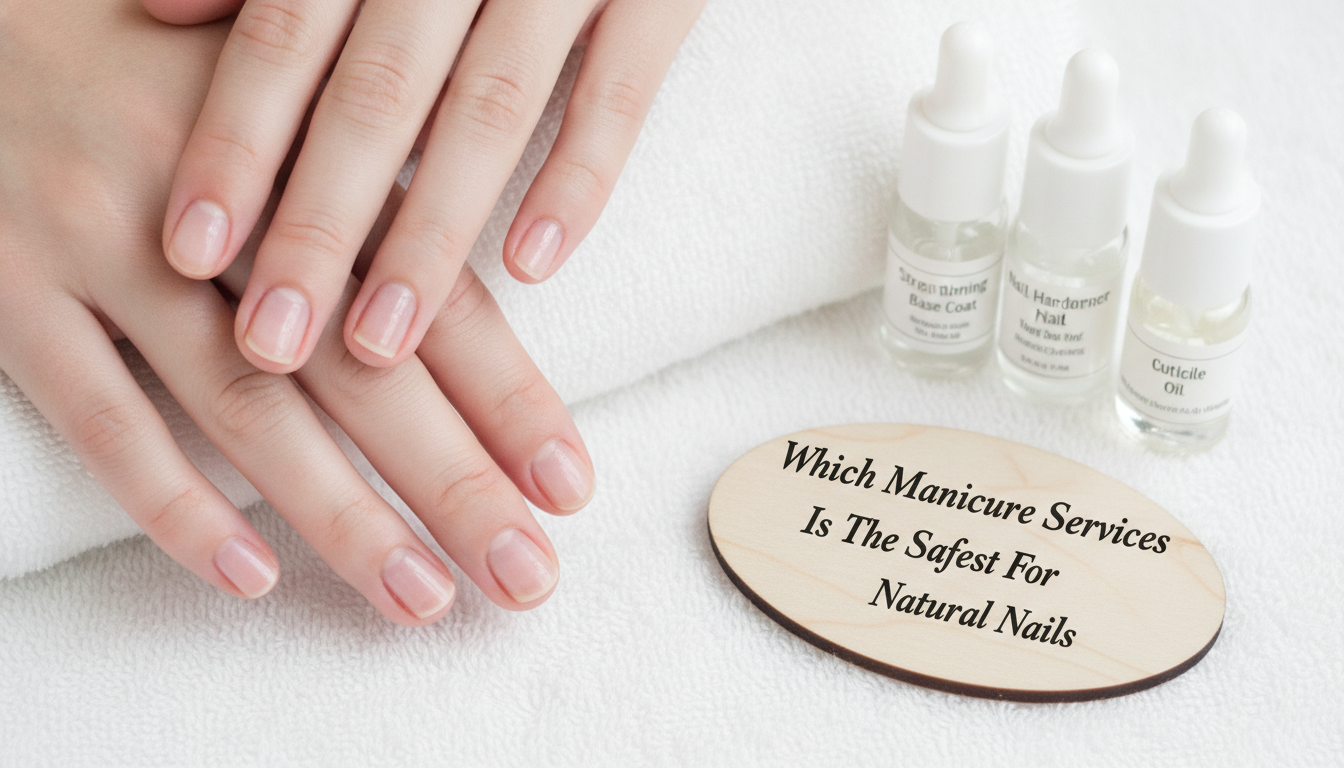
If you’ve ever walked out of a nail salon with nails that felt thinner, weaker, or somehow more fragile than when you went in, you’re not imagining things. Certain manicure services — as polished and beautiful as they look — can quietly damage your natural nails over time. The question of which manicure services is the safest for natural nails is one more people are starting to ask, especially as nail health awareness grows alongside beauty trends. The good news is that looking after your nails doesn’t mean giving up great-looking hands. It just means making smarter choices.
Why Nail Safety Matters More Than You Think
Your nails are more than an aesthetic feature. They protect the sensitive tissue at your fingertips, and they also give a fairly honest signal about your overall health. Brittle, peeling, or thinning nails can result from poor nutrition, dehydration, or repeated chemical exposure — and sometimes all three at once.
In Abuja, where harmattan season strips moisture from everything — skin, hair, and yes, nails — the drying effect of certain nail products hits harder than it might elsewhere. A gel manicure applied over already-dehydrated nails during the dry season is a different experience from the same service done on well-nourished nails in a more humid environment. Context matters.
Beyond the climate, the pace of life in the FCT means many women are booking nail appointments every two to three weeks, sometimes back-to-back with acrylics or gels, without giving their nails adequate recovery time. Over months, this can cause real cumulative damage.
The Safest Manicure Services for Natural Nails, Ranked
1. Classic Manicure — The Gold Standard for Nail Health
If you’re asking which manicure service is safest for natural nails in the most straightforward terms, a well-executed classic manicure is the honest answer. It involves soaking, shaping, cuticle care, light buffing, and the application of regular nail polish — nothing more.
There’s no UV lamp curing, no bonding agents, no harsh chemical primers. Regular nail polish sits on top of the nail rather than bonding to it, which means removal is simple and non-destructive — just acetone on a cotton pad, and you’re done in minutes.
The key phrase here is “well-executed.” A classic manicure done carelessly — with aggressive cuticle cutting, over-buffing, or too much soaking — can still cause damage. The service itself is safe; technique matters enormously.
2. Gel Manicure — Safe When Done Carefully
Gel manicures have a complicated reputation, and honestly, both sides of the argument have merit. On the positive side, gel polish can actually act as a protective layer over natural nails, preventing breakage while the polish is in place. For people with weak or brittle nails, a gel manicure can give them two to three weeks of protection they wouldn’t otherwise have.
The damage, when it happens, usually comes from one of two sources: improper removal (peeling or picking the gel off rather than soaking it properly) or UV lamp exposure without hand protection. Studies have flagged that repeated exposure to the UV lamps used for gel curing may pose a low but real skin risk over long periods. Wearing SPF on your hands or UV-protective gloves with the fingertips cut off is a simple precaution most people overlook.
Removal is where things often go wrong. Gel should be soaked in acetone for 10 to 15 minutes and then gently pushed off — never scraped or peeled. When removal is rushed, it takes layers of the actual nail plate with it, leaving nails thin and prone to breakage.
3. Soft Gel Extensions — Kinder Than Acrylics
For those who love length but want a gentler option than traditional acrylic nails, soft gel extensions (sometimes called gel tips or builder gel) are worth understanding. Unlike acrylics, which use a liquid-powder monomer system that produces strong chemical fumes and requires aggressive filing, soft gel extensions use a pre-shaped tip or form combined with a builder gel product that’s cured under UV light.
They flex slightly rather than being fully rigid, which puts less stress on the natural nail underneath. Removal still requires acetone soaking, but the process is generally less abrasive than acrylic removal when done correctly.
That said, they’re not damage-free. Extended wear beyond four to five weeks without a fill can create leverage stress on the nail, especially if a nail snags or bends. Regular maintenance appointments — typically every three to four weeks — help manage this risk.
4. Dip Powder Manicure — Worth Approaching With Caution
Dip powder has gained popularity as a middle ground between gel and acrylic, and its marketing often positions it as the “healthy” option. The reality is more nuanced. Dip powder doesn’t require UV curing, which removes one concern. However, the bonding agents used can be drying, and the traditional salon method of dipping multiple clients’ fingers into the same powder jar raises hygiene questions — though reputable salons should be using individual pots or sprinkling the powder rather than dipping directly.
Removal requires soaking in acetone for 15 to 20 minutes, which is longer than gel. Done correctly, it’s manageable. Done impatiently, it’s destructive. If you’re considering dip powder, ask about the salon’s hygiene practices before committing.
What to Watch Out For: Services That Can Harm Natural Nails
Understanding which manicure services is the safest for natural nails also means knowing what to be cautious about. Acrylic nails, when applied with proper prep and removed with care, aren’t necessarily a disaster — but they carry the highest risk of the common options. The filing required to remove acrylics, combined with the chemical bonding agents, puts considerable stress on the nail plate over time.
Nail drills used excessively or by an inexperienced technician are another concern. Light use of an e-file by a skilled technician is fine. Aggressive drilling to remove product or create roughness for adhesion can thin the nail to a point where it takes months to recover.
Also worth flagging: “no-wipe top coats” and overly thick gel applications that take very long to cure may indicate the product isn’t fully polymerising, which can leave unreacted chemicals sitting on the nail.
How Luxor Salon & Spa Approaches Nail Health
Luxor Salon & Spa has been operating in Abuja since 2013, which means over a decade of hands-on experience with the specific nail and skin concerns of FCT clients — including the seasonal challenges that come with harmattan dryness and the demands of a city full of busy professionals who need their hands to look polished for meetings, events, and everyday life.
Both branches — the ultra-modern Maitama location on 56 Usuma Street, Off Gana Street, and the flagship Wuse 2 branch at 792b Adetokunbo Ademola Crescent — maintain strict hygiene protocols that include sterilised tools, individual product portions, and thorough sanitation between clients. These aren’t just reassuring claims; they reflect the kind of operational standards that have kept a salon running and trusted in a competitive city for more than ten years.
Luxor also uses eco-friendly and cruelty-free products, which matters for nail health specifically — many conventional nail products contain a trio of harsh chemicals (toluene, formaldehyde, and dibutyl phthalate) that contribute to brittleness and dryness over time. Choosing a salon that has deliberately moved away from these formulations is a meaningful difference.
Practical Tips for Protecting Your Natural Nails
Even the safest manicure service won’t compensate for poor nail care between appointments. Here are some habits worth building into your routine:
- Moisturise your cuticles daily. Cuticle oil applied once a day — even just before bed — makes a noticeable difference over two to three weeks. Look for oils with jojoba or vitamin E.
- Wear gloves for cleaning and washing. Prolonged water exposure softens and weakens nails. Dishwashing, in particular, is surprisingly damaging.
- Give your nails a break. Aim for at least one week of “bare nails” between every three or four manicure cycles to let the nail plate breathe and recover.
- Don’t use your nails as tools. Opening cans, peeling stickers, or prising off bottle caps all create micro-fractures that worsen over time.
- Hydrate and eat well. Biotin, zinc, and protein all contribute to nail strength. Nails that are consistently soft or brittle despite good external care may be signalling a nutritional gap.
How Often Should You Book a Manicure?
The honest answer depends on which service you’re choosing. For a classic manicure, every two to three weeks is completely fine — there’s no cumulative chemical stress to worry about. For gel manicures, every three weeks is a reasonable rhythm, giving you time for proper removal and a day or two of nail recovery before reapplication.
If you’re wearing extensions or acrylics, a fill every three to four weeks is generally recommended to prevent lifting and leverage stress. Going longer between fills increases the risk of the product catching and tearing away from the natural nail.
For Abuja’s wedding season — which tends to peak between November and March — many clients book more frequently to keep their nails presentation-ready. During this time especially, it’s worth being intentional about which service you choose and ensuring your nail technician is giving your natural nail condition a proper assessment before each appointment.
Frequently Asked Questions
Is gel polish actually bad for natural nails?
Not inherently, no. Gel polish becomes damaging mainly through improper removal — peeling or picking the product off instead of soaking it. When applied and removed correctly, gel can actually protect natural nails from breakage. The key is using a reputable salon with trained technicians who take removal seriously.
How long does it take for nails to recover after acrylics?
It depends on how long you wore the acrylics and how they were removed. In most cases, you’ll see visible improvement within four to six weeks, with nails returning to something close to their natural strength in about three months. During recovery, keep nails short, use cuticle oil daily, and avoid harsh chemical exposure.
Are dip powder manicures safer than gel?
It’s not a straightforward comparison. Dip powder avoids UV lamp exposure but requires longer acetone soaking for removal and raises hygiene concerns if the salon uses a shared dip pot. Both can be done safely — the salon’s technique and hygiene standards matter more than the product category itself.
Which Luxor branch should I visit for a manicure?
Both the Maitama branch on Usuma Street and the Wuse 2 branch on Adetokunbo Ademola Crescent offer the full range of nail services with the same hygiene and product standards. The best choice is simply whichever branch is more convenient for you. Luxor operates 24/7, so you can book at a time that works around your schedule — whether that’s a quick stop before a work event or a relaxed weekend appointment.
Do I need to book in advance, or can I walk in?
Booking in advance is recommended, especially during busy periods like the lead-up to Eid, Christmas, or peak wedding season. It ensures you get your preferred time and technician. That said, Luxor’s 24/7 hours mean there’s more flexibility than at a typical salon — you can reach out at any time to check availability or make a same-day enquiry.
Conclusion
Choosing which manicure services is the safest for natural nails doesn’t mean sacrificing style or settling for bare, unpolished hands. A classic manicure done well, a gel application with proper removal, or soft gel extensions maintained on schedule — all of these can coexist with genuinely healthy nails. The variables that matter most aren’t really the products themselves; they’re the skill of your technician, the hygiene standards of your salon, and what you do between appointments.
Your nails are worth investing in thoughtfully. Whether you’re preparing for an event, maintaining a professional appearance in Abuja’s fast-moving corporate world, or simply want hands you feel good about, the right nail service — chosen carefully and executed well — is a form of genuine self-care, not just grooming.
Ready to book or want to ask about which service is right for your nails? Reach our Maitama branch at moc.apsdnanolasroxul@ofni or (+234) 701 888 0102, or visit our Wuse 2 branch at moc.apsdnanolasroxul@2esuw or (+234) 701 888 0100. You can also book online at any time — we’re open 24/7 and always happy to help you find the service that works best for your nails and your lifestyle.
Luxor Spa Salon | Best Spa & Wellness Center in Abuja Home
Related Posts
 Why Our Gel Manicure Services Are Chip Resistant And Durable
 How To Ensure Your Manicure Services Lasts Through Vacation
 How To Treat Brittle Nails With Specialized Manicure Services
 7 Secrets To Maintaining A Long Lasting Gel Manicure Services
 How To Get Strong Healthy Nails With Regular Manicure Services
 7 Ways Our Manicure Services Experts Ensure Client Safety
 Which Manicure Services Offers A Unique Dipping Powder Finish
 Which Manicure Services Is The Best Value For Money In Abuja