


A deep tissue massage in Abuja does more than relieve muscle tension — it addresses the specific, layered stress that accumulates in the body of someone navigating long commutes, demanding work schedules, and a city that rarely slows down. In practical terms, deep tissue massage uses slow, firm strokes and sustained pressure to reach the deeper layers of muscle and connective tissue, breaking up adhesions (knots), improving circulation, and releasing chronic tension that a lighter Swedish massage simply cannot access. It is not a one-size-fits-all treatment, and understanding what it involves will help you decide whether it is the right choice for your body right now.
What Deep Tissue Massage Actually Does to the Body
The distinction between a relaxation massage and a deep tissue massage is a question of pressure, technique, and intention — not just how hard a therapist pushes. During a deep tissue session, the therapist works through the superficial muscle layers first, then uses forearms, thumbs, and slow deliberate strokes to apply sustained pressure to specific areas of chronic holding. The focus is usually the neck and shoulders, lower back, hips, and the long muscles running alongside the spine — the places where most people warehouse stress without realising it.
The increased pressure causes the muscle fibres to release and lengthen, improves localised blood flow, and begins to break down fibrous tissue (adhesions) that can restrict movement. Most clients describe a sensation that falls somewhere between intense pressure and relief — a discomfort that is purposeful rather than painful. A well-trained therapist will check in throughout, because the line between productive pressure and counterproductive pain is individual and shifts across different areas of the same body.
Why Harmattan and Dry-Season Bodies Need Particular Attention
Between roughly November and February, Abuja’s harmattan brings Saharan dust and a sharp drop in humidity. Most people notice what this does to their skin — the ashy arms, the cracked heels, the tight feeling on the face. Fewer people notice what sustained dehydration does to muscle tissue: reduced elasticity, increased tension, and joints that feel stiffer than usual in the mornings. If you have been waking up tighter than you were in September, the season is partly responsible.
During a harmattan-period massage, a good therapist will typically observe drier skin and may recommend a pre-massage body moisturising treatment or a nourishing oil application to both condition the skin surface and allow the hands to work smoothly without dragging. This is not an upsell; it is a practical adjustment that changes the outcome of the session.
The Rainy Season Consideration
From roughly April to October, the problem reverses. Humidity rises, Abuja fills with warmth and moisture, and the body tends to feel more pliable. However, this is also the season of long hours under air conditioning, which creates its own muscular holding pattern — particularly in the shoulders and upper back as the body responds to cold air. A deep tissue session in the rainy season often focuses more on the upper body and neck, especially for people who spend the bulk of their working day in heavily air-conditioned offices in Maitama or the Wuse 2 commercial district.
Is Deep Tissue Massage Right for You?
Deep tissue massage suits most healthy adults, but it is not appropriate in every circumstance. A proper consultation before the session exists to protect you, not to slow things down. During a consultation at Luxor Salon and Spa, the therapist will ask about your current health, any recent injuries, medications you are taking, areas of specific concern, and your pain threshold. This is the information that shapes the entire session.
There are genuine contraindications. Deep tissue work is not recommended over areas of active inflammation, open wounds, recent surgical sites, or skin conditions that could be aggravated by pressure. Anyone experiencing unexplained persistent pain, numbness or tingling in the limbs, or recent trauma should see a doctor before booking a massage — the therapist can address tension, but diagnosing what is causing it is a medical function. If your therapist raises a concern during the consultation, take it seriously.
What About Pregnancy?
Massage during pregnancy requires a specifically trained therapist, different positioning, and modified pressure — deep tissue work in the traditional sense is generally not recommended during pregnancy. If you are pregnant and looking for body work in Abuja, the consultation is essential and the therapist should be certified in prenatal massage techniques before proceeding with any treatment.
What to Expect: A Step-by-Step Walkthrough of a Deep Tissue Session
Understanding the sequence helps you arrive prepared and get more from the treatment. Here is how a session typically progresses at a professional spa in Abuja:
- Arrival and consultation (10–15 minutes). You discuss your areas of concern, any health factors, pressure preferences, and what you are hoping the session will achieve. This shapes everything that follows.
- Positioning and draping. You will be draped with towels at all times; only the area being worked is exposed. Proper draping is a hygiene and professionalism standard, not a formality.
- Warm-up phase. The therapist begins with lighter effleurage strokes to warm the tissue and allow the muscles to begin releasing. Applying deep pressure to a cold, contracted muscle is counterproductive and uncomfortable.
- Deep work. Using fingers, thumbs, knuckles, or forearms depending on the area, the therapist applies slow, sustained pressure across the grain of the muscle and into specific adhesion points. This phase requires you to breathe steadily rather than hold your breath — something a good therapist will remind you to do.
- Targeted focus areas. Based on your consultation, certain areas will receive extended attention. Common focus points for Abuja clients include the upper trapezius (from sitting at a desk or driving), the lower back (prolonged sitting), and the calves and feet (for those doing long commutes on foot or in heels).
- Cool-down and close. The session ends with lighter work to soothe the tissue that has just been worked. You are given time to reorient before sitting up.
- Post-session guidance. You will be advised to drink water, avoid strenuous activity for the remainder of the day, and not be surprised if you feel slightly sore the following morning — this is normal after genuine deep tissue work and typically resolves within 24–48 hours.
The 24–48 Hour Aftercare Window
What you do after a deep tissue massage affects how much benefit you retain. In the first 24 hours, drink water consistently — the increased circulation and lymphatic activity mean your body is actively processing what the massage released. A light meal is better than a heavy one immediately after the session. Avoid intense exercise on the same day; the muscles have been worked and need time to recover, not to be loaded further.
In the 24–48 hours that follow, mild soreness in the areas that were worked is common and does not mean anything went wrong — it is the same mechanism as muscle soreness after a good gym session. Applying gentle heat to tight areas (a warm shower rather than a heat lamp) can help. If the soreness is sharp, asymmetrical, or does not resolve within two days, contact the spa and, if necessary, consult a doctor.
How Often Should You Book Deep Tissue Massage?
Frequency depends on what you are using it for. For general stress management and maintenance — the kind of tension that accumulates from Abuja commutes, long desk hours, or carrying children — a session every four to six weeks tends to be sufficient for most people to feel the sustained difference. If you are addressing a specific area of chronic tension, more frequent sessions in the early phase (every two to three weeks initially) may be recommended, with the gap widening as the tissue responds.
If you are using massage as part of a post-event recovery programme — after an intense wedding season, an owambe stretch, or a period of extreme work pressure — a series of three sessions over six weeks will typically reset your baseline more effectively than a single session once a year.
A Realistic Scenario: The Maitama Professional on a Tight Schedule
Consider someone working in an embassy in Maitama — meetings from eight in the morning, often running until seven in the evening, and a drive back through evening traffic that takes forty-five minutes on a good day and over an hour on a Friday. By Thursday afternoon, the upper back is carrying a week’s worth of tension. A Saturday appointment is possible but Saturday is already packed with obligations.
This is precisely where Luxor’s 24/7 operation makes a practical difference rather than a theoretical one. A 7am appointment on a Friday, before the first meeting, or a 9pm appointment after getting home — these are not exceptional requests that require a favour from reception. They are ordinary bookings that the schedule accommodates, because the alternative is that the appointment simply does not happen. The Maitama branch on Usuma Street, off Gana Street, is a short drive from most of the embassy belt — no Airport Road, no Kubwa Expressway, no AYA junction added to the journey.
If you are on the Wuse 2 side — the commercial hub along Adetokunbo Ademola Crescent — the same logic applies in the other direction. Whichever branch is closer is the right one to book.
You can book online at any hour, which means you are not trying to call during a work meeting or waiting until Monday to secure your slot.
Hygiene and Safety Standards: What to Look for in Any Abuja Spa
The quality of a massage depends partly on the therapist’s skill, but it also depends on the environment in which it happens. In any spa you visit in Abuja, there are baseline standards worth knowing about. Linens should be fresh for each client. Treatment rooms should be cleaned between sessions. Massage oils and lotions should be decanted rather than dispensed in a way that allows cross-contamination between clients.
For any spa or salon offering additional services — manicures, pedicures, waxing — ask whether implements are autoclaved or single-use. Instruments that are not properly sterilised between clients carry a genuine risk of fungal nail infection, folliculitis, and in the worst cases, bloodborne transmission. This is not scaremongering; it is a known risk in environments where hygiene protocols are inconsistent. Luxor has maintained its operating standards since 2013, and the consultation process ensures that client-specific factors are reviewed before any service begins.
Frequently Asked Questions About Deep Tissue Massage in Abuja
Which Luxor branch should I visit for a deep tissue massage?
Choose the branch closest to where you live or work. The Maitama branch at 56 Usuma Street is convenient for those in the embassy belt, Asokoro, and surrounding areas. The Wuse 2 branch at 792b Adetokunbo Ademola Crescent suits clients in the central commercial district and the Wuse–Garki corridor. Both branches offer the same services, both are open 24/7, and there is no difference in the quality of treatment between them.
Do I need to book in advance, or can I walk in?
Booking in advance is always the better option, particularly for evenings, Saturdays, and during peak periods like December, Sallah, and the weeks around major wedding seasons. While the 24/7 operation means there is usually availability, your preferred time and therapist are more reliably secured with a reservation. You can reserve your appointment online at any time.
Will a deep tissue massage hurt?
There is a distinction between productive discomfort and pain. During deep tissue work on an area of genuine tension, you may feel significant pressure that is intense but purposeful — something most clients describe as a good kind of hurt. If the sensation crosses into sharp or acute pain, you should tell the therapist immediately; they will adjust. Mild soreness the following day, similar to post-exercise soreness, is common and typically resolves within 24–48 hours.
Is deep tissue massage suitable for natural hair or locs?
The massage itself does not affect hair, but if you will be lying face down with your head in a cradle, it is worth loosening any tight buns or high-braid styles before the session to avoid scalp pressure and tension for the duration of the treatment. Let the therapist know if you have a style that cannot be disturbed — positioning can be adjusted accordingly.
How does harmattan affect the massage experience?
During harmattan, skin tends to be drier and the body can feel stiffer. A good therapist will typically adjust the oil application to compensate, and the warm-up phase may take slightly longer than it would in a humid month. If you arrive during the dry season and your skin is particularly compromised, mention it during the consultation — a pre-massage body treatment or a richer carrier oil may be recommended to both protect the skin and improve the quality of the work.
The Bottom Line on Deep Tissue Massage in Abuja
A deep tissue massage in Abuja, done properly, is one of the more immediately effective things you can do for chronic muscular tension, and the results are cumulative — the more consistent your schedule, the more your body holds the benefit between sessions. The key is getting the consultation right, working with a trained therapist who adjusts to your specific body and the season you are in, and following up the session with sensible aftercare. It is not complicated, but it does require doing it properly rather than treating it as an indulgence squeezed in whenever everything else is done.
Whether you are finally addressing the lower back that has been complaining since last year’s harmattan, recovering from an intense December season, or building a regular maintenance routine around your work schedule, Luxor Salon and Spa has two locations in Abuja and no restrictive opening hours to work around.
Book your session now:
book online — available 24 hours a day, seven days a week.
Maitama Branch — 56 Usuma Street, Off Gana Street, Maitama, Abuja:
moc.apsdnanolasroxul@ofni | (+234) 701 888 0102
Wuse 2 Branch — 792b Adetokunbo Ademola Crescent, Wuse 2, Abuja:
moc.apsdnanolasroxul@2esuw | (+234) 701 888 0100
Early morning, late evening, or weekend — all appointments are bookable. Choose the branch that fits your side of the city and let the therapist handle the rest.
Related Posts
 How To Book A Last Minute Pedicure Services Appointment In Abuja
 When To Book A Combined Manicure Services And Pedicure Services Appointment
 7 Luxury Upgrades For Your Next Manicure Services Experience
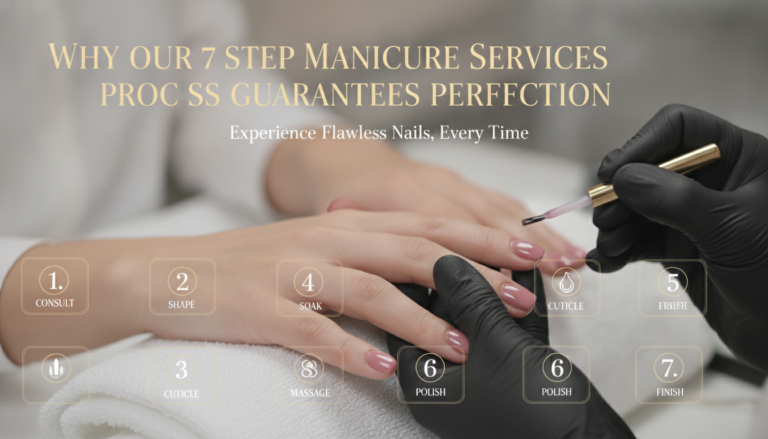 Why Our 7 Step Manicure Services Process Guarantees Perfection
 Which Manicure Services Is Recommended For Very Short Nails
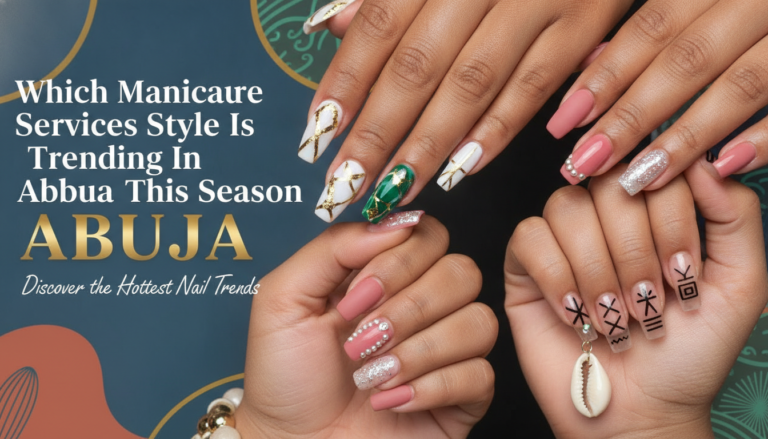 Which Manicure Services Style Is Trending In Abuja This Season
 7 Reasons Our Signature Manicure Services Is Highly Addictive
 Which Manicure Services Is Best For People Who Work With Their Hands