
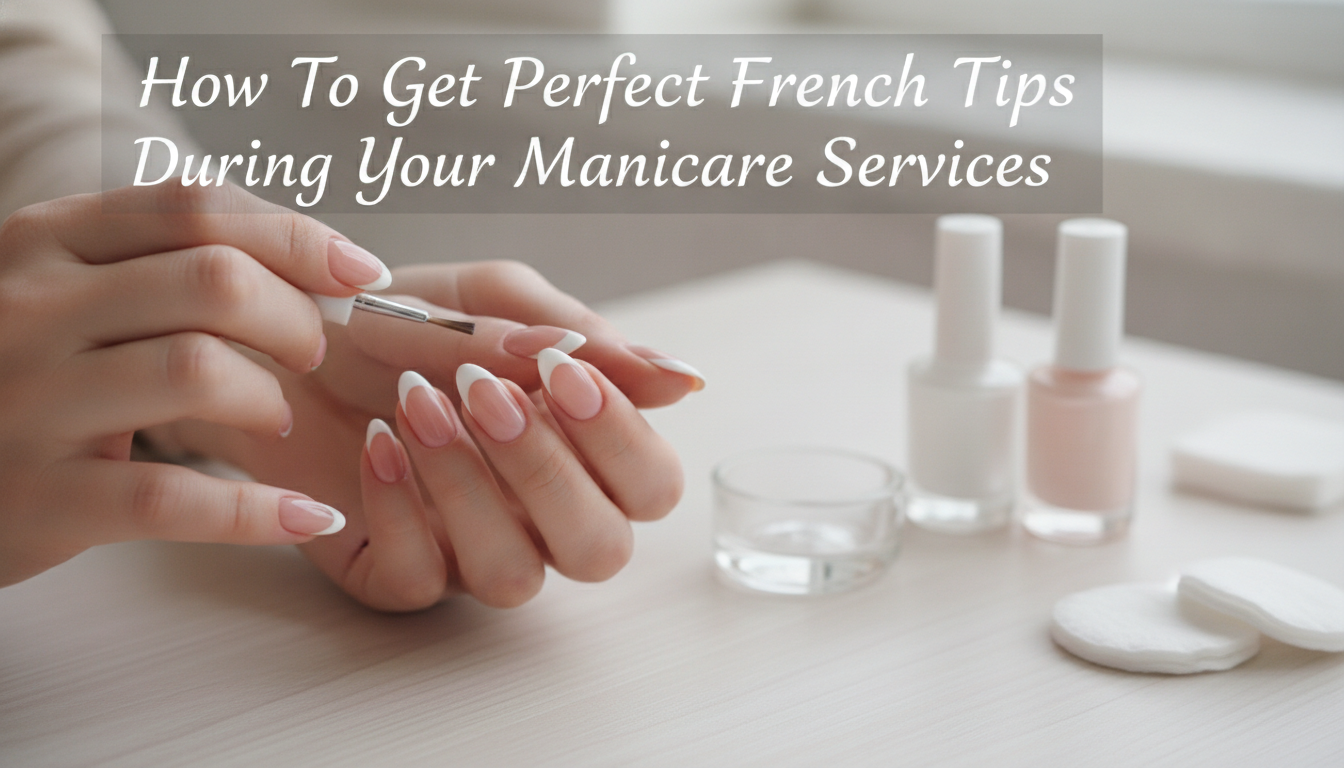
There’s something timeless about a perfect set of French tips. Clean, bright, and effortlessly polished — the French manicure has been a staple of nail care for decades, and it shows no signs of fading. But if you’ve ever tried to recreate those crisp white tips at home, you already know how tricky it can be to get them looking truly flawless. During a professional manicure service, the difference between average and stunning often comes down to technique, product quality, and a few insider details most people never think about. Whether you’re heading to a salon for the first time or looking to get more from your next appointment, this guide walks you through exactly how to get perfect French tips — and what to expect when you sit down in that chair.
What Makes French Tips So Difficult to Get Right
The French manicure looks simple, and that’s precisely what makes it so hard to execute well. There’s nowhere to hide an uneven line or a shaky hand. The contrast between the natural pink base and the bright white tip means every imperfection is immediately visible.
Unlike a block colour where minor wobbles blend in, French tips demand precision. The smile line — the curved edge where the white tip meets the nail bed — needs to be symmetrical across all ten nails. Achieving that consistency is something that takes practice, the right tools, and a steady technique.
That’s why so many people who attempt it at home end up frustrated. Even experienced nail enthusiasts struggle with it. A trained nail technician, on the other hand, has the muscle memory and the professional-grade products to make the process look easy.
How to Prepare for Your French Tip Manicure Service
Start With Your Nails in Good Condition
The canvas matters. If your nails are brittle, peeling, or uneven before you walk in, even the best technician will have limitations. In the days leading up to your appointment, keep your hands moisturised and avoid activities that could cause breakage or lifting.
Drink plenty of water — hydration affects nail strength more than most people realise. Nails that are dry and fragile tend to chip faster after a manicure, especially at the tips where French whites are most exposed.
Avoid DIY Prep Right Before Your Appointment
This one surprises a lot of people. Filing your nails the day before or trimming your cuticles at home can actually make your technician’s job harder. Home filing often leaves rough edges or creates an uneven shape that the salon then has to correct. Let the professionals handle prep from scratch — it gives them full control over the foundation.
Think About the Shape You Want
French tips work differently depending on nail shape. A square or squoval shape gives that classic, structured look. Almond or oval nails create a softer, more elongated smile line. Stiletto nails push the French look into something more editorial.
Come into your appointment knowing what direction you want to go. Your technician can advise, but having a preference speeds things up and ensures you get a result you’re happy with.
The Step-by-Step Process Behind Perfect French Tips
Understanding what happens during the service helps you communicate better with your technician — and it helps you appreciate why rushing through any stage causes problems.
Step 1 — Nail Shaping and Surface Prep
Everything starts here. The technician will file your nails to your chosen shape, buff the surface lightly to remove any ridges, and clean under the free edge. This takes time, and it should. Skipping or rushing this stage often results in polish that lifts within a few days.
Step 2 — Cuticle Care
Cuticles are pushed back gently, and any excess skin is removed. This step isn’t just about aesthetics — it directly impacts how cleanly the base coat applies and how long the manicure lasts. If product creeps onto the cuticle area, lifting starts almost immediately.
Step 3 — Base Coat Application
A good base coat does two things: it protects the natural nail from staining and it gives the subsequent layers something to bond to. For French tips, a sheer pink or natural-tone base is usually applied at this stage. Two thin coats work better than one thick one — they dry more evenly and create a cleaner surface.
Step 4 — The White Tip
This is the make-or-break moment. There are a few different ways technicians apply the white tip, and each has its strengths.
- Freehand technique: The most skill-intensive method. The technician draws the smile line by hand using a thin nail art brush or the tip of a white polish brush. When done well, it looks the most natural.
- French tip guides (stickers): Adhesive strips placed just below the free edge act as a guide for a clean, even line. These are reliable but can sometimes produce a line that looks slightly too perfect — almost stiff.
- Gel with a mould: For gel French tips, some technicians use a shaped form that helps set the tip in exactly the right position before curing under UV light.
The best technicians combine methods — using a guide for consistency and then refining the shape freehand for a more natural, curved result.
Step 5 — Blending and Finishing
The harsh edge where white meets pink is softened with a blending technique — sometimes a translucent layer of gel or polish is swept over the transition zone. This is what separates a flat, obvious French tip from one that looks like it grew out of the nail naturally. A glossy top coat seals everything and adds the signature high-shine finish.
Getting Perfect French Tips With Gel vs. Regular Polish
One of the most common questions clients ask is whether they should go with gel or traditional polish for their French tips. Both are valid — but they behave very differently.
Regular polish French tips are beautiful but require more maintenance. They tend to chip at the white tip within seven to ten days, particularly on nails that are regularly in contact with water. They’re also harder to build up to an opaque white without multiple coats.
Gel French tips, on the other hand, cure to a hard, durable finish under UV light. They typically last two to three weeks without chipping. The white can be applied more precisely and built up with more control, which is why gel is the preferred choice for many professional nail technicians when doing French tips.
The trade-off is removal — gel requires soaking or careful filing to remove safely, and doing it incorrectly can damage the nail plate. Always have gel removed professionally rather than peeling or picking it off.
Common Mistakes That Ruin French Tips (And How Professionals Avoid Them)
Uneven Smile Lines
This is the most visible flaw in any French manicure. Even a 1mm difference between nails is obvious. Professional technicians use consistent brush pressure and often pause to check both hands together before moving to the next nail. Rushing this step is the most common cause of asymmetry.
White That’s Too Thick or Too Flat
Overly opaque white looks harsh and artificial. The goal is a crisp but slightly translucent white — one that has depth rather than looking like correction fluid painted on the nail. Good technicians layer the white in thin passes rather than going heavy in one coat.
Lifting Around the Edges
When polish is applied too close to the skin or cuticle, it lifts within days. Every layer — base, colour, top coat — should stop just short of the skin. This tiny gap is invisible to the eye but makes an enormous difference to longevity.
Skipping the Top Coat
Some clients think skipping top coat will make the finish look more natural. It won’t — it’ll just make the manicure dull and prone to chipping. A good glossy top coat enhances the contrast between the white tip and the natural base, which is exactly what makes French tips look so clean and polished.
Aftercare Tips to Keep Your French Tips Looking Fresh
The work doesn’t stop when you leave the salon. How you treat your nails in the days that follow has a significant impact on how long your manicure lasts.
- Wear gloves when washing dishes or cleaning — water and harsh detergents are the enemies of any manicure, but they’re particularly damaging to the free edge where French tips are most vulnerable.
- Apply cuticle oil daily. This keeps the skin around the nail hydrated and reduces lifting.
- Avoid using your nails as tools. Opening cans, peeling stickers, or picking at labels will chip the white tips faster than almost anything else.
- If you notice a small chip, a clear top coat applied over the area can buy you a few extra days before your next appointment.
Most professional French manicures with gel last between two and three weeks. Regular polish typically needs a refresh at the one-week mark. Plan your salon visits accordingly — if you have an important event, book your appointment two to three days before, not the morning of, to give any minor adjustments time to be made.
How Abuja’s Climate Affects Your Manicure
If you live in Abuja, there’s a seasonal factor worth thinking about. During harmattan season — typically running from November through March — the dry, dusty air strips moisture from everything, including your nails. Nails become more brittle and prone to breakage during this period, which means French tips are more likely to crack or lift at the edges.
Counter this by increasing how often you apply cuticle oil and hand cream during harmattan months. Ask your technician about adding a strengthening treatment to your manicure service during this period — a nail hardener or nourishing base coat can make a real difference to longevity.
For busy professionals in the FCT juggling packed schedules, long commutes, and frequent events, keeping your nails looking impeccable requires a bit of forward planning. Booking a gel French manicure every three weeks rather than scrambling for a repair before a work meeting or wedding gives you consistent results without the stress.
What to Look for in a Salon for French Tip Manicure Services
Not every nail service is created equal. When choosing where to have your French tips done, a few specific things are worth checking.
Hygiene Standards
Tools should be sterilised between clients — not just wiped down. Single-use items like nail files and buffers should be disposed of after each appointment. Don’t be shy about asking how a salon handles sanitation. A reputable salon will have clear protocols and will be happy to walk you through them.
Product Quality
The polishes and gels used in your manicure matter more than people realise. Low-quality products often contain harsh chemicals — formaldehyde, toluene, and dibutyl phthalate are the main ones to avoid. Eco-friendly and cruelty-free nail products are now widely available at professional grade, and they perform just as well without the chemical load.
Technician Experience
French tips specifically benefit from an experienced hand. If you’re visiting a new salon, ask whether any of their technicians specialise in nail art or have particular experience with French manicures. Looking at a portfolio of their work on social media is also a good way to gauge the quality before you commit.
Why Luxor Salon and Spa is a Go-To for French Tip Manicures in Abuja
Luxor Salon and Spa has been operating in Abuja since 2013, which means over a decade of experience in understanding what clients in this city actually need from their nail services. That kind of established presence matters — it translates into refined technique, consistent quality, and a team that has worked through every nail challenge imaginable.
Both branches — the ultra-modern Maitama location at 56 Usuma Street, Off Gana Street, and the flagship Wuse 2 branch at 792b Adetokunbo Ademola Crescent — are open 24/7. That’s a genuine convenience benefit for Abuja’s busy professional class. Whether you need a lunchtime appointment or an early morning slot before a big meeting, the flexibility is there.
Luxor uses eco-friendly and cruelty-free products, including locally sourced organic ingredients where relevant. For clients who care about what goes on their nails and skin — especially during longer services — that matters. You’re not just getting beautiful French tips; you’re getting them done with products that meet a responsible standard.
Frequently Asked Questions
How long does a French tip manicure service take?
A standard French tip manicure with regular polish typically takes between 45 minutes and one hour. Gel French tips can take slightly longer — usually 60 to 75 minutes — because of the curing steps under UV light. If you’re adding nail art, nail extensions, or a treatment, budget extra time.
How often should I get my French tips redone?
With regular polish, most people find a refresh every 7 to 10 days keeps their tips looking fresh. Gel French manicures generally last 2 to 3 weeks before the growth at the base becomes visible. During harmattan season in Abuja, when nails tend to dry out faster, you may want to book slightly more frequently.
Can French tips be done on short nails?
Yes — and they can look beautiful on shorter nails too. The key is in the proportions. A thinner white tip on a shorter nail looks more natural than a thick band. Your technician will adapt the technique to suit your nail length and shape, so don’t assume French tips are only for longer nails.
Is it worth getting gel instead of regular polish for French tips?
For most people, yes. Gel French tips last significantly longer, resist chipping better, and tend to look more polished because the product gives the technician more control over building up the white tip precisely. If you’re preparing for a wedding, event, or a busy few weeks where you won’t have time for touch-ups, gel is the smarter investment.
Which Luxor branch should I visit, and do I need to book in advance?
Choose whichever branch is most convenient for you — the Maitama branch at 56 Usuma Street is ideal if you’re on the north side of the city, while the Wuse 2 branch at 792b Adetokunbo Ademola Crescent is centrally located in Abuja’s commercial hub. Both are open 24/7, so walk-ins are welcome, but booking in advance is always recommended to secure your preferred time slot, especially around weekends and public holidays.
Making the Most of Your Next French Tip Manicure
Perfect French tips don’t happen by accident. They’re the result of proper preparation, skilled technique, quality products, and the right aftercare. Understanding the process — from nail shaping all the way through to the final top coat — helps you make better decisions at every stage, whether that’s choosing between gel and regular polish, knowing what to ask your technician, or protecting your nails through Abuja’s dry harmattan months.
The details that most people overlook — the blending of the smile line, the quality of the base coat, the hydration of the cuticle area — are the details that separate a manicure that lasts a week from one that looks stunning for three. When you know what to look for, you get better results every single time.
Ready to book your French tip manicure or have a question about what’s right for your nails? Reach the Luxor Maitama branch at moc.apsdnanolasroxul@ofni or call (+234) 701 888 0102. For the Wuse 2 branch, get in touch at moc.apsdnanolasroxul@2esuw or call (+234) 701 888 0100. Both branches are open 24/7, so whenever you’re ready, the team is there. You can also book online and choose whichever time and location works best for you.
Related Posts
 Why Our 7 Step Manicure Services Process Guarantees Perfection
 Why Our Express Manicure Services Is Perfect For Busy Abuja Schedules
 7 Ways To Maximize Relaxation During Your Facials Services
 What Manicure Services Includes A Luxury Hand Scrub And Mask
 Why Combining Pedicure Services And Manicure Services Is A Smart Choice
 Why Luxor Salon Excels In Creative Manicure Services And Nail Art
 When Is The Ideal Time To Get A Quick Manicure Services Touch Up
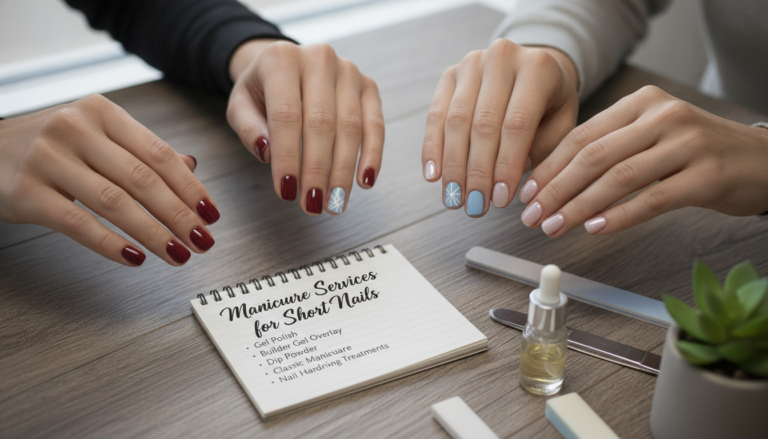 Which Manicure Services Is Recommended For Very Short Nails