

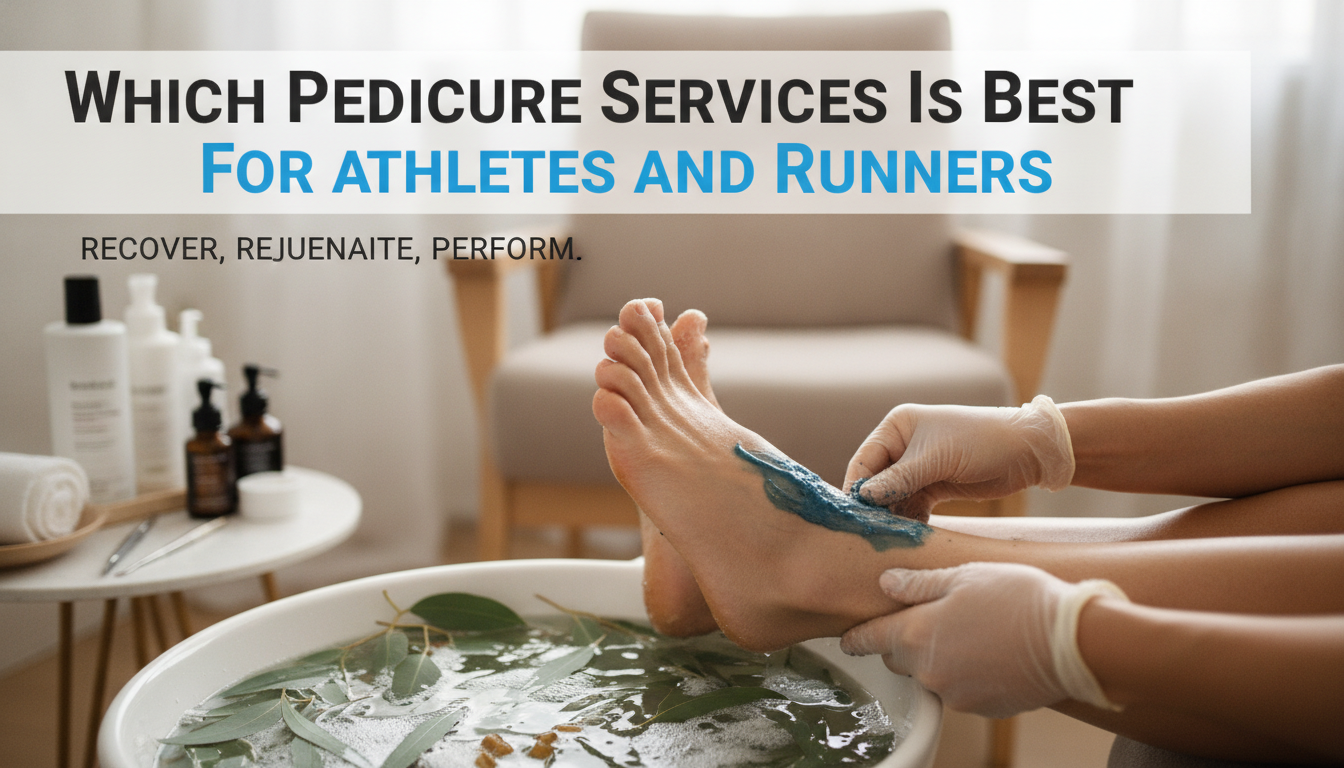
If you’re a runner or athlete in Abuja, your feet take a serious beating. Between long-distance training runs, court sessions, track workouts, and everything in between, the pressure on your feet is relentless. That’s why choosing the right pedicure services for athletes and runners isn’t just about aesthetics — it’s about foot health, performance, and recovery. A well-chosen treatment can mean the difference between painful blisters that sideline you for a week and feet that are strong, smooth, and ready for your next session.
Why Athletes Need More From a Pedicure
Most standard pedicures are designed with comfort and cosmetic appeal in mind. They work beautifully for the average person who spends most of their day in sandals or office shoes. But runners and athletes deal with a completely different set of foot concerns — and a basic polish and soak simply won’t cut it.
Think about what your feet go through during a 10K run: repeated impact, friction inside your trainers, heat, sweat, and pressure on specific pressure points. Over time, this leads to thickened skin, calluses, cracked heels, blackened or damaged toenails, and in some cases, fungal infections from prolonged moisture. These aren’t just cosmetic problems — they can affect your gait, cause discomfort during training, and if left untreated, lead to more serious injuries.
A good sports-focused pedicure addresses all of this directly. It’s therapeutic as much as it is grooming. The goal is healthier, stronger, more resilient feet — not just prettier ones.
The Best Pedicure Services for Runners and Athletes
Medical-Grade Callus Removal
Calluses are a natural response to friction and pressure. Your skin thickens to protect itself — which sounds helpful, until that thickened skin becomes so hard it starts causing pain, cracking, or affecting how your foot strikes the ground.
Medical-grade callus removal uses professional tools and techniques to gently but effectively reduce the build-up without over-removing skin. This is important because a thin layer of protective skin is actually beneficial for athletes — you don’t want your soles completely raw before a race. Skilled therapists know exactly how much to remove and where.
This treatment is particularly useful around the ball of the foot, the heel, and the sides of the big toe — the three areas that absorb the most impact during running.
Sports Pedicure
This is the treatment most specifically designed with active feet in mind. A sports pedicure typically includes a deep foot soak, thorough exfoliation, callus treatment, toenail shaping and trimming, cuticle care, and a targeted foot and lower leg massage to ease tired muscles.
The toenail shaping component is particularly critical for runners. Nails that are too long can press against the front of your shoe during downhill runs, leading to bruising under the nail — a painful and common problem among long-distance runners. Trimming nails straight across at the right length significantly reduces this risk.
A sports pedicure session typically runs between 60 and 75 minutes, giving enough time to address problem areas properly rather than rushing through the process. Many athletes in Abuja book one every three to four weeks during heavy training periods.
Deep Exfoliation and Foot Scrub Treatments
Exfoliation removes the dead skin cells that accumulate rapidly on an active person’s feet. Unlike a light scrub you might do at home, a professional deep exfoliation uses finely milled scrubs or chemical exfoliants (such as alpha hydroxy acids) that work more effectively on roughened athlete’s skin.
After treatment, feet feel noticeably softer and are better able to absorb moisturising products — which matters because well-hydrated skin is less likely to crack or blister during training. If you’ve ever noticed your heels splitting during dry harmattan months in Abuja, a regular exfoliation and moisturising routine (ideally starting with a professional treatment) makes a significant difference.
Paraffin Wax Treatment
Paraffin wax is a deeply moisturising treatment where your feet are coated in warm, melted wax and then wrapped to allow the heat and moisture to penetrate the skin. The result is noticeably softer, more supple skin — and for athletes, the heat element also has a gentle therapeutic effect on sore joints and tight connective tissue.
This treatment is especially useful in the harmattan season when the dry, dusty conditions in Abuja cause skin to dehydrate rapidly. Runners who train outdoors in the early mornings or evenings during these months often find their heel skin cracking badly without adequate moisturisation. Paraffin wax offers a solution that goes deeper than surface-level lotions.
Foot and Lower Leg Massage
Often included as part of a pedicure package, a good foot and lower leg massage works on the plantar fascia (the band of tissue running along the bottom of your foot), the Achilles tendon area, and the calf muscles. These are the exact areas that take the most strain during running and court sports.
Even a 15 to 20-minute massage at the end of a pedicure session can improve circulation, reduce muscle tightness, and speed up recovery. For athletes dealing with the early signs of plantar fasciitis — that sharp heel pain in the morning — regular massage is a recognised part of conservative management alongside stretching and footwear adjustments.
What to Avoid in a Pedicure if You’re an Athlete
Not everything offered in a standard pedicure menu is right for active feet. Knowing what to skip can save you from discomfort or worse.
- Cutting cuticles aggressively: This opens small wounds around the nail that are vulnerable to infection — especially if you’re training in sweaty shoes for hours at a time.
- Over-removing calluses: Removing too much protective skin leaves your soles tender and more susceptible to blistering during your next training session. Give yourself at least 24 to 48 hours after a pedicure before your next long run.
- Gel or acrylic nail overlays: These add artificial thickness and can interfere with how your toes sit inside your shoe, increasing the likelihood of nail trauma during runs. Keep it natural.
- Using unsterilised tools: Athletes are particularly vulnerable to fungal nail infections. Always ensure the salon follows proper hygiene protocols — instruments should be sterilised between clients, and foot baths should be properly cleaned and disinfected.
How Often Should Athletes Book Pedicure Services?
Frequency depends on your training volume and the specific condition of your feet. As a general guide:
- High-volume runners (training five or more days a week): Every three weeks is reasonable, with focus on callus management and toenail care.
- Moderate athletes (three to four sessions per week): Once a month tends to be enough to keep feet in good condition.
- Pre-race or pre-event: Book a pedicure seven to ten days before a major race — close enough for the benefits to carry through, but with enough recovery time so your skin isn’t freshly sensitised on race day.
Abuja’s active lifestyle — from the early morning joggers along the Maitama and Wuse 2 corridors to the weekend football groups and athletics club members — means there’s a real and growing community of people who understand the value of consistent foot care as part of their training routine.
What to Look for in a Salon Offering Pedicure Services for Athletes
Not every salon is equally equipped to handle sports-specific foot care. Here’s what matters when you’re choosing where to go.
Hygiene Standards
This is non-negotiable. A reputable salon should sterilise metal implements between every client, use disposable liners in foot baths, and maintain a visibly clean treatment environment. Ask directly about their sterilisation process if you’re unsure — a good salon will answer without hesitation.
Trained Therapists
Foot care for athletes benefits from therapists who understand the anatomy of the foot and can identify common runner’s complaints like ingrown toenails, plantar pressure points, and early-stage fungal issues. Experienced therapists can adjust their technique and pressure based on what your feet actually need, rather than applying a one-size-fits-all approach.
Quality Products
The products used during and after a pedicure matter. Look for salons that use professional-grade, eco-friendly, and ideally cruelty-free products — particularly for exfoliants and moisturisers. Products made with locally sourced organic ingredients tend to be gentler and more effective on skin that’s already been through repeated stress. Harsh synthetic ingredients can strip essential oils and leave skin more vulnerable, not less.
Aftercare Advice
A quality salon doesn’t just send you out the door with pretty nails. Therapists should be able to advise you on home maintenance — how to moisturise correctly, when to trim your nails, and what signs to watch for that might indicate a developing problem like a fungal infection or an ingrown nail.
Luxor Salon and Spa: Serving Abuja’s Active Community Since 2013
Established in 2013, Luxor Salon and Spa has built a reputation across Abuja for professional, results-focused beauty and wellness services. Both branches are open 24/7 — a genuine advantage for athletes who train early in the morning or late at night and need flexibility in when they can book their foot care appointments.
Luxor uses eco-friendly and cruelty-free products as part of its standard operating approach, with locally sourced organic ingredients incorporated where possible. This matters for athletes whose skin is already under stress — you want products that heal and nourish, not ones that add further chemical burden to already hard-working skin.
The Maitama branch, located at 56 Usuma Street, Off Gana Street, is an ultra-modern facility in one of Abuja’s most prestigious districts — convenient for athletes and professionals based in that part of the city. The Wuse 2 branch, at 792b Adetokunbo Ademola Crescent, sits in the heart of Abuja’s commercial hub and is the flagship location, equally well-equipped and staffed by experienced therapists.
Whether you’re closer to Maitama or Wuse 2, you can access the same standard of care without having to travel across the city — which, anyone who navigates Abuja traffic regularly will appreciate.
Frequently Asked Questions
What type of pedicure is best for runners specifically?
A sports pedicure is the most targeted option — it combines callus management, proper toenail trimming, exfoliation, and a therapeutic massage into a single session. If your main concern is dry or cracked skin, adding a paraffin wax treatment is worth considering. The right combination depends on your training load and the current condition of your feet, which an experienced therapist can assess at the start of your appointment.
Is it safe to get a pedicure right before a race?
It’s advisable to book your pedicure seven to ten days before a major race rather than the day before. Freshly treated skin, especially after callus removal or deep exfoliation, can be slightly more sensitive for a day or two. Giving yourself a week’s gap means your feet have recovered from the treatment and are in peak condition for race day.
How do I know if I have a fungal nail infection, and can a pedicure help?
Fungal nail infections typically appear as yellowing, thickening, or brittleness of the nail — often starting at the edges or under the nail bed. A pedicure cannot treat an active fungal infection (that requires antifungal medication), but maintaining clean, well-trimmed nails and keeping feet dry reduces the risk significantly. Always inform your therapist if you suspect a fungal issue so they can take appropriate care and avoid spreading it.
How often should I get a pedicure if I run regularly?
For most active runners, once every three to four weeks strikes the right balance — frequent enough to keep calluses managed and toenails in good shape, but not so frequent that you’re over-treating your feet. During high training periods or harmattan season when skin dries out faster, you might lean toward the shorter end of that range.
Which Luxor branch should I visit, and do I need to book in advance?
Both branches offer the same high standard of service — the Maitama branch at 56 Usuma Street suits those based in or near the northern districts, while the Wuse 2 branch at 792b Adetokunbo Ademola Crescent is ideal if you’re working or training in the city centre. Booking in advance is recommended, especially if you have a preferred time slot or are coming before a race or event — though Luxor is open 24/7, so there’s flexibility to fit your schedule.
Conclusion
Your feet are the foundation of everything you do as a runner or athlete. Investing in the right pedicure services isn’t indulgent — it’s practical, preventative, and directly connected to how well you perform and recover. From sports pedicures and callus treatments to deep exfoliation and paraffin wax, there are real, evidence-backed options that address the specific demands active feet face. The key is finding a salon that understands those demands, uses quality products, and applies professional-level care every time.
If you’re based in Abuja and you’re serious about your training, make foot care a consistent part of your recovery routine — not something you only think about when a problem arises. Book ahead of your races, keep up a regular maintenance schedule, and trust trained therapists to help you stay on your feet and performing at your best.
Ready to book or have a question? Reach Luxor’s Maitama branch at moc.apsdnanolasroxul@ofni or (+234) 701 888 0102, or the Wuse 2 branch at moc.apsdnanolasroxul@2esuw or (+234) 701 888 0100. Both branches are open 24/7 and happy to help you find the right treatment for your feet. You can also book online at your convenience — choose whichever branch works best for you and take the first step toward healthier, stronger feet.