

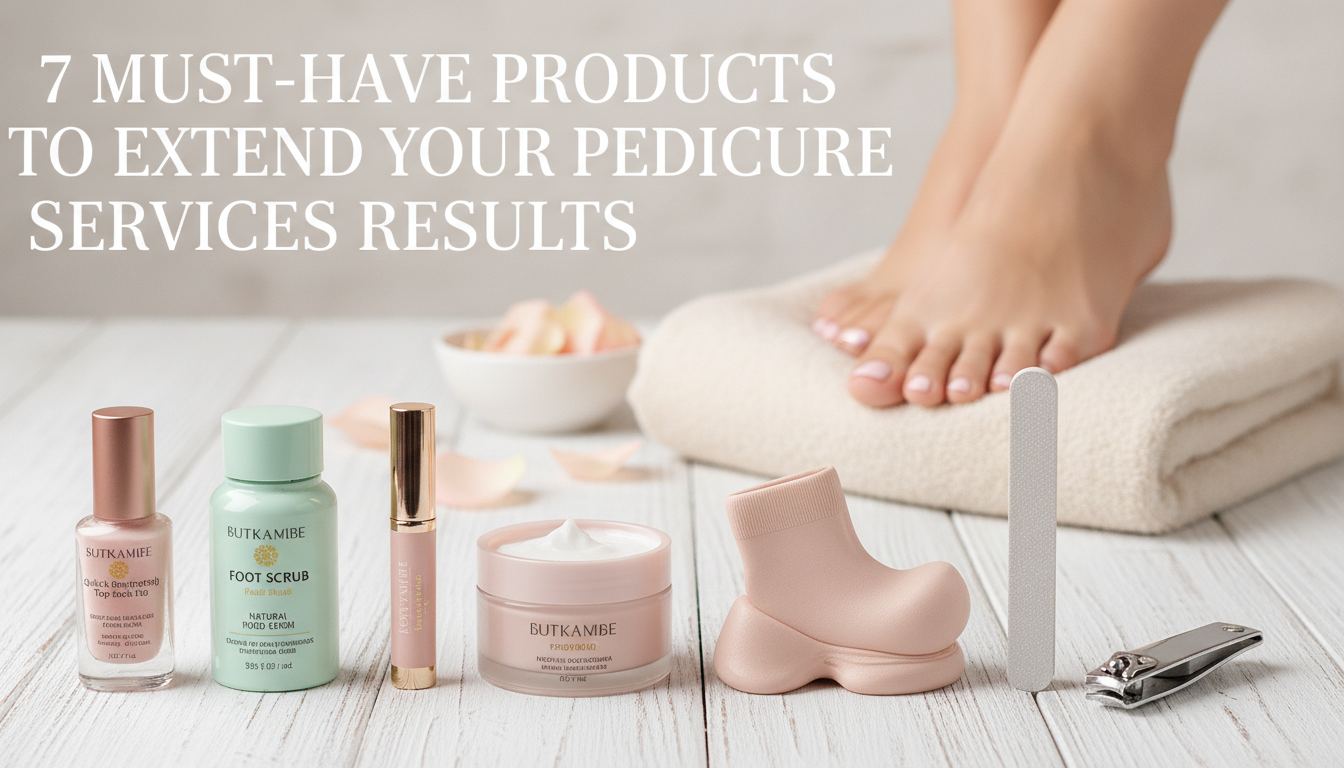
A fresh pedicure feels incredible walking out of the salon — your feet look polished, your skin feels soft, and your nails are perfectly shaped. But within days, the results can start to fade if you’re not using the right products to extend your pedicure services results at home. The good news? With a smart aftercare routine and a handful of key products, you can keep that just-left-the-salon feeling going for weeks, not just days.
Whether you’re a regular at a professional nail salon or you’re building a home maintenance routine between appointments, these seven product categories are the ones that genuinely make a difference. And if you’re based in Abuja, where harmattan season, daily commutes, and open-toe sandal culture put serious wear on your feet, this list is especially worth bookmarking.
Why Pedicure Results Fade Faster Than You Think
Before diving into the products, it’s worth understanding why results don’t last as long as we’d like. Your feet deal with more daily friction than any other part of your body — shoes, floors, pavements, and the dry Abuja air during harmattan season all take a toll.
Dead skin builds up quickly on the heels and soles. Nail polish chips when cuticles aren’t kept soft and moisturised. And without regular hydration, the deep exfoliation from a professional pedicure loses its effect in under a week. The right aftercare products slow all of this down significantly.
1. A High-Quality Foot Cream (Not Body Lotion)
This is the single most important product you can use to extend your pedicure services results. Foot skin is thicker and drier than the skin on your legs or arms, which means it needs a richer, more targeted formula.
Look for foot creams that contain urea (ideally 10–25%), shea butter, or lactic acid. Urea is particularly effective because it both softens the skin and helps it retain moisture — it’s a key ingredient in many podiatrist-recommended formulas. Apply generously every night before bed and pull on a pair of cotton socks to lock in the moisture while you sleep.
Harmattan-Proof Your Routine
In Abuja, the harmattan season (typically November through February) strips moisture from the skin at an accelerated rate. During these months, once-a-day application isn’t enough. Consider applying foot cream in the morning as well, especially if you wear sandals or open-toe shoes to work.
2. Cuticle Oil — The Secret to Long-Lasting Polish
If your nail polish is chipping within four or five days of a pedicure, dry cuticles are likely the culprit. When the skin around your nails dries out and begins to lift, it creates a gap that allows polish to peel from the edges inward.
Cuticle oil — typically made with jojoba, almond, or vitamin E oil — keeps the surrounding skin supple and helps the nail bed stay flexible rather than brittle. Apply it daily, ideally after washing your feet or showering when the skin is slightly damp and more receptive to oils.
A small dropper bottle of cuticle oil costs very little and lasts for months. It’s one of those products that delivers a disproportionate return on investment when it comes to keeping your pedicure looking fresh.
3. A Gentle Foot Scrub for Weekly Maintenance
Professional pedicures often include a deeper exfoliation treatment that removes accumulated dead skin. But without ongoing maintenance at home, that buildup returns quickly — sometimes within 10–14 days.
Using a gentle foot scrub once or twice a week keeps dead skin from piling up on your heels and the balls of your feet. Look for scrubs that combine a physical exfoliant (like pumice or sugar granules) with moisturising ingredients, so you’re not just stripping the skin — you’re also conditioning it.
How to Use It Correctly
- Soak your feet in warm water for 5–10 minutes first to soften the skin
- Apply the scrub in circular motions, focusing on heels and dry patches
- Rinse thoroughly and follow immediately with foot cream
- Avoid over-exfoliating — twice a week is sufficient for most people
Over-exfoliation can irritate the skin and actually accelerate dryness, so more isn’t always better here.
4. A Long-Wear Top Coat to Protect Your Polish
Even the best salon-applied polish will chip faster without a protective top coat applied at home. A quality top coat creates an additional seal over the colour, reducing exposure to water, friction, and UV light — all of which degrade nail polish over time.
Apply a thin layer every three to four days, rather than waiting until the polish starts to chip. This “refresh coat” technique is widely used by nail technicians to extend client results between appointments. Gel-effect top coats offer particularly strong durability and are worth the slightly higher price point.
5. A Pumice Stone or Foot File for Between Sessions
Unlike a foot scrub (which exfoliates the surface uniformly), a pumice stone or foot file targets specific areas of hard skin — particularly the heels, the outer edge of the big toe, and the balls of the feet. These are the spots most prone to calluses, especially if you spend long hours on your feet or walk on hard surfaces regularly.
Use it once a week on damp skin — never on dry feet, as this can cause micro-tears. The goal isn’t to remove all hardened skin in one session; it’s gentle, consistent reduction over time. Within two to three weeks of regular use, you’ll notice your heels staying smoother for longer between professional pedicures.
When to Skip It
If you have diabetes or any condition affecting foot circulation or sensation, skip the pumice stone and rely on professional treatment instead. A trained therapist at a certified salon will have the expertise to handle your feet safely.
6. Foot Soak Salts or Tablets
A weekly foot soak is underestimated as a maintenance tool. Beyond the obvious relaxation benefit, soaking your feet in warm water with Epsom salts or a specialised foot soak tablet softens the skin, reduces inflammation, and preps the feet for exfoliation or moisturising treatments.
Epsom salt (magnesium sulphate) has long been used to soothe tired feet and reduce swelling — something Abuja’s busy professionals who commute long distances or spend hours in meetings standing in heels will appreciate more than most. A 15–20 minute soak once or twice a week is enough to notice a real difference in skin texture and overall foot comfort.
Some foot soak products also include tea tree oil or peppermint extract, which have mild antifungal and antibacterial properties — helpful for maintaining the hygiene standards set during a professional pedicure.
7. SPF Foot Lotion for Open-Toe Season
This one surprises people, but it matters. In Abuja’s climate, where the sun is intense for the majority of the year, the tops of your feet are frequently exposed — in sandals, open-toe heels, slides, or during outdoor events. UV exposure causes the skin to dry out faster, accelerates the fading of nail polish colour, and contributes to uneven skin tone over time.
A lightweight SPF lotion (SPF 30 or higher) applied to the tops of your feet each morning takes less than ten seconds and genuinely extends how good your pedicure looks. It also protects against hyperpigmentation, which can develop slowly and is much harder to reverse than it is to prevent.
How These Products Work Together
Using all seven products doesn’t mean you need a complex, hour-long routine. The reality is much simpler:
- Daily: Foot cream morning and night, cuticle oil, SPF lotion on sun-exposed skin
- 2–3 times per week: Refresh your top coat
- Once or twice a week: Foot soak, followed by gentle exfoliation with a scrub or pumice stone
That’s it. When done consistently, this routine can extend the visible results of a professional pedicure from 1–2 weeks to 3–4 weeks — cutting your appointment frequency without compromising how your feet look and feel.
What to Look for in the Products You Buy
Not all foot care products are equal. Certified organic and cruelty-free formulations are worth seeking out — they’re less likely to contain harsh synthetic fragrances or alcohol-based ingredients that can undo the moisturising work you’re trying to achieve. Products that use locally sourced organic ingredients are also increasingly available and often better suited to the local climate.
When in doubt, ask your pedicure technician what they recommend. A good salon will have brand preferences based on real results with their clients — and that recommendation is far more reliable than a label claim alone.
Frequently Asked Questions
How long should a professional pedicure realistically last?
With no aftercare, a pedicure typically looks its best for 7–10 days. With a consistent at-home routine using the products above, you can realistically extend that to 3–4 weeks. Nail polish longevity depends on the formula used — gel pedicures generally last longer than regular polish, sometimes up to 4–6 weeks with proper care.
Is it worth getting a professional pedicure if I’m doing home maintenance anyway?
Absolutely. Professional pedicures offer a level of deep exfoliation, cuticle care, and nail shaping that’s difficult to replicate at home. They also allow a trained therapist to spot early signs of nail or skin issues — like fungal infection or ingrown nails — before they become more serious problems. Think of home maintenance as protecting the investment of your professional treatment, not replacing it.
How often should I book a pedicure appointment?
Most nail technicians recommend booking every 4–6 weeks. If you’re in Abuja during harmattan season and your feet dry out faster than usual, or if you’re preparing for a wedding or major event, a 3-week interval might suit you better. Your technician can advise based on your specific nail and skin type.
Which Luxor branch should I visit?
Luxor has two conveniently located branches in Abuja — the Maitama branch at 56 Usuma Street, Off Gana Street, in one of the city’s most prestigious districts, and the Wuse 2 flagship location at 792b Adetokunbo Ademola Crescent, right in the heart of Abuja’s commercial hub. Both branches are open 24/7, so you can choose whichever is closest to your home or office, or book whenever your schedule allows.
Do I need to book in advance or can I walk in?
Booking in advance is always recommended, especially around weekends, public holidays, and wedding season when availability fills up quickly. That said, Luxor’s 24/7 operating hours across both branches do provide flexibility. You can book online or reach out directly to either branch to check same-day availability.
Final Thoughts on Extending Your Pedicure Results
Getting a pedicure is genuinely enjoyable — but making those results last is where the real value lies. The seven products covered here aren’t complicated or expensive, and none of them require a lengthy routine. What they do require is consistency. Applied regularly, they keep your skin soft, your cuticles healthy, your polish intact, and your feet looking like you just stepped out of the salon — even three weeks later.
If you’re in Abuja and you’re not already pairing your salon visits with a solid home care routine, now is a great time to start. And if you’re overdue for a professional treatment to reset your results, Luxor Salon and Spa — established in 2013 and trusted by clients across the FCT — offers expert pedicure services at both its Maitama and Wuse 2 locations, using eco-friendly and cruelty-free products that complement every aftercare routine.
Ready to book, ask a question, or find out more? Reach out to the branch most convenient for you — Luxor is open 24/7 and always happy to help.
- Maitama Branch — 56 Usuma Street, Off Gana Street, Maitama, Abuja
Email: moc.apsdnanolasroxul@ofni
Phone: (+234) 701 888 0102 - Wuse 2 Branch — 792b Adetokunbo Ademola Crescent, Wuse 2, Abuja
Email: moc.apsdnanolasroxul@2esuw
Phone: (+234) 701 888 0100
Or, if you prefer, you can book online at your convenience — no phone call needed.