


A classic manicure and pedicure in Abuja is more than a cosmetic finish — it is one of the most practical maintenance routines you can keep, particularly when harmattan strips moisture from your hands and feet between October and February. Done correctly, with sterilised tools, properly formulated products, and a therapist who understands the demands of melanin-rich skin, a professional mani-pedi addresses dry cuticles, cracked heels, uneven tone around the nail beds, and surface discolouration that builds up over months of dust, open-toe shoes, and Abuja’s unpredictable weather.
What a Classic Manicure and Pedicure Actually Involves
The words “manicure” and “pedicure” get used loosely, and the gap between a rushed, low-hygiene nail bar and a properly structured treatment is significant. At Luxor Salon and Spa, both services follow a defined sequence — and understanding that sequence helps you know what to expect and why each step matters.
The Manicure Process
A thorough manicure begins with an assessment of the nail plate, cuticle condition, and surrounding skin. Your therapist looks at whether the nails are brittle or peeling, whether there is any lifting at the free edge (which can signal moisture imbalance or fungal activity), and what the skin tone and texture around the hands tells them about hydration needs. This consultation takes only a few minutes but shapes every product decision that follows.
From there, the steps run in a logical order: nail shaping using a file suited to your nail strength; cuticle softening with a dedicated preparation; gentle cuticle work to push back — not aggressively cut — the cuticle fold without damaging the eponychium; a hand soak or warm towel treatment; exfoliation across the hands and lower forearm; massage with a cream or oil chosen for your skin’s specific dryness level; and finally, base coat, colour if requested, and a top coat to seal and protect. Each product that touches your skin should be verifiably NAFDAC-registered. Unregistered nail and skin preparations circulate widely in Abuja and the wider Nigerian market, and some contain concentrations of ingredients that cause contact dermatitis, staining, or worse over repeated use.
The Pedicure Process
The pedicure mirrors this structure but addresses a different set of concerns. Feet take far more daily stress — hours in closed office shoes during a long workday in Maitama, or the grit and dust that settles into open sandals during the dry season. Cracked heels are extremely common in Abuja from roughly November onward as humidity falls sharply during harmattan. Skin that retained moisture through September and October begins to split at the heel margins by December, and a pedicure timed around that seasonal shift does meaningful preventive work.
The foot soak loosens hardened skin and relaxes the foot before any exfoliation or tool work begins. A paddle or pumice is used on the heel and ball of the foot to remove the outer layer of callus — carefully, because over-aggressive removal leaves the skin thinner and more vulnerable to the same cracking it was meant to address. Nail shaping follows, then cuticle care, then massage from foot to mid-calf with appropriate emollients, and finally colour if chosen. The full pedicure typically runs longer than a manicure for good reason: the feet simply need more time.
Why Hygiene Protocols Matter More Than Most Clients Realise
Nail services carry genuine infection risk when hygiene is treated as a checkbox rather than a practice. Fungal nail infections — onychomycosis — are among the most common cosmetic complaints in Nigeria and are almost always transmitted through contaminated implements, shared foot baths, or buffers used across multiple clients without proper disinfection between uses. Bacterial infections, including folliculitis around the cuticle margin, are also possible. In rare but documented cases, bloodborne transmission has occurred through improperly handled metal cuticle tools.
Luxor’s protocols address these risks directly. Metal tools are either autoclaved between clients or replaced with single-use options for the relevant steps. Files, buffers, and toe separators are disposable — a client’s file is either given to them at the end of the visit or discarded. Foot basins are disinfected between clients with an appropriate solution held for the correct contact time, not simply rinsed. If you have ever walked out of a nail appointment with a new ache around the nail bed, a slight redness that developed over the following days, or a nail that began lifting at the edge weeks later, there is a reasonable chance that instrument protocol was the problem.
If you have any existing nail condition — thickened, discoloured, or crumbling nails — do mention it before the appointment. These can be signs of a fungal infection that is cosmetic intervention-resistant, and a responsible therapist will advise you to see a dermatologist before applying product over an active infection.
Harmattan, Rainy Season, and How to Time Your Appointments
Abuja’s two distinct seasons create two very different sets of nail and skin challenges, and your mani-pedi schedule should reflect them.
During harmattan — roughly November through February — the Saharan dust and sharp drop in ambient humidity hit hands and feet first. Cuticles crack, heels split, and the skin around the nail fold loses the natural oils that normally keep it supple. This is the season when most people most need the hydration and barrier-restoration work a proper pedicure provides. If your heels were already splitting before your last appointment, a four-week gap is probably too long; a three-week schedule keeps ahead of the cracking rather than repairing it after the fact.
In the rainy season — roughly April through October — the challenges shift. Higher humidity reduces cracking, but perspiration and moisture trapped inside shoes can create the warm, damp environment in which fungal growth thrives. Regular nail maintenance during this period is less about hydration and more about keeping the nail plate clean, the cuticle area clear of product build-up, and the nail free from damage caused by swollen feet expanding against closed-toe shoes.
A Realistic Maintenance Timeline
- Every 2–3 weeks (harmattan): Prioritise pedicure to manage heel cracking and restore barrier moisture. Manicure can follow the same cadence if your hands are particularly dry or your work involves frequent hand-washing.
- Every 3–4 weeks (rainy season): Standard maintenance interval for both services. Focus shifts slightly toward cleanliness and shape maintenance over intense hydration.
- At 6–8 weeks: If you have been stretching appointments this long, your first return session will take longer — expect your therapist to do more corrective work on heel skin and cuticle build-up before the treatment proper begins.
- The day before a major event: Colour should go on as close to the event as possible. Schedule the full treatment for the day before to allow the top coat to cure fully and reduce chipping risk.
A Classic Mani-Pedi Before a Big Event: A Realistic Scenario
Imagine you have an owambe on a Saturday — aso-ebi already sorted, gele appointment confirmed, and a jewellery set sitting in its box ready to go. Your nails are the last thing you want failing you when you stretch out your hand for the greeting line or slip off your heels at the reception. Here is how a sensible pre-event nail plan actually works in practice.
Four weeks before: Book a full manicure and pedicure. If your heels are cracked or your cuticles are rough, this is the corrective session — more time on heel exfoliation, more intensive cuticle work, no colour yet or a neutral shade that gives your therapist a clean canvas to assess next time.
One to two weeks before: Rebook for a maintenance session. Nails are shaped and checked, any lifting at the free edge is addressed, hands are re-massaged. This is when you finalise your colour choice — something that works with the aso-ebi tones and the jewellery you have planned.
The day before: Final appointment. Colour applied with full base and top coat, heels softened and moisturised one more time. Your nails go to the event in the best condition they can be in, and the top coat has had time to fully harden overnight. You can book online for any of these sessions — including a late-evening slot if your day is too full for a daytime appointment.
The Aftercare Sequence That Actually Makes the Colour Last
A professional treatment is only half the equation. What you do in the days following determines whether your colour makes it to the event or chips before you even leave the house.
- First 24 hours: Avoid prolonged soaking — no dishes without gloves, no long baths, no steam rooms. The top coat needs this window to fully cure and bond.
- Days 2–4: Apply cuticle oil daily, morning and night. This is not a luxury step; it is maintenance that keeps the nail plate hydrated and prevents the edge lifting that allows water under the polish.
- Days 5–14: If you notice a small chip at the free edge, resist peeling it back. A small clear top coat touch-up at the tip extends the life of the colour significantly. Peeling damages the nail plate surface and makes the next colour application less even.
- Weeks 3–4 (rebooking window): This is the natural maintenance interval for both services. Return before the colour begins to grow out significantly — it is easier to maintain than to repair.
Choosing Between the Maitama and Wuse 2 Branches
Luxor has two Abuja locations, and the practical question is simply which side of the city suits you better on any given day. If you work or live in Maitama, Asokoro, or anywhere along the embassy belt, the branch at 56 Usuma Street, Off Gana Street, Maitama is the sensible choice — close enough to work in a lunchtime or an early-morning slot before the traffic on that side of town begins to build. If you are coming from the Wuse 2 corridor, the Central Business District, or anywhere the Kubwa Expressway drops you into the commercial hub, 792b Adetokunbo Ademola Crescent, Wuse 2 is the natural stop.
Both branches are open 24 hours, seven days a week. That is not a marketing phrase — it is the practical answer to the reality of Abuja scheduling. A civil servant who cannot leave the office until 7pm, an NGO worker back from a field trip on a Sunday evening, a December returnee who landed at Nnamdi Azikiwe and wants their feet sorted before any family visit — none of them fit into a standard 10am–6pm slot, and a 24/7 structure means they do not have to.
Frequently Asked Questions
Which Luxor branch should I visit, and do I need to book in advance?
Choose whichever branch is closer to where you will be on the day — Maitama for the embassy-belt and northern districts, Wuse 2 for the commercial hub and surrounding areas. Walk-ins are welcome, but for weekend appointments and pre-event sessions — especially during December, Sallah periods, or any owambe-heavy Friday — advance booking is strongly recommended. Slots fill faster than most people expect during peak seasons.
How often should I rebook my manicure and pedicure?
Most people maintain well on a three-to-four week cycle. During harmattan, when cracked heels and dry cuticles develop faster, moving to a two-to-three week pedicure schedule makes a noticeable difference. Your therapist will advise on the right interval for your skin type and lifestyle at the end of your first appointment.
Is a professional pedicure safe if I have sensitive or diabetic skin?
Clients with diabetes or circulatory conditions should always inform their therapist before the appointment begins — foot care for these clients requires a gentler approach and the avoidance of any aggressive exfoliation tool or callus reduction that risks breaking the skin. Persistent numbness, slow-healing sores, or unusual swelling around the feet are beyond the scope of a beauty treatment and should be assessed by a doctor or podiatrist first.
What should I do if my nail polish chips badly within a few days of my appointment?
Premature chipping is usually caused by one of three things: contact with water before the top coat fully cured (within the first 24 hours), skipping cuticle oil which allows the nail plate to dry and flex under the polish, or oil residue on the nail plate before application. If chipping is a recurring pattern for you, mention it at your next consultation — your therapist can adjust the preparation steps and product selection to improve adhesion for your specific nail type.
Can a classic pedicure fix severely cracked heels?
A single appointment will visibly improve cracked heels — softer margins, less roughness, better hydration — but deep fissures that developed over several harmattan months will not fully resolve in one session. A corrective first appointment followed by consistent two-to-three week maintenance across the dry season is the realistic path to smooth heels. If heel fissures are painful, bleeding, or show any sign of infection, see a dermatologist before a cosmetic treatment.
What to Look for in a Manicure and Pedicure in Abuja
A classic manicure and pedicure done well — with proper tool sterilisation, NAFDAC-registered products, a genuine consultation, and a therapist who understands what your hands and feet have been through since the last appointment — is one of the most consistently useful beauty investments you can make. The results are visible, the maintenance is straightforward, and the difference between a service that respects hygiene protocols and one that does not is genuinely significant for your long-term nail and skin health.
Whether you are managing dry harmattan heels, prepping for an owambe, maintaining a colour that has to look sharp in a meeting on Monday morning, or simply fitting a long-overdue treatment into the only gap in your schedule this week, Luxor’s two Abuja branches and round-the-clock hours mean that the appointment fits around your life rather than the other way around. Secure your session whenever works for you — schedule your appointment here.
Maitama Branch — 56 Usuma Street, Off Gana Street, Maitama, Abuja: moc.apsdnanolasroxul@ofni or (+234) 701 888 0102
Wuse 2 Branch — 792b Adetokunbo Ademola Crescent, Wuse 2, Abuja: moc.apsdnanolasroxul@2esuw or (+234) 701 888 0100
Both branches are open 24 hours, seven days a week — early morning before work, late evening after an event, or anywhere in between.
Related Posts
 Why Our Deluxe Pedicure Services Includes Hot Towel Treatment
 What Are The 7 Signs You Need A Professional Pedicure Services Now
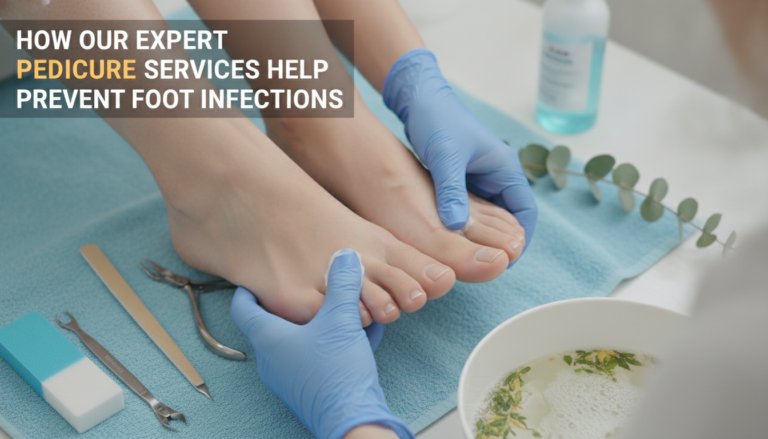 How Our Expert Pedicure Services Help Prevent Foot Infections
 When Should I Get A Therapeutic Pedicure Services Treatment
 Which Pedicure Services Is Best For Athletes And Runners
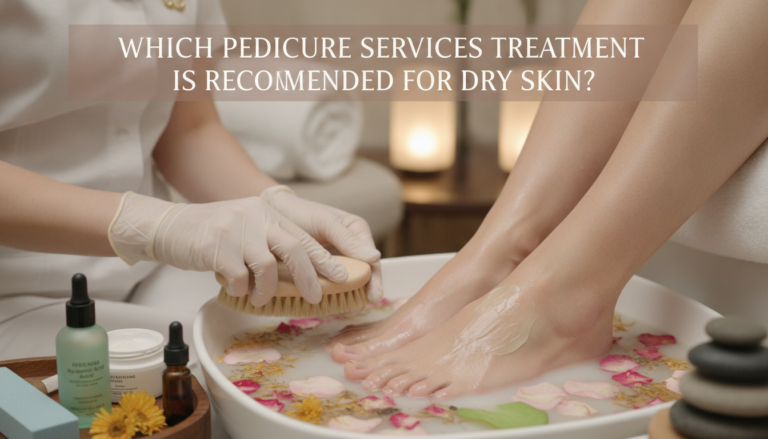 Which Pedicure Services Treatment Is Recommended For Dry Skin
 How To Ensure You Receive The Best Pedicure Services Possible
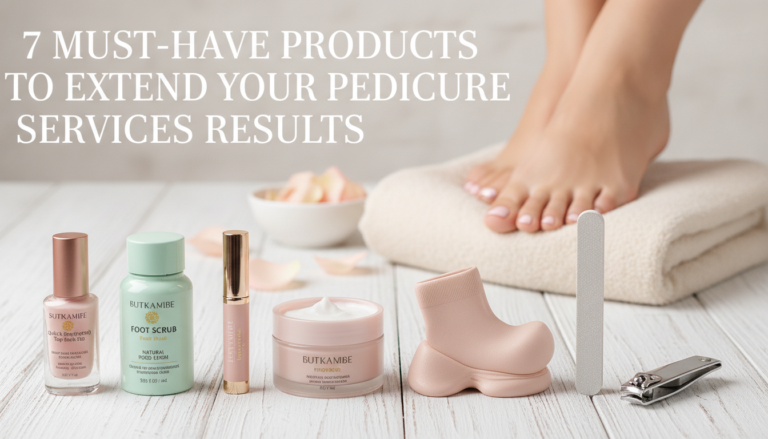 7 Must Have Products To Extend Your Pedicure Services Results