

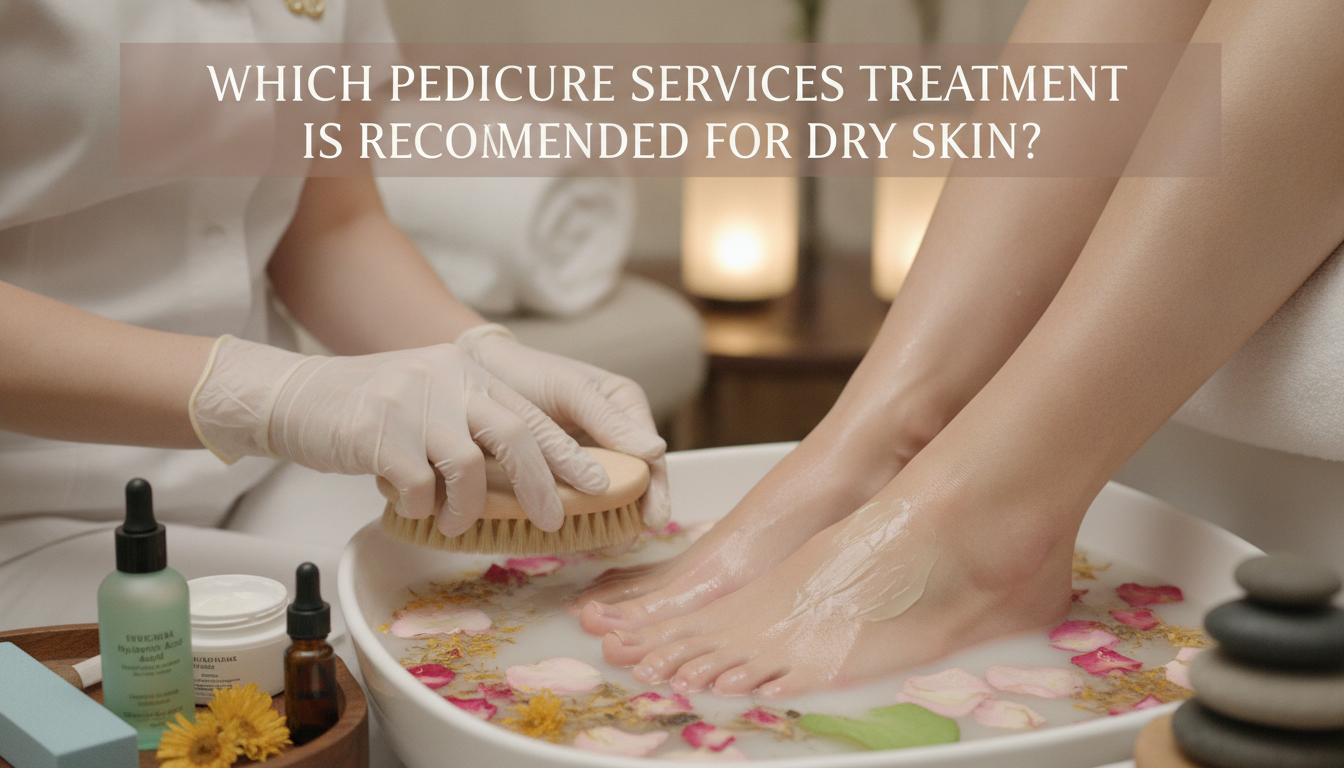
If you’ve ever stepped out of the shower and noticed your feet looking ashy, cracked, or just plain neglected, you’re not alone. Dry skin on the feet is one of the most common concerns that brings people through the doors of a salon — and it’s especially relevant in a city like Abuja, where the harmattan season can strip moisture from your skin faster than you’d expect. Choosing the right pedicure services treatment for dry skin isn’t just about aesthetics; it’s about comfort, foot health, and giving your skin what it genuinely needs.
Why Dry Skin on the Feet Deserves Proper Attention
The skin on the soles of your feet is naturally thicker than elsewhere on the body — and it also has no oil glands. That means it relies entirely on external moisture and your body’s circulation to stay soft and healthy. Without regular care, the result is exactly what most of us have experienced: rough heels, tight skin, or those uncomfortable cracks along the edges of the foot.
In Abuja, harmattan conditions between November and February can make this significantly worse. The dry, dusty air pulls moisture from exposed skin rapidly, and feet — often covered in sandals or open footwear — bear the brunt of it. Even outside harmattan season, air-conditioned offices, long hours in closed shoes, and the general pace of city life all contribute to dehydration at the skin level.
The good news? A targeted pedicure treatment can reverse much of this damage in a single session — and maintain it over time with the right routine.
What Pedicure Services Treatment for Dry Skin Actually Involves
Not all pedicures are created equal. A basic pedicure might include a soak, trim, and polish — but if your main concern is dryness, you need something more deliberate. The best pedicure services treatment for dry skin focuses on three core goals: softening, exfoliating, and deeply moisturising the skin.
The Hydrating Foot Soak
Every effective dry-skin pedicure begins with a proper soak. This isn’t just about relaxation — soaking the feet in warm water for 10 to 15 minutes softens the hardened layers of dead skin, making them far easier to remove without causing irritation. Many quality salons enhance the soak with added ingredients such as milk, essential oils, or mineral salts, each chosen for their specific softening or healing properties.
Milk soaks, for instance, contain lactic acid — a gentle alpha-hydroxy acid that naturally exfoliates and hydrates at the same time. This is particularly effective for feet that are both dry and calloused.
Exfoliation: The Key Step Most People Skip at Home
After the soak, exfoliation is where the real transformation happens. A trained therapist will use a combination of a foot file or pumice stone and a scrub to remove dead skin cells from the heels, ball of the foot, and toes. This step is non-negotiable for dry skin — dead skin buildup is one of the primary reasons feet feel rough and look dull.
Sugar-based or salt-based scrubs are commonly used in professional settings, often blended with nourishing oils like coconut, sweet almond, or shea. The mechanical action of scrubbing combined with the moisturising ingredients in the product means you’re softening and feeding the skin in the same motion.
Callus Removal and Heel Care
For more severely dry feet — particularly cracked heels — callus removal becomes an essential part of the treatment. This involves carefully filing down thickened areas of skin using professional-grade tools that aren’t available for home use. When done by a skilled therapist, this is safe, painless, and immediately noticeable in how the foot looks and feels.
It’s worth noting that over-filing can damage the skin barrier, so professional judgment matters here. Reputable salons train their therapists specifically on the appropriate depth and pressure for different skin conditions.
The Most Recommended Pedicure Treatments for Dry Skin
When it comes to selecting the specific type of pedicure that works best for dry, dehydrated feet, a few stand out as consistently effective.
Paraffin Wax Pedicure
This is arguably the gold standard for dry skin. After the feet are exfoliated and cleaned, they’re dipped into or painted with warm, melted paraffin wax. The wax creates a seal over the skin, trapping heat and allowing any applied moisturiser to penetrate deeply into the layers of the skin. Once removed — usually after 15 to 20 minutes — the skin underneath is noticeably softer and more supple.
Paraffin treatments are especially beneficial during the harmattan months, when skin is at its driest. They’re also a popular choice before weddings and events, where smooth, elegant feet are part of the overall look.
Moisturising or Hydrating Pedicure
A moisturising pedicure is built specifically around intensive hydration. The focus is on applying rich creams, butters, or oils to the skin and massaging them in thoroughly to encourage absorption. Many salons use products containing ingredients like shea butter, glycerin, hyaluronic acid, or urea — all of which are clinically recognised for their ability to attract and retain moisture in the skin.
The massage component is also significant. Stimulating circulation in the feet encourages the skin’s own natural repair processes, which are often sluggish in people who spend long hours sitting or standing.
Spa or Deluxe Pedicure
A full spa or deluxe pedicure typically combines all of the above: a therapeutic soak, exfoliation, callus treatment, a masque or wrap, deep moisturising, and a relaxing massage. For someone dealing with persistent dryness or neglected feet, this is the most comprehensive option and often delivers the most dramatic results in a single session.
Sessions typically run between 60 and 90 minutes. If your feet haven’t had professional attention in a while, this is the place to start — and many clients find that maintaining results with a standard pedicure every four to six weeks is sufficient after that initial treatment.
Ingredients and Products That Make a Real Difference
The quality of products used during a pedicure has a direct impact on results — especially for dry skin. There’s a meaningful difference between a generic lotion applied as an afterthought and a carefully formulated, nourishing product with proven moisturising ingredients.
- Shea butter — deeply moisturising and anti-inflammatory, ideal for cracked or irritated skin
- Urea (10–25% concentration) — clinically proven to soften and hydrate thickened skin
- Coconut oil — naturally antibacterial and highly emollient
- Lactic acid — gently exfoliates while simultaneously hydrating
- Hyaluronic acid — attracts moisture from the environment into the skin
Salons that use certified organic, cruelty-free, or locally sourced products give you added confidence that what’s going onto your skin is both effective and ethically considered. This is increasingly important to clients who are conscious of what they expose their skin to — particularly those with sensitivities or allergies.
How Often Should You Book a Pedicure for Dry Skin?
Frequency matters. A single pedicure can transform the appearance and feel of your feet, but dryness will return without a consistent maintenance routine. Most skincare professionals recommend booking a pedicure every four to six weeks for general maintenance. If your skin is particularly dry or prone to cracking, starting with a session every three weeks for the first few months can help rebuild the skin’s baseline moisture levels.
Between appointments, a daily foot moisturising routine makes a significant difference. Applying a thick cream or foot butter immediately after showering — when the skin is still slightly damp — helps lock in moisture before it evaporates. Wearing socks to bed after applying cream is an old trick that genuinely works.
Pedicure for Dry Skin in Abuja: What to Consider When Choosing a Salon
Not every salon offers the same standard of care, and for dry skin especially, the experience and training of the therapist makes a real difference. There are a few key things to look for.
Hygiene Standards
Proper sterilisation of tools between clients is non-negotiable. Foot files, nail clippers, and any instruments that contact the skin should be sanitised according to industry standards. Don’t hesitate to ask about a salon’s hygiene protocols — a reputable salon will have no problem explaining them.
Trained and Experienced Therapists
Callus removal and deep exfoliation require a trained hand. Over-zealous filing or incorrect technique can damage the skin barrier and worsen dryness. Look for salons with experienced staff who understand different skin types and conditions.
Product Quality
Ask what products the salon uses and whether they’re suited to dry or sensitive skin. Salons that invest in eco-friendly, cruelty-free, or organic formulations are generally more thoughtful about the entire client experience — not just the service on the surface.
Luxor Salon and Spa, established in 2013, has built its reputation in Abuja on exactly these principles — trained therapists, premium product standards, and a commitment to genuine client care. With two branches operating 24/7, it’s a practical choice for Abuja professionals and residents who want reliable, high-quality pedicure services regardless of their schedule.
The Maitama branch at 56 Usuma Street, Off Gana Street, sits in one of Abuja’s most prestigious residential and commercial districts — ideal for clients on the north side of the city. The Wuse 2 branch at 792b Adetokunbo Ademola Crescent is located in the heart of the city’s commercial hub, making it convenient for professionals working in that corridor. Whichever side of the city you’re on, access isn’t a barrier.
Dry Skin Pedicure Aftercare: Making Your Results Last
What you do in the 48 hours after a pedicure has a direct impact on how long the results last. Here are some practical aftercare tips:
- Avoid soaking your feet in water for at least 24 hours after a paraffin treatment, as this can disrupt the moisture barrier that was just restored
- Apply a dedicated foot cream morning and evening — not just body lotion, which is typically too light for foot skin
- Wear breathable footwear and change socks daily to prevent bacteria buildup that can worsen skin conditions
- Stay hydrated — internal hydration affects skin quality from the inside out
- Use a gentle foot file at home no more than once a week to maintain smooth skin between appointments
Frequently Asked Questions
What is the best type of pedicure for very cracked heels?
For severely cracked heels, a spa or deluxe pedicure that includes professional callus removal, a paraffin wax treatment, and intensive moisturising is the most effective starting point. One session can make a noticeable difference, but booking two to three consecutive appointments spaced three weeks apart will give you more lasting results as the skin fully recovers.
How do I know if a pedicure product is suitable for dry skin?
Look for products that contain humectants (like glycerin or hyaluronic acid), emollients (like shea butter or coconut oil), and occlusives (like paraffin or beeswax). Avoid products with high alcohol content, as these can strip moisture rather than add it. A good therapist will guide you on what’s being used during your treatment.
Is it safe to get a pedicure if my heels are already cracked and sore?
In most cases, yes — but it’s important to inform your therapist before the session begins. Minor cracks and dry skin are exactly what pedicure treatments are designed to address. However, if you have deep, bleeding cracks, signs of infection, or a condition like diabetes that affects foot circulation, consult a doctor first and let your therapist know so they can adapt the treatment accordingly.
How often should I book a pedicure for dry skin in Abuja’s harmattan season?
During harmattan — roughly November through February — the dry, dusty conditions accelerate moisture loss in the skin. Booking every three to four weeks during this period, rather than the usual four to six weeks, helps keep your feet in good condition. Pairing professional treatments with a strong at-home moisturising routine makes a significant difference.
Which Luxor branch should I visit, and do I need to book in advance?
Choose whichever branch is more convenient for you — the Maitama branch at 56 Usuma Street is well-suited for clients in the northern part of Abuja, while the Wuse 2 branch on Adetokunbo Ademola Crescent is ideal for those in or near the commercial district. Both branches are open 24/7. While walk-ins may be accommodated, booking in advance is always recommended to secure your preferred time slot, especially on weekends or before events.
Final Thoughts
Dry skin on the feet isn’t something you just have to live with. The right pedicure services treatment for dry skin — whether that’s a paraffin wax session, a full spa pedicure, or a targeted moisturising treatment — can genuinely transform how your feet look and feel. The key is choosing the right treatment for your specific condition, going to a salon that uses quality products and trained therapists, and maintaining results with consistent aftercare between appointments.
In a city like Abuja, where harmattan seasons and a demanding lifestyle can take a real toll on your skin, investing in regular foot care isn’t indulgent — it’s sensible. Your feet carry you through everything. Giving them proper attention, at the right intervals, with the right professional support, is one of the simpler and more rewarding self-care decisions you can make.
Ready to book or want to find out more? Reach out to either Luxor branch — both are open 24/7 and happy to help with bookings, treatment recommendations, or any questions you have.
Maitama Branch — 56 Usuma Street, Off Gana Street, Maitama, Abuja
Email: moc.apsdnanolasroxul@ofni
Phone: (+234) 701 888 0102
Wuse 2 Branch — 792b Adetokunbo Ademola Crescent, Wuse 2, Abuja
Email: moc.apsdnanolasroxul@2esuw
Phone: (+234) 701 888 0100
You can also book online at your convenience — no pressure, just great foot care whenever you’re ready.
Related Posts
 7 Benefits Of Adding Paraffin Wax To Your Pedicure Services
 When Should I Get A Specialized Hot Oil Pedicure Services Treatment
 When Should I Get A Therapeutic Pedicure Services Treatment
 Why Our Deluxe Pedicure Services Includes Hot Towel Treatment
 When To Treat Your Feet To A Deep Hydration Pedicure Services
 What Are The 7 Signs You Need A Professional Pedicure Services Now
 How To Keep Your Skin Hydrated After Your Facials Services Appointment
 How Our Expert Pedicure Services Help Prevent Foot Infections