

A body scrub treatment removes the layer of dead, dulled skin that sits on the surface — and in Abuja, where harmattan dust settles on everything from October through February, that layer builds faster than most people realise. Done correctly, a full-body exfoliation leaves the skin visibly brighter, significantly smoother, and far more receptive to whatever moisturiser or body oil follows. Done incorrectly — with the wrong grit, the wrong pressure, or on recently waxed or compromised skin — it causes micro-tears, inflammation, and, on melanin-rich skin, post-inflammatory hyperpigmentation that takes months to fade.
What Is a Body Scrub Treatment and How Does It Actually Work?
A professional body scrub, sometimes called a body polish or body exfoliation, uses a blend of abrasive particles — sugar, salt, volcanic ash, ground botanicals, or enzyme-based powders — combined with a carrier oil or emollient base to slough away dead skin cells from the surface of the body. The therapist applies the mixture with deliberate, circular strokes, working section by section, before rinsing to reveal the fresh skin underneath. Depending on what is added to the scrub formula, the treatment can also deliver brightening actives, hydration, and a mild stimulation of circulation.
This matters for two reasons. First, skin cell turnover naturally slows with age, meaning dead cells accumulate faster than they shed — leaving texture, uneven tone, and that characteristic dullness most noticeable on the elbows, knees, heels, and upper back. Second, any body lotion, oil, or treatment serum applied to unexfoliated skin is largely sitting on top of that dead layer rather than penetrating it. Exfoliation clears the path.
Why Abuja’s Climate Makes Regular Body Scrubs a Practical Necessity
If you live in Abuja, you are managing your skin across two very different weather systems, and your routine needs to shift with them. Understanding which challenges apply to which season helps you choose the right scrub type and frequency rather than simply booking because it sounds like a treat.
Harmattan Season: The Dryness Problem
Between roughly November and February, the harmattan winds drag Saharan dust across the FCT, and humidity levels drop sharply. Skin that was perfectly manageable in September starts to feel tight, look ashy, and crack at the heels and knuckles within weeks. The dusty particles settle on the skin and compound the dead cell build-up, making the surface look dull even on people who moisturise consistently. A body scrub during this period does two things simultaneously: it clears the accumulated debris and, when followed with a rich oil or body butter application, primes the skin to actually absorb the hydration it has been resisting. Without exfoliation first, moisturiser during harmattan is like watering concrete.
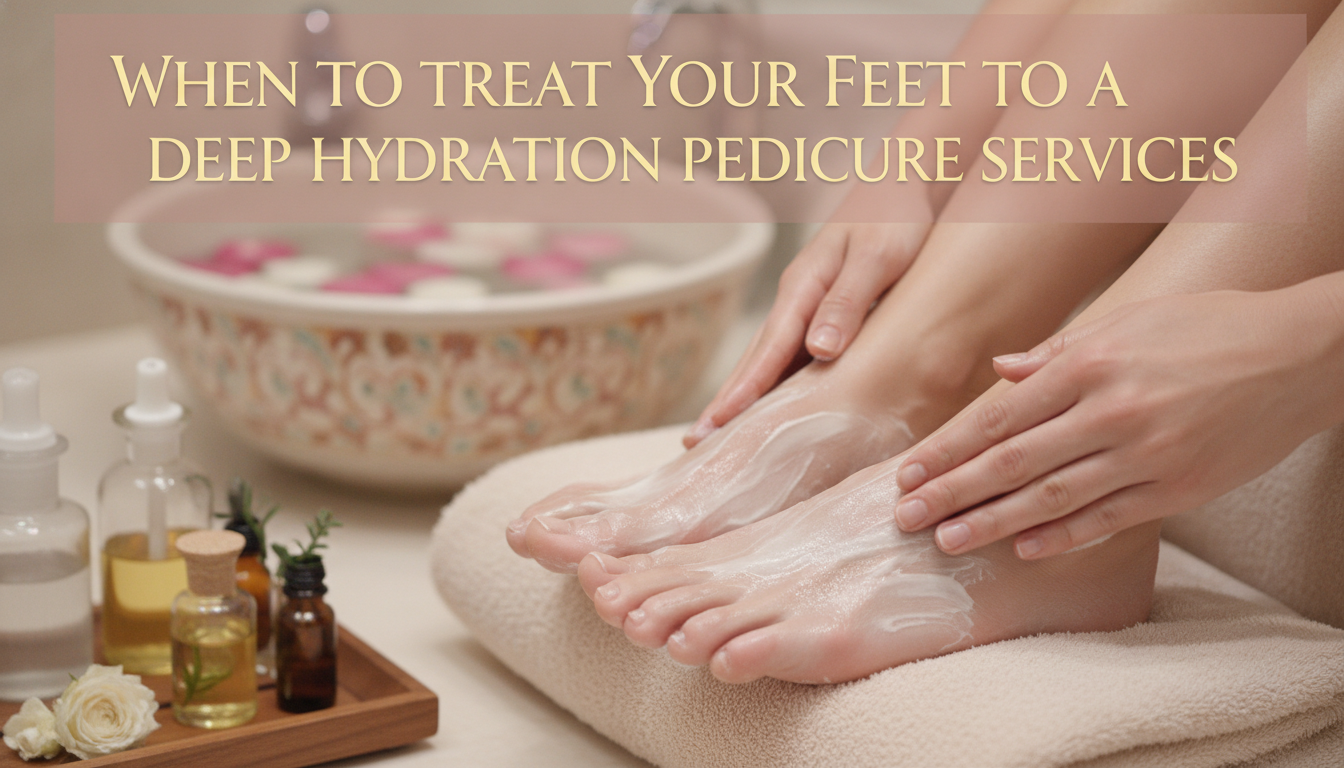
Cracked heels are a specific harmattan problem that deserves its own attention. The heel is the thickest area of skin on the body, and when it dries and splits, no amount of surface cream closes the fissure without first removing the hardened, thickened rim around it. A proper foot component within a body scrub treatment — or a dedicated pedicure with callus work — addresses this at the structural level. If cracking has reached the point of bleeding or showing signs of infection, that is a clinical matter for a dermatologist, not a salon.
Rainy Season: The Humidity Problem
From around April through October, the concern shifts. High humidity drives sweat and sebum production, which combined with body lotions and sunscreens can cause product build-up in the follicles, particularly on the back, shoulders, and upper arms. Body breakouts in this season are often follicular rather than acne in the clinical sense — they are caused by congested pores and can be significantly reduced with regular, gentle exfoliation. The key word is gentle: in humid conditions, the skin barrier is more sensitive to over-exfoliation, so the therapist’s assessment of your skin’s current state matters more than a fixed protocol.
Types of Body Scrub Treatments: Which One Suits Your Skin?
Not all scrubs are the same formula, and the choice of abrasive and base determines who the treatment is appropriate for. A good therapist consults before the treatment begins — not during — to understand your skin concerns, any active conditions, and what you have used on your skin recently.
- Sugar scrubs: Finer granules, gentler action, suitable for sensitive skin and for areas like the décolletage where harsh abrasion would cause redness. Sugar also contains glycolic acid naturally, which contributes mild brightening.
- Salt scrubs: Coarser texture, better suited to rougher areas — heels, elbows, shins. Salt is not ideal for skin that has been recently waxed or has open cuts or active breakouts.
- Coffee and botanical scrubs: Coffee grounds provide medium grit with antioxidant properties and a mild circulatory stimulation effect. These work well across most body areas.
- Enzyme-based exfoliants: No physical grit — these use fruit enzymes to dissolve the bonds holding dead cells in place. Appropriate for people with sensitive skin or any active post-inflammatory hyperpigmentation where physical friction could worsen discolouration.
- Brightening scrubs with actives: Some formulations include kojic acid, niacinamide, or vitamin C derivatives to target uneven skin tone alongside exfoliation. These require a consultation to ensure compatibility and, on any product used in Nigeria, you want confirmation of NAFDAC registration — unregistered brightening products in circulation here have been found to contain mercury and hydroquinone concentrations that are damaging and, in some cases, dangerous to long-term skin health.
What Happens During a Professional Body Scrub at Luxor?
Luxor Salon and Spa has been providing body treatments in Abuja since 2013, across both the Maitama and Wuse 2 branches. The process begins with a brief consultation: the therapist asks about any skin conditions, whether you have waxed or shaved recently, whether you are on any topical medications, and what result you are trying to achieve. This is not a formality — it directly determines what formula and pressure are appropriate for your skin on the day.
You are settled onto a heated treatment bed with full draping for modesty throughout. The therapist applies the scrub to damp skin and works in sections — typically starting at the feet and moving upward — using firm, consistent, circular strokes. Particular attention goes to the areas where dead skin accumulates fastest: heels, knees, elbows, and the back. The treatment is thorough but should never feel painful; you should feel friction and warmth, not scratching. After the scrub is rinsed away, the therapist applies a body oil, wrap, or body butter depending on the treatment package and your skin’s needs.
Total treatment time for a full body scrub typically falls in the range of 45 to 75 minutes depending on the extent of the service and whether it is combined with additional elements such as a body wrap or massage. Your therapist will confirm the duration at consultation.
Body Scrub for Melanin-Rich Skin: Specific Considerations
For darker skin tones — which covers the overwhelming majority of clients walking into either Luxor branch — post-inflammatory hyperpigmentation is the primary risk to manage around any exfoliation treatment. Areas of active pigmentation, recent spots, or irritation should not be subjected to aggressive physical exfoliation; the friction can worsen discolouration rather than reduce it. A well-trained therapist will identify these areas and either skip them, reduce pressure, or substitute an enzyme-based approach for those zones.
Keloid-prone skin deserves mention separately. If you have a history of keloid scarring, any treatment involving heat or friction on scarred areas needs to be discussed openly at consultation. The therapist cannot assess what they do not know. The treatment itself does not cause keloids, but working over existing keloid tissue requires adaptation of technique.
A Realistic Timeline: Planning Your Body Scrub Around an Event
This is especially relevant for brides, for December returnees arriving for the owambe and wedding season, and for anyone building toward a specific event. Skin improvement from exfoliation is cumulative — one session gives a visible result, but a consistent schedule gives a transformation.
- 8 weeks before your event: First full body scrub, combined with a consultation to assess your skin’s baseline and identify any problem areas — rough patches, uneven tone, pigmentation, chronic dryness. This session establishes the starting point.
- 4 weeks before: Second body scrub. By this point, consistent moisturising at home has built on the first session, and the therapist can assess progress. If a brightening treatment is part of the plan, this is typically when it begins in earnest.
- 2 weeks before: Third session. At this stage you are refining rather than correcting — texture should already be significantly improved. Avoid any new treatments, patches, or products in the week immediately following.
- 3–5 days before the event: Final body scrub and full hydration treatment. This is close enough that the skin is at its best on the day, but far enough that any transient redness from exfoliation has fully resolved. Do not schedule a body scrub the day before if you are also planning to wear a backless or strappy outfit — some redness is possible and needs a day or two to settle.
If you are in the planning stage, book online to secure your preferred dates early — Sallah and Christmas periods book out weeks in advance at both branches.
Aftercare: What You Do at Home Determines the Result
A professional body scrub can do a significant amount in one session, but how you care for your skin in the days that follow determines how long the result lasts and how effectively the next session builds on it.
First 24 hours: Avoid hot baths — warm water only. The skin is freshly exfoliated and more permeable than usual, which means it absorbs what you apply much more readily. This is the moment to use your best body oil or butter. Avoid any other active products — no self-tanner, no retinol body lotion, no chemical exfoliant — for at least 24 hours.
First week: Moisturise twice daily, morning and evening. During harmattan especially, this is non-negotiable — freshly exfoliated skin left dry in low humidity will revert to ashiness within 48 hours. Drink enough water; skin hydration is an inside job as much as a topical one.
Ongoing: Between professional sessions, a gentle manual exfoliation at home — a soft body brush or a mild scrub used once weekly — maintains the surface without overdoing it. Over-exfoliating at home between salon appointments is a common mistake that compromises the skin barrier and negates the professional work.
4–6 week window: Book your next professional body scrub within this timeframe to maintain results. Skin cell turnover takes roughly four to six weeks, which is why this interval is the industry standard for body exfoliation treatments.
A Practical Scenario: The Professional with a Packed Week
Consider a civil servant in Maitama whose schedule is the reason most standard salons don’t work for her. Meetings run to seven in the evening, Fridays are consumed by the kind of traffic the Airport Road and Kubwa Expressway are known for, and weekends disappear into family obligations and social events. She needs a body scrub before a major function on Saturday — a traditional ceremony that requires a strapless outfit.
She books a Wednesday appointment at 9pm at the Maitama branch on Usuma Street, a five-minute drive from her office. The treatment runs to just past ten. She leaves with instructions for the next morning, applies a rich body butter before bed, and by Saturday her skin is smooth, even-toned, and ready. The 24/7 hours at Luxor are not a novelty feature — they are the only reason this appointment existed at all.
Frequently Asked Questions
Which Luxor branch should I visit for a body scrub?
Both the Maitama branch on Usuma Street and the Wuse 2 branch on Adetokunbo Ademola Crescent offer the full body treatment menu. The practical answer is whichever is closer to where you are coming from — if you work or live on the Maitama, Asokoro, or embassy belt side of town, the Maitama branch makes more sense. If you are coming from Wuse, Garki, or anywhere along that corridor, Wuse 2 is your anchor. Both are open 24 hours, seven days a week.
Do I need to book in advance, or can I walk in?
Walk-ins are welcomed, but body scrub treatments — especially on Fridays, Saturdays, and during December and Sallah peaks — are frequently fully booked. If you have a specific date in mind, booking ahead is strongly advisable. You can schedule your appointment here at any hour — the booking system is available around the clock, just like the branches.
How often should I get a professional body scrub?
For most people, once every four to six weeks is the right interval. This aligns with the natural skin cell turnover cycle, meaning you are exfoliating the fresh accumulation without stripping the skin barrier. During harmattan, some clients prefer to go every three weeks because dead cell build-up and dust accumulation are faster in that season. Your therapist will advise based on your skin’s response after the first session.
Is a body scrub suitable for sensitive skin or skin with hyperpigmentation?
Yes, but the choice of scrub type matters. Sensitive skin typically does better with a fine sugar scrub or an enzyme-based treatment that uses no physical grit at all. Areas of active hyperpigmentation or post-inflammatory marks should not have harsh physical friction applied over them — your therapist will adapt the technique or choose a different formulation for those zones. Always disclose any active skin concerns during the consultation before the treatment begins.
Can I get a body scrub if I’ve just waxed?
No — you should wait at least 48 to 72 hours after waxing before any physical exfoliation. Waxing removes surface skin cells along with the hair, and exfoliating too soon causes irritation, redness, and can trigger hyperpigmentation on darker skin. If you are planning both services, book the body scrub first, wait a few days, then wax. Your therapist at Luxor will coordinate the sequence correctly if you mention both treatments at consultation.
The Straightforward Summary
A body scrub treatment is one of the most results-visible services available in a professional salon — not because of any mystique, but because what it does is mechanical and clear: it removes what is sitting on the surface and allows what is underneath to show and absorb properly. In Abuja’s climate, where harmattan dries everything out and rainy season congests it, that function is year-round relevant rather than seasonal. The difference between a professional treatment and a supermarket scrub used at home is primarily the assessment, the formulation selection, and the follow-through technique — all of which inform how good the result is and how long it lasts.
Whether you are building toward a wedding, a major event, or simply want to feel properly at home in your skin, Luxor Salon and Spa has the expertise and the hours to make it fit your schedule.
Book your body scrub treatment:
Online (any time): book online
Maitama — 56 Usuma Street, Off Gana Street: moc.apsdnanolasroxul@ofni or (+234) 701 888 0102
Wuse 2 — 792b Adetokunbo Ademola Crescent: moc.apsdnanolasroxul@2esuw or (+234) 701 888 0100
Both branches are open 24 hours, seven days a week — early morning before work, late evening after an event, or anywhere in between.