

Deep Conditioning Treatments in Abuja: What They Actually Do for Type 4 Hair
A deep conditioning treatment is a concentrated moisture or protein therapy applied to clean hair and left to penetrate the shaft for an extended period — typically 20 to 45 minutes under heat — before being rinsed out. For type 4A to 4C hair, which has a naturally coiled structure that makes it harder for sebum to travel from root to tip, this kind of intensive treatment is not a luxury add-on. It is the foundation of a functioning hair care routine, particularly in a climate like Abuja’s, where harmattan dryness and rainy-season humidity each attack hair moisture in completely different ways.
Why Abuja’s Climate Makes Deep Conditioning Non-Negotiable
Most people notice their hair misbehaving at the turn of a season and reach for more product without adjusting their actual routine. The problem is environmental, and product alone rarely compensates for it.
Harmattan Season: November to February
From around November, the harmattan wind carries Saharan dust across Abuja, and relative humidity drops sharply. Hair — especially low-porosity type 4 hair that already struggles to absorb moisture — begins to lose water rapidly. You will notice your twist-outs shrinking tighter, your edges becoming brittle, and your scalp flaking even if it was perfectly balanced in October. Protective styles that felt moisturised when installed in September start feeling dry and stiff by December.
This is when deep conditioning frequency matters most. A monthly treatment during the wetter months can reasonably become fortnightly during harmattan. The goal is not to coat the hair in product but to get moisture into the cortex — the inner structure of each strand — where it will actually hold rather than sit on the surface and evaporate.
Rainy Season: April to October
The rainy season brings the opposite problem. Humidity rises, wigs and protective styles trap scalp sweat, and product build-up accumulates faster than most people realise. Excess build-up blocks moisture absorption, which means even a well-formulated deep conditioner will perform poorly on hair that has not been properly cleansed first. A deep conditioning session at a professional salon always begins with a clarifying or thorough cleansing step — this is not just protocol, it is the reason the treatment works.
Moisture Conditioning Versus Protein Conditioning: What Is the Difference?
This is one of the most common points of confusion, and getting it wrong can make your hair feel worse, not better.
Moisture deep conditioners are humectant and emollient-rich formulas that soften the hair, restore elasticity, and address dryness. They are appropriate for most type 4 hair on a regular basis and are especially effective when used with gentle heat — a hooded dryer or steamer — which opens the cuticle and allows the conditioner to penetrate rather than just coat the strand.
Protein treatments work differently. They temporarily fill gaps in a damaged or weakened cuticle with hydrolysed proteins, restoring strength and reducing breakage. They are not suitable for everyone every session. Hair that already has good tensile strength but receives excessive protein becomes stiff, snaps easily, and feels like straw. A trained therapist will assess your hair’s current protein-moisture balance before recommending which direction to take.
At Luxor Salon and Spa, the consultation before a deep conditioning session covers your current protective style or styling habits, recent chemical services such as relaxers or colour treatments, how much breakage you are experiencing, and how your hair has responded to previous treatments. That conversation determines whether you leave with deeply softened, hydrated curls or with strengthened, more resilient strands — or both, through a combined approach where timing and formula are carefully layered.
What Happens During a Professional Deep Conditioning Session
Understanding the actual sequence helps you know what to expect and why each step exists.
- Consultation: Your therapist examines the hair and scalp, asks about your routine, checks for scalp conditions, and discusses any recent chemical services. If you have a persistent scalp issue — unusual hair loss, inflamed follicles, or anything that looks like an infection — they will refer you to a dermatologist rather than proceed. This is important: a salon is not a clinic, and good practice means knowing the boundary.
- Clarifying or gentle cleanse: Depending on your hair’s current state, either a clarifying shampoo to remove build-up or a milder sulphate-free wash is applied. Your scalp is massaged, not scratched — stimulating circulation without aggravating existing sensitivity.
- Product application: The deep conditioner is applied section by section from root to tip, ensuring even distribution. For very dense or long type 4 hair, working in small sections is not optional — it determines whether the outer layers are treated while the inner layers remain dry.
- Heat processing: A hooded dryer or steamer is used for the processing period. Steam is particularly effective because it raises the cuticle more gently than dry heat, allowing water molecules to enter the shaft alongside the conditioning agents.
- Cool rinse: The conditioner is rinsed with cool or cold water, which closes the cuticle and seals in the moisture just deposited. This step is the difference between hair that feels smooth immediately after washing and hair that frizzes within minutes.
- Leave-in and sealing: A light leave-in conditioner followed by an oil or butter to seal the cuticle and slow moisture loss — especially important during harmattan, when hair can begin drying almost immediately after styling.
Who Benefits Most From Regular Deep Conditioning?
The honest answer is: almost everyone with type 4 hair benefits, but the frequency and formula should match your specific situation.
- Relaxed hair: Chemical relaxers permanently alter the protein bonds in the hair shaft, making it more vulnerable to breakage. Regular deep conditioning — particularly protein-moisture balanced treatments — helps maintain structural integrity between relaxer applications.
- Natural hair in protective styles: Braids, cornrows, and wigs protect the ends but can also trap dryness. Moisturising treatments before installation and immediately after removal are the two most important intervention points.
- Coloured or highlighted hair: Colour services open the cuticle and can leave hair porous and prone to rapid moisture loss. Consistent deep conditioning keeps coloured hair looking healthy rather than dull and snapping at the ends.
- Low-porosity hair: This hair type has a tightly closed cuticle that resists both moisture absorption and product penetration. Heat during deep conditioning is not optional for low-porosity hair — it is what makes the treatment work at all.
- Transitioning hair: The line of demarcation where relaxed and natural hair meet is structurally the most fragile point on the strand. Deep conditioning reduces the risk of breakage at this junction during the transitioning period.
A Realistic Deep Conditioning Timeline for a Busy Abuja Schedule
Consider someone like Adaeze — she works with an NGO in Maitama, natural hair that she keeps in a stretched braid-out or under a wig most of the week, and a schedule that makes midday salon appointments nearly impossible. She is also preparing for her traditional and white wedding in 12 weeks.
12 weeks before the wedding: Initial consultation and first professional deep conditioning session to assess baseline condition. Her therapist notes that her ends are dry and slightly split, and that her low-porosity hair will need consistent steam treatments to respond properly. A fortnightly schedule is mapped out.
8 weeks before: Second treatment. Hair is showing improved elasticity, significantly less shedding during the rinse. The therapist introduces a mild protein treatment at this session because Adaeze’s ends were showing signs of structural weakness.
4 weeks before: Third treatment, purely moisture-focused to correct any protein overload from the previous session. Her hair is now supple, responsive to styling, and holding moisture noticeably longer — including through a full day in Abuja’s December heat.
One week before the wedding: Final pre-wedding deep condition, timed before her wig or bridal style is installed. Her scalp is clean, her natural hair underneath is in its best condition before it goes into protective mode under the style. She books the appointment for 7am at the Maitama branch — because the drive from her flat in Asokoro to the Wuse 2 branch at that hour would push her into the Airport Road traffic she cannot afford that morning.
That kind of scheduling flexibility — early morning, late evening, any day of the week — is exactly why Luxor’s 24/7 availability matters beyond being a talking point. Abuja schedules do not follow a tidy Monday-to-Friday structure, and salon appointments should not have to either. If you are planning a treatment schedule around a specific date, you can book online and see exactly what slots are available across both branches.
Aftercare: Making the Treatment Last
What you do in the 48 to 72 hours after a professional deep conditioning session determines how long the results hold. Here is a straightforward aftercare sequence.
First 24 hours: Avoid washing or wetting the hair. If you are going back to a protective style, allow the hair to dry fully before braiding or putting it under a wig. Wet hair under tension is significantly more prone to breakage.
Days 2 to 7: Moisturise daily with a water-based leave-in conditioner, then seal with a light oil. At night, sleep on a satin pillowcase or wear a satin bonnet — cotton absorbs moisture from the hair throughout the night, which defeats the purpose of intensive conditioning treatment. During harmattan, an extra light oil seal before putting on your bonnet makes a measurable difference.
Week 2 to 4: Assess how your hair is retaining moisture. If dryness or brittleness returns before the two-week mark, harmattan conditions or product build-up may be interfering. A mid-cycle co-wash — conditioner-only wash — can help without stripping the hair.
4 to 6 weeks — rebooking window: For most type 4 hair in Abuja’s climate, a professional deep conditioning treatment every four to six weeks is a sensible maintenance schedule. During peak harmattan, moving to every three weeks is reasonable and often necessary. If you are managing a chemical service like a relaxer, your rebook timing should align with your relaxer schedule — always conditioning after, never before.
Product Safety: What Goes on Your Hair Matters
Nigeria has a documented problem with unregistered cosmetic products, and it applies to hair care as much as skin care. NAFDAC registration on a deep conditioner or hair treatment is the baseline marker of a product that has been assessed for safety and composition in the Nigerian market. Products sourced from informal channels — particularly those making dramatic claims about growth or repair — may contain undisclosed ingredients or concentrations that damage rather than nourish.
At a reputable salon, the products used on your hair are professional-grade, properly stored, and traceable. This is not a small detail. Scalp sensitivity, folliculitis, and long-term damage from misapplied or counterfeit products are real risks, particularly with treatments that involve heat and opened cuticles.
Frequently Asked Questions
Which Luxor branch should I visit for a deep conditioning treatment?
Both branches — Maitama on Usuma Street and Wuse 2 on Adetokunbo Ademola Crescent — offer the full range of hair treatments. The practical answer is whichever is closer to where you are coming from. If you work or live in the Maitama, Asokoro, or Jabi axis, the Maitama branch saves you the Kubwa Expressway or the Wuse 2 traffic. If you are in the commercial centre or the Wuse, Garki, or Central Business District corridor, the Wuse 2 branch is the more sensible choice.
Do I need to book in advance, or can I walk in?
Luxor is open 24/7 at both branches, so walk-ins are possible. That said, for a full deep conditioning session — particularly if you want a specific treatment type or have a tight schedule before an event — booking ahead ensures your slot is held and that any necessary consultation time is built in. Saturday mornings and the days before major events fill up quickly, especially during the December returnee season and Sallah periods.
How often should I get a deep conditioning treatment?
For most type 4 hair in Abuja’s climate, every four to six weeks is a reliable maintenance window. During harmattan — roughly November to February — moving to every three weeks is often justified because the drop in humidity accelerates moisture loss significantly. If you have recently had a chemical service such as a relaxer or colour treatment, your therapist will advise a schedule specific to your hair’s current condition.
My hair is natural and low-porosity. Will deep conditioning actually work for me?
Yes, but the method matters more than the product. Low-porosity hair has a tightly closed cuticle that resists penetration. Without heat — a hooded dryer or steamer — a deep conditioner largely sits on the surface rather than entering the shaft. Professional treatment under controlled heat makes a measurable difference for low-porosity hair compared to doing the same treatment at home without heat. Your therapist should also assess whether your hair needs moisture, protein, or a carefully balanced combination of both.
Is deep conditioning safe for relaxed hair?
Not only is it safe — it is strongly advisable. Relaxed hair has been chemically restructured, which makes it more vulnerable to breakage and moisture loss than unprocessed hair. Regular deep conditioning, particularly protein-moisture balanced treatments, helps maintain the strength and elasticity that relaxers reduce. The timing matters: always deep condition after a relaxer application, never before, and never apply a relaxer to hair that is already showing signs of structural weakness without conditioning first.
The Bottom Line
Deep conditioning is the single most impactful regular treatment for type 4 hair in Abuja’s climate. It addresses the root causes of dryness, breakage, and brittleness rather than masking them with temporary shine or coating products. Done correctly — with the right formula, proper heat, and consistent timing — it changes the texture and strength of your hair over weeks, not just hours. The results compound: hair that is regularly conditioned is more resilient going into harmattan, more manageable coming out of a protective style, and far better positioned to handle colour or chemical services without significant damage.
Whether you are building a wedding hair preparation timeline, managing natural hair through a seasonal transition, or simply trying to stop the breakage that harmattan keeps bringing back, a professional deep conditioning programme gives your hair a foundation that home products alone rarely achieve. Both branches are open around the clock — a 6am slot before work, a late evening appointment after an owambe, or a weekend session that fits your week rather than the other way around. Schedule your appointment online or reach the branch that is closer to you directly below.
Maitama Branch — 56 Usuma Street, Off Gana Street, Maitama, Abuja:
moc.apsdnanolasroxul@ofni | (+234) 701 888 0102
Wuse 2 Branch — 792b Adetokunbo Ademola Crescent, Wuse 2, Abuja:
moc.apsdnanolasroxul@2esuw | (+234) 701 888 0100
Related Posts
 When Should I Get A Specialized Hot Oil Pedicure Services Treatment
 Which Pedicure Services Treatment Is Recommended For Dry Skin
 Why Our Deluxe Pedicure Services Includes Hot Towel Treatment
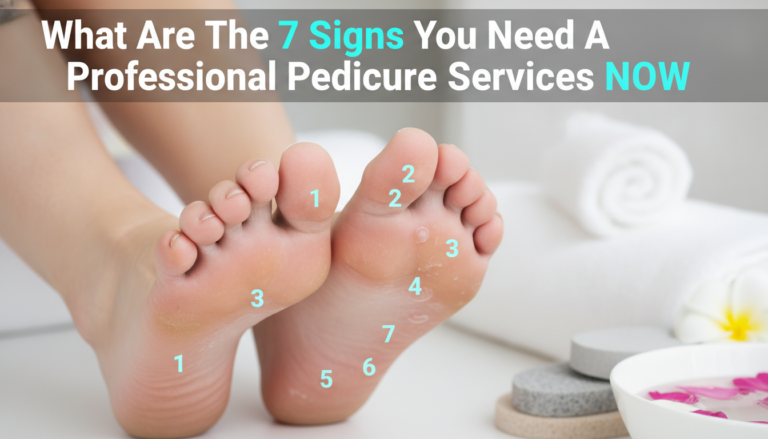 What Are The 7 Signs You Need A Professional Pedicure Services Now
 How Our Expert Pedicure Services Help Prevent Foot Infections
 Why Our Premium Pedicure Services Include A Sea Salt Scrub
 Which Pedicure Services Is Perfect For A Quick Refresh
 Which Pedicure Services Is Best For Athletes And Runners