

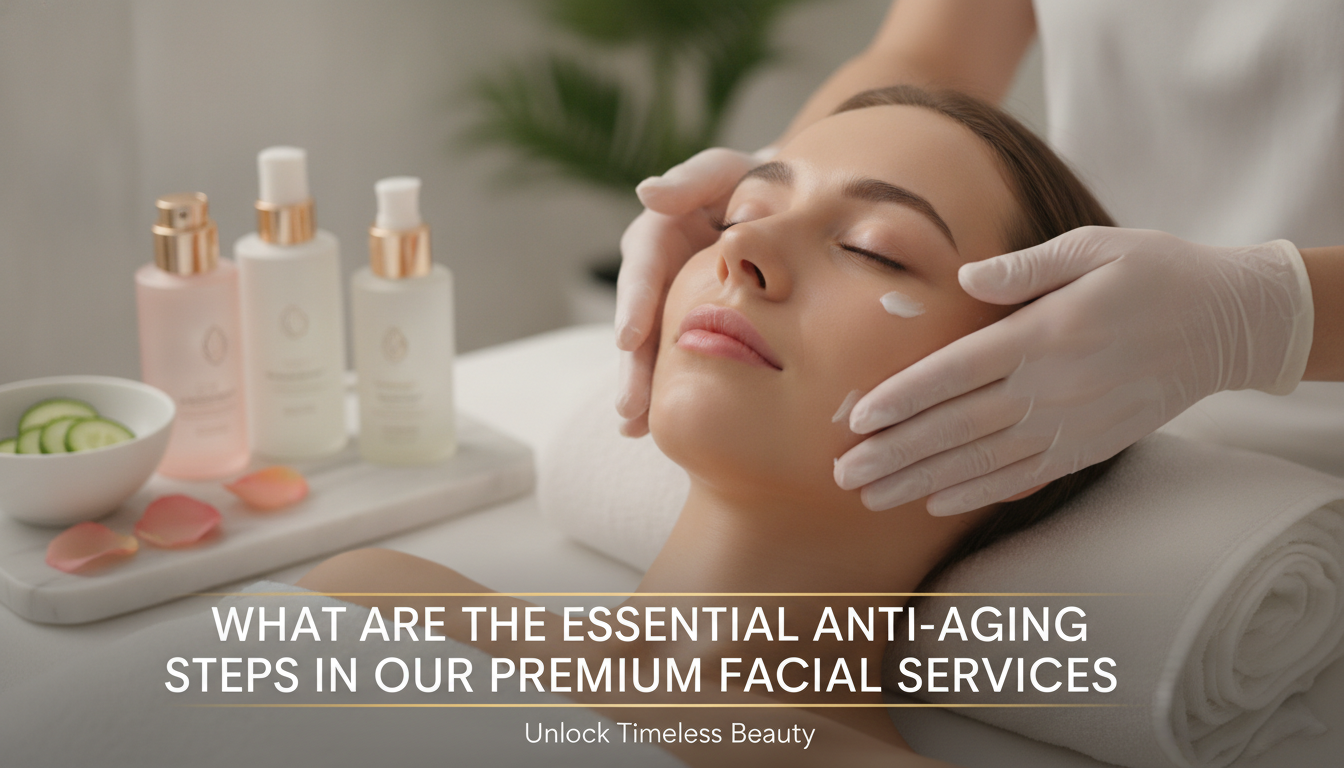
A deep tissue massage in Abuja works by applying sustained, firm pressure to the deeper layers of muscle and connective tissue — releasing chronic tension, breaking down adhesions, and improving circulation in a way that surface-level relaxation massage simply cannot reach. For anyone carrying the weight of a demanding Abuja schedule in their neck, shoulders, and lower back, it is one of the most effective corrective treatments available when performed by a trained therapist who understands how to read muscle response and adjust technique accordingly.
What Deep Tissue Massage Actually Does — and Why Abuja Schedules Make It Necessary
There is a difference between feeling relaxed after a massage and having the underlying tension actually addressed. Deep tissue massage targets the second outcome. The therapist works through the superficial muscle layers to reach the deeper tissue groups — the ones that tighten around the spine after long hours at a desk, seize up after a two-hour drive down the Kubwa Expressway, or harden through the lower back and hips from sitting through back-to-back meetings in Maitama offices.
Chronic tension in these deeper layers creates what therapists call adhesions — areas where muscle fibres and the surrounding connective tissue effectively stick together, restricting movement and causing persistent discomfort. Deep tissue work uses slow strokes, direct pressure, and friction across the grain of the muscle to break these adhesions down. It is methodical, not aggressive; the process should feel like significant pressure with a therapeutic edge, not pain.
Who Benefits Most from Deep Tissue Massage
Civil servants and FCT professionals who spend five to six hours daily at a laptop, diplomats managing jet lag and long conference schedules, NGO and oil-and-gas workers who rotate between field and desk — these are exactly the people whose muscles accumulate the kind of layered, chronic tension that deep tissue massage is designed to address. A monthly or bi-weekly session can meaningfully change how a person carries themselves, sleeps, and manages workplace stress.
Athletes, people recovering from postural strain, and anyone who habitually holds tension in their jaw, neck, or shoulders through periods of high pressure will typically notice the clearest results. That said, deep tissue massage is not appropriate for everyone. Anyone with active inflammation, blood clotting disorders, osteoporosis, open wounds, or who is pregnant should consult a physician before booking. A good therapist will ask these questions during the consultation — if no one asks, that is a concern.
What Happens During a Deep Tissue Massage at Luxor Salon and Spa
The session begins with a brief consultation. Your therapist will ask about areas of chronic tension or pain, recent injuries, your level of physical activity, and any medical conditions that might affect what is appropriate. This is not routine paperwork — it directly shapes how the session is structured. The pressure applied to a lower back carrying a disc issue looks very different from the approach used for a healthy professional with tight hamstrings and shoulder knots.
You will typically begin lying face down. The therapist will warm the tissue with broader strokes before moving into deeper work, using thumbs, knuckles, forearms, and elbows at different points. Communication matters here: you should feel free to say when pressure is too intense. The goal is to work at the edge of your tolerance, not beyond it. Soreness during the session is normal; sharp or burning pain is not, and you should say so immediately.
The Harmattan Factor — Why Deep Tissue Massage Feels Different in Dry Season
Between roughly November and February, Abuja’s harmattan season drops humidity sharply and brings Saharan dust that dehydrates skin, tightens fascia, and makes muscles more prone to stiffness. Many clients notice that the same tension they manage reasonably well in the rainy months becomes significantly more painful through December and January. Muscles that are inadequately hydrated lose elasticity; the connective tissue surrounding them becomes less pliable.
This is why hydration — both internal (water intake) and topical (body moisturising before and after your session) — matters more in harmattan than at any other time of year. At Luxor, the therapist will take seasonal skin and tissue condition into account. If your skin is presenting with significant dryness or sensitivity when you arrive, they may adjust the massage medium accordingly — a richer oil rather than a lighter lotion, for instance — to protect the skin while still delivering effective deep tissue work.
A Realistic Aftercare Sequence
How you manage the 48 hours after a deep tissue session determines a great deal of how useful it will be. Follow this sequence to get the most from the work:
- In the first 24 hours: Drink more water than usual — genuinely more, not a single extra glass. The work releases metabolic waste products from muscle tissue, and adequate hydration helps clear them. Avoid alcohol, which is dehydrating and can amplify any post-session soreness. If you feel warm or mildly achy in the treated areas, this is a normal inflammatory response. A cool compress can help if discomfort is pronounced.
- 24 to 48 hours: Some delayed onset muscle soreness is normal and typically peaks here. Light movement — a gentle walk, some stretching — helps more than complete rest. Avoid intense exercise, heavy lifting, or anything that significantly loads the treated muscles during this window.
- Days 3 to 7: This is when most clients feel the clearest benefit — improved range of motion, reduced baseline tension, better sleep in many cases. Note what has shifted. This information is useful for your next consultation.
- The 3 to 4 week rebooking window: For chronic tension, a single session starts the process but rarely completes it. Most therapists recommend rebooking within three to four weeks while the tissue is still responsive to the work. Spacing sessions further apart — six weeks or more — is fine for maintenance once baseline tension has reduced, but may not be enough to make consistent progress against established patterns.
Deep Tissue Massage and the Abuja Calendar — Making It Work Around Real Life
Here is a scenario that captures what makes timing and access genuinely important. Consider a government official based near the AYA roundabout. Her working week runs from 8am to 6pm and frequently spills into Saturday mornings. By Thursday she is carrying visible tension in her trapezius and a persistent ache across her lower back that paracetamol no longer touches. A conventional salon — 9am to 6pm, closed Sunday — offers her a Friday evening slot she will miss because of traffic, or a Saturday morning she cannot protect.
Luxor’s 24/7 operation at both branches is not a marketing line in this context — it is the difference between getting treatment and not getting it. A 7am appointment before she is in the office, or a 9pm slot after an event wraps, is a real solution to a real logistical problem. If she is on the Maitama side of the city, the branch on Usuma Street, off Gana Street, is accessible without crossing the city. If her week has kept her around the commercial hub, the Wuse 2 branch on Adetokunbo Ademola Crescent is closer. The point is that the treatment fits her life rather than the other way around.
If you are managing a particularly demanding stretch — the December returnee season, a run of back-to-back events, the lead-up to an owambe weekend or a family wedding — this is exactly when to book online in advance rather than hoping for a walk-in slot.
How Deep Tissue Massage Differs from Other Massage Options
Clients sometimes arrive expecting deep tissue massage and leave disappointed because what they received was a firmer-than-usual Swedish massage. The distinction matters. Swedish or relaxation massage works primarily on the superficial muscle layer and the nervous system — it reduces stress hormones, eases surface tension, and leaves most people feeling calm. It is genuinely valuable, but it does not reach the deeper structures where chronic tension lives.
Deep tissue massage uses different techniques — cross-fibre friction, myofascial release, trigger point work — applied with sustained, deliberate pressure. The experience is markedly different. If you leave without having felt any discomfort during the session, question whether genuine deep tissue work was done. Equally, if you leave in significant pain, the therapist either applied excessive force or missed clear contraindication signals during the consultation. The right session sits firmly between those two extremes.
What About Sports Massage?
Sports massage shares a number of techniques with deep tissue massage but is typically more focused on a specific activity, recovery from training, or preparation for a physical event. If you are a runner preparing for a race or an athlete managing a specific overuse pattern, sports massage may be more targeted. For most Abuja professionals carrying desk-and-commute-related tension rather than athletic strain, deep tissue massage is generally the more relevant choice — though a good consultation will clarify this for your specific situation.
Product Safety and What Goes on Your Skin
The oils, balms, and lotions used during a massage session are absorbed into already-warm, open skin. This makes product quality genuinely important — not as a luxury talking point but as a health consideration. Products used in professional treatments should be NAFDAC-registered; unregistered cosmetic products circulating in the Nigerian market have been documented to contain mercury compounds and banned concentrations of hydroquinone, which cause long-term skin damage rather than the benefit they promise. Luxor’s commitment to eco-friendly and cruelty-free product standards, and to locally sourced organic ingredients where applicable, sits within this same concern for what actually contacts your skin.
If you have known skin sensitivities or allergies, mention them during the consultation. A therapist who takes your medical history seriously will ask; one who applies product without asking should give you pause.
Frequently Asked Questions About Deep Tissue Massage in Abuja
Which Luxor branch should I visit for a deep tissue massage?
Both branches — Maitama on Usuma Street off Gana Street, and Wuse 2 on Adetokunbo Ademola Crescent — offer the full range of massage services. The practical answer is whichever is closer to where you are coming from. If you are already on the Maitama side, near the embassy belt or the federal ministries, the Maitama branch saves you the cross-city drive. If you are closer to the Wuse 2 commercial district, the flagship location is your more logical option. Both operate 24/7, so hours are never the limiting factor.
Do I need to book in advance, or can I walk in?
Walk-ins are accommodated, but deep tissue massage at a premium salon in Abuja moves quickly — particularly on Saturdays, during the December peak, and around Sallah and owambe weekends when demand spikes. If you have a preferred time, booking in advance is always worth doing. Early morning slots (before 8am) and late evening slots (after 8pm) are often more available than you might expect, precisely because many clients do not yet think of those windows as realistic options.
How often should I rebook for deep tissue massage?
For active, chronic tension — the kind built up over months of long commutes and desk hours — every three to four weeks is typically productive while you are making initial progress. Once the baseline has improved, monthly sessions are a reasonable maintenance frequency for most people. Your therapist can advise based on how your tissue responds over the first two or three sessions.
Will a deep tissue massage hurt?
Expect significant pressure and, in areas of real tension, a feeling that therapists sometimes describe as “good pain” — an intense but clearly therapeutic sensation that is distinct from injury pain. Soreness in the treated areas for 24 to 48 hours afterwards is normal. Sharp, burning, or radiating pain during the session is not normal and you should speak up immediately. A trained therapist will check in with you and adjust — pressure tolerance varies considerably between individuals and even between sessions for the same person.
Is deep tissue massage suitable during harmattan season?
Yes, and for many people it is particularly valuable during harmattan, when muscle stiffness and fascial tightness are noticeably worse due to the drop in humidity and the physical effects of Saharan dust exposure. Skin tends to be drier and more sensitive in this period, so mention it during consultation so the therapist can choose an appropriate massage medium. Arrive well-hydrated and plan to moisturise thoroughly in the 24 hours after your session.
Getting the Most from Your Deep Tissue Massage
Deep tissue massage is one of the most effective tools available for managing the specific physical strain that Abuja professional life produces — the desk hours, the commuting, the event seasons, the accumulated tension that no amount of weekend rest quite clears. It works best when it is regular rather than occasional, when the therapist has a clear picture of your physical history, and when aftercare — hydration, rest, light movement — is taken seriously rather than treated as optional advice.
Luxor Salon and Spa has been serving Abuja clients since 2013, with trained therapists at both branches and hours that mean your schedule is never the obstacle. Whether you are coming to us for the first time or looking to make deep tissue massage a regular part of how you maintain yourself through a demanding year, we are ready when you are.
To secure your preferred time, reserve your appointment online — or reach either branch directly below.
Maitama Branch — 56 Usuma Street, Off Gana Street, Maitama, Abuja
Email: moc.apsdnanolasroxul@ofni | Call: (+234) 701 888 0102
Wuse 2 Branch — 792b Adetokunbo Ademola Crescent, Wuse 2, Abuja
Email: moc.apsdnanolasroxul@2esuw | Call: (+234) 701 888 0100
Both branches are open 24 hours a day, seven days a week. A 6am appointment before your first meeting, or a 10pm slot after an event, is a genuine option — not an exception we make but how we operate.
Related Posts
 Which Anti Aging Facials Services Targets Deep Wrinkles
 What Are The Top Anti Aging Products Used In Our Facials Services
 What Essential Steps Are Included In Every Facials Services At Luxor
 Which Facials Services Is Best For Improving Skin Elasticity
 7 Reasons To Choose Our Medispa Grade Facials Services In Abuja
 When Should I Avoid Getting A Facials Services Before A Big Event
 What Advanced Technology Is Used In Our Facials Services
 Why Our Advanced Facials Services Use Only Organic Products