

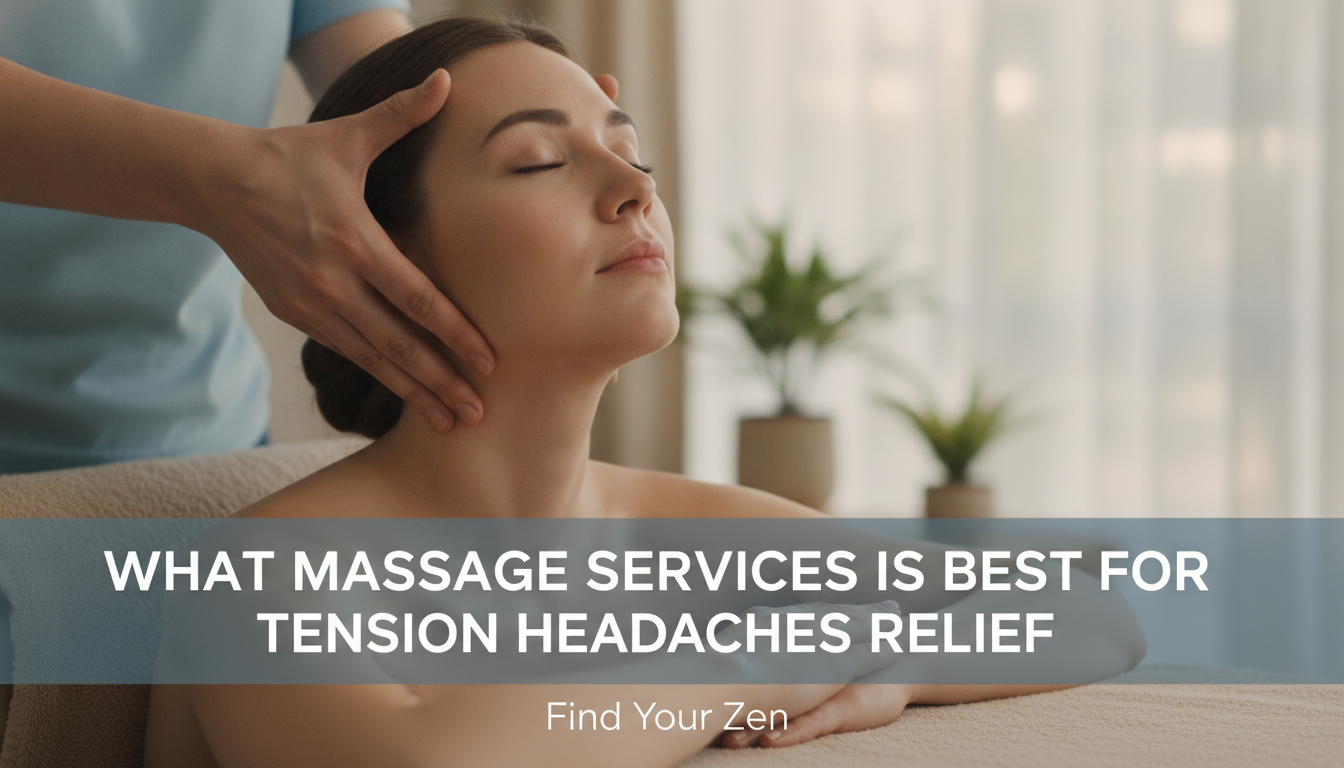
A professional facial in Abuja does more than cleanse the surface. It addresses the specific skin challenges that come with living in the FCT — harmattan-driven dehydration, humidity-triggered congestion, post-inflammatory hyperpigmentation common in melanin-rich skin, and the cumulative effect of dust, air conditioning, and event-season stress. A properly executed facial involves consultation, cleansing, exfoliation, extraction where needed, targeted treatment, and SPF finish — all guided by your skin type and concerns, performed by a trained therapist using NAFDAC-registered products.
Why Abuja’s Climate Makes Facials a Practical Necessity, Not a Treat
Between November and February, the harmattan descends on Abuja with a particular ferocity. Humidity drops sharply, the air carries Saharan dust that settles into pores, and a skincare routine that worked perfectly in September can leave your skin tight, flaky, and dull by December. The same products, the same frequency — different results, because the environment has shifted.
Then from roughly April through October, the rainy season reverses the problem. Humidity climbs, sweat sits under wigs and headwraps, and pores that coped fine in March start congesting. Skin that leans oily gets oilier; skin that had balanced out can start breaking out at the hairline or jawline. Neither season is forgiving if your skincare isn’t calibrated to match it.
A professional facial in Abuja needs to account for both ends of that spectrum — and for the skin that sits underneath: melanin-rich skin that heals differently, marks more readily, and requires a considered approach to any active ingredient or exfoliation technique.
What Actually Happens During a Professional Facial?
A facial at Luxor begins before anything touches your skin. The consultation covers your current concerns, any products you’re using, how your skin has been behaving recently, and whether you’ve had any reactions or procedures. If the treatment involves actives — glycolic acid, retinol, enzymes, chemical exfoliants — a patch test may be recommended before proceeding, particularly for first-time clients or those with sensitive or reactive skin.
The Step-by-Step Process
- Double cleanse. The first cleanse lifts makeup, SPF, and surface pollution. The second cleanse works with the skin itself — the therapist assesses texture, hydration levels, and congestion zones while working in the cleanser.
- Analysis. Under proper lighting, the therapist maps your skin: open or closed comedones, areas of dehydration versus oiliness, hyperpigmented patches, sensitivity. This shapes every decision that follows.
- Exfoliation. Depending on your skin type and the treatment selected, this may be a gentle enzyme exfoliant, a mild chemical peel, a physical scrub, or a combination. For darker skin tones, the choice of exfoliation matters — overly aggressive physical scrubs or high-concentration chemical peels applied without proper assessment can trigger post-inflammatory hyperpigmentation rather than resolve it.
- Steam and extractions (where appropriate). Controlled steam softens the follicle, making extractions safer and more effective. Not every client needs extractions; not every congested pore should be extracted. The therapist’s judgement here is what separates a professional service from a home attempt.
- Treatment serum or mask. This is the active stage — a brightening serum for uneven tone, a hydrating sheet mask for harmattan-dry skin, a clay treatment for congested skin. The product selected should address what the consultation identified, not what was pre-set on a treatment menu.
- Eye treatment. The eye area is treated separately — thinner skin, different concerns, different products.
- Moisturiser and SPF finish. No professional facial should finish without sun protection, particularly for melanin-rich skin where UV exposure is a driver of uneven tone and PIH. SPF is non-negotiable, not optional.
Facials for Melanin-Rich Skin: What Needs to Be Different
Melanin-rich skin produces post-inflammatory hyperpigmentation readily. A spot clears but leaves a dark patch that lingers for weeks or months. Rough extractions, overly aggressive acids, or any treatment that triggers inflammation in darker skin can make hyperpigmentation worse, not better. This is not a reason to avoid facials — it is a reason to ensure your therapist understands how your skin behaves and selects techniques accordingly.
It is also a reason to be careful about the products used on your skin between salon visits. Unregulated skin-lightening creams remain a documented problem in Nigeria — some contain mercury, others contain hydroquinone at concentrations that exceed what NAFDAC permits. At Luxor, products are selected for both efficacy and safety. If you have been using a product and cannot confirm its NAFDAC registration, mention it during your consultation so the therapist can assess whether it has affected your skin’s barrier.
It is worth stating plainly: if your skin concern goes beyond what a cosmetic facial can address — persistent breakouts that don’t respond to treatment, suspected infections, significant inflammatory acne — a dermatologist referral is the right step. A professional salon is not a substitute for medical care.
Harmattan Facial Routine: A Realistic Seasonal Timeline
If you want your skin to survive the harmattan season in decent condition, a single facial is helpful but a planned sequence does more. Here is a practical approach:
- October (pre-harmattan): A thorough deep-cleanse facial to clear rainy-season congestion and product build-up. Assess your at-home routine — swap lighter summer moisturisers for something more occlusive.
- Late November or early December: A hydration-focused facial once the harmattan has set in. Focus is on barrier repair and moisture retention. This is also when December returnees and event-season clients benefit most from a professional treatment before the owambe weekends begin.
- January: A maintenance facial. Harmattan is at its driest; consistent hydration treatment at 4–6 week intervals prevents the cumulative dehydration that makes skin look dull in photographs.
- March (harmattan winding down): A light exfoliating treatment to lift the accumulated dead skin cells harmattan leaves behind, and a transition assessment for the approaching humidity.
A Scenario: The Civil Servant Who Can Only Come After Hours
Consider a federal civil servant based near the central district — long days, unpredictable close times, nowhere near the Maitama axis before 7pm on most nights. Friday evening? Gridlock from Area 1 down to Wuse could take the better part of an hour. A Saturday morning appointment sounds reasonable until her children’s school activities take over the weekend.
This is exactly why Luxor’s 24/7 operating hours are a structural advantage rather than a marketing detail. A 9pm appointment after the children are settled, a 6am facial before the morning commute kicks in — these are real options, bookable at either the Wuse 2 branch on Adetokunbo Ademola Crescent or the Maitama branch on Usuma Street, depending on which side of the city she’s on. If she needs to book online at 11pm on a Tuesday when she finally gets a moment, that system is there and working.
Facials Before Big Events: A Bride’s Practical Schedule
Event and wedding season in Abuja demands its own approach to skin preparation. The combination of aso-ebi fittings, introduction ceremonies, traditional weddings, and white wedding days — often across a single December or Easter weekend — means skin that is camera-ready for weeks, not just one morning.
A sensible timeline for a bride:
- 8 weeks before: Consultation and first professional facial. If you are starting a new treatment, this gives enough time to assess how your skin responds before the high-stakes weeks.
- 4 weeks before: Second facial. If exfoliation or brightening actives are part of the plan, this is when they should be well underway — skin needs time to settle after active treatments.
- 2 weeks before: Maintenance facial, no aggressive actives or new treatments. This is a hydration and glow-focus session.
- The day or two before: A gentle, low-intervention facial — no extractions, no new products, no risk of irritation or redness. Your skin should be calm, hydrated, and barrier-intact going into the ceremony.
Do not attempt a new treatment — any chemical peel, any enzyme exfoliant — in the week before your wedding. The risk of unexpected irritation or sensitivity is not worth it, regardless of how trusted the product or therapist is.
Aftercare: What You Do in the 48 Hours After a Facial Matters
The product decisions you make after a professional facial determine how much of the result you retain. Immediately following a facial, your skin’s barrier is working at peak capacity — the wrong product or behaviour can undo progress.
- First 24 hours: Avoid makeup if possible. If you must, use light, non-comedogenic products — a full foundation application over freshly treated skin traps product in cleaned pores. Avoid direct sun exposure without SPF. Do not use acids, retinol, or active serums that weren’t part of the facial itself.
- Days 2–5: Stick to a simple routine: gentle cleanser, hydrating serum or moisturiser, SPF in the morning. Let the treatment do its work without adding unnecessary actives on top.
- First week: You may notice some purging — particularly after a deep cleanse or extraction facial. Small breakouts along congestion zones are not unusual and typically resolve within a few days. If irritation, significant redness, or swelling persists beyond 48 hours, contact your therapist.
- 4–6 week window: This is the optimal rebooking point for most facial treatments. Skin cell turnover takes roughly 28 days in adults; regular monthly facials allow each session to build on the previous one rather than starting from scratch.
Frequently Asked Questions
Which Luxor branch should I visit for a facial?
Both branches offer the full range of facial treatments. The Maitama branch on Usuma Street, off Gana Street, is closer if you are on the northern or embassy-belt side of Abuja. The Wuse 2 branch on Adetokunbo Ademola Crescent is the better choice if you are coming from the commercial corridor. Both are open 24 hours a day, seven days a week, so early morning and late-night appointments are available at either location.
How often should I get a professional facial in Abuja?
For most people, once every four to six weeks aligns with the skin’s natural cell turnover cycle and allows each session to build on the last. During harmattan — roughly November to February — more frequent hydration-focused sessions may be beneficial, as the dry Saharan air strips moisture from skin faster than usual. Your therapist will recommend a realistic schedule during your consultation.
Do I need to book in advance for a Saturday appointment?
Saturday appointments, particularly in the late morning and early afternoon, fill up quickly — especially during December, Sallah weekends, and major event seasons when clients are preparing for ceremonies. It is advisable to book at least a week ahead for weekend slots. If you are a bride or planning for a specific event, book your full schedule of facials as early as possible — four to eight weeks lead time is sensible.
Are facials suitable for dark skin or skin prone to hyperpigmentation?
Yes, provided the treatment is correctly selected and administered. The key is working with a therapist who understands how melanin-rich skin responds to exfoliation and active ingredients — and who selects techniques accordingly. Aggressive exfoliation or inappropriate actives can worsen post-inflammatory hyperpigmentation in darker skin; a professional assessment before any chemical treatment is essential.
What should I tell the therapist before my facial?
Tell your therapist about any prescription products or actives you are currently using (particularly retinoids or prescription-strength hydroquinone), any known allergies or sensitivities, recent procedures, and any skin concerns you have noticed — breakouts, flaking, uneven tone, tightness. The more your therapist understands about your current skin state and routine, the more precisely they can tailor the treatment.
Choosing the Right Facial for Your Skin — and Your Schedule
A professional facial in Abuja is most effective when it is matched to your skin type, your season, your event calendar, and your lifestyle. The harmattan months and the humidity of rainy season pull your skin in opposite directions; a therapist who understands that will treat your skin differently in January than in July. Melanin-rich skin requires precision, not just effort — and the right products, properly assessed and NAFDAC-registered, applied in the right sequence.
Luxor Salon and Spa has been operating in Abuja since 2013 across two branches — Maitama and Wuse 2 — both available around the clock. Whether you are a professional whose only free slot is 7am before the morning rush to work, a bride building a pre-wedding skin programme, or someone who simply wants their skin to cope better with the harmattan, there is a treatment and a time that fits. To get started, schedule your appointment online or reach either branch directly below.
Maitama Branch — 56 Usuma Street, Off Gana Street, Maitama, Abuja.
moc.apsdnanolasroxul@ofni | (+234) 701 888 0102
Wuse 2 Branch — 792b Adetokunbo Ademola Crescent, Wuse 2, Abuja.
moc.apsdnanolasroxul@2esuw | (+234) 701 888 0100
Both branches are open 24 hours a day, seven days a week — so whether your schedule runs early, late, or somewhere in between, an appointment is available when you actually need it.
Related Posts
 When To Consider A Head Neck And Shoulder Massage Services For Tension
 When Should I Consider Booking A Back Specific Massage Services
 How To Get Immediate Relief From Muscle Soreness With Massage Services
 Which Full Body Massage Services Targets Stress And Anxiety
 How Our Wellness Services Are Designed To Boost Mental Health
 Which Deep Tissue Massage Services Is Best For Shoulder Tension
 Which Pedicure Services Is Best For Tired Aching Feet
 How To Choose The Right Wellness Services Package For Stress Relief