

The Ancient Practice Behind a Modern Escape
Hot stone massage is one of those treatments that sounds indulgent but delivers results that go well beyond relaxation. At Luxor Spa, the hot stone massage services techniques used are rooted in traditional thermotherapy principles, adapted for the realities of modern life in Abuja — where stress, humidity, long commutes, and the dry harmattan season all take a measurable toll on the body.
Since opening its doors in 2013, Luxor Salon and Spa has refined its approach to massage therapy into something genuinely thoughtful. This isn’t a one-size-fits-all menu item. The hot stone experience here draws on multiple layered techniques, carried out by trained therapists using eco-friendly, cruelty-free products — some with locally sourced organic ingredients.
If you’ve been curious about what actually happens during a session, or whether the treatment is right for you, this guide walks you through everything you need to know.
What Makes Hot Stone Massage Different From Regular Massage
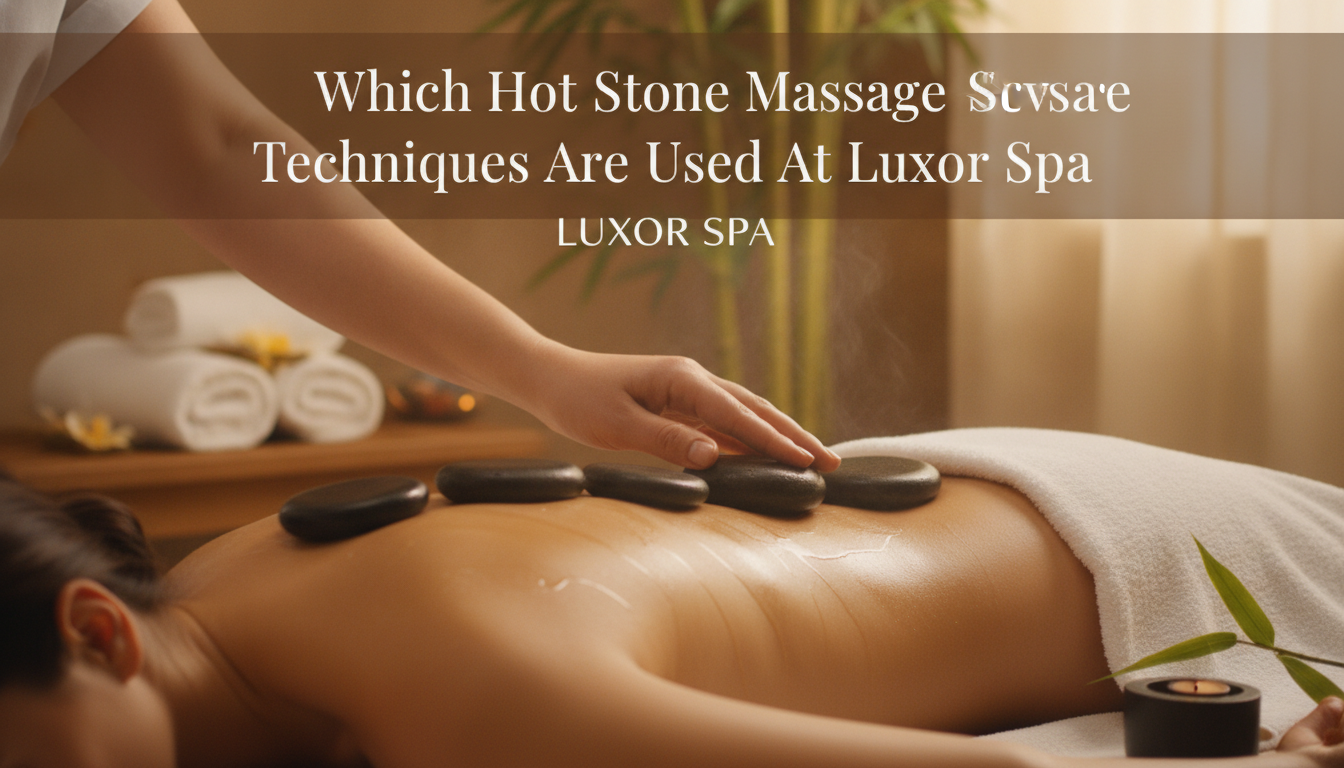
Standard massage relies entirely on manual pressure — the therapist’s hands, forearms, and thumbs working through muscle layers. Hot stone massage introduces basalt stones, a type of volcanic rock that retains heat exceptionally well, as an extension of that manual work.
The stones are typically heated to between 50°C and 55°C (122°F–131°F) in sanitised water before use. At this temperature, heat penetrates muscle tissue far more deeply than hand pressure alone can achieve — roughly four times deeper, according to standard thermotherapy research. That depth is what makes the technique genuinely therapeutic rather than just pleasant.
The warmth also causes blood vessels to dilate, increasing circulation to tight, fatigued areas. For someone who spends long hours at a desk in Abuja’s demanding professional environment, or who’s been dealing with tension from the FCT’s notorious traffic, that improved blood flow translates to faster, more thorough muscle relief.
Core Hot Stone Massage Techniques Used at Luxor Spa
Placement Technique
One of the foundational approaches in any hot stone session is static placement — positioning warmed stones along specific points on the body and allowing the heat to work passively while the therapist focuses manual attention elsewhere.
At Luxor, stones are commonly placed along the spine, on the shoulders, between the toes, and across the chest or abdomen depending on the treatment goal. Each placement corresponds to areas of natural tension accumulation or, in more holistic approaches, to energy pathways that benefit from sustained warmth. A stone resting between the shoulder blades for even four to five minutes creates a noticeable softening effect in the surrounding tissue, making subsequent manual work significantly more effective.
Effleurage with Stones
This is where the therapist uses the smooth, flat surface of a warm stone to perform long gliding strokes — essentially replacing the palm of the hand with a heated tool. The pressure is steady and flowing, moving in the direction of venous blood return (toward the heart).
Effleurage with stones is particularly effective on the back, thighs, and calves. The combination of heat and directional pressure helps ease surface-layer tension quickly, warming the area up for deeper work that follows. Many clients describe this part of the session as the moment they finally stop thinking about whatever was stressing them before they arrived.
Petrissage and Kneading Strokes
Once the muscles are warmed and pliable from effleurage, the therapist shifts to petrissage — a kneading technique that lifts and compresses muscle tissue rhythmically. Smaller, rounded stones may be used here to target specific knots or bands of tension in the upper trapezius, glutes, or calf muscles.
This technique is especially valuable for clients dealing with chronic tightness from postural issues or repetitive strain. The warmth of the stone allows deeper compression without the discomfort that can come from cold-handed deep tissue work — the tissue simply yields more willingly.
Trigger Point Work with Heated Stones
Trigger points are those stubborn, localised knots that refer pain to other areas when pressed — a tight spot between the shoulder blades that causes a headache, for instance. Therapists at Luxor use smaller, more pointed basalt stones to apply sustained pressure directly to these points.
The heat accelerates the release process. Where manual trigger point therapy might require 60–90 seconds of sustained pressure, the added warmth often brings the same result in 30–45 seconds. For a full-body session, this efficiency matters — it means more areas can be addressed properly within a 60 or 90-minute window.
Friction Technique
Friction involves small, deep circular or transverse movements applied to a targeted area, breaking down adhesions in the muscle fibre and connective tissue. When a warmed stone is used to deliver friction, the results are both more comfortable and more effective than manual friction alone.
This technique is often applied along the paraspinal muscles (the long muscles running either side of the spine), across the iliotibial band, or around the shoulders — areas where scar tissue or deep adhesions commonly form, particularly in people who are physically active or who carry physical stress in their bodies.
Alternating Hot and Cool Stone Application
Some sessions at Luxor incorporate marble or cooler stones alongside the heated basalt, alternating between them in a technique known as thermotherapy contrast treatment. The shift between warm and cool stimulates the nervous system, encourages lymphatic movement, and can help reduce localised inflammation.
This technique is particularly useful during Abuja’s hotter months, when the body is already overheated and a purely warm treatment might feel overwhelming. Contrast therapy keeps the session comfortable while still delivering the circulatory and muscular benefits of heat.
How the Session Is Structured at Luxor Spa
A typical hot stone massage session at Luxor runs either 60 or 90 minutes. The structure matters — a rushed session that jumps straight into deep work won’t produce the same outcome as one that builds methodically.
The session usually opens with a brief consultation: the therapist asks about areas of concern, current stress levels, any injuries or medical considerations, and your pressure preferences. From there, the sequence generally follows this arc:
- Opening effleurage — warming strokes to connect with the body and begin releasing surface tension
- Stone placement — strategic positioning along the back or key points while the therapist begins working on another area
- Deeper technical work — petrissage, friction, and trigger point release using both hands and stones
- Cool-down and integration — lighter finishing strokes to calm the nervous system and signal the end of the session
Most clients need five to ten minutes lying quietly after the session before they feel ready to stand. This isn’t a sign of weakness — it’s the body integrating the work. Therapists at Luxor account for this in the scheduling.
Why These Techniques Matter in Abuja Specifically
Abuja’s lifestyle creates a particular profile of physical tension. Long hours, air-conditioned offices, late-night work, and the psychological weight of high-pressure professional roles add up. The harmattan season — roughly November through February — brings dry, cold winds that increase skin sensitivity, dehydrate tissue, and worsen joint stiffness. Many clients notice their bodies feel significantly tighter in those months.
Hot stone massage is one of the more effective responses to harmattan-related muscular stiffness because the sustained heat addresses the cold-induced contraction that makes joints and muscles feel locked. The use of organic, moisturising massage oils during a hot stone session also replenishes the skin barrier that harmattan tends to strip.
Wedding season in Abuja — which tends to peak around December and March — also brings its own stress signature: hours in heels, event-day tension, and the physical exhaustion of hosting or attending back-to-back celebrations. A 90-minute hot stone session in the days before or after a major event can make a significant difference in how the body feels and recovers.
What Luxor’s Approach to Safety and Hygiene Looks Like
Stones are sanitised between every client — this is non-negotiable in any reputable spa, and Luxor’s protocols meet industry-standard hygiene requirements. Basalt stones are cleaned with professional-grade disinfectant solutions and inspected for cracks or surface irregularities before each use, since damaged stones can concentrate heat unevenly and cause discomfort.
Therapists undergo training in stone temperature management, which means understanding how to test stone temperature against their own wrist before application, how to layer stones with a cloth barrier when needed, and how to read client feedback throughout the session. Burns from improperly managed stones are a real risk in under-trained settings — at Luxor, the training structure is designed to eliminate that.
The products used — including massage oils and skin preparations — meet eco-friendly and cruelty-free standards, which matters both ethically and practically. Synthetic fragrance oils and certain chemical carriers can cause reactions in sensitive skin; the use of cleaner formulations reduces that risk significantly.
How Often Should You Book a Hot Stone Massage?
For general stress management and wellbeing maintenance, most therapists recommend a full-body hot stone session once every three to four weeks. That frequency allows the body enough time to process each session fully while maintaining the cumulative benefits — improved circulation, reduced baseline muscle tension, and better sleep quality.
For more specific therapeutic goals — recovering from a soft tissue injury, managing chronic back pain, or preparing for a physically demanding event — a more intensive schedule of every two weeks for six to eight weeks may be appropriate, followed by a maintenance rhythm. This should always be discussed during the initial consultation.
If you’re visiting Luxor for the first time, starting with a 60-minute session is a practical way to gauge how your body responds. Many clients find they prefer the 90-minute format once they experience it, particularly when full-body coverage is the goal.
Which Branch to Visit and What to Expect on Arrival
Luxor operates two Abuja locations, both open 24 hours a day, seven days a week — which is genuinely useful for professionals whose schedules don’t conform to standard business hours.
The Maitama branch at 56 Usuma Street, Off Gana Street, is an ultra-modern facility in one of Abuja’s most prestigious districts. It’s well suited for clients based in Maitama, Asokoro, or the central government districts, and for those who prefer a quieter, more exclusive setting.
The Wuse 2 branch at 792b Adetokunbo Ademola Crescent is Luxor’s flagship location, positioned in the heart of Abuja’s commercial hub. It’s the more accessible option for clients coming from Wuse, Garki, Central Business District, or the surrounding areas — and for those fitting a session into a working day in that part of the city.
On arrival, you’ll be offered a brief consultation before your session begins. It’s worth arriving five to ten minutes early, both to fill in any intake information and to begin mentally transitioning out of whatever your day has thrown at you before the session starts.
Frequently Asked Questions
Is hot stone massage suitable for everyone?
Most adults can receive hot stone massage safely, but there are some contraindications. People with cardiovascular conditions, diabetes, varicose veins, active skin infections, or those who are pregnant should consult their doctor before booking. Luxor’s therapists will ask about your health history during the consultation, so it’s important to disclose any relevant conditions.
How should I prepare for my first hot stone massage?
Arrive well hydrated — heat therapy increases fluid loss from the body, and being dehydrated beforehand can make you feel lightheaded afterward. Avoid heavy meals for at least two hours before your session, and wear or bring loose, comfortable clothing for afterward. You don’t need to bring anything else; Luxor provides everything you need during the session.
Will the stones feel uncomfortably hot?
Not when applied correctly. Properly conditioned basalt stones should feel intensely warm rather than painful — similar to a hot water bottle applied through a light towel. If at any point a stone feels too hot for you, let your therapist know immediately. Therapists at Luxor are trained to monitor temperature and adjust throughout the session based on your feedback.
How long before I feel the benefits?
Many clients notice immediate effects — reduced muscle tightness, improved mood, and better sleep that same night. The deeper circulatory and tissue-level benefits tend to accumulate over 24–48 hours following the session. Drinking plenty of water after your appointment helps the body process the metabolic waste that massage mobilises from muscle tissue.
Do I need to book in advance, or can I walk in?
Both branches welcome walk-ins, and the 24/7 operating hours mean there’s flexibility at almost any time of day or night. That said, booking in advance — especially for weekend slots or for specific therapist preferences — is strongly recommended. You can book online or contact either branch directly to check availability and pricing.
The Takeaway
The hot stone massage services techniques used at Luxor Spa aren’t simply a wellness trend applied without thought. They represent a structured, evidence-informed approach to muscle relief, stress recovery, and physical restoration — delivered with trained hands, clean products, and genuine attention to each client’s specific needs.
Whether you’re navigating the demands of Abuja’s professional landscape, recovering from harmattan-related stiffness, preparing for a major event, or simply making space for your own wellbeing, a hot stone session at Luxor is one of the more practical investments you can make in how your body feels. The techniques work. The environment supports them. And with two branches open around the clock, access is easier than most people expect.
Ready to book or simply want to ask a question? Reach the Maitama branch at moc.apsdnanolasroxul@ofni or (+234) 701 888 0102, or the Wuse 2 branch at moc.apsdnanolasroxul@2esuw or (+234) 701 888 0100. You can also book online at any time. Both branches are open 24/7 — the team is happy to help with pricing, availability, or any questions before you commit.
Luxor Spa Salon | Best Spa & Wellness Center in Abuja Home
Related Posts
 Why Our Signature Hot Stone Massage Services Is Highly Recommended
 Why Luxor Spa Is The Go To For Comprehensive Wellness Services
 7 Reasons To Gift Someone A Luxor Spa Facials Services Voucher
 How To Combine Facials Services And Massage Services For Ultimate Care
 What Wellness Services Packages Are Available For Groups
 What Advanced Technology Is Used In Our Facials Services
 How To Choose The Best Value Wellness Services Subscription Plan
 What Essential Steps Are Included In Every Facials Services At Luxor