

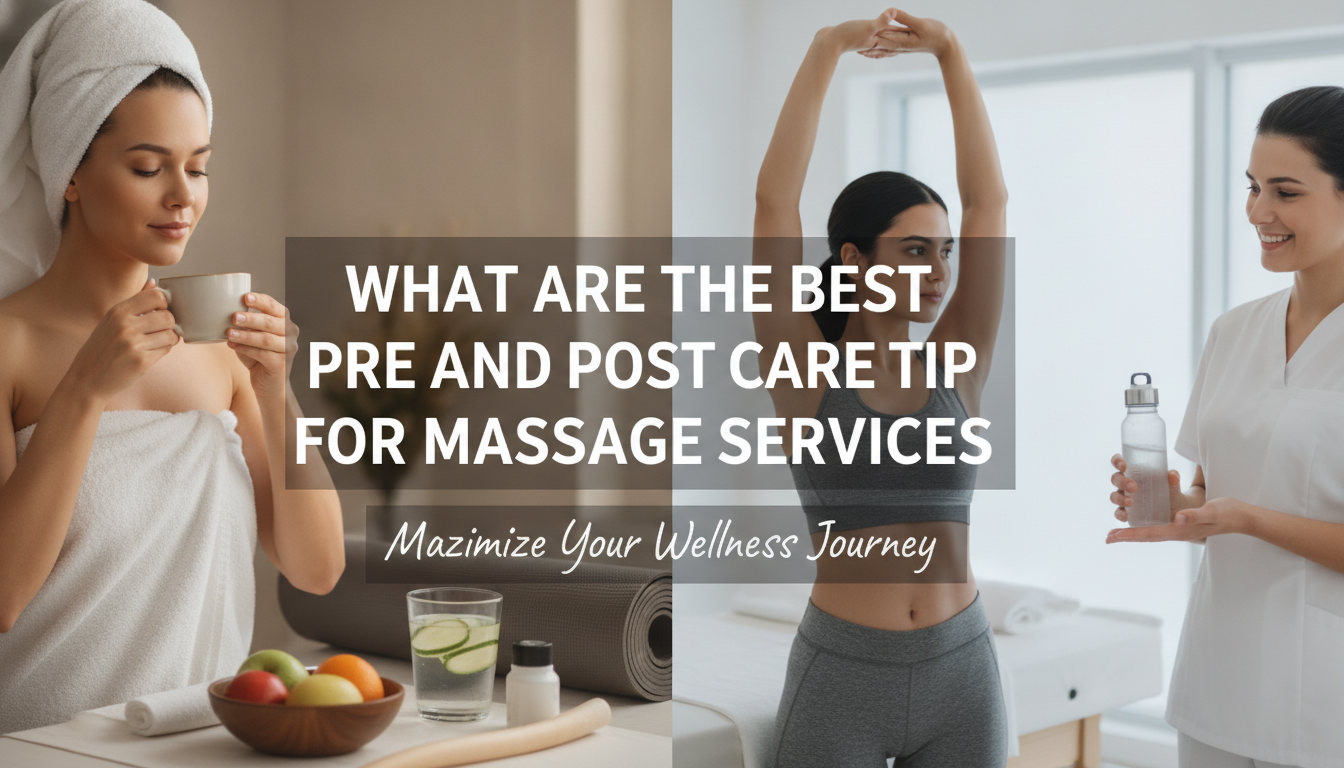
Getting a massage is one of the best things you can do for your body and mind — but how much you benefit from it often depends on what you do before and after the session. The best pre and post care tips for massage services aren’t just nice-to-have advice; they’re practical steps that can significantly extend the benefits of your treatment, reduce soreness, and help your body recover more effectively. Whether you’re a first-timer or someone who books regularly, this guide walks you through everything you need to know.
Why Preparation Matters Before a Massage
Most people show up to a massage appointment without giving much thought to what happened in the hours before. That’s understandable — life in Abuja moves fast. Between traffic on the expressway, back-to-back meetings in Maitama or Wuse 2, and everything else pulling at your attention, preparation can feel like a luxury.
But arriving unprepared can actually limit how effective your session turns out to be. A dehydrated body, a full stomach, or tense muscles from rushing across town are all factors your therapist has to work around — and they reduce the depth of relaxation you’re able to achieve.
Hydrate Well Before You Arrive
Drinking enough water in the hours before your massage helps your muscles stay supple and responsive to manipulation. Therapists often note that well-hydrated tissue releases tension more readily and responds better to deep pressure.
Aim to drink at least 500ml to 1 litre of water in the two to three hours before your appointment. Avoid alcohol beforehand — it dehydrates the body and can make you feel disoriented after a session.
Eat Light, Not Heavy
Having a large meal right before a massage is uncomfortable at best. Lying face-down on a therapy table with a full stomach is not a pleasant experience, and it can actually interfere with circulation during the session.
If you’re hungry, have something light — a small snack or a piece of fruit is ideal. Try to leave at least 90 minutes between a full meal and your appointment time.
Arrive a Few Minutes Early
Rushing in at the last second means your nervous system is still in fight-or-flight mode when the session begins. You’ll spend the first 10 to 15 minutes of your massage just trying to calm down — time that could be better used for actual therapeutic work.
Arriving five to ten minutes early gives you a moment to settle, fill in any consultation forms, use the restroom, and mentally transition out of whatever you were doing before. It makes a real difference.
Shower or Freshen Up Beforehand
This is one of those tips that seems obvious but often gets skipped. A quick shower before your appointment removes any lotions, sunscreen, or surface-level grime that might interfere with how the massage oil or product absorbs into the skin.
It also just makes the experience more comfortable for both you and your therapist. If you’ve come straight from the gym or spent the day outdoors in Abuja‘s heat, a quick freshen-up is always a good idea.
What to Do During Your Massage Session
Many clients assume their only job during a massage is to lie still and switch off. While relaxing is absolutely the goal, staying aware of a few key things can genuinely improve your results.
Communicate With Your Therapist
Don’t suffer in silence if the pressure is too intense or not enough. Your therapist is trained to adapt — but they need feedback to do so effectively. Speaking up in the moment is far better than leaving the session feeling bruised or under-served.
Let them know about any specific areas of tension, recent injuries, or health conditions before the session begins. At Luxor Salon and Spa, therapists take time to do a brief consultation before starting, precisely so your session is tailored to your actual needs.
Focus on Your Breathing
Deep, steady breathing throughout the session helps your muscles release tension more effectively. When pressure is applied to a tight area, the natural instinct is to hold your breath — but that actually causes the muscle to contract further.
Try to exhale slowly as pressure is applied. It sounds simple, but it genuinely helps your body let go of stored tension faster.
The Best Post Care Tips For Massage Services
What you do in the hours and days after a massage matters just as much as the session itself. Post-care is where many people fall short — and it’s also where the real results get locked in or lost.
Drink Water — Immediately and Often
Massage increases circulation and stimulates the lymphatic system, which helps flush metabolic waste from your muscles. Water is what carries that waste out of your body. Without adequate hydration post-massage, those toxins can linger and contribute to the post-massage soreness some people experience.
Drink at least 1.5 to 2 litres of water in the 24 hours following your appointment. Herbal teas and coconut water are also good options. Avoid alcohol and caffeine, which are both dehydrating and can counteract the calming effects of the session.
Rest and Allow Your Body to Recover
One of the most common mistakes people make is scheduling a massage during a lunch break and then heading straight back into a high-pressure afternoon. Your body needs time to process the work that was done.
If possible, plan for a quieter post-massage period — even just two to three hours of light activity. Avoid intense workouts immediately after deep tissue or sports massage, as your muscles have been worked and need time to recover properly.
Expect Some Soreness — It’s Normal
If you’ve had a deep tissue massage or a session targeting particularly tight muscles, mild soreness in the 24 to 48 hours afterward is completely normal. Think of it like the feeling after a good workout — the muscles have been stimulated and are adjusting.
A warm bath with Epsom salts can help ease this. If soreness persists beyond 48 hours or is severe, contact your therapist to discuss what might have occurred during the session.
Avoid Intense Physical Activity Immediately After
Your muscles are in a relaxed, pliable state directly after a massage. Jumping straight into heavy exercise — a run, a gym session, a game of football — can cause strain or even minor injury to muscles that haven’t had time to return to their normal state.
Light walking is fine and can actually support circulation. But give your body at least four to six hours before any strenuous physical activity, and ideally wait until the following day if your session was intensive.
Apply Moisturiser to Protect and Nourish Your Skin
After a massage, your skin is more receptive to hydration than at almost any other time. The massage oils used during your session have already done some of the work — but adding a good moisturiser afterward seals that in and helps maintain the softness you feel immediately post-treatment.
At Luxor Salon and Spa, eco-friendly and cruelty-free products are used throughout services — so you don’t need to worry about what’s going onto your skin. If you prefer to use your own moisturiser at home afterward, choose something fragrance-free and gentle, especially if you have sensitive skin.
Seasonal Considerations: Massage Care During Harmattan
If you’re based in Abuja, you’ll know that harmattan season brings a specific set of challenges for your skin and body. The dry, dusty air strips moisture from skin and hair rapidly, and many people find their muscles feel tighter and more prone to tension during this period.
During harmattan, it’s worth increasing the frequency of your massage sessions — many wellness practitioners recommend booking every two to three weeks rather than monthly. The dryness also means pre and post hydration becomes even more critical. Drink more water, use a richer moisturiser after your session, and consider asking your therapist about body treatments that specifically target dry skin repair.
It’s also worth booking massage services that include nourishing oils during this period. Locally sourced, organic ingredients — the kind used in Luxor’s treatments — absorb more effectively into dry harmattan-affected skin and provide longer-lasting results than synthetic alternatives.
Planning Massage Appointments Around Life Events
For many Abuja residents, massage isn’t just a personal wellness habit — it’s also part of preparation for weddings, events, and public occasions. Wedding and event culture in the FCT often means multiple events in a single weekend, with the physical and emotional toll that comes with it.
If you’re a bride, a guest of honour, or someone with a packed social calendar, timing matters. A relaxation massage two to three days before a major event is ideal — it gives the body time to process the session, reduces water retention, and leaves you feeling genuinely refreshed rather than groggy. A massage the day before can also work well, but avoid deep tissue treatments in the 24 hours immediately before a high-profile event, as residual soreness could be distracting.
How Often Should You Book Massage Services?
This is one of the most common questions people ask, and the honest answer is: it depends on your goals and lifestyle. For general wellness and stress management, once or twice a month is a solid baseline. For people managing chronic tension, ongoing muscle soreness, or high-stress professional roles, weekly or fortnightly sessions can make a meaningful difference.
Busy professionals in Abuja — particularly those in high-pressure sectors like government, finance, or law — often find that consistent massage scheduling significantly reduces their overall stress load. It’s not an indulgence; it’s maintenance for the most important tool you have, which is your body.
If budget or time is a constraint, even one session every six weeks is better than none. The key is consistency over time, not perfection.
Choosing the Right Type of Massage for Your Needs
Pre and post care tips also depend on the type of massage you’re having. Not all sessions are the same, and the care required afterward can vary significantly.
- Swedish massage: Gentle and relaxing. Post-care is minimal — hydration and rest are the main priorities.
- Deep tissue massage: Targets deeper muscle layers. Expect more post-session soreness. Avoid strenuous exercise for 24 hours and increase water intake.
- Hot stone massage: Uses heated stones to relax muscles. Avoid hot baths or saunas immediately after, as your body has already been subjected to significant heat.
- Sports massage: Often more intense and focused on specific muscle groups. Recovery time is similar to deep tissue — rest, hydration, and gentle movement are key.
- Aromatherapy massage: Uses essential oils that continue working after the session. Avoid washing the oils off immediately afterward to allow continued absorption.
When in doubt, ask your therapist what’s most appropriate for your body type, health history, and goals. A trained therapist won’t just perform the service — they’ll help you understand how to get the most from it.
Frequently Asked Questions
What should I wear to a massage appointment?
Wear something comfortable and easy to change out of. Most massage services are performed with the client undressed to their comfort level and draped with a towel or sheet throughout. Your therapist will only uncover the area being worked on at any given time. If you prefer to keep clothing on, let your therapist know in advance so they can adjust their technique accordingly.
How long will the effects of a massage last?
For relaxation benefits, most people feel the effects for two to three days after a session. For more therapeutic results — reduced muscle tension, improved range of motion, better sleep — the effects can last longer, especially with regular bookings. Consistent sessions over time tend to produce cumulative benefits that build on each other.
Is it normal to feel tired or emotional after a massage?
Yes, and it’s more common than most people expect. Deep tissue work and even gentle massage can release stored tension from the nervous system, which sometimes triggers fatigue or unexpected emotional responses. This is a sign that the session worked. Rest, drink water, and don’t plan anything demanding for the rest of the day if you can help it.
Do I need to book in advance, or can I walk in?
Booking in advance is strongly recommended, especially if you have a preferred therapist or a specific time slot in mind. Luxor Salon and Spa operates 24/7 across both the Maitama and Wuse 2 branches, which gives you considerable flexibility — but popular time slots do fill up. You can book online or contact either branch directly to check availability.
Which Luxor branch should I visit?
Both branches offer the same high standard of service, so the best choice is simply whichever is most convenient for you. The Maitama branch at 56 Usuma Street, Off Gana Street is an ultra-modern facility in one of Abuja’s most prestigious districts — ideal if you’re based in or near the area. The Wuse 2 branch at 792b Adetokunbo Ademola Crescent is the flagship location in the heart of the city’s commercial hub, making it convenient for professionals working in that part of town. Both are open 24/7.
Conclusion
The best pre and post care tips for massage services aren’t complicated, but they do require a little intention. Hydrating well, arriving with time to settle, communicating with your therapist, resting afterward, and giving your body space to recover — these steps transform a good massage into a genuinely restorative experience. In a city like Abuja, where daily stress is real and the pace rarely slows, that kind of intentional self-care matters more than most people give it credit for.
Luxor Salon and Spa has been operating since 2013, building a reputation for quality, consistency, and care. Whether you’re booking your first session or you’re a returning client, the guidance in this article will help you get more from every appointment — not just during the treatment, but in the hours and days that follow.
Ready to book or have a question? Reach our Maitama branch at moc.apsdnanolasroxul@ofni or (+234) 701 888 0102, or our Wuse 2 branch at moc.apsdnanolasroxul@2esuw or (+234) 701 888 0100. You can also book online at your convenience. We’re open 24/7 and always happy to help you find the right treatment for your needs.
Related Posts
 How To Keep Your Skin Hydrated After Your Facials Services Appointment
 Why Combining Pedicure Services And Manicure Services Is A Smart Choice
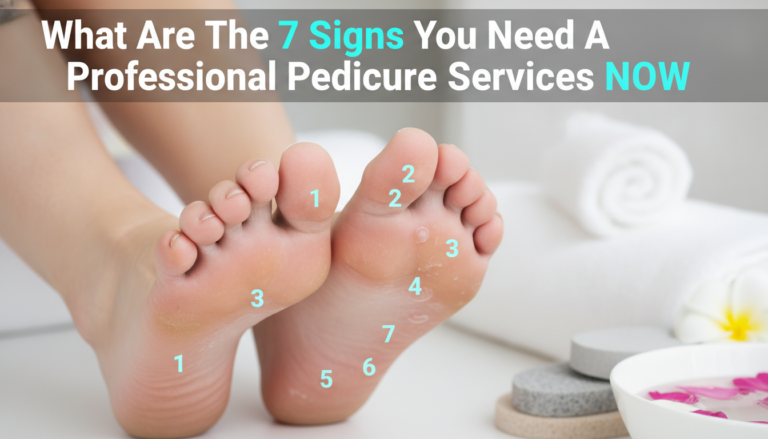 What Are The 7 Signs You Need A Professional Pedicure Services Now
 How To Ensure The Longevity Of Your Luxury Pedicure Services
 When Should I Get A Specialized Hot Oil Pedicure Services Treatment
 How Our Expert Pedicure Services Help Prevent Foot Infections
 7 Tips For Choosing The Right Wellness Services For Your Needs
 Which Manicure Services Is Best For People Who Work With Their Hands