

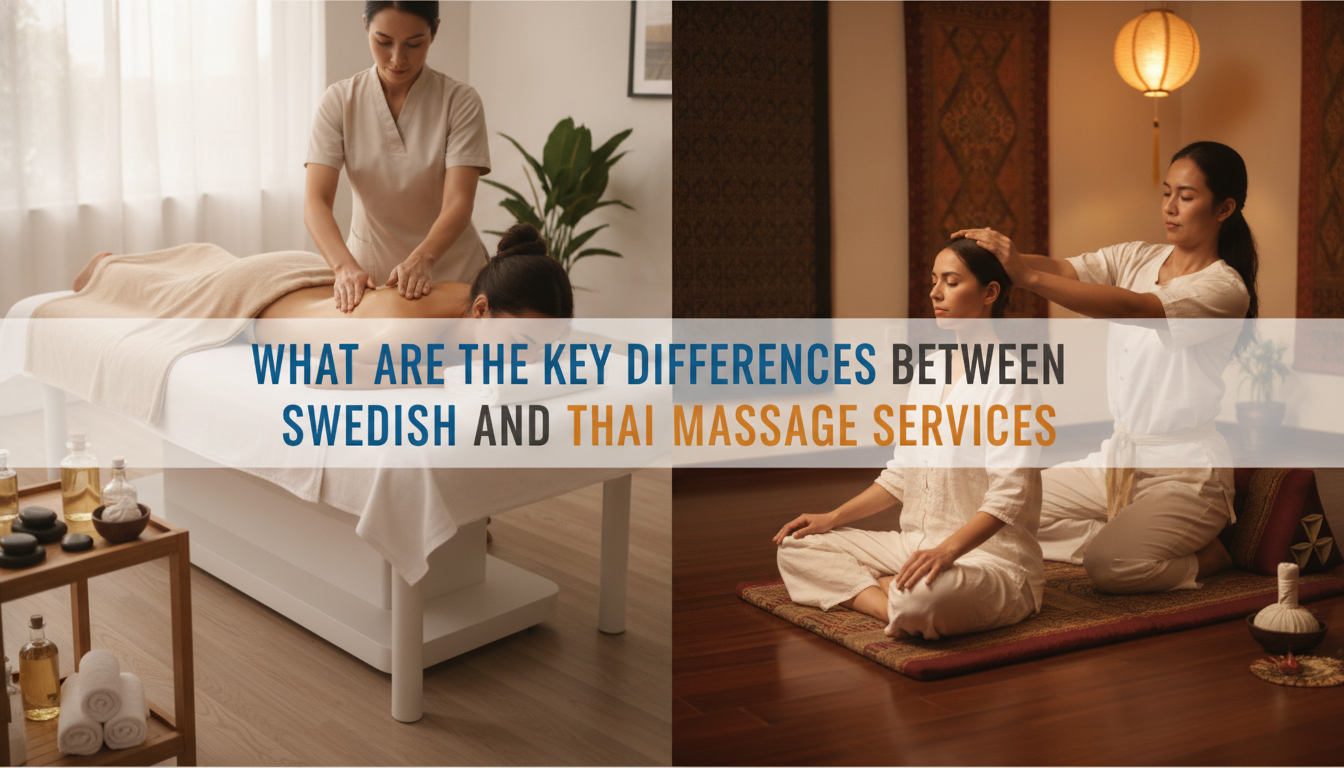
If you’ve ever stood at the spa menu trying to decide between a Swedish and Thai massage, you’re not alone. These two styles are among the most popular massage services in the world — and yet they couldn’t be more different in their approach, technique, and overall experience. Understanding the key differences between Swedish and Thai massage services helps you choose the right treatment for your body, your schedule, and exactly what you need in that moment.
The Origins: Two Very Different Traditions
Swedish massage was developed in the early 19th century by a Swedish physiologist named Per Henrik Ling. It was designed with Western anatomy in mind — focusing on muscle relaxation, circulation, and physical recovery. It became the foundation of most Western spa treatments and is widely regarded as the most commonly practised massage style in Europe and North America.
Thai massage, on the other hand, is rooted in a tradition that stretches back over 2,500 years. It draws from Ayurvedic medicine, yoga, and Buddhist healing practices. Unlike Swedish massage, Thai massage doesn’t just treat the muscles — it works along energy lines called Sen, which are believed to carry life force throughout the body. The philosophy behind Thai massage is as much about energy flow as it is about physical relief.
These different origins shape everything — from how the therapist positions you to whether or not you keep your clothes on during the session.
How Each Massage Is Actually Performed
Swedish Massage: Table, Oil, and Flowing Strokes
In a Swedish massage, you lie on a padded massage table, typically undressed (with strategic draping for modesty), while the therapist applies massage oil or lotion directly to your skin. The treatment follows a structured sequence — usually beginning at the back, moving to the legs, then the arms and neck.
The therapist uses five core techniques:
- Effleurage — long, gliding strokes that warm up the muscles
- Petrissage — kneading and squeezing to release deeper tension
- Friction — circular pressure applied to specific tight areas
- Tapotement — rhythmic tapping or cupping to stimulate circulation
- Vibration — fine trembling movements to loosen stiff areas
A typical session runs between 60 and 90 minutes. You remain largely passive throughout — the therapist does all the work while you relax into the table.
Thai Massage: Floor Mat, Clothing, and Active Movement
Thai massage is a completely different physical experience. You remain fully clothed in loose, comfortable clothing and lie on a floor mat rather than a table. The therapist doesn’t just use their hands — they use their thumbs, palms, elbows, knees, and even feet to apply pressure and move the body.
Rather than passive relaxation, Thai massage is highly interactive. The therapist guides your body through a series of stretches, twists, and compressions — many of which resemble yoga poses. A standard session typically lasts between 60 and 120 minutes, and the experience often leaves people feeling both physically loosened and energetically reset.
Key Differences Between Swedish and Thai Massage Services at a Glance
Let’s break this down clearly, because the differences are significant enough to affect which treatment you should choose:
- Client position: Swedish — lying passively on a table; Thai — active stretching on a floor mat
- Clothing: Swedish — undressed with draping; Thai — fully clothed in loose attire
- Oils or lotions: Swedish — yes; Thai — generally no
- Pressure style: Swedish — smooth strokes and kneading; Thai — rhythmic compression and stretching
- Therapist tools: Swedish — hands primarily; Thai — hands, elbows, knees, feet
- Session intensity: Swedish — calming and gentle; Thai — can be firm and invigorating
- Primary goal: Swedish — muscle relaxation and stress relief; Thai — energy balance, flexibility, and full-body rejuvenation
The Physical Benefits: What Each Treatment Actually Does
Swedish Massage Benefits
Swedish massage is particularly effective for people dealing with general stress, muscle soreness, poor circulation, or tension headaches. The long gliding strokes increase blood flow, which helps deliver oxygen to tired muscles and flush out metabolic waste — this is why you might feel noticeably lighter after a session.
Studies published in the Journal of Alternative and Complementary Medicine have shown that a single 45-minute Swedish massage can measurably reduce levels of cortisol (the stress hormone) in the bloodstream. For Abuja professionals navigating long work hours, city traffic, and back-to-back meetings in the FCT, this kind of stress reset is genuinely valuable — not just a luxury.
It’s also one of the most recommended starting points for people who have never had a professional massage before. The pace is predictable, the pressure can be adjusted easily, and there’s very little physical demand on the client.
Thai Massage Benefits
Thai massage works differently. Because it involves assisted stretching and sustained compression along the body’s energy lines, it tends to improve joint mobility and flexibility more directly than Swedish massage does. Many clients report feeling noticeably more mobile after a session — particularly in the hips, back, and shoulders.
The treatment is often recommended for athletes, people with postural issues, or anyone who sits at a desk for long periods. The deep rhythmic pressure can also stimulate the lymphatic system and improve energy levels, making it popular with people who feel chronically fatigued or mentally foggy.
That said, Thai massage isn’t for everyone. The stretching can be intense, and clients with certain conditions — including recent injuries, osteoporosis, or pregnancy — should consult a qualified therapist before booking.
The Sensory Experience: What to Expect in the Room
Swedish massage is typically associated with the classic spa environment — soft lighting, ambient music, aromatherapy diffusers, warm towels. It’s designed to feel indulgent and deeply calming from the moment you walk in. Many clients fall asleep on the table, which is completely normal and often taken as a sign that the treatment is working.
Thai massage, by contrast, has a more active energy. The room may be quieter and more minimal, and the session requires you to breathe through the stretches rather than drift off. First-timers sometimes describe it as feeling like a mix between a massage and a yoga class — which is essentially accurate.
Neither experience is better than the other. They serve different purposes and different moods.
Who Should Choose Swedish Massage?
Swedish massage tends to suit people who:
- Are new to professional massage and want a gentle introduction
- Need to unwind from work stress, anxiety, or emotional tension
- Experience general muscle soreness or tension headaches
- Prefer a quieter, more passive treatment experience
- Are recovering from mild fatigue and simply need rest and restoration
In Abuja‘s climate, Swedish massage pairs particularly well with the harmattan season — when dry air and dust can leave the skin feeling tight and the body generally depleted. A good session with quality massage oil not only relaxes the muscles but also helps rehydrate and soothe the skin.
Who Should Choose Thai Massage?
Thai massage tends to suit people who:
- Sit for long periods at a desk and carry tension in the hips or lower back
- Want to improve flexibility and joint mobility
- Feel physically stagnant or low on energy
- Are comfortable with a more active, hands-on experience
- Have had Swedish massage before and want to explore something deeper
For professionals in Abuja who spend hours commuting across the city or sitting through back-to-back meetings, the structural release offered by Thai massage can be genuinely transformative. It addresses the kind of postural stiffness that builds up over weeks or months in ways that lighter massage styles sometimes can’t reach.
Pressure, Pain, and Safety: What You Need to Know
A common question is whether either massage style should hurt. The short answer: no, not really — but both can feel intense at times.
In Swedish massage, pressure is typically light to medium and fully adjustable. You should always feel comfortable communicating with your therapist if anything feels uncomfortable. A good therapist will check in with you throughout the session.
Thai massage can involve firmer pressure and sustained stretches that might feel unfamiliar at first. Some areas of the body — particularly the IT band along the outer thigh or the soles of the feet — can be quite sensitive. However, the sensation should never feel sharp or harmful. If it does, tell your therapist immediately.
At Luxor Salon and Spa, therapists at both the Maitama and Wuse 2 branches are trained to adjust their technique based on your comfort level and physical condition. They’ll also ask about any health concerns before your session begins — which is standard practice in any credible spa environment.
How Often Should You Book Each Treatment?
For Swedish massage, many therapists recommend booking every two to four weeks for ongoing stress management, or weekly during particularly demanding periods. A single session provides immediate relief, but the cumulative benefits of regular treatment — improved sleep, lower resting anxiety, better muscle recovery — become more pronounced over time.
Thai massage is typically recommended slightly less frequently for most people — once every three to four weeks — unless you’re using it specifically for athletic recovery or a targeted physical issue. Your therapist can advise based on your individual needs.
Aftercare matters too. For both treatments, drinking plenty of water in the 24 hours following your session helps the body flush out any toxins released during the massage. Light movement — a short walk, gentle stretching — is also beneficial. Avoid intense exercise immediately after either treatment.
Swedish and Thai Massage Services in Abuja: What to Look For
Not all massage services are created equal. When booking in Abuja, it’s worth looking for a spa that uses professionally trained therapists, clean and hygiene-conscious facilities, and quality products that won’t irritate the skin.
Luxor Salon and Spa has been operating in Abuja since 2013, with two fully equipped branches — one at 56 Usuma Street, Off Gana Street, Maitama, and the flagship location at 792b Adetokunbo Ademola Crescent, Wuse 2. Both branches operate 24/7, which is genuinely useful for professionals who work irregular hours or simply can’t fit a daytime appointment into a packed schedule.
Products used across Luxor’s services meet eco-friendly, cruelty-free, and certified organic standards — a detail that matters particularly for clients with sensitive skin or those conscious about what goes on their body during a massage session.
Frequently Asked Questions
What is the main difference between Swedish and Thai massage?
The core difference comes down to technique and experience. Swedish massage uses oil-based strokes on bare skin with the client lying passively on a table, focusing on muscle relaxation and stress relief. Thai massage involves clothed assisted stretching and compression on a floor mat, targeting flexibility, energy flow, and deeper physical tension. Both are effective — they simply work differently and suit different needs.
Which massage is better for stress relief?
Swedish massage is generally considered the more effective option for pure stress relief and nervous system relaxation. Its slow, rhythmic strokes directly lower cortisol levels and promote a parasympathetic (rest-and-digest) response. That said, many people find Thai massage’s energetic reset equally restorative — it depends on how your body holds stress.
Is Thai massage painful?
It shouldn’t be painful, but it can feel intense — particularly during deep compressions or sustained stretches in tight areas. A skilled therapist will always adjust pressure based on your feedback. First-timers are encouraged to communicate openly throughout the session. If you’re concerned, you can also request a lighter-pressure variation when booking.
Do I need to book in advance at Luxor, or can I walk in?
Both Luxor branches in Maitama and Wuse 2 operate 24/7, so walk-ins are welcome. That said, booking in advance is recommended — especially for weekend appointments or if you have a specific therapist preference. You can book online or contact the branch directly to confirm availability.
Which Luxor branch should I visit?
It really comes down to convenience. The Maitama branch at 56 Usuma Street is ideal if you’re based in or around Maitama, Asokoro, or the central ministerial districts. The Wuse 2 flagship at 792b Adetokunbo Ademola Crescent is well-positioned for clients in Wuse, Garki, or the broader commercial hub of the city. Both offer the same service standards and 24/7 availability.
Final Thoughts
Choosing between Swedish and Thai massage services isn’t really about which one is superior — it’s about understanding what your body needs right now. Swedish massage offers deep relaxation, skin-friendly benefits, and a gentle entry point into therapeutic bodywork. Thai massage goes further into the joints and energy pathways, making it ideal for improving mobility, releasing structural tension, and rebuilding a sense of physical vitality.
If you’re still unsure, the most practical approach is to try both — starting with Swedish if you’re new to massage, and exploring Thai once you’re comfortable with the experience. A good therapist will also be happy to recommend which treatment suits your current condition. The right massage, done well, isn’t just a treat. It’s a genuinely useful investment in how you feel and function day to day.
Ready to Book Your Next Massage in Abuja?
Whether you’re drawn to the soothing strokes of Swedish massage or the invigorating stretches of Thai massage, the team at Luxor Salon and Spa is ready to help you find the right treatment. Both branches are open 24/7, staffed by trained therapists, and equipped to offer a professional spa experience that’s worth every minute.
Reach out to the branch that works best for you:
- Maitama Branch — 56 Usuma Street, Off Gana Street, Maitama, Abuja
Email: moc.apsdnanolasroxul@ofni
Phone: (+234) 701 888 0102 - Wuse 2 Branch — 792b Adetokunbo Ademola Crescent, Wuse 2, Abuja
Email: moc.apsdnanolasroxul@2esuw
Phone: (+234) 701 888 0100
Or, if you’re ready to go ahead, you can book online at your convenience. We’re happy to answer questions, walk you through the options, or simply get you booked in for a session that’s long overdue.
Related Posts
 What Are The Key Differences Between Regular And Spa Pedicure Services
 What Are The Key Ingredients In Our Best Selling Hydrating Facials Services
 How To Maintain A Healthy Glow Between Your Wellness Services Visits
 What Are The Key Benefits Of A Prenatal Massage Services
 When Should I Schedule My Next Swedish Massage Services Session
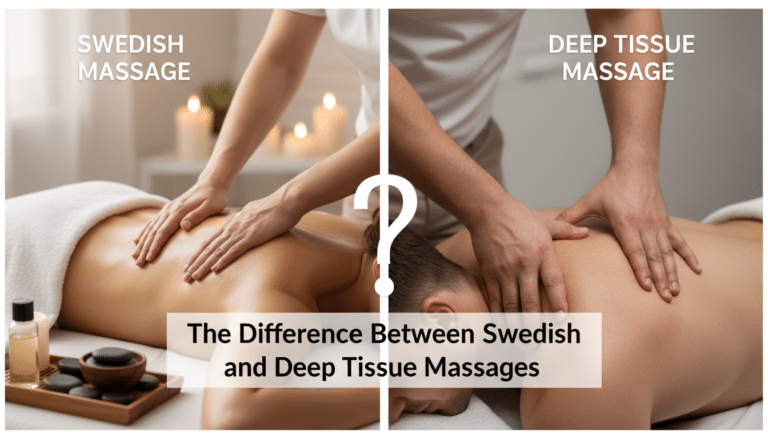 The Difference Between Swedish and Deep Tissue Massages
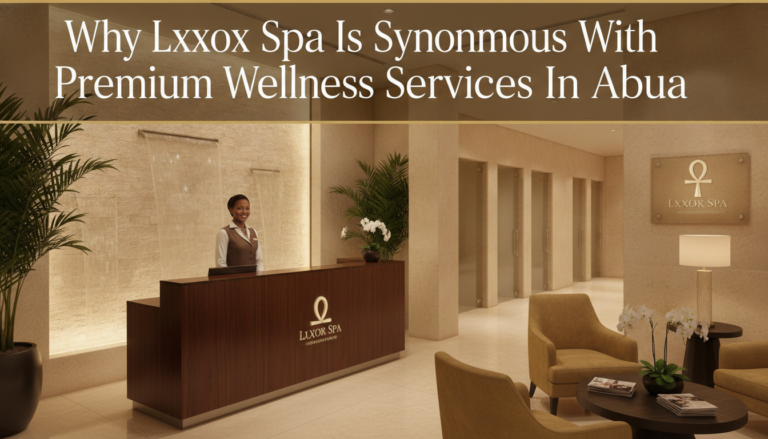 Why Luxor Spa Is Synonymous With Premium Wellness Services In Abuja
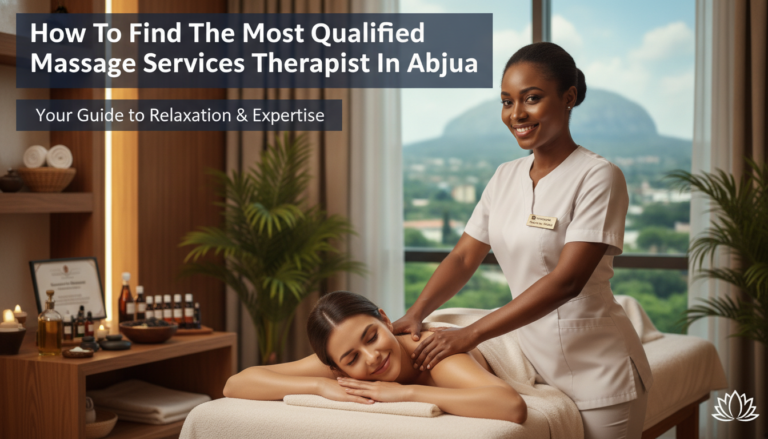 How To Find The Most Qualified Massage Services Therapist In Abuja