

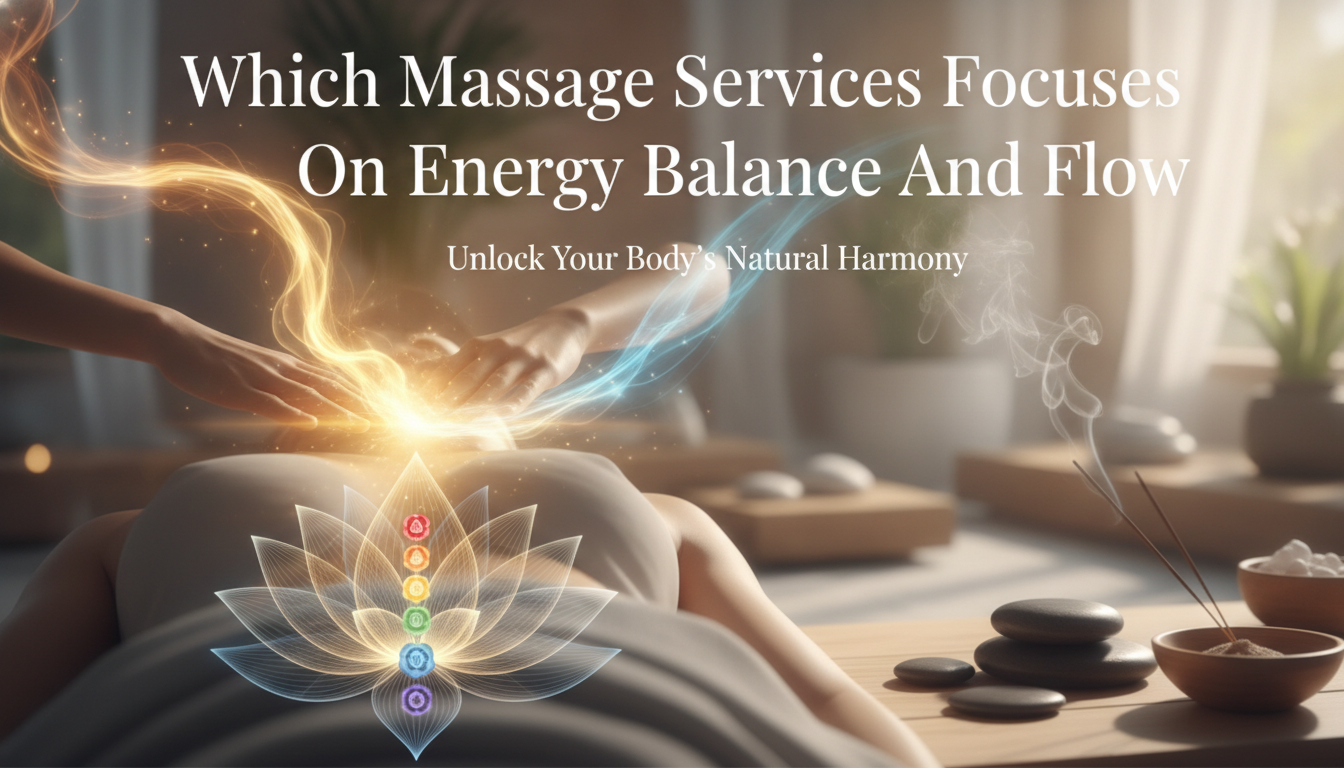
When life in Abuja gets relentless — the traffic on Airport Road, back-to-back meetings in the FCT, the dry harmattan air pulling every drop of moisture from your skin and your spirit — sometimes what you need goes beyond a standard rubdown. Massage services that focus on energy balance and flow work on a different level entirely. They don’t just address tight muscles. They engage the body’s internal systems, working with the idea that physical tension, emotional stress, and disrupted energy are all connected. Understanding which of these therapies does what can help you choose an experience that genuinely restores rather than just relaxes.
What Does “Energy Balance” Actually Mean in Massage?
Before diving into specific services, it helps to understand the underlying concept. Many healing traditions — from Traditional Chinese Medicine to Indian Ayurveda to Japanese bodywork — share a common belief: the body has pathways or channels through which vital energy flows. When that flow is disrupted, blocked, or uneven, the result shows up as tension, fatigue, illness, or emotional imbalance.
Different cultures name this energy differently. In Chinese practice, it’s called qi (or chi). In Indian traditions, it’s prana. In Japanese practice, ki. The names differ, but the framework is remarkably consistent: energy should move freely, and massage is one of the most direct tools for encouraging that movement.
Energy-focused massage doesn’t replace conventional healthcare, but it sits alongside it as a form of preventive care and recovery support that millions of people around the world use regularly.
Massage Services That Focus on Energy Balance and Flow
Reiki and Energy Healing Touch
Reiki is perhaps the most well-known energy-based therapy. A practitioner places their hands lightly on or just above specific areas of the body — often corresponding to energy centres called chakras — with the intention of channelling healing energy. Sessions typically last between 45 and 90 minutes.
Unlike most massage techniques, Reiki doesn’t involve deep pressure or manipulation of tissue. It’s a subtle practice, and that subtlety is exactly why some people find it so disarming. Many clients report a deep sense of calm, emotional release, or a feeling of warmth spreading through the body, even though the physical contact is minimal.
It’s particularly useful for people dealing with anxiety, insomnia, or the kind of mental exhaustion that doesn’t respond well to stimulation — which describes a lot of professionals navigating a demanding city like Abuja.
Shiatsu Massage
Shiatsu is a Japanese bodywork technique rooted in the same meridian theory as acupuncture. Therapists use fingers, thumbs, palms, and sometimes elbows or knees to apply rhythmic pressure along specific energy pathways. Sessions are performed fully clothed, making it an accessible and comfortable option for first-timers.
A standard shiatsu session runs about 60 minutes, though 90-minute sessions allow for deeper work. The pressure can range from gentle to quite firm depending on what the body needs. After a session, it’s common to feel both energised and deeply relaxed — a combination that’s hard to achieve with most other therapies.
Shiatsu has been studied for its effects on stress hormones, and some clinical research supports its role in reducing cortisol levels and improving sleep quality over a series of sessions.
Thai Massage
Thai massage takes the energy meridian concept and combines it with assisted stretching, joint mobilisation, and acupressure. Sometimes called “lazy yoga,” it’s an active, dynamic experience where the therapist moves your body through a sequence of positions designed to open energy pathways and release physical tension simultaneously.
Sessions typically run 60 to 120 minutes and are performed on a floor mat. The therapist works systematically from the feet upward, applying pressure along the body’s sen lines — the Thai equivalent of meridians. The result is improved flexibility, reduced muscle stiffness, and a noticeable sense of energetic clarity.
For Abuja residents who spend long hours seated — in offices, in cars, in meetings — Thai massage offers something most desk-based remedies can’t: a full-body reset that addresses both structural and energetic tension at once.
Ayurvedic Massage (Abhyanga)
Abhyanga is a cornerstone of Ayurvedic healing. Warm, herb-infused oils are applied in long, rhythmic strokes designed to nourish the skin, stimulate the lymphatic system, and balance the body’s doshas — the Ayurvedic energy types that govern physical and mental constitution.
The oils used aren’t arbitrary. They’re selected based on your individual constitution and current imbalances. Someone feeling overheated and agitated might receive cooling oils like coconut or sandalwood; someone feeling heavy and sluggish might receive warming oils like sesame or mustard.
A full Abhyanga typically lasts 60 to 75 minutes. The effects extend well beyond the session — practitioners recommend lying still for at least 20 minutes afterward to allow the oils to absorb fully. During harmattan season in Abuja, when the dry air strips moisture from skin and the general atmosphere feels brittle, the deep hydration and grounding quality of an Abhyanga can feel almost medicinal.
Reflexology
Reflexology works on the principle that specific points on the feet, hands, and ears correspond to organs and systems throughout the body. By applying targeted pressure to these reflex points, a trained therapist can influence energy flow and organ function without touching the organ directly.
A 45 to 60-minute foot reflexology session can address issues ranging from digestive discomfort to hormonal imbalance to chronic headaches — all through work on the foot. It’s a surprisingly powerful experience for something that looks, on the surface, like a foot massage.
For those new to energy-based therapies, reflexology is often a comfortable starting point. It’s non-invasive, fully clothed, and the effects are often tangible enough to build confidence in the broader category of energy work.
Hot Stone Massage with Energy Work
Hot stone massage has therapeutic roots that go back thousands of years across multiple cultures, including Native American and Hawaiian healing traditions. When combined with intentional energy work, heated volcanic stones are placed along the body’s energy centres and used as extensions of the therapist’s hands to warm and open muscle tissue and energy pathways simultaneously.
The heat penetrates about three to four centimetres deeper than hand pressure alone, which means the therapist can access deeper layers of tension with less force. Sessions run 75 to 90 minutes on average. The warmth also has a direct calming effect on the nervous system, making this one of the most effective therapies for acute stress and physical exhaustion.
How Often Should You Book These Sessions?
This is one of the most practical questions, and the answer depends on what you’re working toward.
- Maintenance and stress management: Once or twice a month is a realistic baseline for most working professionals.
- Active recovery from burnout or chronic tension: Weekly sessions for four to six weeks, then tapering to monthly.
- Specific conditions like chronic fatigue or insomnia: A series of six to eight sessions is often recommended before assessing progress.
- Seasonal resets: Many clients in Abuja book intensive sessions at the start of harmattan and again at the height of the rainy season, when environmental stressors peak.
Consistency matters more than intensity. A single session can feel wonderful, but real shifts in energy balance — better sleep, steadier mood, reduced physical tension — tend to emerge after multiple sessions over time.
Choosing the Right Energy-Focused Massage for You
Consider Your Sensory Preferences
If you’re sensitive to pressure or touch, Reiki or light energy work might suit you better than Thai massage or deep shiatsu. If you find subtle therapies frustrating and need to feel something tangible happening, hot stone massage or Thai bodywork will likely satisfy you more.
Think About What You’re Trying to Address
Physical stiffness from long commutes responds well to Thai massage or shiatsu. Skin dryness and fatigue common during Abuja’s harmattan months are beautifully addressed by Abhyanga. Anxiety and sleep disruption often respond to Reiki or reflexology. Being honest about what’s actually bothering you helps you and your therapist make better choices together.
Don’t Overlook Aftercare
Energy-focused therapies often produce a detox-like response in the hours after treatment. Drink plenty of water, avoid alcohol for at least 24 hours, and plan to rest rather than rush back into a full schedule immediately after your session. Clients who neglect aftercare often underestimate how effective the treatment actually was.
What to Expect at Luxor Salon and Spa
Luxor Salon and Spa has been part of Abuja’s wellness scene since 2013, with a consistent focus on quality, trained therapists, and eco-conscious product standards. Both branches operate 24/7, which matters in a city where professionals often can’t find time during conventional business hours.
The spa uses certified organic, cruelty-free products, including locally sourced organic ingredients where available — an approach that aligns well with energy-focused therapies that are inherently mindful of what’s being applied to the body. You’re not getting generic products off a supply shelf; you’re getting formulations that have been chosen with care.
The Maitama branch at 56 Usuma Street, Off Gana Street, is the ultra-modern location in one of Abuja’s most prestigious residential districts — ideal if you’re coming from that end of town or prefer a quieter, upscale environment. The Wuse 2 branch at 792b Adetokunbo Ademola Crescent sits in the commercial heart of the city, making it a natural stop for those working in the central business district who want to decompress before or after a long day.
Having two well-placed branches means there’s rarely a good excuse not to go. Whichever side of Abuja you’re on, you’re not far from a session that could meaningfully change the rest of your week.
Frequently Asked Questions
What is the difference between energy massage and a regular relaxation massage?
A relaxation massage primarily targets muscle tension using techniques like effleurage and kneading to promote physical comfort. Energy-focused massage — such as shiatsu, Reiki, or reflexology — works with the body’s internal energy pathways with the goal of restoring flow and balance, which can affect mood, sleep, digestion, and overall vitality. The two approaches are complementary and can sometimes be combined.
Is energy-based massage suitable if I have a medical condition?
Most energy-focused therapies are gentle enough to be suitable for a wide range of people, including those managing chronic conditions. However, you should always inform your therapist about any health concerns before your session. Some conditions — such as deep vein thrombosis, active infections, or recent surgery — may require adjustments or a clearance from your doctor first.
How soon will I notice results?
Some effects — like reduced muscle tension, improved sleep the night after, or a calmer mood — can be felt within 24 hours of a session. Deeper shifts in energy balance and chronic patterns typically require a series of four to eight sessions over several weeks. Keeping notes on how you feel before and after each session helps track progress that might otherwise go unnoticed.
Do I need to book in advance at Luxor, or can I walk in?
Booking in advance is recommended, especially for longer sessions like Thai massage or Abhyanga, which require therapist preparation and room setup. Since both branches are open 24/7, there’s flexibility around timing — but popular slots, particularly evenings and weekends, do fill up. Reaching out ahead of time ensures you get the session and time slot that works for you.
Which Luxor branch should I visit?
It really comes down to where you are in the city. If you’re in the Maitama area or prefer a quieter, residential atmosphere, the Maitama branch on Usuma Street is the natural choice. If you’re closer to Wuse 2 or coming from a workday in the central business area, the flagship branch on Adetokunbo Ademola Crescent is more convenient. Both offer the same service standards and are open around the clock.
Closing Thoughts
Massage services that focus on energy balance and flow offer something that conventional stress relief often misses: they treat the whole person, not just the symptom. Whether you’re drawn to the intuitive stillness of Reiki, the structured pressure of shiatsu, the dynamic stretch of Thai massage, or the warming depth of an Abhyanga, each of these therapies carries centuries of practical refinement behind it. They’re not trends — they’re traditions that have earned their place in modern wellness precisely because they work.
If you’ve been running on empty, battling Abuja’s demands, or simply feeling like your body and mind aren’t quite in sync, one of these sessions might be exactly what’s missing. Start where your instincts lead you, be consistent, and give the process time to show you what’s possible.
Ready to experience energy-focused massage for yourself? The team at Luxor Salon and Spa is happy to help you choose the right service, answer any questions, or get you booked in at a time that suits you — 24 hours a day, seven days a week.
Maitama Branch — 56 Usuma Street, Off Gana Street, Maitama, Abuja
Email: moc.apsdnanolasroxul@ofni
Phone: (+234) 701 888 0102
Wuse 2 Branch — 792b Adetokunbo Ademola Crescent, Wuse 2, Abuja
Email: moc.apsdnanolasroxul@2esuw
Phone: (+234) 701 888 0100
Prefer to sort it all out online? You can also book online at your convenience. Visit whichever branch is closest — both are ready for you.
Related Posts
 Which Wellness Services Focuses Primarily On Detoxing The Body
 How To Find The Most Qualified Massage Services Therapist In Abuja
 Why Luxor Salon Excels In Creative Manicure Services And Nail Art
 Why Luxor Spa Provides The Most Relaxing Pedicure Services Setting
 When Is The Ideal Time To Get A Quick Manicure Services Touch Up
 Which Relaxation Massage Services Is Ideal For First Timers
 Why Our Signature Massage Services Are The Talk Of Abuja
 How To Combine All 7 Services For An Unforgettable Spa Day