
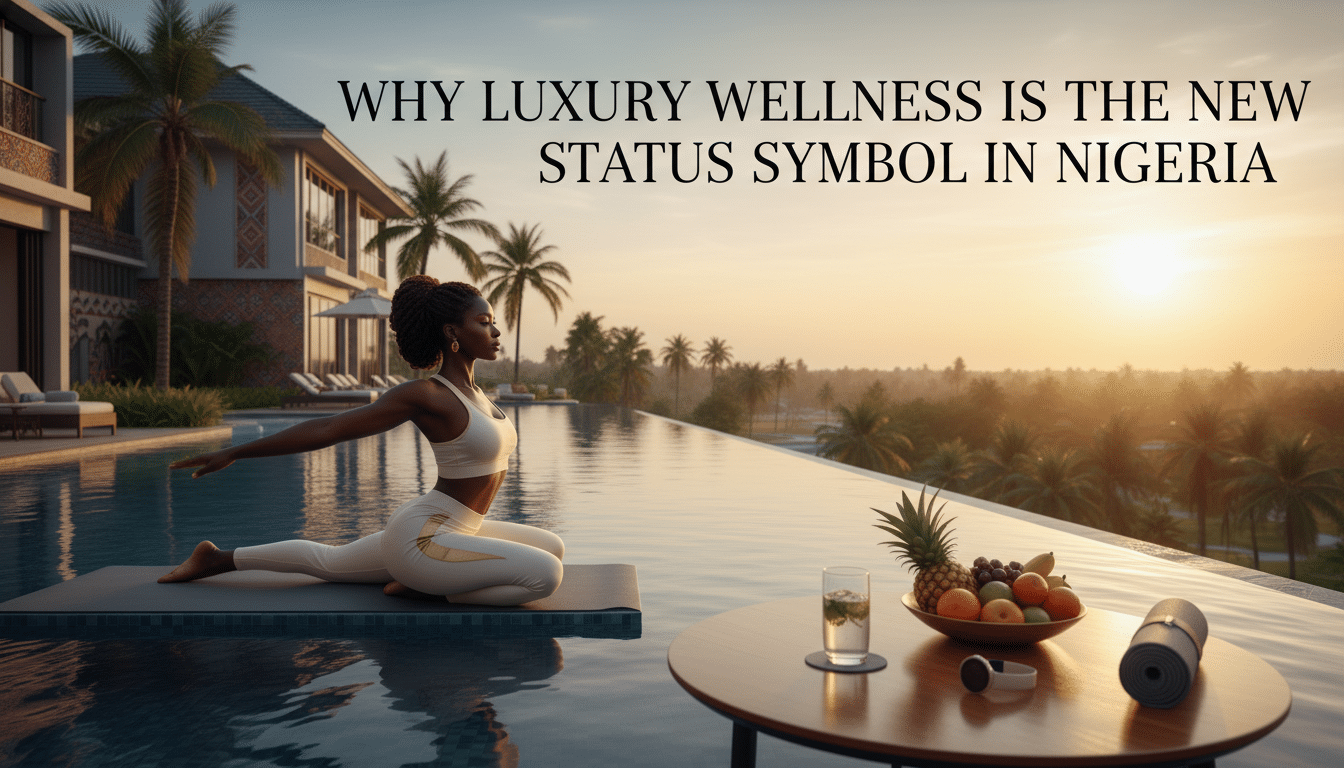
Why Luxury Wellness is the New Status Symbol in Nigeria
For decades, status symbols in Nigeria have been conspicuous and easily quantifiable: designer clothes dripping with logos, the latest model SUVs gleaming under the Lagos sun, palatial homes in exclusive neighborhoods, and lavish parties that spared no expense. These material possessions were, and in many ways still are, outward displays of wealth, power, and social standing. However, a subtle but significant shift is underway. A new status symbol is emerging, one that prioritizes inner well-being, longevity, and holistic health: luxury wellness. This isn’t just about expensive spa treatments; it’s a deeper investment in personal optimization, mindful living, and experiences that nourish the mind, body, and soul. Several converging factors are driving this trend in Nigeria, reflecting a growing awareness of the limitations of purely materialistic pursuits and a desire for a more meaningful and sustainable quality of life.
The Rise of Wellness Consciousness: Beyond Material Accumulation
The relentless pursuit of wealth and material possessions, while undeniably a driving force in Nigerian society, has also taken its toll. The pressures of maintaining a high-profile lifestyle, coupled with the stresses of navigating the country’s often challenging business environment, have contributed to a rise in health issues like hypertension, diabetes, and mental health concerns. The "hustle culture," glorified for its relentless pursuit of financial success, is increasingly recognized for its negative impact on overall well-being.
This awareness has prompted a reevaluation of priorities, particularly among affluent Nigerians. They are beginning to understand that accumulating wealth is meaningless without the health and vitality to enjoy it. The realization that material possessions offer only fleeting happiness, while physical and mental well-being contribute to sustained joy and fulfillment, is a key driver of the shift towards luxury wellness. This understanding is further amplified by global trends promoting holistic health and longevity. The internet and social media have democratized access to information about health, wellness, and alternative therapies, empowering individuals to take control of their well-being.
Luxury Redefined: Experiences Over Possessions
The very definition of luxury is evolving. While owning a designer handbag or a luxury car still carries a certain cachet, there’s a growing appreciation for experiences that enrich life in a more profound way. This shift is particularly evident in the younger generation of affluent Nigerians, who are more likely to prioritize travel, personal growth, and wellness over purely materialistic acquisitions.
Luxury wellness, in this context, encompasses a wide range of offerings. It can include personalized fitness training with elite coaches, bespoke nutrition plans tailored to individual needs, access to exclusive wellness retreats offering yoga, meditation, and mindfulness practices, and cutting-edge medical treatments and preventative care. It also extends to the environment one inhabits, with a growing demand for homes designed with wellness in mind, incorporating features like air and water purification systems, natural light, and tranquil outdoor spaces.
For instance, instead of simply purchasing the latest luxury watch, an affluent Nigerian might choose to invest in a personalized longevity program that includes genetic testing, customized nutrition, and regular consultations with anti-aging specialists. Instead of throwing lavish parties, they might opt for a wellness retreat in Bali or a private yoga retreat in the mountains. These experiences not only provide immediate benefits but also contribute to long-term health and well-being, making them a far more valuable investment than fleeting material pleasures.
The Social Currency of Wellness: Projecting a Healthy and Balanced Image
In a society driven by social connection and outward appearances, wellness is becoming a new form of social currency. Sharing images of healthy meals, fitness routines, and rejuvenating experiences on social media platforms like Instagram and Twitter is becoming increasingly common, projecting an image of vitality, balance, and self-care. This is not just about vanity; it’s about signaling success in a more nuanced and sophisticated way.
A fit and healthy appearance, coupled with a calm and centered demeanor, is now seen as a reflection of discipline, self-control, and a commitment to personal growth. It signifies that one has the resources and the time to prioritize their well-being, a powerful statement of affluence and status. This trend is also driven by the growing influence of social media influencers and celebrities who promote healthy lifestyles and wellness practices. Their endorsements and testimonials contribute to the normalization and aspiration of luxury wellness within Nigerian society.
Furthermore, conversations around mental health and well-being are becoming more open and accepted, particularly among younger generations. Seeking therapy, practicing mindfulness, and prioritizing self-care are no longer seen as signs of weakness but as proactive steps towards maintaining emotional and mental well-being. This shift in attitudes contributes to the overall acceptance and adoption of luxury wellness practices as a means of achieving a more balanced and fulfilling life.
The Rise of the Wellness Industry in Nigeria: Meeting the Growing Demand
The growing demand for luxury wellness has spurred the development of a burgeoning wellness industry in Nigeria. From high-end spas and fitness studios to wellness retreats and integrative medical clinics, businesses are catering to the needs of affluent Nigerians seeking to optimize their health and well-being.
Luxury spas are offering a wider range of treatments beyond traditional massages and facials, including personalized aromatherapy sessions, Ayurvedic therapies, and advanced skincare technologies. Fitness studios are incorporating innovative workout programs and offering personalized training with experienced coaches. Wellness retreats are providing immersive experiences that combine yoga, meditation, healthy cuisine, and nature-based activities. Integrative medical clinics are offering a holistic approach to healthcare, combining conventional medicine with alternative therapies like acupuncture, herbal medicine, and nutritional counseling.
This growth in the wellness industry is also creating opportunities for entrepreneurs and innovators to develop new products and services that cater to the specific needs of the Nigerian market. From locally sourced organic skincare products to customized wellness apps, the industry is rapidly evolving to meet the growing demand for personalized and effective wellness solutions.
Challenges and Opportunities: Making Wellness Accessible
While luxury wellness is gaining traction among affluent Nigerians, it’s important to acknowledge that access to these services remains limited to a small segment of the population. The cost of personalized fitness training, bespoke nutrition plans, and wellness retreats can be prohibitive for the majority of Nigerians.
One of the key challenges is to make wellness more accessible and affordable to a wider range of people. This can be achieved through initiatives such as community-based fitness programs, subsidized wellness services, and the development of affordable wellness products and services. Government support and private sector investment are also crucial in expanding access to wellness resources and promoting healthy lifestyles across all socioeconomic groups.
Another challenge is to address the cultural barriers that may prevent some Nigerians from embracing wellness practices. Traditional beliefs and cultural norms can sometimes discourage individuals from seeking medical attention or adopting alternative therapies. Educating the public about the benefits of wellness practices and addressing cultural sensitivities are essential in promoting widespread adoption.
Despite these challenges, the future of wellness in Nigeria is bright. As awareness of the importance of holistic health and well-being continues to grow, more and more Nigerians will seek to incorporate wellness practices into their daily lives. By making wellness more accessible and affordable, and by addressing cultural barriers, Nigeria can create a healthier and more prosperous society for all. The shift from purely materialistic status symbols to the embrace of luxury wellness represents a positive evolution, reflecting a growing understanding of the true meaning of wealth and well-being. It is a testament to the evolving aspirations of Nigerians, who are increasingly seeking not just financial success, but also a life of purpose, vitality, and lasting fulfillment.
Related Posts
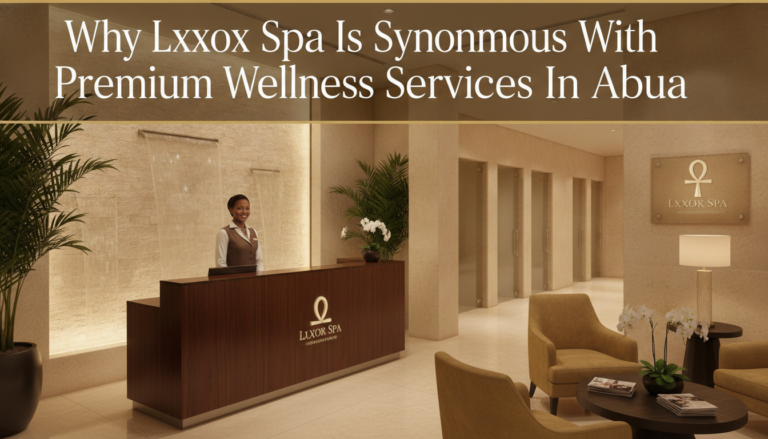 Why Luxor Spa Is Synonymous With Premium Wellness Services In Abuja
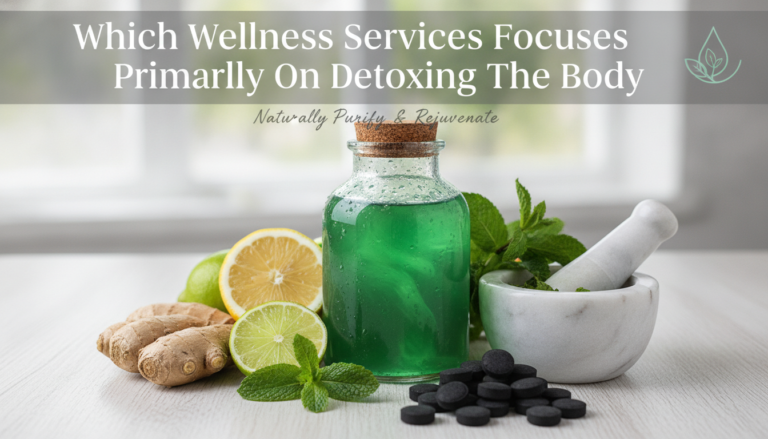 Which Wellness Services Focuses Primarily On Detoxing The Body
 7 Ways Our Wellness Services Help You De Stress From Abuja Life
 What Wellness Services Are Ideal For Busy Professionals In Abuja
 Why Luxor Spa Is The Go To For Comprehensive Wellness Services
 Why Are Our Customized Wellness Services So Popular In Nigeria
 Top 5 Wellness Trends Taking Over Abuja This Year
 Why a Day at the Spa is the Best Birthday Gift in Abuja