

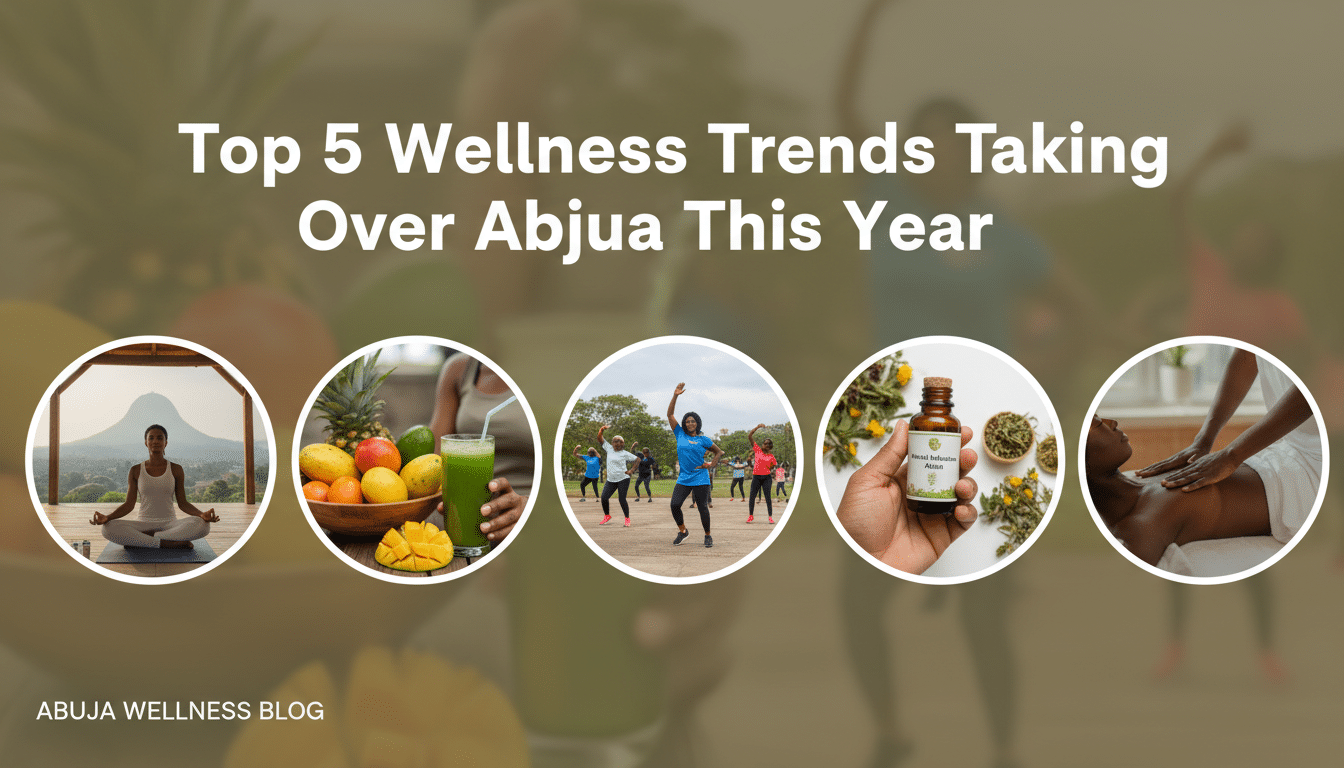
Top 5 Wellness Trends Taking Over Abuja This Year
Abuja, Nigeria’s capital city, is rapidly evolving beyond its reputation as a political hub. A growing awareness of health and wellbeing is sweeping through the city, fueling a surge in innovative wellness trends. From ancient practices reimagined for modern life to cutting-edge therapies, Abuja residents are embracing a holistic approach to physical and mental health. This year, five distinct wellness trends are dominating the scene, each offering unique pathways to a healthier and more fulfilling lifestyle. Let’s delve into these trends and explore why they are resonating so strongly with the Abuja community.
1. The Rise of Conscious Nutrition and Locally Sourced Ingredients:
For years, Abuja’s food scene mirrored a global trend of convenience and processed options. However, a significant shift is occurring as residents become increasingly conscious of the impact of their dietary choices on their overall wellbeing. This awareness is driving the popularity of conscious nutrition, a philosophy that emphasizes mindful eating, understanding the nutritional value of food, and making informed choices that support both physical and mental health. Crucially, this trend is deeply intertwined with a growing preference for locally sourced ingredients.
Understanding Conscious Nutrition:
Conscious nutrition goes beyond simply counting calories. It involves paying attention to the body’s signals, understanding the origins of food, and appreciating the process from farm to table. This approach encourages individuals to be more present during meals, savoring flavors and textures while recognizing the connection between food and energy levels, mood, and overall health. In Abuja, this is translating into a growing demand for healthier alternatives at restaurants, a surge in home cooking, and an increased interest in understanding food labels. Workshops and seminars on mindful eating are gaining traction, equipping residents with the tools to make more informed dietary choices.
The Appeal of Locally Sourced Ingredients:
The shift towards conscious nutrition is intrinsically linked to the rising demand for locally sourced ingredients. Consumers are becoming more aware of the benefits of supporting local farmers and businesses, both economically and environmentally. Locally grown produce is often fresher, more nutritious, and free from the harmful pesticides and preservatives that can be found in imported goods. This preference is fueled by a desire to connect with the community and support sustainable practices.
- The Farmers’ Market Boom: Abuja is witnessing a proliferation of farmers’ markets, providing direct access to fresh, seasonal produce, artisanal goods, and locally raised meats and poultry. These markets are becoming vibrant community hubs, fostering connections between consumers and producers and promoting a deeper understanding of food systems. They offer a welcome alternative to supermarkets and provide a platform for local farmers to showcase their products and educate consumers about sustainable farming practices.
- Farm-to-Table Restaurants: Several restaurants in Abuja are embracing the farm-to-table concept, partnering with local farmers to source their ingredients. This ensures that their menus feature fresh, seasonal dishes that are both delicious and nutritious. These restaurants are not only providing healthier dining options but also supporting local agriculture and promoting sustainable food practices. They often highlight the origin of their ingredients on their menus, educating diners about the importance of supporting local farms.
- Community Supported Agriculture (CSA) Programs: CSA programs are gaining popularity, allowing residents to subscribe to a share of a local farm’s harvest. This provides a guaranteed source of fresh, seasonal produce throughout the growing season and supports local farmers by providing them with a stable income. CSA programs are a great way to connect with the local food system and learn about the challenges and rewards of farming.
- Home Gardening Initiatives: More and more Abuja residents are taking matters into their own hands by starting their own home gardens. Whether it’s a small balcony herb garden or a larger vegetable patch, home gardening allows individuals to control the source of their food and connect with nature. It also provides a sense of satisfaction and accomplishment. Workshops and online resources are readily available to help aspiring gardeners get started.
- Emphasis on Traditional Nigerian Cuisine: Alongside the global influences, a renewed appreciation for traditional Nigerian cuisine is blossoming. This includes dishes prepared with local ingredients and using traditional cooking methods. Many believe these traditional meals are inherently healthier than heavily processed foreign alternatives. Chefs are rediscovering forgotten recipes and modernizing them with innovative techniques, showcasing the rich culinary heritage of Nigeria.
Challenges and Opportunities:
While the trend towards conscious nutrition and locally sourced ingredients is gaining momentum, challenges remain. Access to affordable, healthy food can be a barrier for some residents, particularly those in lower-income communities. Infrastructure limitations, such as inadequate storage facilities and transportation networks, can also hinder the distribution of locally sourced produce. However, these challenges also present opportunities for innovation and entrepreneurship. Investing in agricultural infrastructure, supporting small-scale farmers, and promoting food education initiatives can help to overcome these obstacles and ensure that healthy, locally sourced food is accessible to all.
The rise of conscious nutrition and locally sourced ingredients is a testament to the growing awareness of health and sustainability in Abuja. As residents become more informed and empowered, this trend is poised to continue shaping the city’s food landscape and fostering a healthier, more connected community.
2. Mindfulness and Meditation Practices for Stress Reduction:
Abuja, like many bustling urban centers, is no stranger to the pressures of modern life. The demands of work, family, and social obligations can contribute to chronic stress, anxiety, and burnout. Recognizing the detrimental effects of stress on both physical and mental health, Abuja residents are increasingly turning to mindfulness and meditation practices as effective tools for stress reduction and emotional wellbeing.
Understanding Mindfulness and Meditation:
Mindfulness is the practice of paying attention to the present moment without judgment. It involves focusing on thoughts, feelings, and sensations as they arise, without getting carried away by them. Meditation, on the other hand, is a technique used to train attention and awareness, often involving focusing on the breath, a mantra, or a guided visualization. Both mindfulness and meditation have been shown to reduce stress, improve focus, enhance emotional regulation, and promote overall wellbeing.
The Rise of Mindfulness and Meditation in Abuja:
The popularity of mindfulness and meditation in Abuja is evident in the growing number of meditation centers, yoga studios, and workshops offering these practices. Individuals are seeking out these techniques to cope with the demands of their daily lives and to cultivate a greater sense of inner peace and resilience.
- Meditation Centers and Studios: Dedicated meditation centers and yoga studios are springing up across Abuja, providing a supportive environment for individuals to learn and practice mindfulness and meditation. These centers offer a variety of classes, workshops, and retreats, catering to different levels of experience and interests. They often feature experienced instructors who guide participants through various meditation techniques and provide personalized support.
- Workplace Wellness Programs: Many companies in Abuja are recognizing the benefits of mindfulness and meditation for their employees and are incorporating these practices into their workplace wellness programs. This may include offering on-site meditation sessions, providing access to online mindfulness resources, or organizing workshops on stress management and emotional wellbeing. By promoting mindfulness and meditation in the workplace, companies can improve employee morale, reduce absenteeism, and enhance productivity.
- Mobile Apps and Online Resources: The proliferation of mobile apps and online resources dedicated to mindfulness and meditation has made these practices more accessible than ever before. Abuja residents can now easily access guided meditations, breathing exercises, and mindfulness tips from the comfort of their own homes. These apps often offer personalized programs tailored to individual needs and preferences.
- Mindfulness-Based Therapies: Licensed therapists in Abuja are increasingly incorporating mindfulness-based therapies into their practice. These therapies, such as Mindfulness-Based Stress Reduction (MBSR) and Mindfulness-Based Cognitive Therapy (MBCT), combine mindfulness techniques with traditional therapeutic approaches to treat a variety of mental health conditions, including anxiety, depression, and chronic pain.
- Community Meditation Groups: Informal community meditation groups are also emerging, providing a space for individuals to connect with like-minded people and practice mindfulness together. These groups often meet regularly in parks, community centers, or private homes, offering a supportive and non-judgmental environment for sharing experiences and learning from one another.
Benefits of Mindfulness and Meditation:
The benefits of mindfulness and meditation are well-documented by scientific research. Studies have shown that these practices can:
- Reduce stress and anxiety
- Improve focus and concentration
- Enhance emotional regulation
- Promote sleep quality
- Boost self-awareness
- Cultivate compassion and empathy
- Improve overall wellbeing
Challenges and Future Directions:
While the trend towards mindfulness and meditation is growing in Abuja, challenges remain. Misconceptions about these practices, such as the belief that they are only for certain religious groups or that they require a significant time commitment, can deter some individuals from trying them. Moreover, access to qualified instructors and affordable programs can be limited.
Overcoming these challenges requires promoting education and awareness about the benefits of mindfulness and meditation and making these practices more accessible to diverse communities. This may involve offering free or low-cost workshops, partnering with community organizations to provide mindfulness training, and utilizing technology to reach a wider audience. As awareness grows and access improves, mindfulness and meditation are poised to become even more deeply integrated into the fabric of Abuja’s wellness culture.
3. Embracing Functional Fitness and Outdoor Activities:
The concept of "wellness" is evolving beyond traditional gym workouts. In Abuja, there’s a noticeable shift towards functional fitness and embracing the outdoors for exercise. This trend emphasizes movements that mimic everyday activities, building strength, endurance, and flexibility in a way that translates directly to real-life functionality. Combined with the beautiful natural landscapes surrounding Abuja, outdoor activities are becoming increasingly popular as a way to stay fit and connect with nature.
What is Functional Fitness?
Functional fitness focuses on training the body for activities performed in daily life. Unlike traditional weightlifting that often isolates specific muscle groups, functional fitness exercises engage multiple muscle groups simultaneously. This approach improves balance, coordination, and stability, reducing the risk of injuries and enhancing overall performance. Examples of functional fitness exercises include squats, lunges, push-ups, pull-ups, and carrying heavy objects.
Why Functional Fitness is Gaining Popularity:
- Real-World Application: Functional fitness exercises directly improve the ability to perform everyday tasks, such as lifting groceries, climbing stairs, and carrying children.
- Increased Core Strength: Many functional fitness exercises engage the core muscles, which are essential for stability and balance.
- Reduced Risk of Injury: By improving balance, coordination, and stability, functional fitness reduces the risk of injuries during everyday activities and sports.
- Variety and Engagement: Functional fitness exercises are often more engaging and challenging than traditional gym workouts, making them more sustainable in the long run.
- Adaptability: Functional fitness can be adapted to different fitness levels and abilities, making it accessible to a wide range of individuals.
Outdoor Activities in Abuja:
Abuja’s diverse landscape offers a plethora of opportunities for outdoor activities. From hiking and biking to swimming and kayaking, there’s something for everyone to enjoy.
- Hiking and Trail Running: Abuja is surrounded by hills and mountains that offer stunning views and challenging hiking trails. Popular hiking destinations include Zuma Rock, Aso Rock, and Millennium Park.
- Cycling: Abuja has a growing network of bike lanes and trails, making it a great city for cycling. Many residents are using cycling as a means of transportation and recreation.
- Swimming: Several swimming pools and water parks are located in Abuja, providing opportunities for swimming and water sports.
- Parks and Green Spaces: Abuja boasts several beautiful parks and green spaces, such as Millennium Park, Jabi Lake Park, and the National Arboretum, which are perfect for walking, jogging, picnicking, and relaxing.
- Organized Outdoor Fitness Groups: Bootcamp-style workouts in parks, group hikes, and cycling clubs are becoming increasingly common, fostering a sense of community and providing motivation.
The Synergistic Effect:
Combining functional fitness with outdoor activities offers a powerful synergy for overall wellbeing. Functional fitness prepares the body for the physical demands of outdoor activities, while outdoor activities provide a fun and engaging way to put functional fitness to the test. This combination also promotes mental and emotional wellbeing by providing opportunities to connect with nature, reduce stress, and socialize with others.
Local Businesses Catering to the Trend:
- Outdoor Fitness Studios: These studios offer specialized functional fitness training programs often conducted outdoors in parks or other scenic locations.
- Adventure Tour Operators: These operators organize guided hikes, cycling tours, and other outdoor adventures, catering to different fitness levels and interests.
- Retailers of Outdoor Gear: Stores selling hiking boots, cycling equipment, and other outdoor gear are experiencing increased demand.
- Wellness Retreats: Some wellness retreats in the Abuja area are incorporating functional fitness and outdoor activities into their programs.
Challenges and Sustainability:
Maintaining the momentum of this trend requires addressing certain challenges. Ensuring the safety and accessibility of outdoor spaces is crucial. Investing in well-maintained trails, adequate lighting, and security measures can encourage more residents to participate in outdoor activities. Promoting environmental awareness and responsible outdoor recreation practices is also essential to preserve the natural beauty of Abuja’s landscapes for future generations.
The embrace of functional fitness and outdoor activities is a positive development for Abuja’s wellness culture. By prioritizing movement that is both practical and enjoyable, residents are investing in their long-term health and wellbeing and connecting with the natural beauty of their surroundings.
4. The Integration of Technology into Wellness Routines:
Technology is no longer just a distraction from a healthy lifestyle; it’s becoming an integral part of it. In Abuja, tech-savvy residents are embracing digital tools to track their fitness, monitor their sleep, manage their stress, and access personalized wellness advice. This integration of technology is transforming the way people approach their health and wellbeing.
Wearable Technology:
Wearable devices, such as fitness trackers and smartwatches, are among the most popular technologies being used to enhance wellness routines. These devices can track a variety of metrics, including steps taken, distance traveled, calories burned, heart rate, sleep patterns, and even stress levels.
- Fitness Trackers: These devices primarily focus on tracking physical activity and sleep. They can provide insights into daily movement patterns, calorie expenditure, and sleep quality.
- Smartwatches: Smartwatches offer a wider range of features beyond fitness tracking, including notifications, communication, and access to apps. Many smartwatches also have advanced health monitoring capabilities, such as ECG and blood oxygen sensors.
Mobile Apps:
A vast array of mobile apps are available to support various aspects of wellness, from fitness and nutrition to meditation and mental health.
- Fitness Apps: These apps provide workout routines, track progress, and offer personalized coaching. Many fitness apps also integrate with wearable devices to provide a comprehensive view of activity levels.
- Nutrition Apps: These apps help users track their food intake, calculate macronutrient ratios, and access healthy recipes. Some nutrition apps also offer personalized meal plans based on individual needs and goals.
- Meditation and Mindfulness Apps: These apps provide guided meditations, breathing exercises, and mindfulness techniques to help users reduce stress and improve mental wellbeing.
- Telehealth Apps: These apps connect users with healthcare professionals remotely, allowing them to access medical advice, therapy, and prescriptions from the convenience of their homes.
Online Wellness Platforms:
Online platforms offer a comprehensive suite of wellness services, including personalized coaching, virtual fitness classes, and access to expert advice.
- Virtual Fitness Studios: These platforms offer live and on-demand fitness classes led by certified instructors. Users can participate in a variety of workouts, including yoga, Pilates, HIIT, and dance fitness.
- Online Coaching Programs: These programs provide personalized coaching and support from certified health and wellness professionals. Coaches can help users set goals, develop healthy habits, and overcome obstacles.
- Wellness Education Platforms: These platforms offer educational resources and courses on a variety of wellness topics, such as nutrition, fitness, stress management, and sleep hygiene.
The Benefits of Technology Integration:
- Data-Driven Insights: Technology provides valuable data that can help individuals understand their health and wellbeing patterns. This data can be used to make informed decisions about lifestyle choices and to track progress towards goals.
- Personalized Recommendations: Many wellness technologies use algorithms to provide personalized recommendations based on individual needs and preferences. This can help users optimize their workouts, meal plans, and stress management techniques.
- Increased Motivation and Engagement: The use of technology can make wellness routines more engaging and motivating. Fitness trackers and apps often incorporate gamification elements, such as rewards and challenges, to keep users motivated.
- Accessibility and Convenience: Technology makes wellness resources more accessible and convenient. Users can access workouts, meditations, and expert advice from anywhere at any time.
- Improved Communication with Healthcare Professionals: Telehealth apps allow users to communicate with healthcare professionals remotely, facilitating timely access to medical advice and treatment.
Challenges and Considerations:
- Data Privacy and Security: Concerns about data privacy and security are paramount. Users need to be aware of how their data is being collected, stored, and used by wellness technology companies.
- Accuracy of Data: The accuracy of data collected by wearable devices and apps can vary. Users should be aware of the limitations of these technologies and not rely solely on them for making health decisions.
- Over-Reliance on Technology: It’s important to avoid over-reliance on technology and to remember that human connection and real-world experiences are also essential for wellbeing.
- Digital Divide: The digital divide can limit access to wellness technology for certain populations. Efforts are needed to ensure that these technologies are accessible and affordable to all.
The integration of technology into wellness routines is transforming the way people approach their health and wellbeing in Abuja. As technology continues to evolve, it will likely play an even greater role in empowering individuals to take control of their health and live healthier, more fulfilling lives. However, it’s crucial to use technology responsibly and to be mindful of its limitations.
5. Holistic Healing and Alternative Therapies Gaining Ground:
Beyond conventional medical treatments, Abuja residents are increasingly exploring holistic healing and alternative therapies. This trend reflects a growing desire for a more integrated and personalized approach to health that addresses the mind, body, and spirit. From traditional African medicine to energy healing and acupuncture, a variety of alternative therapies are gaining popularity.
What is Holistic Healing?
Holistic healing is a philosophy of healthcare that emphasizes the interconnectedness of the mind, body, and spirit. It views health as a state of balance and harmony within these three aspects of oneself. Holistic practitioners aim to address the root causes of illness, rather than just treating the symptoms, by considering the individual’s physical, emotional, mental, and spiritual wellbeing.
Types of Alternative Therapies Gaining Popularity in Abuja:
- Traditional African Medicine: Traditional African medicine encompasses a wide range of healing practices that have been passed down through generations. These practices often involve the use of herbal remedies, spiritual rituals, and traditional healing techniques. There’s a resurgence of interest in these practices, with some practitioners integrating them with modern medical knowledge.
- Acupuncture: Acupuncture is a traditional Chinese medicine technique that involves inserting thin needles into specific points on the body to stimulate energy flow and promote healing. It is commonly used to treat pain, anxiety, and other health conditions.
- Yoga and Tai Chi: These ancient practices combine physical postures, breathing techniques, and meditation to improve flexibility, strength, balance, and mental clarity. They are widely recognized for their stress-reducing and health-promoting benefits.
- Massage Therapy: Massage therapy involves manipulating the soft tissues of the body to relieve pain, reduce muscle tension, and improve circulation. Different types of massage, such as Swedish massage, deep tissue massage, and sports massage, are available.
- Energy Healing (Reiki, Pranic Healing): These therapies are based on the belief that the body has an energy field that can be influenced to promote healing. Practitioners use various techniques, such as hands-on healing and visualization, to balance and restore energy flow.
- Herbal Medicine: Herbal medicine involves using plants and plant extracts to treat a variety of health conditions. Many herbs have medicinal properties that can support the body’s natural healing processes. It’s essential to consult with a qualified herbalist before using herbal remedies, as some herbs can interact with medications or have side effects.
- Homeopathy: Homeopathy is a system of medicine based on the principle of "like cures like." It involves using highly diluted substances to stimulate the body’s self-healing abilities.
- Nutritional Therapy: Nutritional therapy focuses on using diet and supplements to support health and treat illness. Nutritional therapists assess individual nutritional needs and develop personalized dietary plans.
Driving Factors Behind the Trend:
- Dissatisfaction with Conventional Medicine: Some individuals are seeking alternative therapies because they are dissatisfied with the conventional medical system, feeling that it focuses too much on treating symptoms and not enough on addressing the underlying causes of illness.
- Desire for a More Personalized Approach: Holistic healing emphasizes a personalized approach to healthcare, taking into account the individual’s unique needs and circumstances.
- Growing Awareness of the Mind-Body Connection: There is a growing awareness of the interconnectedness of the mind, body, and spirit, and the impact of emotions and stress on physical health.
- Increased Access to Information: The internet has made it easier for people to research alternative therapies and find practitioners.
- Cultural Influences: The resurgence of interest in traditional African medicine reflects a desire to reconnect with cultural heritage and traditional healing practices.
Challenges and Considerations:
- Lack of Regulation: The lack of regulation in the alternative therapy field can make it difficult to find qualified practitioners.
- Scientific Evidence: The scientific evidence supporting the effectiveness of some alternative therapies is limited.
- Potential for Interactions with Conventional Medicine: Some alternative therapies can interact with conventional medical treatments. It’s essential to inform healthcare providers about any alternative therapies being used.
- Cost: Some alternative therapies can be expensive and may not be covered by insurance.
The Future of Holistic Healing in Abuja:
As awareness of the benefits of holistic healing grows, it is likely that these therapies will become even more integrated into the mainstream healthcare system in Abuja. This may involve increased regulation of the alternative therapy field, more research on the effectiveness of alternative therapies, and greater collaboration between conventional and alternative practitioners. For these therapies to thrive, a commitment to ethical practice, rigorous training, and transparency is essential. This trend offers a promising path towards a more comprehensive and patient-centered approach to health and wellbeing.