

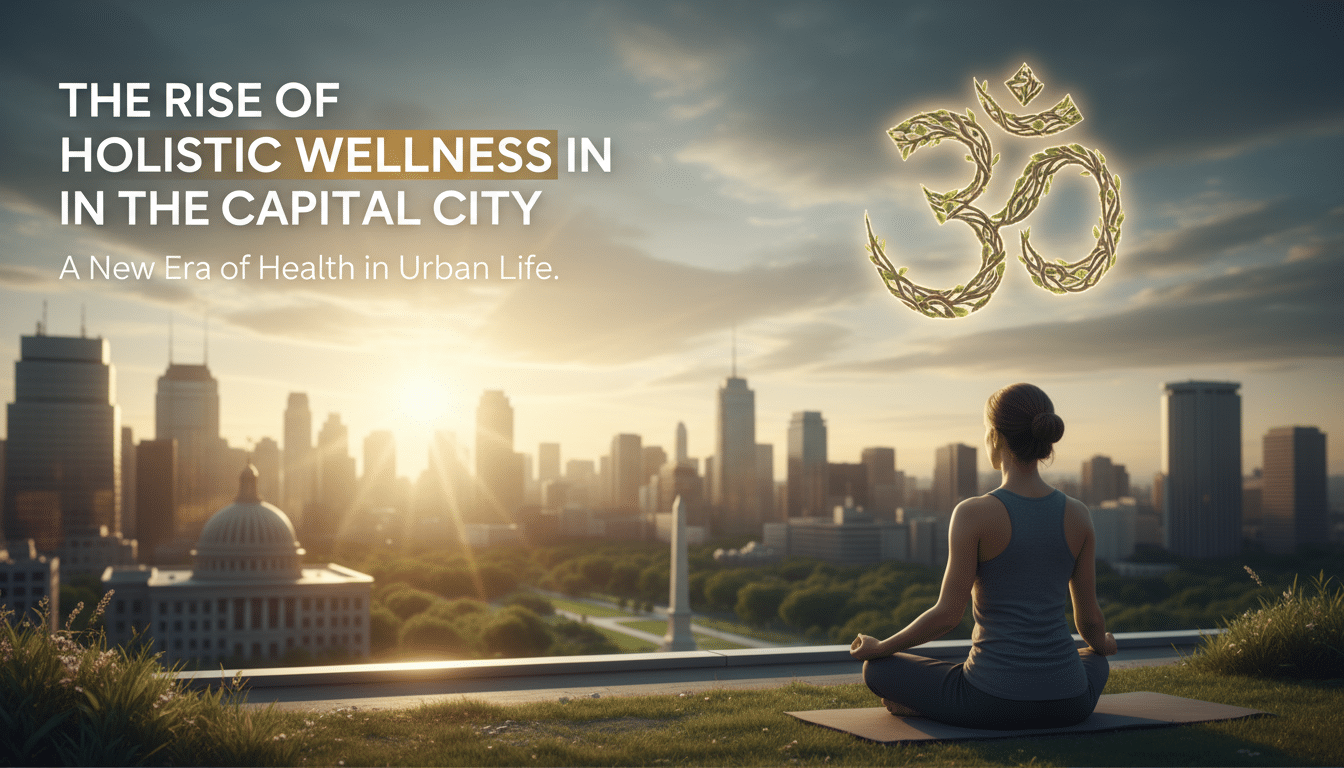
The Rise of Holistic Wellness in the Capital City: A Deep Dive into Mind, Body, and Soul
The relentless hum of urban life in the capital city, once synonymous with high-powered careers and a fast-paced lifestyle, is increasingly being punctuated by a different sound: the gentle chime of meditation bowls, the calming whisper of yoga instructors, and the vibrant discussions surrounding plant-based diets. A profound shift is underway, as residents of the capital city embrace holistic wellness, seeking not just the absence of illness, but a thriving state of being that encompasses physical, mental, and spiritual health. This isn’t a fleeting trend; it’s a fundamental re-evaluation of priorities, driven by a desire for authenticity, connection, and a deeper understanding of the self.
From Burnout to Balance: The Underlying Drivers of the Holistic Movement
Several factors contribute to the burgeoning popularity of holistic wellness in the capital city. Perhaps the most significant is the growing awareness of the detrimental effects of chronic stress and burnout, endemic to the city’s demanding professional landscape. The constant pressure to achieve, the long hours, and the pervasive sense of competition have taken a toll on individuals, leading to increased rates of anxiety, depression, and physical ailments like chronic fatigue and insomnia.
The traditional medical model, while crucial for treating acute illnesses, often falls short in addressing the root causes of these stress-related issues. Many residents are finding that conventional medicine focuses primarily on symptom management, leaving them feeling unfulfilled and disconnected from their own bodies and minds. This disillusionment has fueled a search for alternative and complementary therapies that offer a more personalized and preventative approach to health.
Furthermore, the rise of technology and social media, while providing access to information and connection, has also contributed to feelings of isolation and overwhelm. The constant bombardment of information, the pressure to present a perfect online persona, and the fear of missing out (FOMO) can exacerbate existing anxieties and create a sense of disconnection from oneself and the present moment. Holistic wellness offers a counterpoint to this digital deluge, encouraging individuals to unplug, reconnect with their bodies and inner selves, and cultivate mindfulness.
Another key driver is the increased availability of information about the benefits of holistic practices. Online resources, social media influencers, and a growing body of scientific research have shed light on the efficacy of practices like yoga, meditation, acupuncture, herbal medicine, and nutritional therapy. This increased awareness has empowered individuals to take a more active role in their own health and well-being, seeking out practitioners and modalities that resonate with their personal needs and beliefs.
Finally, the rise of the conscious consumer has also played a significant role. As people become more aware of the impact of their choices on the environment and their own health, they are increasingly seeking out sustainable, ethical, and health-conscious products and services. This includes organic food, natural skincare products, eco-friendly cleaning supplies, and holistic wellness services that prioritize the well-being of both individuals and the planet.
The Landscape of Holistic Wellness in the Capital City: A Tapestry of Modalities and Practitioners
The holistic wellness landscape in the capital city is diverse and dynamic, offering a wide range of modalities and practitioners to cater to individual needs and preferences. From established practices like yoga and acupuncture to emerging therapies like sound healing and biofeedback, there’s something for everyone seeking to improve their well-being.
Yoga and Movement: Yoga studios have proliferated throughout the city, offering a variety of styles, from the rigorous Ashtanga to the restorative Yin. These studios often serve as community hubs, providing a space for connection, self-discovery, and physical well-being. Beyond yoga, other movement-based practices like Pilates, Tai Chi, and dance therapy are also gaining popularity, offering alternative ways to improve flexibility, strength, and balance while promoting mindfulness and emotional release.
Mindfulness and Meditation: Meditation centers and mindfulness workshops are becoming increasingly common, offering guidance and support for individuals seeking to cultivate inner peace and reduce stress. Techniques like mindfulness-based stress reduction (MBSR) and transcendental meditation are taught in both group settings and individual sessions, providing tools for managing anxiety, improving focus, and enhancing self-awareness. The growing popularity of meditation apps and online resources has also made mindfulness practices more accessible to a wider audience.
Acupuncture and Traditional Chinese Medicine (TCM): Acupuncture, an ancient Chinese practice involving the insertion of thin needles into specific points on the body, has become increasingly recognized for its ability to alleviate pain, reduce stress, and improve overall health. Many practitioners of TCM also offer herbal medicine, dietary advice, and other therapies to address the root causes of imbalances in the body. The integration of TCM principles into mainstream wellness practices is becoming more common, with many massage therapists and physical therapists incorporating elements of TCM into their treatments.
Nutritional Therapy and Plant-Based Diets: The importance of nutrition in overall health is increasingly recognized, and many residents of the capital city are embracing plant-based diets and seeking the guidance of nutritional therapists. These therapists provide personalized dietary plans based on individual needs and goals, addressing issues like food sensitivities, digestive problems, and nutrient deficiencies. The growing popularity of vegan and vegetarian restaurants and the increasing availability of plant-based options in mainstream grocery stores reflect the growing demand for healthier and more sustainable food choices.
Massage Therapy and Bodywork: Massage therapy, ranging from Swedish massage to deep tissue massage, is widely recognized for its ability to relieve muscle tension, reduce stress, and improve circulation. Beyond traditional massage, other forms of bodywork like Rolfing, craniosacral therapy, and myofascial release are also gaining popularity, offering more specialized approaches to addressing structural imbalances and chronic pain.
Energy Healing: Energy healing modalities like Reiki, Pranic Healing, and Therapeutic Touch are based on the belief that the body has an energy field that can be manipulated to promote healing. Practitioners of these modalities use various techniques to clear energy blockages, balance the energy field, and promote relaxation and well-being. While the scientific evidence supporting energy healing is still limited, many individuals report experiencing significant benefits from these practices.
Mental and Emotional Wellness: Recognizing the interconnectedness of mind and body, many holistic wellness practitioners are incorporating therapies that address mental and emotional well-being. This includes psychotherapy, counseling, art therapy, and music therapy. These therapies provide a safe and supportive space for individuals to explore their emotions, process trauma, and develop coping mechanisms.
The Challenges and Opportunities Facing the Holistic Wellness Movement
While the rise of holistic wellness in the capital city is undoubtedly a positive trend, there are also challenges and opportunities that need to be addressed to ensure that these practices are accessible, affordable, and effective.
Accessibility and Affordability: Holistic wellness services can often be expensive, making them inaccessible to low-income individuals and communities. Addressing this issue requires a multi-pronged approach, including increasing insurance coverage for alternative therapies, providing scholarships and sliding-scale fees for those who cannot afford full price, and promoting community-based wellness programs that are accessible to all.
Regulation and Standardization: The lack of regulation and standardization in some areas of holistic wellness can make it difficult for consumers to distinguish between qualified practitioners and those who lack adequate training and experience. Establishing clear standards for training, certification, and ethical practice is essential to protect consumers and ensure the credibility of the field.
Scientific Validation: While many holistic practices have been used for centuries, the scientific evidence supporting their efficacy is often limited. Investing in research to validate the benefits of these practices is crucial for gaining wider acceptance and integration into mainstream healthcare.
Integration with Conventional Medicine: The most effective approach to healthcare often involves integrating conventional medicine with complementary and alternative therapies. Encouraging collaboration between medical doctors and holistic practitioners can lead to more comprehensive and personalized treatment plans that address the whole person.
Sustainability and Ethical Practice: As the demand for holistic wellness services grows, it’s important to ensure that these practices are sustainable and ethically sound. This includes using eco-friendly products, supporting local and sustainable agriculture, and promoting fair labor practices.
The rise of holistic wellness in the capital city reflects a growing desire for a more balanced and meaningful life. By embracing practices that nourish the mind, body, and soul, residents are taking control of their health and well-being, creating a more vibrant and resilient community. As the holistic wellness movement continues to evolve, it’s crucial to address the challenges and seize the opportunities that lie ahead to ensure that these practices are accessible, effective, and sustainable for all.