

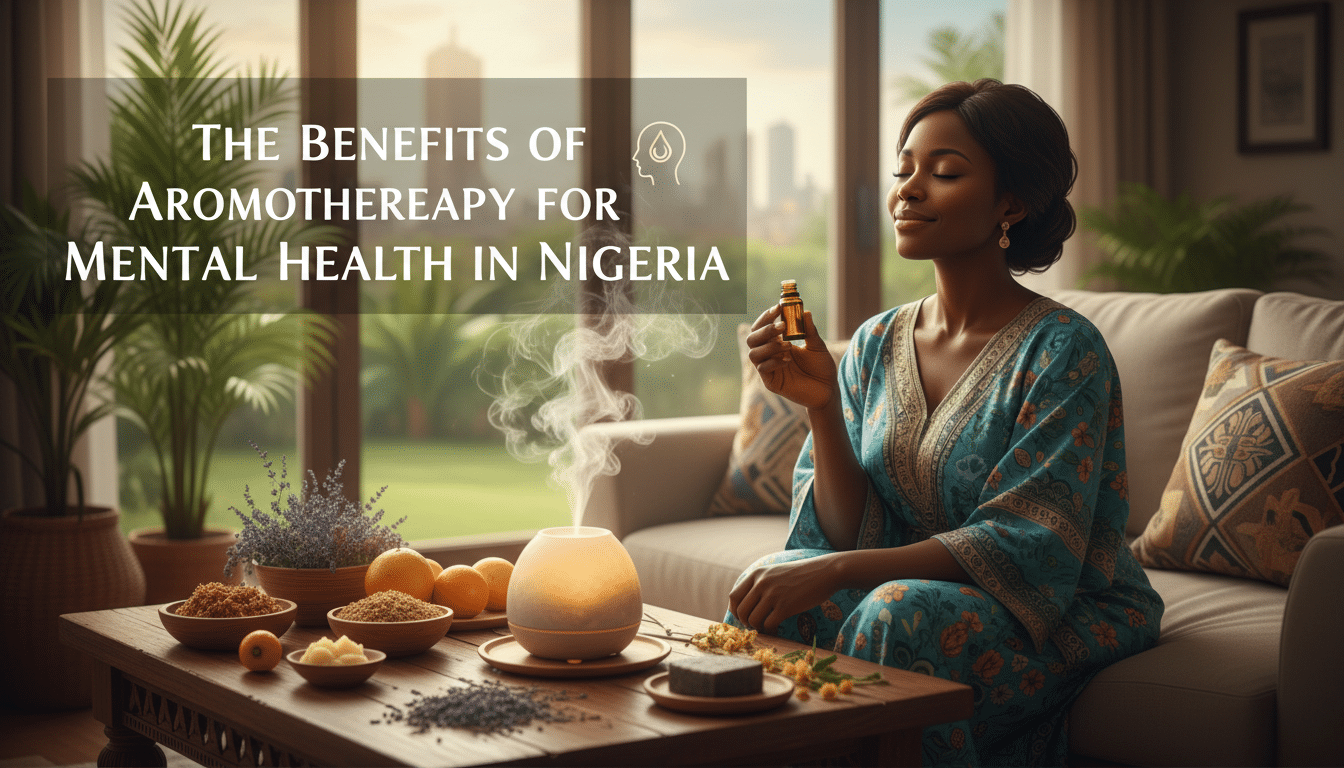
The Benefits of Aromatherapy for Mental Health in Nigeria
Mental health is a significant, yet often overlooked, public health challenge in Nigeria. A confluence of factors, including socioeconomic pressures, cultural stigma, limited access to mental healthcare professionals, and a general lack of awareness contribute to a high prevalence of mental health disorders. Conditions like depression, anxiety, post-traumatic stress disorder (PTSD), and substance abuse are pervasive, impacting individuals, families, and communities. While traditional mental healthcare interventions are gradually becoming more accessible, alternative and complementary therapies like aromatherapy hold promise as a valuable adjunct in promoting mental well-being within the Nigerian context.
Aromatherapy, the therapeutic use of essential oils extracted from plants, has gained increasing global recognition for its potential to alleviate stress, improve mood, enhance sleep, and manage pain. In Nigeria, with its rich biodiversity and traditional healing practices, aromatherapy aligns with a cultural understanding of the healing power of plants. This article delves into the potential benefits of aromatherapy for mental health in Nigeria, exploring its mechanisms of action, suitability within the local context, potential challenges, and recommendations for safe and effective implementation.
Understanding the Burden of Mental Health in Nigeria:
Before exploring the potential benefits of aromatherapy, it’s crucial to understand the scope of the mental health challenge in Nigeria. The World Health Organization (WHO) estimates that approximately 20% to 30% of Nigerians suffer from mental health disorders. However, due to various barriers, including stigma and limited access to care, a vast majority of those affected do not receive adequate treatment.
-
Socioeconomic Factors: Poverty, unemployment, and economic instability contribute significantly to stress and anxiety levels, increasing the risk of mental health disorders. Many Nigerians face daily struggles to meet basic needs, leading to chronic stress and feelings of hopelessness.
-
Cultural Stigma: Mental illness is often stigmatized and misunderstood in Nigerian society. Individuals experiencing mental health challenges may face discrimination, social isolation, and shame, preventing them from seeking help. The belief that mental illness is a result of spiritual affliction or witchcraft is still prevalent in some communities.
-
Limited Access to Mental Healthcare: The number of mental health professionals in Nigeria is far below the recommended ratio. There are very few psychiatrists and psychologists available to serve a large population. Furthermore, mental healthcare facilities are often concentrated in urban areas, leaving rural communities underserved.
-
Lack of Awareness: There is a general lack of awareness about mental health disorders and their symptoms. Many people do not recognize the signs of mental illness in themselves or others, delaying diagnosis and treatment.
- Trauma and Conflict: Nigeria has experienced various forms of conflict and violence, including insurgency, communal clashes, and political instability. These events can lead to trauma, PTSD, and other mental health problems.
The confluence of these factors underscores the urgent need for accessible, affordable, and culturally appropriate mental health interventions in Nigeria.
How Aromatherapy Works: A Brief Overview of Mechanisms of Action
Aromatherapy works by stimulating the olfactory system, the part of the brain responsible for the sense of smell. When essential oil molecules are inhaled, they travel through the nasal passages and bind to olfactory receptors. These receptors then send signals to the limbic system, a complex network of brain structures that plays a crucial role in emotions, memory, and behavior.
-
Limbic System Activation: The limbic system is directly connected to the hypothalamus, which regulates hormone production, heart rate, blood pressure, and other autonomic functions. By influencing the limbic system, essential oils can have a profound impact on mood, stress levels, and physiological responses.
-
Neurotransmitter Modulation: Some essential oils have been shown to affect neurotransmitter levels in the brain. For example, lavender oil has been found to increase levels of serotonin, a neurotransmitter associated with feelings of well-being and relaxation. Other oils may affect levels of dopamine, norepinephrine, or GABA, all of which play important roles in mood regulation and stress response.
- Psychological Effects: The scent of essential oils can also trigger memories and emotions, leading to psychological effects. For instance, the smell of a familiar scent might evoke feelings of comfort and security, helping to reduce anxiety.
Beyond inhalation, essential oils can also be absorbed through the skin during massage or topical application. When applied topically, essential oils can interact with skin receptors and enter the bloodstream, potentially exerting systemic effects. However, it is crucial to dilute essential oils properly before applying them to the skin, as undiluted oils can cause irritation or allergic reactions.
Aromatherapy for Specific Mental Health Conditions:
While aromatherapy should not be considered a replacement for conventional mental healthcare, it can be a valuable complementary therapy for managing symptoms associated with various mental health conditions.
-
Anxiety: Several essential oils have been shown to have anxiolytic (anxiety-reducing) properties. Lavender, chamomile, frankincense, and bergamot are commonly used to promote relaxation and reduce anxiety symptoms. Inhalation of these oils can help to calm the nervous system, reduce heart rate, and promote feelings of peace and tranquility. Studies have shown that lavender aromatherapy can be effective in reducing anxiety in patients undergoing medical procedures or experiencing general anxiety symptoms.
-
Depression: Aromatherapy can be used to uplift mood and alleviate symptoms of depression. Citrus oils like lemon, orange, and grapefruit are known for their energizing and mood-boosting effects. Rosemary and peppermint can help to improve focus and concentration, which can be beneficial for individuals struggling with depression. Some studies suggest that aromatherapy can be as effective as antidepressant medication in treating mild to moderate depression.
-
Stress: Stress is a major contributor to mental health problems in Nigeria. Aromatherapy can be a powerful tool for managing stress and promoting relaxation. Essential oils like sandalwood, ylang-ylang, and cedarwood can help to reduce stress hormones and promote feelings of calm and well-being. Regular aromatherapy massages can help to release tension in the muscles and reduce overall stress levels.
-
Sleep Disorders: Insomnia and other sleep disorders are common among individuals with mental health conditions. Lavender, chamomile, and vetiver are known for their sedative properties and can help to improve sleep quality. Inhaling these oils before bedtime can promote relaxation and make it easier to fall asleep. Adding a few drops of essential oil to a warm bath before bed can also be beneficial.
- PTSD: While more research is needed, aromatherapy may offer some relief for individuals struggling with PTSD. Grounding and calming oils like frankincense, cedarwood, and sandalwood can help to reduce anxiety and promote a sense of safety and security. However, it is important to use aromatherapy with caution in individuals with PTSD, as certain scents may trigger traumatic memories.
Integrating Aromatherapy into the Nigerian Context:
The integration of aromatherapy into the Nigerian mental healthcare system requires a culturally sensitive and evidence-based approach. It is important to consider the following factors:
-
Cultural Appropriateness: Many Nigerians are familiar with traditional healing practices that involve the use of herbs and plants. Aromatherapy can be seen as a modern extension of these practices. It is important to use essential oils that are culturally relevant and familiar to the Nigerian population. For example, essential oils derived from plants commonly used in traditional medicine, such as ginger, turmeric, and lemongrass, may be particularly well-received.
-
Accessibility and Affordability: Essential oils can be expensive, making them inaccessible to many Nigerians. It is important to explore ways to make aromatherapy more affordable, such as sourcing essential oils locally or promoting the use of DIY aromatherapy blends. Community-based aromatherapy programs can also help to increase access to aromatherapy for underserved populations.
-
Education and Training: Healthcare professionals in Nigeria need to be educated about the benefits and risks of aromatherapy. Training programs can be developed to equip healthcare providers with the knowledge and skills needed to safely and effectively integrate aromatherapy into their practice.
-
Research: More research is needed to evaluate the effectiveness of aromatherapy for mental health in the Nigerian context. Studies should be conducted to assess the benefits of specific essential oils for various mental health conditions in the Nigerian population.
-
Collaboration: Collaboration between healthcare professionals, traditional healers, and aromatherapy practitioners is essential for successful integration. By working together, these stakeholders can develop holistic and culturally appropriate mental healthcare strategies.
- Safety Considerations: It is crucial to emphasize the importance of safe aromatherapy practices. Essential oils should always be diluted before applying them to the skin. Pregnant women, children, and individuals with certain medical conditions should consult with a healthcare professional before using essential oils.
Potential Challenges and Solutions:
Despite its potential benefits, the implementation of aromatherapy for mental health in Nigeria faces several challenges:
-
Lack of Regulation: The aromatherapy industry in Nigeria is largely unregulated. This can lead to the sale of adulterated or low-quality essential oils. The government needs to establish regulations to ensure the quality and safety of essential oils sold in the country.
-
Limited Awareness: Many Nigerians are not aware of the benefits of aromatherapy. Public awareness campaigns can be launched to educate the public about aromatherapy and its potential for promoting mental well-being.
-
Skepticism: Some healthcare professionals may be skeptical about the effectiveness of aromatherapy. It is important to provide them with evidence-based information about aromatherapy and its mechanisms of action.
- Ethical Considerations: Aromatherapy practitioners need to adhere to ethical guidelines. They should not make false claims about the benefits of aromatherapy and should always prioritize the well-being of their clients.
To overcome these challenges, the following solutions can be implemented:
- Establish a regulatory framework for the aromatherapy industry.
- Launch public awareness campaigns to educate the public about aromatherapy.
- Provide training programs for healthcare professionals.
- Conduct research to evaluate the effectiveness of aromatherapy in the Nigerian context.
- Develop ethical guidelines for aromatherapy practitioners.
Essential Oils Suitable for the Nigerian Context:
Given Nigeria’s climate and biodiversity, certain essential oils are particularly well-suited for use in the country. These oils are readily available, affordable, and culturally relevant:
-
Lemongrass: Abundant and easily cultivated, lemongrass essential oil is known for its uplifting and antibacterial properties. It can be used to alleviate stress, reduce anxiety, and boost the immune system. Its familiar scent also makes it culturally acceptable.
-
Ginger: Widely used in Nigerian cuisine and traditional medicine, ginger essential oil is warming and stimulating. It can help to improve circulation, reduce inflammation, and alleviate nausea. It can also be helpful for managing stress and fatigue.
-
Turmeric: Another staple in Nigerian cuisine, turmeric essential oil possesses potent anti-inflammatory and antioxidant properties. It can help to improve mood, reduce pain, and protect against cellular damage.
-
Eucalyptus: While not native to Nigeria, eucalyptus is widely cultivated and used for its decongestant and antiviral properties. It can be helpful for clearing the sinuses, reducing respiratory congestion, and boosting the immune system. Its refreshing scent can also help to improve focus and concentration.
- Orange: A readily available citrus fruit, orange essential oil is uplifting and energizing. It can help to reduce stress, improve mood, and boost the immune system. Its familiar and pleasant scent makes it a popular choice for aromatherapy.
These are just a few examples of essential oils that can be beneficial for mental health in Nigeria. It is important to choose oils that are of high quality, sourced responsibly, and appropriate for the individual’s needs.
Recommendations for Safe and Effective Aromatherapy Use:
To ensure the safe and effective use of aromatherapy for mental health in Nigeria, the following recommendations should be followed:
- Consult with a healthcare professional before using essential oils, especially if you have any underlying medical conditions or are taking medication.
- Purchase essential oils from reputable suppliers.
- Dilute essential oils properly before applying them to the skin. A general guideline is to use a 1-3% dilution.
- Perform a patch test before using a new essential oil to check for allergic reactions.
- Avoid using essential oils internally unless directed by a qualified healthcare professional.
- Keep essential oils out of reach of children and pets.
- Use essential oils in a well-ventilated area.
- Be aware that some essential oils can be phototoxic, meaning they can increase the skin’s sensitivity to sunlight. Avoid using phototoxic oils before sun exposure.
- Start with small amounts of essential oils and gradually increase the amount as needed.
- Listen to your body and discontinue use if you experience any adverse reactions.
By adhering to these recommendations, individuals in Nigeria can safely and effectively utilize aromatherapy to promote their mental well-being.
The Future of Aromatherapy in Nigerian Mental Healthcare:
Aromatherapy holds significant promise as a complementary therapy for mental health in Nigeria. By addressing the specific needs and challenges of the Nigerian population, aromatherapy can play a valuable role in improving mental well-being and reducing the burden of mental illness. With increased awareness, education, research, and regulation, aromatherapy can become a widely accepted and accessible tool for promoting mental health in Nigeria. By embracing a holistic approach that integrates traditional healing practices with modern scientific knowledge, Nigeria can pave the way for a brighter and healthier future for its citizens.
Luxor Spa Salon | Best Spa & Wellness Center in Abuja Home
Related Posts
 How to Use Essential Oils to Combat Nigerian Daily Stress
 How Our Wellness Services Are Designed To Boost Mental Health
 What Are The Essential Oils Used In Our Best Massage Services
 What Are The Health Benefits Of A Regular Foot Pedicure Services
 Why Steam Treatments are Essential During the Dust Season
 When Should I Expect To See Maximum Relaxation From My Massage Services
 What Are The Benefits Of Hot Stone Massage Services Over Deep Tissue
 7 Benefits Of Adding Paraffin Wax To Your Pedicure Services