

The Future of Wellness: Trending Spa Treatments in Nigeria
As global wellness trends continue to shift and evolve, Nigeria is emerging as a vibrant hub for the innovative spa treatment landscape. With an increasing awareness of mental health, self-care practices, and holistic well-being, more Nigerians are opting for spa experiences that not only pamper the body but also rejuvenate the spirit. This article delves into the latest trending spa treatments across the country, exploring how these therapies align with both traditional practices and modern wellness principles.
The Rise of Wellness Tourism
Nigeria’s wellness tourism industry is on the rise, attracting both local and international visitors eager to engage in restorative practices. This shift has led to an increased demand for luxury spas that offer packages blending traditional African therapies with contemporary wellness experiences. Destinations like Lagos, Abuja, and Port Harcourt are seeing an uptick in spas that capitalize on Nigeria’s rich biodiversity, offering treatments that highlight native herbs, natural oils, and traditional massages.
Traditional African Therapies
Nigeria’s wealth of indigenous knowledge about natural healing agents and rituals presents a unique advantage for spa culture. More spas are integrating traditional African therapies into their offerings. For instance, Abigia Massage, a form of bodywork that uses herbal infusions and heated stones, is gaining popularity. This treatment is believed to detoxify the body while promoting relaxation and mental clarity.
Another notable treatment is the use of Moringa oil, celebrated for its antioxidant and anti-inflammatory properties. Spas are incorporating Moringa into their facials and body scrubs, aligning traditional remedies with modern skincare needs. Such treatments not only honor Nigeria’s rich cultural heritage but also leverage the growing global interest in natural and organic wellness solutions.
Holistic Wellness Packages
In response to the growing demand for a more integrated approach to health, Nigerian spas are developing holistic wellness packages that combine various therapies. These packages often include a mix of massages, facials, and wellness consultations. For example, a typical holistic package may combine a Swedish massage, a detoxifying seaweed wrap, and a rejuvenating facial using local ingredients like honey and baobab oil.
Moreover, many spas are employing wellness coaches to guide clients through tailored experiences that cater to their specific needs, whether that be stress relief, skin rejuvenation, or muscle relaxation. This individualized approach allows patrons to derive maximum benefit from their spa experience, reinforcing the connection between the mind and body.
Aquatic Therapies
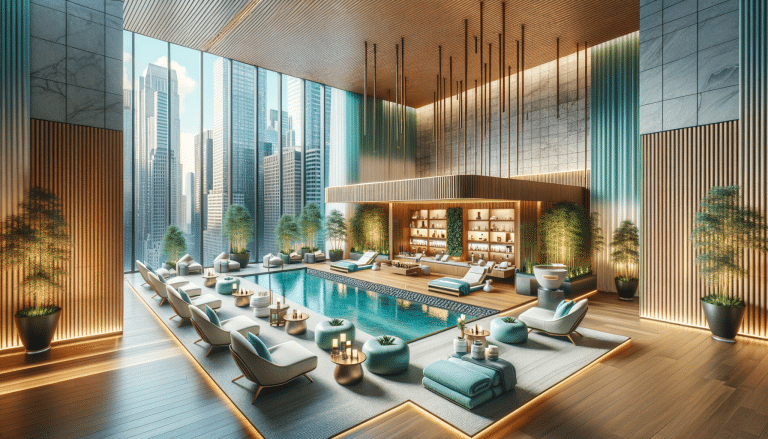
Water therapies have always played a significant role in wellness, and they are making a notable entrance into the Nigerian spa scene. With the rise of luxury spas equipped with pools and hydrotherapy facilities, treatments like hydro massage and thermal baths are becoming increasingly popular.
Hydrotherapy involves the use of water to relieve discomfort and promote physical well-being. Spas are now offering experiences that incorporate saunas, steam rooms, and therapeutic baths infused with herbal blends. For instance, saltwater baths, known for their detoxifying effects, can be combined with essential oils native to Nigeria, such as lemon grass or eucalyptus, to enhance their therapeutic benefits.
Mindfulness and Meditation Spaces
As mental health awareness peaks globally, Nigerian spas are increasingly focusing on mindfulness and meditation practices. Dedicated spaces for meditation, guided yoga sessions, and even breathing exercises are becoming commonplace. The incorporation of mindful practices helps clients disengage from their daily stresses and focus on holistic well-being.
Spa facilities are often offering workshops on mindfulness and group sessions that foster community and shared wellness experiences. This trend not only attracts wellness tourists but also resonates deeply with local populations looking for effective stress relief methods.
Advanced Skincare Treatments
The skincare industry in Nigeria has experienced exponential growth, with a significant increase in demand for non-invasive skincare treatments. Facials featuring the latest technologies, such as microdermabrasion, chemical peels, and LED therapies, have found their way into the treatment menus of high-end spas.
Moreover, there is a rising interest in melanin-rich skincare solutions that cater specifically to the unique needs of darker skin tones. Spas are beginning to partner with reputable skincare brands that offer products tailored for African skin, which enhances both performance and comfort. These advancements in skincare treatments reflect a broader trend towards personalized and effective solutions in the wellness space.
Natural and Organic Products
With the global shift towards sustainability, Nigerian spas are increasingly favoring natural and organic products in their treatments. The use of locally sourced oils, plant extracts, and homemade scrubs is becoming commonplace. Clients are now more informed than ever about the products being used on their bodies, and they demand transparency.
Argan oil from Morocco, shea butter indigenous to Nigeria, and coconut oil are often highlighted in treatment menus for their nourishing properties. For example, body scrubs made from sugar and shea butter are gaining popularity, not just for their skin benefits but also for their traditional roots. The practice of using these natural ingredients aligns well with the global movement towards clean beauty and sustainability, further attracting a more conscientious clientele.
Spa Technology and Innovation
As the wellness industry continues to integrate technology, Nigerian spas are following suit by adopting advanced equipment and high-tech treatments. The use of devices like cryotherapy chambers and infrared saunas can be seen in some luxury establishments, offering clients innovative ways to rejuvenate their bodies.
Additionally, virtual wellness consultations and online booking systems are becoming standard practices, making spas more accessible and user-friendly. The application of augmented reality (AR) and virtual reality (VR) in wellness practices is also slowly entering the market, offering immersive and enriching experiences for clients.
The Role of Nutrition in Spa Treatments
Nutrition is becoming an integral component of the wellness experience. Many spas are now offering nutritional consultations to complement their physical treatments. For instance, meal plans designed by wellness chefs can be customized according to individual dietary needs and preferences, aligning with the overall wellness goals of clients.
Fresh juices, herbal teas, and detox waters are often served as part of the spa experience, enhancing purification and relaxation processes. This holistic approach ensures that clients leave the spa not just feeling rejuvenated but also equipped with knowledge that can lead to healthier lifestyle choices.
Community and Wellness Culture
The emphasis on community and inclusive wellness experiences is gaining traction in Nigeria. Spa owners are starting to recognize the value of collaborative experiences, such as couples’ treatments and group wellness packages. Events like wellness retreats that combine spa treatments with workshops on nutrition, mental health, and fitness are becoming increasingly popular.
These community-focused initiatives provide a space for shared experiences and encourage camaraderie among participants. As a result, people find themselves not just indulging in personal care but also connecting with others on similar wellness journeys.
Conclusion
As Nigeria’s wellness landscape continues to evolve, it reflects broader global trends while retaining the unique characteristics of its cultural heritage. With the melding of traditional African therapies and modern wellness practices, the future of spa treatments in Nigeria looks vibrant and promising. As greater emphasis is placed on holistic well-being, sustainability, and community, we can expect a flourishing industry that celebrates not only health and beauty but also the rich cultural fabric of Nigeria.
Luxor Spa Salon | Best Spa & Wellness Center in Abuja Home
Related Posts
 Luxor Abuja Where Wellness Meets Luxury
 Luxor Spa Abuja Your Oasis of Calm
 Glow From Within at Luxor Nigeria
 Luxor Abuja Where Every Treatment Transforms
 What Makes Luxor Spa The Best For Luxury Manicure Services In Abuja Nigeria
 7 Reasons Why Luxor Spa Has The Top Massage Services In Abuja Nigeria
 How To Get The Best Hygienic Pedicure Services In Abuja Nigeria Today
 Best Spa in Abuja: Top-Rated Treatments at Luxor Spa