
The Truth About Skin Lightening vs. Brightening in Nigeria: Unpacking Complexities, Cultural Influences, and the Pursuit of Radiant Skin
Nigeria, a nation renowned for its vibrant culture, diverse beauty ideals, and thriving entertainment industry, is also a place where the complexities of skin lightening and brightening practices are deeply entrenched. The pursuit of a radiant complexion is often intertwined with notions of beauty, success, and social acceptance, leading many to seek solutions that promise to enhance their natural skin tone. However, the lines between safe brightening practices and potentially harmful skin lightening techniques are often blurred, resulting in confusion and, in some cases, detrimental health consequences. This article delves into the nuances of skin lightening and brightening in Nigeria, exploring the cultural context, motivations behind these practices, the ingredients involved, the associated risks, and the growing movement towards embracing natural beauty.
Understanding the Landscape: Lightening vs. Brightening
It’s crucial to distinguish between skin lightening and skin brightening, as the methods and potential outcomes differ significantly.
-
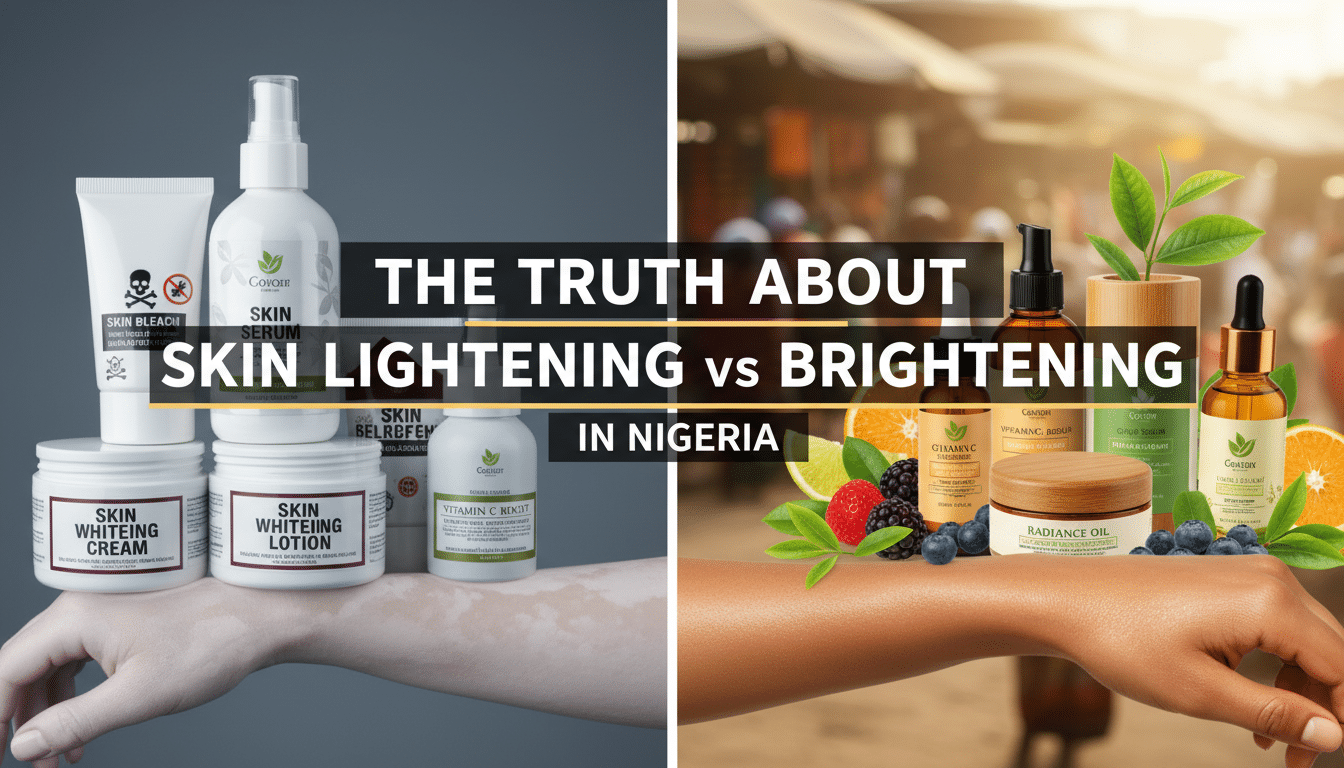
Skin Lightening: This involves using products containing potent active ingredients like hydroquinone, potent corticosteroids (like clobetasol propionate), mercury, or kojic acid in high concentrations. These ingredients work by inhibiting melanin production, the pigment responsible for skin color. The goal is to drastically reduce the overall melanin content, leading to a noticeably lighter skin tone, often several shades lighter than the individual’s natural complexion. This practice is often associated with a desire for a complete transformation of skin color rather than simply improving its radiance.
- Skin Brightening: This approach focuses on enhancing the skin’s natural luminosity and addressing concerns like hyperpigmentation, uneven skin tone, and dullness. Brightening products typically contain ingredients like Vitamin C, niacinamide, alpha hydroxy acids (AHAs) such as glycolic and lactic acid, and gentle exfoliants. These ingredients work to improve skin cell turnover, reduce dark spots, and promote a more even and radiant complexion without fundamentally altering the individual’s base skin tone. The goal is to improve the overall health and appearance of the skin, making it appear more vibrant and healthy.
The critical distinction lies in the intensity of melanin reduction and the potential health risks associated with each practice. While brightening aims for a healthy glow, lightening seeks a dramatic and often unnatural change in skin color.
The Cultural Context: Beauty Ideals and Societal Pressures
The prevalence of skin lightening in Nigeria is deeply rooted in complex historical, social, and economic factors. Colonialism, media representation, and deeply ingrained colorism have all contributed to the perpetuation of a beauty ideal that favors lighter skin tones.
-
Colonial Influence: During the colonial era, lighter skin was often associated with higher social status and closer proximity to the colonizers. This association inadvertently created a preference for lighter skin tones, which has been historically difficult to dislodge.
-
Media Representation: The media, including television, movies, and advertising, often portrays lighter-skinned individuals as more beautiful, successful, and desirable. This constant exposure reinforces the idea that lighter skin is superior, perpetuating a cycle of self-doubt and the desire to conform to these unrealistic beauty standards. Many Nollywood actresses, for example, have been accused of bleaching their skin, further normalizing the practice.
-
Colorism: Colorism, the prejudice or discrimination against individuals with darker skin tones within the same racial or ethnic group, is a pervasive issue in Nigeria. Lighter-skinned individuals may experience preferential treatment in various aspects of life, including employment, marriage, and social circles. This can lead individuals with darker skin tones to feel pressured to lighten their skin to improve their opportunities and social standing.
- Perceptions of Beauty and Success: In some communities, lighter skin is mistakenly equated with beauty, sophistication, and even wealth. This belief can fuel the desire for skin lightening, as individuals seek to improve their perceived attractiveness and enhance their social prospects.
Motivations Behind Skin Lightening Practices
The motivations behind skin lightening are multifaceted and often deeply personal. Some common reasons include:
-
Improving Self-Esteem: Individuals who feel insecure about their skin tone may turn to skin lightening as a way to boost their self-esteem and feel more confident.
-
Conforming to Beauty Standards: As discussed earlier, the societal pressure to conform to lighter beauty ideals can be a powerful motivator for skin lightening.
-
Addressing Skin Imperfections: Some individuals may use skin lightening products to address specific skin concerns such as hyperpigmentation, acne scars, or melasma. However, often the potent lightening agents are inappropriately used and without medical guidance.
-
Seeking Social Acceptance: In some communities, lighter skin is perceived as more desirable, leading individuals to lighten their skin to gain social acceptance and improve their chances of finding a partner.
- Career Advancement: Sadly, in certain sectors, there’s a perception that lighter-skinned individuals are more likely to be hired or promoted. This unfair bias can unfortunately motivate some to pursue skin lightening to enhance their career prospects.
The Dark Side: Risks Associated with Skin Lightening
The unregulated market for skin lightening products in Nigeria is rife with potentially harmful ingredients and practices. The use of these products can lead to a range of serious health complications:
-
Hydroquinone Toxicity: Hydroquinone, a common ingredient in skin lightening creams, can cause ochronosis (a permanent bluish-black discoloration of the skin), skin thinning, and increased sensitivity to sunlight. Prolonged use is also linked to an increased risk of skin cancer. In many countries, its use is strictly regulated or banned altogether.
-
Corticosteroid Side Effects: Potent corticosteroids, often illegally added to skin lightening creams, can cause skin thinning, stretch marks, acne, and increased risk of infections. Systemic absorption of corticosteroids can also lead to serious health problems such as diabetes, high blood pressure, and adrenal suppression.
-
Mercury Poisoning: Mercury is a highly toxic heavy metal that can damage the kidneys, brain, and nervous system. Skin lightening creams containing mercury can lead to mercury poisoning, which can cause a range of neurological and psychological symptoms. Many illegal skin lightening products contain alarming levels of mercury.
-
Exogenous Ochronosis: This condition, caused by prolonged use of hydroquinone-containing products, results in irreversible blue-black pigmentation of the skin.
-
Increased Risk of Skin Infections: Skin lightening products can weaken the skin’s natural barrier, making it more susceptible to bacterial, fungal, and viral infections.
-
Poor Wound Healing: Skin lightening agents can impair the skin’s ability to heal properly, increasing the risk of complications after injuries or surgeries.
-
Contact Dermatitis: Many skin lightening products contain irritants that can cause allergic reactions and inflammation of the skin.
- Cancer Risk: Some studies suggest a possible link between long-term use of certain skin lightening ingredients and an increased risk of skin cancer.
The unregulated nature of the market in Nigeria means that many products contain ingredients that are not listed on the label, making it difficult for consumers to make informed choices. The lack of quality control and enforcement allows unscrupulous manufacturers to produce and sell dangerous products with impunity.
The Rise of Skin Brightening and Natural Beauty Movements
As awareness of the dangers of skin lightening grows, there’s a growing movement in Nigeria towards embracing natural beauty and promoting safe and effective skin brightening practices.
-
Emphasis on Healthy Skin: Many skincare enthusiasts are now focusing on achieving healthy, radiant skin through proper skincare routines, healthy diets, and lifestyle choices. This includes using products with ingredients that are known to be safe and effective, such as Vitamin C, niacinamide, and hyaluronic acid.
-
Promotion of Natural Ingredients: The use of natural ingredients like shea butter, aloe vera, turmeric, and honey is becoming increasingly popular. These ingredients are known for their moisturizing, anti-inflammatory, and antioxidant properties, which can help to improve skin health and radiance.
-
Increased Awareness: Public health campaigns and educational initiatives are raising awareness about the dangers of skin lightening and promoting the importance of embracing natural skin tones. Social media influencers and celebrities are also playing a role in challenging beauty standards and promoting self-acceptance.
-
Support for Darker Skin Tones: The celebration of darker skin tones is gaining momentum in Nigeria, with many individuals proudly embracing their natural complexion. This shift in attitude is helping to counter the negative stereotypes associated with darker skin and promoting a more inclusive definition of beauty.
- Skincare Professionals Leading the Way: Dermatologists and other skincare professionals are educating the public about safe skincare practices and offering personalized advice on how to achieve healthy, radiant skin without resorting to harmful skin lightening products.
Navigating the Nigerian Skincare Market: Tips for Safe Choices
Given the complexities of the Nigerian skincare market, it’s essential to be discerning when choosing skincare products. Here are some tips for making safe and informed choices:
-
Consult a Dermatologist: Before using any new skincare product, especially those that claim to lighten or brighten the skin, consult a dermatologist. They can assess your skin type, recommend appropriate products, and provide guidance on how to use them safely.
-
Read Labels Carefully: Always read the ingredient list carefully and avoid products that contain hydroquinone, corticosteroids, or mercury. Be wary of products that don’t list their ingredients or that use vague or misleading terms.
-
Buy from Reputable Sources: Purchase skincare products from reputable sources, such as established pharmacies or authorized retailers. Avoid buying products from street vendors or online sources that offer suspiciously low prices.
-
Do Your Research: Research the ingredients in skincare products and learn about their potential benefits and risks. Look for products that contain well-researched and safe ingredients.
-
Patch Test: Before applying a new product to your entire face, perform a patch test on a small area of skin to check for any allergic reactions or irritation.
-
Sun Protection: Wear sunscreen with a high SPF every day, even on cloudy days. Sun exposure can worsen hyperpigmentation and damage the skin.
-
Be Patient: Achieving healthy, radiant skin takes time and consistency. Don’t expect overnight results and be wary of products that promise to lighten your skin quickly.
- Embrace Your Natural Skin Tone: Celebrate your natural beauty and embrace your unique skin tone. Remember that beauty comes in all shades and that true confidence comes from within.
The journey towards healthy, radiant skin in Nigeria requires a multifaceted approach that addresses the cultural, social, and economic factors that contribute to the prevalence of skin lightening. By promoting education, challenging beauty standards, and empowering individuals to make informed choices, Nigeria can move towards a future where beauty is defined by health, confidence, and self-acceptance, rather than an unrealistic pursuit of lighter skin.