

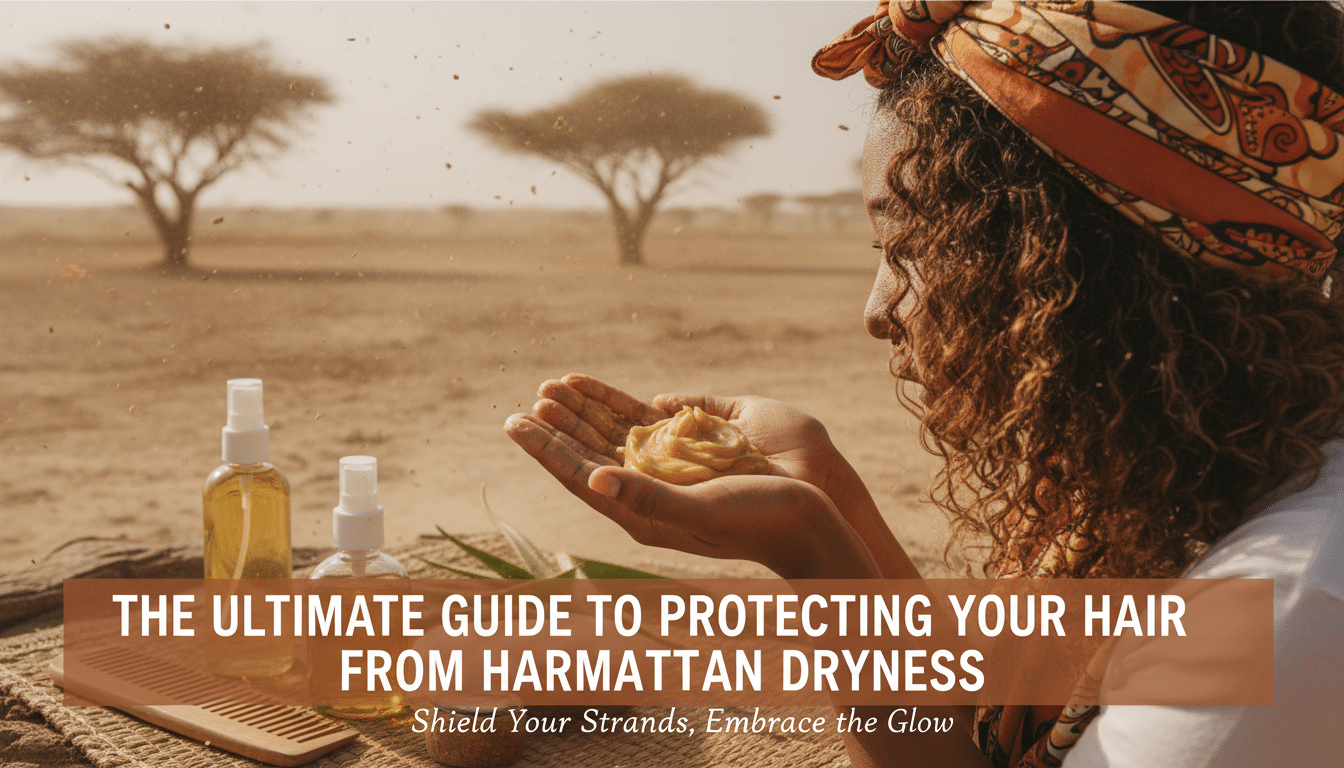
The Ultimate Guide to Protecting Your Hair from Harmattan Dryness
The Harmattan. Just the word can send shivers down the spine of anyone who cares about their hair. This West African dry, dusty wind that sweeps down from the Sahara Desert between late November and mid-March brings with it unforgiving conditions that can wreak havoc on your precious locks. Low humidity, harsh winds, and abrasive dust combine to strip hair of its moisture, leading to dryness, brittleness, breakage, and even increased shedding. But fear not! Protecting your hair from the ravages of Harmattan is entirely possible with the right knowledge and consistent effort. This comprehensive guide provides you with the tools, techniques, and insights you need to not only survive but thrive through this challenging season, ensuring your hair remains healthy, strong, and beautiful.
Understanding the Enemy: The Science Behind Harmattan Hair Damage
Before diving into solutions, it’s crucial to understand why Harmattan is so damaging. The science lies in the interaction between the dry air and your hair’s natural structure.
-
Low Humidity: The Harmattan wind carries extremely low humidity. This means the air is actively seeking moisture, drawing it from any available source, including your hair. Your hair shaft, which is naturally porous to some extent, readily loses its internal water content to the surrounding dry air. This dehydration is the primary culprit behind the characteristic dryness and brittleness.
-
Abrasive Dust: The Harmattan wind carries fine particles of sand and dust. These particles act like microscopic sandpaper, constantly rubbing against the hair shaft. This friction weakens the cuticle, the outermost protective layer of the hair, leading to split ends, breakage, and increased frizz.
-
Harsh Winds: Strong winds, another hallmark of the Harmattan season, can physically damage the hair. They can cause tangles and knots, which, when forcibly detangled, lead to breakage. The constant whipping of the hair also further weakens the cuticle, making it more susceptible to moisture loss and environmental damage.
- pH Imbalance: Harmattan dust can alter the pH balance of the scalp and hair. An alkaline environment can lift the cuticle, making the hair more porous and prone to dryness and damage. Maintaining a slightly acidic pH helps to keep the cuticle closed and protect the hair.
Building Your Harmattan Haircare Arsenal: Essential Products and Ingredients
The key to surviving Harmattan lies in building a robust haircare routine that focuses on hydration, protection, and nourishment. This starts with choosing the right products and understanding their ingredients.
-
Hydrating Shampoos and Conditioners: Ditch the harsh, stripping shampoos during Harmattan. Opt for sulfate-free, moisturizing shampoos that gently cleanse without depleting the hair’s natural oils. Look for ingredients like:
- Glycerin: A humectant that attracts moisture from the air and draws it into the hair shaft.
- Aloe Vera: Soothes the scalp, adds moisture, and promotes healthy hair growth.
- Honey: Another humectant with antibacterial properties, helping to maintain a healthy scalp.
- Panthenol (Vitamin B5): A humectant and emollient that adds shine and improves hair elasticity.
- Shea Butter: Provides deep hydration and helps to seal in moisture.
Pair your moisturizing shampoo with a deeply hydrating conditioner. Look for similar ingredients, focusing on detangling properties to minimize breakage during combing. Leave-in conditioners are also essential for adding an extra layer of moisture and protection after washing.
-
Deep Conditioners and Hair Masks: Deep conditioning is non-negotiable during Harmattan. Incorporate a deep conditioning treatment at least once a week to replenish lost moisture and strengthen the hair shaft. Choose masks with rich, nourishing ingredients like:
- Coconut Oil: Penetrates the hair shaft to provide deep hydration and reduce protein loss.
- Avocado Oil: Rich in fatty acids that nourish and strengthen the hair.
- Olive Oil: Coats the hair shaft to provide protection and add shine.
- Shea Butter: Provides intense hydration and helps to repair damaged hair.
- Argan Oil: Rich in antioxidants and essential fatty acids, helping to improve hair elasticity and reduce breakage.
- Banana: Rich in potassium and vitamins, helps to strengthen the hair and improve elasticity.
Consider using a hair steamer or warm towel to enhance the penetration of the deep conditioner.
-
Leave-In Conditioners and Moisturizers: These are your daily defense against Harmattan dryness. Choose a leave-in conditioner that is specifically designed for your hair type and texture. Look for ingredients like:
- Water: The primary hydrating ingredient.
- Humectants (Glycerin, Honey, Aloe Vera): To attract and retain moisture.
- Emollients (Shea Butter, Coconut Oil, Jojoba Oil): To soften and smooth the hair.
- Proteins (Hydrolyzed Keratin, Silk Amino Acids): To strengthen and repair the hair shaft.
- UV Protection: To shield the hair from the sun’s harmful rays.
For very dry or coarse hair, consider layering a leave-in conditioner with a heavier moisturizer like shea butter or coconut oil.
-
Oils and Sealants: Oils play a crucial role in sealing in moisture and protecting the hair from the drying effects of the Harmattan wind. Choose oils based on your hair’s porosity:
- Low Porosity Hair: Lightweight oils like grapeseed oil, argan oil, or jojoba oil. These oils are easily absorbed and won’t weigh the hair down.
- High Porosity Hair: Heavier oils like coconut oil, olive oil, or avocado oil. These oils help to fill in the gaps in the hair shaft and prevent moisture loss.
Apply oil to damp hair after applying your leave-in conditioner to seal in the moisture.
- Protective Styles: Protective styles are a fantastic way to shield your hair from the elements during Harmattan. These styles minimize exposure to the harsh wind and dust, reducing breakage and moisture loss.
Crafting Your Harmattan Haircare Routine: A Step-by-Step Guide
Now that you have your haircare arsenal assembled, it’s time to create a routine that will effectively protect your hair throughout the Harmattan season.
-
Wash Day:
- Pre-Poo: Before shampooing, apply a generous amount of oil (coconut oil, olive oil, or avocado oil) to your hair and scalp. This helps to protect your hair from the stripping effects of shampoo. Leave it on for at least 30 minutes, or overnight for deeper conditioning.
- Shampoo: Use a sulfate-free, moisturizing shampoo to gently cleanse your hair and scalp. Focus on cleansing the scalp and let the shampoo rinse down the length of your hair.
- Condition: Apply a generous amount of moisturizing conditioner to your hair, focusing on the ends. Detangle your hair with a wide-tooth comb or your fingers while the conditioner is still in your hair.
- Deep Condition: Apply a deep conditioning treatment to your hair and cover with a plastic cap or hair steamer. Leave it on for 20-30 minutes.
- Rinse: Rinse out the deep conditioner thoroughly with cool water. Cool water helps to seal the cuticle and reduce frizz.
-
Daily Maintenance:
- Moisturize: Apply a leave-in conditioner to damp hair.
- Seal: Seal in the moisture with an oil.
- Protect: Style your hair in a protective style (braids, twists, buns) or wear a scarf or hat when outdoors.
- Nighttime Care: Sleep on a satin pillowcase or wrap your hair in a satin scarf to reduce friction and prevent breakage.
-
Weekly/Bi-Weekly Treatments:
- Protein Treatment: If your hair is damaged or brittle, incorporate a protein treatment into your routine every 2-4 weeks. Protein treatments help to strengthen the hair shaft and repair damage.
- Scalp Massage: Massage your scalp regularly to improve blood circulation and promote healthy hair growth. Use your fingertips or a scalp massager.
Protective Styling: Your Shield Against the Harmattan Wind
Protective styling is arguably the most effective way to minimize Harmattan damage. By tucking away your ends and reducing exposure to the elements, you significantly reduce the risk of breakage and moisture loss. Here are some popular and effective protective styles:
-
Braids: Box braids, cornrows, Senegalese twists, and other braided styles are excellent for protecting your hair. Choose extensions that are lightweight and won’t put too much stress on your hair. Ensure your braids are not too tight to avoid traction alopecia (hair loss due to excessive pulling). Moisturize your scalp and braids regularly with a light oil or braid spray.
-
Twists: Similar to braids, twists (flat twists, two-strand twists) offer excellent protection. They are generally easier to install and remove than braids and can be styled in various ways.
-
Buns and Updos: Simple buns and updos are quick and easy protective styles that can be done at home. Ensure the style is not too tight and that you are not constantly pulling on your hair.
- Wigs and Weaves: Wigs and weaves provide complete protection from the elements. They allow you to experiment with different styles and colors without damaging your natural hair. Ensure your hair is properly moisturized and protected underneath the wig or weave.
Diet and Hydration: Nourishing Your Hair from the Inside Out
While external care is crucial, internal nourishment is equally important for healthy hair. A balanced diet and adequate hydration provide your hair with the building blocks it needs to thrive.
-
Hydration: Drink plenty of water throughout the day to keep your body and hair hydrated. Dehydration can exacerbate the effects of Harmattan dryness.
-
Nutrient-Rich Diet: Consume a diet rich in fruits, vegetables, lean protein, and healthy fats. These foods provide essential vitamins and minerals that support healthy hair growth.
- Biotin: Found in eggs, nuts, and sweet potatoes, biotin is essential for hair growth and strength.
- Vitamin A: Found in carrots, spinach, and kale, vitamin A promotes a healthy scalp.
- Vitamin C: Found in citrus fruits, berries, and peppers, vitamin C is an antioxidant that protects hair from damage.
- Vitamin E: Found in nuts, seeds, and spinach, vitamin E promotes healthy hair growth and shine.
- Iron: Found in red meat, spinach, and lentils, iron is essential for carrying oxygen to the hair follicles.
- Zinc: Found in oysters, beef, and pumpkin seeds, zinc is important for hair growth and repair.
- Omega-3 Fatty Acids: Found in fatty fish, flaxseeds, and walnuts, omega-3 fatty acids promote healthy scalp and hair.
- Supplements: If you are unable to get all the nutrients you need from your diet, consider taking a hair, skin, and nails supplement. Consult with a doctor or nutritionist before starting any new supplements.
Specific Hair Types and Harmattan: Tailoring Your Approach
While the general principles of Harmattan haircare apply to all hair types, certain hair types require a more tailored approach.
-
Natural Hair (Kinky/Coily): Natural hair is particularly susceptible to dryness during Harmattan due to its tightly coiled structure, which makes it difficult for sebum (natural oil) to travel down the hair shaft. Focus on using deeply moisturizing products, protective styling, and regular deep conditioning treatments.
-
Relaxed Hair: Relaxed hair is already chemically processed and therefore more fragile. It is more prone to breakage and dryness during Harmattan. Use protein treatments regularly to strengthen the hair and avoid over-processing.
-
Fine Hair: Fine hair can be easily weighed down by heavy products. Use lightweight moisturizers and oils. Avoid over-conditioning, which can make the hair limp.
- Color-Treated Hair: Color-treated hair is more porous and prone to dryness. Use color-safe shampoos and conditioners and deep condition regularly.
Debunking Harmattan Hair Myths:
Several myths surround Harmattan haircare, and it’s important to separate fact from fiction.
-
Myth: You shouldn’t wash your hair during Harmattan.
- Fact: Washing your hair is essential for removing dirt, dust, and product buildup. However, use a moisturizing shampoo and deep condition afterward to replenish lost moisture.
-
Myth: Oils are enough to protect your hair from Harmattan.
- Fact: While oils are important for sealing in moisture, they are not enough on their own. You need to moisturize your hair with water-based products first.
-
Myth: Protective styles will automatically protect your hair.
- Fact: Protective styles can be beneficial, but they need to be properly maintained. Moisturize your scalp and hair regularly and avoid styles that are too tight.
Seeking Professional Help:
If you are struggling to manage your hair during Harmattan, consider consulting a professional hairstylist or trichologist. They can assess your hair’s condition and recommend personalized products and treatments.
By understanding the science behind Harmattan hair damage, building a robust haircare routine, adopting protective styling, and nourishing your hair from the inside out, you can effectively protect your hair from the harsh effects of the Harmattan season and maintain healthy, beautiful hair all year round. Remember, consistency is key. Stick to your routine, listen to your hair’s needs, and adjust your approach as necessary. Your hair will thank you for it!