

When it comes to genuine, full-body wellness, reflexology massage services offer something that many conventional treatments simply cannot — a targeted, non-invasive approach that works with your body’s own systems rather than against them. Rooted in the principle that specific points on the feet, hands, and ears correspond to organs and systems throughout the body, reflexology has been practiced in various forms for thousands of years. Today, it sits at the intersection of ancient wisdom and modern wellness science, and for busy professionals navigating the daily demands of life in Abuja, it has become one of the most practical tools for maintaining balance, reducing stress, and supporting overall health.
Understanding How Reflexology Massage Services Work
Reflexology is based on a mapped system of pressure points — zones on the feet and hands that are believed to mirror specific organs, glands, and body systems. When a trained therapist applies targeted pressure to these zones, it is thought to stimulate the nervous system, improve circulation, and encourage the body’s natural ability to restore balance.
It is worth clarifying what reflexology is not. It is not a general foot massage designed purely for surface-level relaxation. The technique involves precise application of pressure using thumbs, fingers, and specific hand movements, working systematically across defined reflex points. A qualified reflexologist follows a structured map — not a random sequence.
Sessions typically run between 45 and 90 minutes, depending on the focus area and the client’s wellness goals. First-time clients often notice a sense of deep relaxation during the session itself, followed by improved sleep, reduced tension, and lighter energy levels in the 24 to 48 hours that follow.
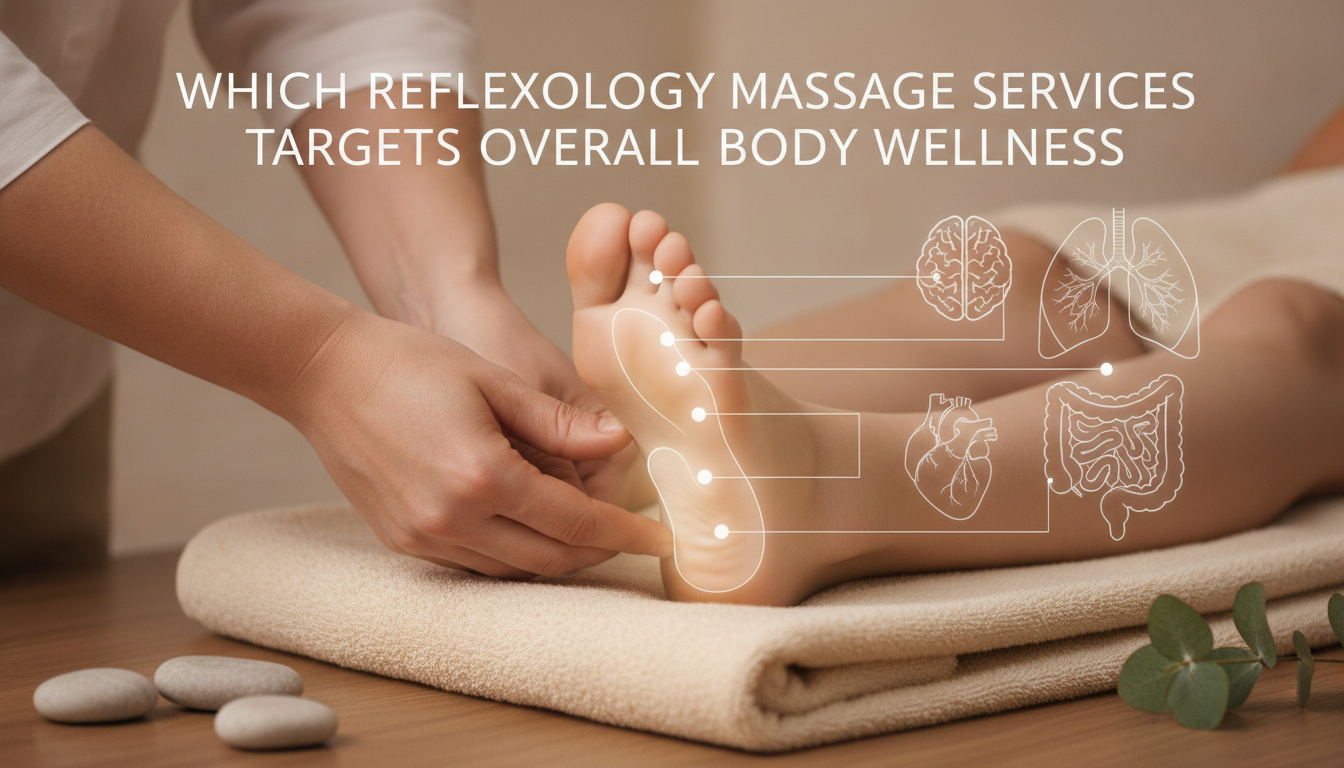
Which Reflexology Massage Services Target Overall Body Wellness
Not all reflexology sessions are structured the same way. Different service formats target different aspects of wellbeing, and understanding the distinctions helps you choose the one most aligned with what your body actually needs.
Full-Body Reflexology (Foot and Hand Mapping)
This is the most comprehensive of all reflexology massage services and the one most directly associated with overall body wellness. A full-body reflexology session maps pressure points across both the feet and hands, covering the major organ systems — digestive, respiratory, endocrine, nervous, and musculoskeletal.
Because the feet contain over 7,000 nerve endings, foot reflexology is particularly effective at producing a systemic response. Therapists work across the heel (lower back and pelvic area), the arch (digestive organs), the ball of the foot (heart and lungs), and the toes (head, brain, and sinuses). A session that incorporates hand reflexology alongside foot work creates a more complete circuit of stimulation.
For someone dealing with chronic fatigue, digestive irregularities, hormonal imbalance, or persistent low-grade stress, this type of session is typically recommended at least once every two weeks to build a cumulative effect.
Stress and Nervous System Reflexology
This is perhaps the most commonly requested service type among Abuja professionals, and it is easy to understand why. City life in the FCT — the traffic from Wuse to Maitama, the back-to-back meetings, the constant digital noise — places the nervous system under prolonged strain. Over time, that strain manifests physically: tight shoulders, disrupted sleep, poor digestion, and a general sense of being “switched on” all the time.
Nervous system-focused reflexology concentrates pressure work on the solar plexus reflex point (located in the centre of the foot), the adrenal gland reflex points, and the spinal nerve reflexes running along the inner edge of both feet. These areas correspond to the body’s stress response systems. Stimulating them through controlled pressure helps downregulate the nervous system, shifting the body from a sympathetic (fight-or-flight) state into a parasympathetic (rest-and-digest) state.
Clients who receive this type of session consistently report measurable improvements in sleep quality within the first three to four sessions. Some also notice reduced frequency of tension headaches and a general improvement in emotional resilience.
Reflexology for Digestive and Gut Health
Digestive wellness is one area where reflexology shows particularly consistent results in practice. The reflex points for the stomach, liver, gallbladder, small intestine, colon, and pancreas are all accessible through the sole of the foot — clustered primarily across the arch and mid-foot region.
Therapists working on digestive health reflexology use a combination of direct pressure, circular massage movements, and zone walking (a technique involving small, caterpillar-like thumb movements) to stimulate these reflex points. The goal is to encourage peristalsis, support liver function, and reduce the bloating and sluggishness that often accompany irregular eating habits or a diet high in processed foods.
This type of session is particularly relevant during and after Abuja’s festive periods — Eid celebrations, Christmas and New Year gatherings, and the heavy food culture around weddings and events — when the digestive system often bears the brunt of social eating.
Reflexology for Hormonal Balance and Women’s Wellness
Hormonal balance is an area where many women find reflexology quietly transformative. The reflex points for the endocrine system — including the pituitary, thyroid, adrenals, ovaries, and uterus — are all accessible through the foot, and stimulating them through regular sessions can support more consistent hormonal cycling.
Women dealing with PMS symptoms, irregular cycles, perimenopausal discomfort, or stress-related hormonal disruption often find that a course of six to eight weekly sessions produces a noticeable shift. It is not a replacement for medical care, but as a complementary support, it works by encouraging the body’s regulatory systems to function more efficiently.
The session format for hormonal wellness typically focuses on the inner ankle area (uterus and ovary reflex points), the pad of the big toe (pituitary gland), and the base of the toes (thyroid). Therapists may also incorporate lymphatic drainage movements along the tops of the feet to support the body’s elimination processes.
Reflexology for Circulatory and Immune Support
Poor circulation is a common but underreported issue, particularly among people who spend long hours seated — whether at a desk or behind a steering wheel. Reflexology applied to the heart and circulatory reflex points, combined with general foot massage to improve peripheral blood flow, can meaningfully support vascular function.
From an immune system perspective, therapists focus on lymphatic reflex points (across the top of the foot and between the toes), the spleen reflex, and the thymus reflex. Stimulating these areas is thought to encourage lymphatic drainage and enhance the body’s ability to clear waste and pathogens more efficiently.
During Abuja’s harmattan season — when the dry, dusty air taxes the respiratory and immune systems — this type of reflexology session can be a useful preventive measure, helping the body stay resilient in a physically demanding environment.
What to Expect From a Professional Reflexology Session
A good reflexology session at a reputable spa begins well before the therapist applies the first point of pressure. You should expect an initial consultation where the therapist asks about your health history, current concerns, and wellness goals. This is not a formality — it is essential information that shapes the entire session.
The treatment itself is conducted with the client lying comfortably on a massage table or reclined chair. Shoes and socks are removed, and the feet (and sometimes hands) are gently cleansed before work begins. A quality establishment will use certified organic, cruelty-free products — lotions and oils that support the skin without introducing harsh chemicals into a wellness-focused environment.
At Luxor Salon and Spa, which has been serving Abuja clients since 2013, both the Maitama and Wuse 2 branches maintain consistent hygiene protocols and use eco-friendly, cruelty-free products across all treatments. Sessions are carried out by trained therapists who follow structured reflex maps rather than improvised techniques — a detail that makes a genuine difference to the quality and safety of the experience.
After the session, clients are typically advised to drink plenty of water in the following hours to support the body’s natural detoxification response. Some people experience mild fatigue or a slight headache in the first 24 hours — this is considered a normal detox reaction and usually passes quickly.
How Often Should You Book Reflexology for Whole-Body Results
For general maintenance and preventive wellness, one session every two to four weeks works well for most people. If you are addressing a specific condition — chronic stress, digestive issues, hormonal imbalance — a more intensive initial schedule of weekly sessions for six to eight weeks tends to produce better cumulative results before stepping down to a maintenance frequency.
Think of it similarly to physiotherapy or chiropractic care: a single session offers short-term relief and relaxation, but the real transformative work happens over a consistent course of treatment. The body responds cumulatively, and each session builds on the progress of the last.
Busy professionals in Abuja who struggle to commit to regular appointments often find that having access to a spa that operates 24/7 — as both Luxor branches do — removes the most common barrier. You can book during off-peak hours, early mornings, or late evenings without being constrained by a 9-to-5 booking window.
Reflexology vs. General Massage: What Is the Difference?
This is one of the most common points of confusion for first-time spa visitors. General body massage works primarily with muscles, fascia, and soft tissue — it is excellent for releasing localised tension, improving flexibility, and addressing specific musculoskeletal complaints. Reflexology, by contrast, works through a neurological and energetic map, targeting organ systems and systemic functions rather than muscle groups.
The two are complementary rather than competing. Many experienced wellness clients alternate between deep tissue massage for muscular relief and reflexology for systemic support, using each modality where it is most effective. Some spas offer combination treatments that incorporate elements of both — a practical option for clients who want comprehensive coverage in a single visit.
Frequently Asked Questions
Is reflexology safe if I have a health condition?
Reflexology is generally safe for most people and is considered a low-risk therapy. However, if you have certain conditions — such as blood clots, foot injuries, or are in the first trimester of pregnancy — you should inform your therapist before the session and, where appropriate, consult your doctor first. A trained reflexologist will adapt the session to your needs and avoid contraindicated points.
How quickly will I notice results from reflexology massage services?
Many clients notice immediate benefits — a sense of deep calm, lighter tension in the body, and improved sleep quality in the night following their first session. For more specific wellness goals such as hormonal balance or digestive support, a course of four to eight weekly sessions typically produces more pronounced and lasting results. Think of the first two sessions as your body learning to respond.
What should I wear or avoid before a reflexology session?
Wear comfortable, loose clothing — you will remain mostly dressed during a foot reflexology session. Avoid eating a heavy meal in the hour before your appointment, and try to stay well hydrated on the day of your session. Alcohol is best avoided for 24 hours before and after treatment, as it can interfere with the body’s natural detox response.
Which Luxor branch should I visit for reflexology?
Both Luxor branches in Abuja offer the same high standard of reflexology services. If you are based in or around Maitama, the branch at 56 Usuma Street, Off Gana Street is a convenient option — an ultra-modern facility in one of the city’s most prestigious districts. If you are closer to the city’s commercial centre, the flagship Wuse 2 branch at 792b Adetokunbo Ademola Crescent is easily accessible. Both operate 24/7, so you can book at whatever time suits your schedule.
Do I need to book in advance, or can I walk in?
Booking in advance is always recommended, especially if you have a preferred time or therapist in mind. Both branches are open around the clock, which gives you genuine flexibility, but popular time slots — particularly early mornings and weekend evenings — tend to fill up. You can book online or call either branch directly to confirm availability.
Making the Most of Your Reflexology Journey
Reflexology massage services work best when they are part of a broader approach to wellbeing — not a one-off treat, but a recurring investment in how your body functions. Pair regular sessions with adequate hydration, quality sleep, and some form of movement, and you create conditions in which the benefits of reflexology compound over time.
If you are new to reflexology, start with a full-body foot session and communicate openly with your therapist about how you are feeling before and after. Let the first two sessions be exploratory — notice what shifts, what releases, and where you feel the most response. That information guides a more targeted approach in subsequent sessions and gives your therapist the context to personalise the treatment to your actual needs rather than a generic template.
Abuja’s pace can be relentless, and the body absorbs that pressure in ways that build silently over time. Reflexology offers a structured, evidence-informed way to respond — not reactively, but proactively. The choice to invest in that kind of care is ultimately the choice to function better across every area of your life.
Ready to Book Your Reflexology Session?
Whether you have a specific wellness concern you want to address or you simply want to experience what a properly structured reflexology session feels like, both Luxor branches in Abuja are here to help. Our trained therapists are available around the clock, and we are always happy to answer questions about treatments, pricing, or which session format might suit you best.
- Maitama Branch — 56 Usuma Street, Off Gana Street, Maitama, Abuja
Email: moc.apsdnanolasroxul@ofni
Phone: (+234) 701 888 0102 - Wuse 2 Branch — 792b Adetokunbo Ademola Crescent, Wuse 2, Abuja
Email: moc.apsdnanolasroxul@2esuw
Phone: (+234) 701 888 0100
You can also book online at any time. We are open 24/7 at both branches — because your wellness should not have to wait for office hours.
Related Posts
 7 Ways Our Wellness Services Enhance Your Overall Wellbeing
 Why Luxor Spa Is Synonymous With Premium Wellness Services In Abuja
 What Are The Must Try Wellness Services This Month At Luxor Spa
 Which Wellness Services Focuses Primarily On Detoxing The Body
 When Is The Right Time To Get A Full Body Detox Wellness Services
 How To Book All 7 Wellness Services For A Single Day Of Pampering
 7 Tips For Choosing The Right Wellness Services For Your Needs
 How To Prepare For Your First Brazilian Wax With Our Wellness Services