

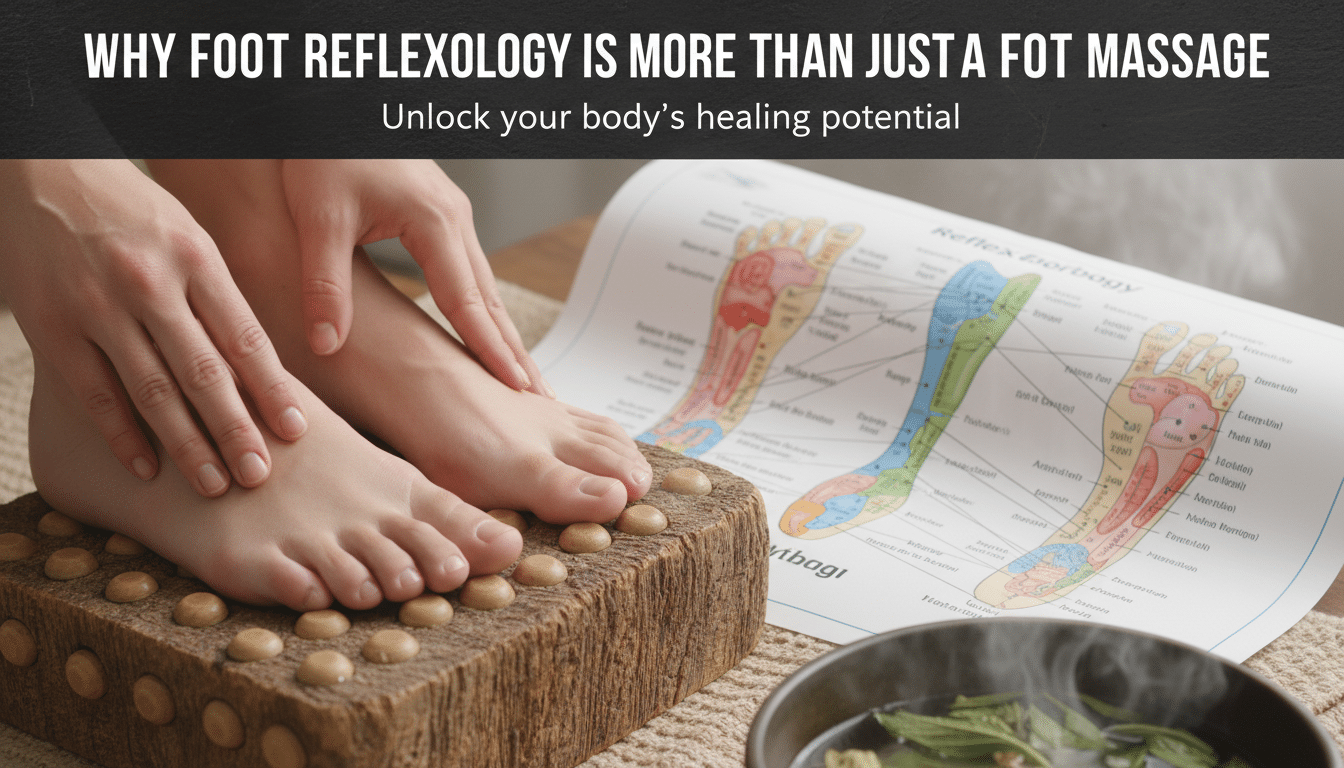
Why Foot Reflexology is More Than Just a Foot Massage
For many, the word "reflexology" conjures up images of a soothing foot massage, a relaxing treat enjoyed at a spa or after a long day on your feet. While the experience can certainly be pleasurable and involve skilled manipulation of the foot, to equate reflexology with a simple massage is to fundamentally misunderstand its principles, history, and potential benefits. Reflexology is a specialized therapeutic practice rooted in the belief that specific points on the feet (and hands and ears) correspond to different organs and systems within the body. By applying targeted pressure to these "reflex points," practitioners aim to promote relaxation, reduce pain, improve circulation, and encourage the body’s natural healing abilities. It’s a holistic approach that addresses the interconnectedness of the body, mind, and spirit, going far beyond the superficial relief of a foot rub.
A Brief History and Theoretical Foundation:
While the concept of working on the feet for health benefits dates back thousands of years to ancient civilizations in Egypt, China, and India, modern reflexology as we know it was largely developed in the early 20th century. Dr. William H. Fitzgerald, an American ear, nose, and throat specialist, is often credited as the "father of zone therapy," a precursor to reflexology. He observed that applying pressure to certain areas of the body could produce an anesthetic effect in other areas. He divided the body into ten longitudinal zones, running from the head to the toes, and theorized that applying pressure within a specific zone could affect the organs and systems within that zone.
Eunice Ingham, a physical therapist, further refined Fitzgerald’s zone therapy and developed the more precise mapping of reflex points on the feet that is the basis of modern foot reflexology. Ingham meticulously charted the feet, correlating specific areas to organs, glands, and other body parts. She believed that congestion or imbalances in these reflex points could indicate corresponding problems in the related body areas. Through targeted pressure and manipulation, she theorized that these blockages could be released, restoring the flow of energy and promoting healing.
The core principle underpinning reflexology is the concept of vital energy, often referred to as "qi" in traditional Chinese medicine or "prana" in Ayurvedic medicine. This energy is believed to flow through pathways or meridians in the body. When these pathways become blocked or stagnant, it can lead to imbalances and illness. Reflexology aims to clear these blockages and restore the free flow of energy, thereby supporting the body’s natural self-healing mechanisms.
The Distinct Differences Between Foot Massage and Foot Reflexology:
While both foot massage and foot reflexology involve working on the feet, their goals, techniques, and underlying philosophies are vastly different:
- Goal: Foot massage primarily aims to relax the muscles, improve circulation, and provide localized relief from tension and pain in the feet and lower legs. It focuses on the physical comfort and relaxation of the foot itself. Reflexology, on the other hand, aims to affect the entire body by stimulating specific reflex points on the feet that correspond to different organs and systems. Its goal is to promote overall well-being, reduce stress, and support the body’s natural healing processes.
- Technique: Foot massage typically involves techniques like kneading, stroking, and applying pressure to the muscles and soft tissues of the foot. It focuses on relaxing tight muscles and improving blood flow. Reflexology uses specific thumb and finger walking techniques to apply targeted pressure to precise reflex points. Practitioners often use firm, focused pressure, and they may work on specific areas for longer periods if they detect tenderness or congestion.
- Pressure: The pressure applied in foot massage is generally lighter and more superficial, aimed at relaxing the muscles. Reflexology often involves deeper, more sustained pressure on specific reflex points. The pressure is adjusted to the individual’s tolerance and the practitioner’s assessment of the area being treated. While some areas may be sensitive or tender, the overall experience should not be excessively painful.
- Mapping and Targeting: Foot massage typically doesn’t involve a specific map of the foot or a conscious effort to target specific organs or systems. It’s more about general relaxation and relief of muscle tension. Reflexology is based on a detailed map of the foot, with each area corresponding to a specific organ, gland, or body part. The practitioner uses this map to identify and target specific reflex points based on the individual’s needs and concerns.
- Holistic Approach: Foot massage is often considered a localized treatment that focuses primarily on the foot itself. Reflexology is a holistic therapy that views the body as an interconnected system. It aims to address the root causes of imbalances and promote overall well-being by stimulating the body’s natural healing abilities. It considers the physical, emotional, and mental aspects of health.
- Training and Certification: While anyone can give a basic foot massage, reflexology requires specialized training and certification. Reflexologists undergo extensive training to learn the anatomy and physiology of the foot, the mapping of reflex points, and the specific techniques used to apply pressure. They also learn how to assess individuals’ needs and develop personalized treatment plans.
The Potential Benefits of Reflexology:
While scientific research on reflexology is ongoing and more rigorous studies are needed to fully understand its mechanisms and benefits, anecdotal evidence and some clinical trials suggest that reflexology may offer a range of potential benefits, including:
- Stress Reduction and Relaxation: Reflexology is widely recognized for its ability to promote deep relaxation and reduce stress. By stimulating the parasympathetic nervous system, it can help to lower heart rate, blood pressure, and cortisol levels, the body’s primary stress hormone. This can lead to a feeling of calm and well-being.
- Pain Relief: Reflexology has been shown to be effective in reducing pain associated with a variety of conditions, including headaches, migraines, back pain, neck pain, arthritis, and fibromyalgia. It may work by stimulating the release of endorphins, the body’s natural pain relievers, and by improving circulation to the affected areas.
- Improved Circulation: By stimulating reflex points on the feet, reflexology can help to improve blood flow throughout the body. This can enhance oxygen and nutrient delivery to tissues and organs, promoting healing and overall health.
- Enhanced Sleep Quality: Reflexology’s relaxing effects can also help to improve sleep quality. By reducing stress and anxiety, it can make it easier to fall asleep and stay asleep throughout the night.
- Digestive Support: Reflexology may help to improve digestive function by stimulating the digestive organs and promoting peristalsis, the rhythmic contractions that move food through the digestive tract. This can help to relieve symptoms of indigestion, bloating, constipation, and other digestive issues.
- Hormonal Balance: Some practitioners believe that reflexology can help to balance hormones by stimulating the endocrine glands, such as the pituitary gland, thyroid gland, and adrenal glands. This may be beneficial for women experiencing menstrual problems, menopause symptoms, or other hormonal imbalances.
- Immune System Support: By reducing stress and improving circulation, reflexology may help to strengthen the immune system and enhance the body’s ability to fight off infection and disease.
- Improved Mood and Emotional Well-being: Reflexology can have a positive impact on mood and emotional well-being by reducing stress, promoting relaxation, and stimulating the release of endorphins. It may be helpful for individuals experiencing anxiety, depression, or other emotional challenges.
- Detoxification: Some practitioners believe that reflexology can help to detoxify the body by stimulating the lymphatic system and promoting the elimination of waste products.
What to Expect During a Reflexology Session:
A typical reflexology session will last between 30 and 60 minutes. Before the session, the reflexologist will likely ask about your health history, lifestyle, and any specific concerns you may have. You’ll be asked to remove your shoes and socks and sit or lie comfortably on a massage table or reclining chair.
The reflexologist will typically begin by gently massaging your feet to warm them up and prepare them for the treatment. Then, they will use specific thumb and finger walking techniques to apply targeted pressure to the reflex points on your feet. They may focus on specific areas based on your individual needs and concerns.
During the session, you may experience sensations of warmth, tingling, or relaxation. Some areas may be more sensitive or tender than others, but the pressure should not be excessively painful. It’s important to communicate with your reflexologist about any discomfort you experience.
After the session, you may feel relaxed, energized, or both. It’s important to drink plenty of water to help flush out toxins and stay hydrated. You may also experience some minor side effects, such as mild soreness or fatigue, which should resolve within a day or two.
Choosing a Qualified Reflexologist:
It’s important to choose a qualified and experienced reflexologist to ensure a safe and effective treatment. Look for a practitioner who is certified by a reputable reflexology organization, such as the American Reflexology Certification Board (ARCB) or the International Institute of Reflexology (IIR). Ask about their training and experience, and don’t hesitate to ask questions about their approach and techniques. A good reflexologist will be knowledgeable, compassionate, and committed to providing you with the best possible care.
In conclusion, while foot massage offers a relaxing and enjoyable experience, reflexology is a distinct and specialized therapeutic practice with a rich history and a unique set of principles. It’s a holistic approach that aims to promote overall well-being by stimulating specific reflex points on the feet that correspond to different organs and systems within the body. By choosing a qualified reflexologist and understanding the potential benefits of this powerful therapy, you can unlock its potential to support your health and well-being on a deeper level. It’s far more than just a foot massage; it’s a pathway to balance, healing, and a greater sense of connection within yourself.