

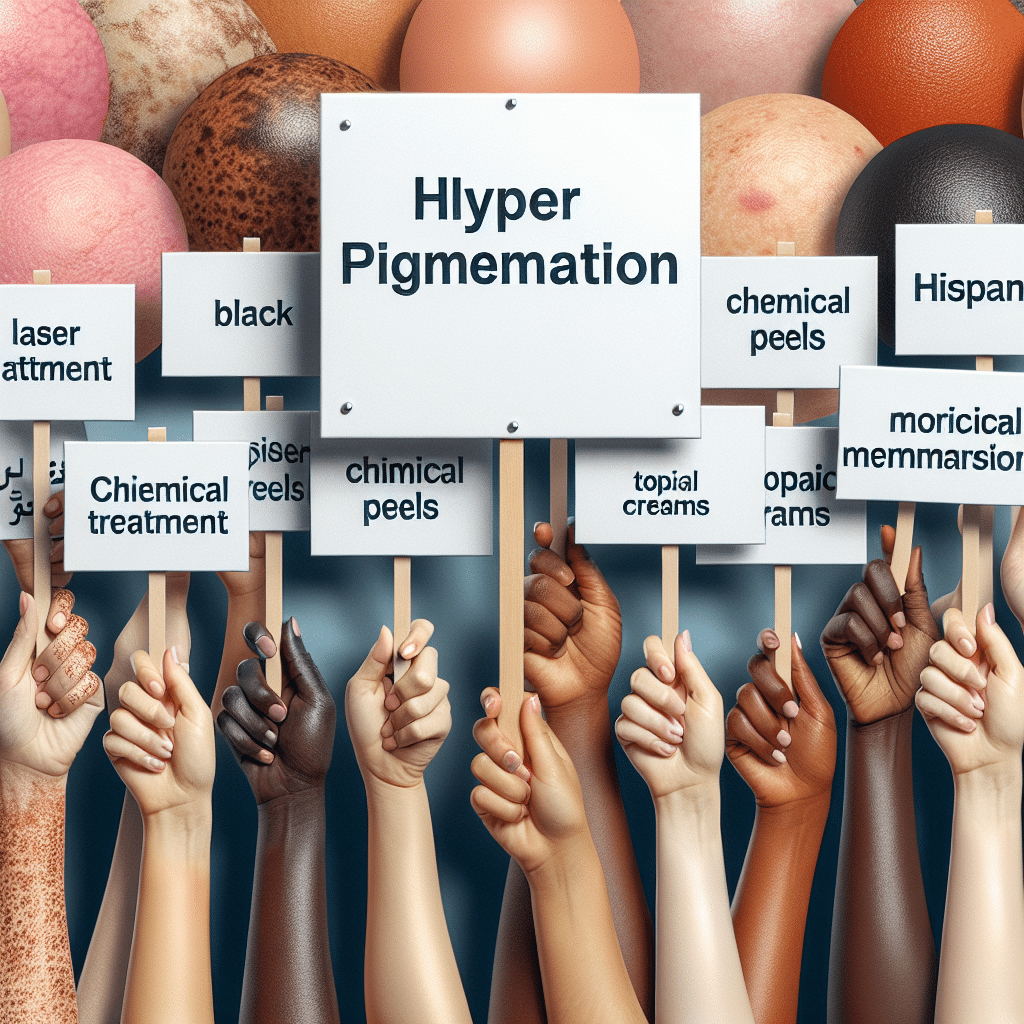
Hyperpigmentation is a common skin concern that affects individuals of all ages and skin types. Characterized by darkened spots or patches on the skin, hyperpigmentation occurs when excess melanin, the pigment responsible for skin color, is produced. This can be triggered by factors such as sun exposure, hormonal changes, post-inflammatory responses from acne or injuries, and even certain medications. Thankfully, various facial services can effectively address hyperpigmentation, offering individuals a path toward clearer, more even skin tone. This article delves into several treatments that specifically target hyperpigmentation, discussing their mechanisms and benefits.
1. Chemical Peels
What Are Chemical Peels?
Chemical peels involve the application of a solution that removes the outer layers of skin, promoting exfoliation and regeneration. They can vary in strength, from superficial peels that gently slough off dead skin cells to deeper peels that penetrate more profoundly into the dermis.
How They Work
Chemical peels work by using acids, such as glycolic acid, salicylic acid, or trichloroacetic acid (TCA), that encourage the shedding of damaged skin cells. This exfoliation process reveals new, healthier skin underneath and can help lighten hyperpigmented areas by reducing melanin production.
Types of Peels
-
Superficial Peels: Often made with alpha hydroxy acids (AHAs), these peels are gentle and suitable for all skin types. They require minimal downtime and can be repeated every few weeks.
-
Medium Peels: Utilizing TCA or beta hydroxy acids (BHAs), medium peels penetrate deeper and are more effective for treating moderate hyperpigmentation. They typically involve a longer recovery time.
- Deep Peels: These are reserved for more severe cases of hyperpigmentation and involve a longer healing process. They can provide drastic results but require careful post-treatment care.
Benefits
-
Improved Skin Texture: By removing dead skin, chemical peels leave the skin smoother and more even-toned.
-
Reduction in Dark Spots: Regular treatments can significantly reduce the appearance of hyperpigmentation.
- Stimulation of Collagen Production: Peels encourage collagen remodeling, improving skin elasticity and resilience.
2. Microdermabrasion
What Is Microdermabrasion?
Microdermabrasion is a non-invasive exfoliating procedure that uses tiny crystals to gently buff away the top layer of skin. This treatment is designed to improve overall skin texture while targeting specific concerns like age spots and discoloration.
How It Works
During a microdermabrasion session, a handheld device sprays fine crystals onto the skin’s surface, which are then vacuumed away. This process stimulates circulation and encourages the formation of new, healthy skin cells. By removing the outer layers, microdermabrasion can help reduce the appearance of hyperpigmentation.
Benefits
-
Immediate Results: Many clients notice a more radiant skin tone right after the procedure.
-
Minimal Downtime: Microdermabrasion is typically well-tolerated, with little to no recovery time required.
- Safe for All Skin Types: Unlike some treatments that may irritate darker skin tones, microdermabrasion is generally safe for a broader range of skin types.
3. Laser Therapy
What Is Laser Therapy?
Laser therapy utilizes focused light energy to target specific skin concerns. Various types of lasers can be employed to address hyperpigmentation, including ablative lasers, which remove the outer layer of skin, and non-ablative lasers, which stimulate collagen and target melanin without damaging the skin’s surface.
How It Works
Laser treatment for hyperpigmentation typically involves the use of specific wavelengths of light that either remove pigmented cells or inhibit melanin production in the targeted area. Non-ablative lasers, like the Nd:YAG laser, penetrate deeper layers of the skin and help promote even skin tone without compromising the surface.
Types of Lasers
-
Fractional Lasers: These lasers create micro-injuries to the skin, promoting healing and collagen formation while treating pigmentation.
- Q-Switched Lasers: These are particularly effective for tattoo removal and pigmented lesions, working by delivering quick bursts of energy to break down pigment.
Benefits
-
Targeted Treatment: Laser therapy can effectively focus on specific areas of hyperpigmentation without affecting surrounding skin.
-
Long-Lasting Results: Many patients notice significant improvement within a few sessions, with results lasting for months.
- Quick Sessions: Typical laser treatments are relatively quick, often lasting only 30 minutes to an hour.
4. Microneedling
What Is Microneedling?
Microneedling is a minimally invasive procedure that involves creating tiny micro-injuries in the skin using a device equipped with fine needles. This process promotes skin regeneration by stimulating collagen and elastin production.
How It Works
The micro-injuries caused by the microneedling procedure signal the skin to heal, promoting a new layer of skin that can be more uniform in color and texture. Additionally, when combined with serums containing ingredients like hyaluronic acid or vitamin C, the absorption of these potent compounds is enhanced, further helping to address hyperpigmentation.
Benefits
-
Improvement of Skin Tone: Microneedling effectively reduces hyperpigmentation, scarring, and enlarged pores.
-
Stimulates Collagen Production: The healing process promotes collagen production, leading to firmer, healthier skin.
- Minimal Side Effects: The downtime is short, with most patients experiencing only mild redness that fades within a few days.
5. IPL (Intense Pulsed Light) Therapy
What Is IPL Therapy?
Intense Pulsed Light (IPL) therapy involves delivering broad-spectrum light to the skin, targeting pigmentation and redness. While not a laser, IPL uses multiple wavelengths to treat various skin concerns, including hyperpigmentation.
How It Works
IPL targets melanin-rich areas within the skin, breaking down pigment into smaller particles that the body can naturally eliminate. This treatment is effective for sunspots, age spots, and even redness, making it a versatile option.
Benefits
-
Multifunctional Treatment: IPL addresses multiple skin issues, from pigmentation to vascular lesions.
-
Non-Invasive: Like many other treatments, IPL is non-invasive with minimal side effects.
- Quick Recovery: Patients typically experience little to no downtime, allowing them to resume regular activities quickly.
6. Brightening Facial Treatments
What Are Brightening Facial Treatments?
Brightening facial services are designed to improve skin clarity and luminosity. These treatments often incorporate specific techniques and products that focus on lightening hyperpigmentation and promoting an even skin tone.
How They Work
These facials may include a combination of exfoliation, masks, serums, and massage techniques to promote circulation and enhance the absorption of brightening agents. Key ingredients often used in these treatments include vitamin C, kojic acid, licorice extract, and niacinamide, all known for their skin-lightening properties.
Benefits
-
Nourishing: These facials not only treat hyperpigmentation but also hydrate and nourish the skin, promoting a healthy overall appearance.
-
Relaxing Experience: A brightening facial often incorporates soothing techniques, making it both a therapeutic and restorative experience.
- Visible Results: Many individuals see immediate improvements in skin brightness and tone following a brightening facial.
7. At-Home Treatments
Overview of At-Home Treatments
In addition to professional services, at-home treatments can be effective in managing hyperpigmentation. Topical products containing active ingredients like hydroquinone, retinoids, and alpha hydroxy acids can provide a continual regimen that enhances the effects of professional treatments.
How They Work
Regular use of these products helps to inhibit melanin production, promote cell turnover, and gradually lighten hyperpigmented areas. It’s vital to choose products wisely and consider consulting a dermatologist for tailored recommendations.
Benefits
-
Convenient: Easy to incorporate into daily routines, making it simple to maintain progress between professional treatments.
-
Cost-Effective: Investment in quality at-home products can complement professional services without breaking the bank.
- Customizable: At-home treatments can be tailored to individual skin needs and concerns.
8. Importance of Sun Protection
Role of Sun Protection
Regardless of the treatments employed, sun protection plays a crucial role in managing and preventing hyperpigmentation. Ultraviolet (UV) rays can exacerbate existing pigmentation and lead to the formation of new dark spots.
How to Protect Your Skin
Daily application of broad-spectrum sunscreen with a minimum SPF of 30 is essential. Additionally, wearing wide-brimmed hats, UV-blocking sunglasses, and seeking shade during peak sun hours can further safeguard the skin.
Benefits of Sun Protection
-
Prevents Recurrence: Effective sun protection can help prevent hyperpigmentation from returning after treatment.
-
Overall Skin Health: Protecting the skin from UV damage contributes to overall skin health, reducing the risk of other skin issues.
- Enhances Treatment Results: Proper sun protection maximizes the efficacy of treatments aimed at reducing hyperpigmentation.
By understanding the various treatment options available and choosing the right methodology, individuals can effectively address hyperpigmentation and achieve their skincare goals.
Luxor Spa Salon | Best Spa & Wellness Center in Abuja Home
Related Posts
 Which Facials Services Will Give Me An Immediate Glow For Events
 What Is The Right Facials Services For Acne Prone Skin In Abuja Which Delivers Results
 When Should I Book My Next Hydrating Facials Services For Glowing Skin Why It Matters
 What Is The Difference Between A Spa Facial Services And A Clinic Facial Services
 Best Facial for Oily Skin in Abuja – Luxor Spa Abuja
 Why Combining Pedicure Services With Massage Services Is Popular
 Which Pedicure Services Is Best For Removing Hard Skin Safely
 Which Anti Aging Facials Services Works Best For Abuja Residents