

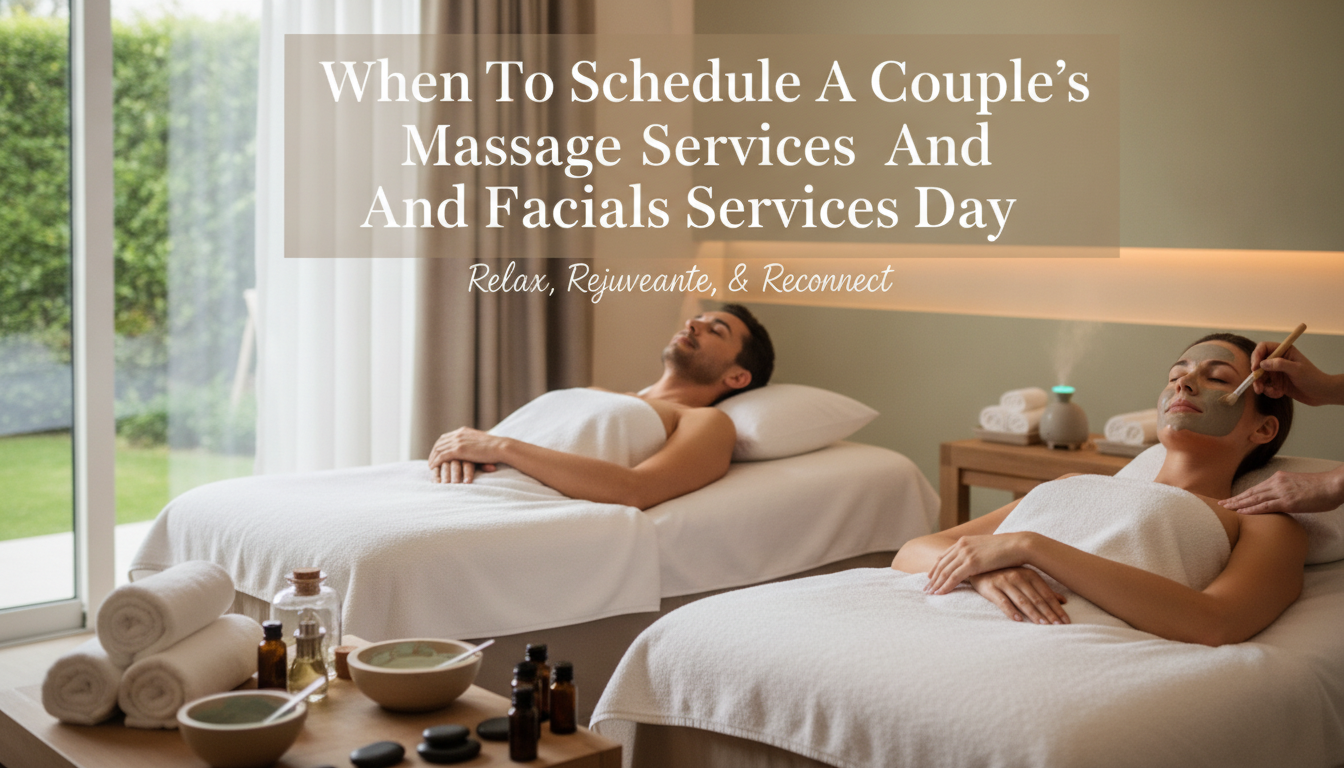
A deep tissue massage in Abuja does more than ease sore muscles — it targets the dense, chronic tension that builds up in the deeper layers of muscle and connective tissue, releasing knots that surface-level techniques simply cannot reach. Whether you are a civil servant who has spent months hunched over a government desk in Maitama, an executive whose schedule rarely allows a proper break, or anyone whose body has simply accumulated months of unaddressed stress, a properly administered deep tissue massage is one of the most effective ways to restore function and comfort — provided it is done correctly, by a trained therapist, in a setting that takes the work seriously.
What Deep Tissue Massage Actually Is — and What It Is Not
Deep tissue massage is a clinical-style technique that uses slow, deliberate strokes and firm, sustained pressure to reach the sub-layer of musculature and the fascia — the connective tissue that wraps and separates your muscles. It is not simply a hard Swedish massage. The therapist works methodically along the grain of the muscle, then sometimes across it, to break down adhesions: those dense, fibrous bands of tissue that form after injury, overuse, or prolonged tension.
It is worth being honest about what the session involves. The pressure is significant. There will be moments of discomfort — what therapists often describe as “good pain,” a dull, productive ache rather than sharp distress — particularly around areas of chronic tightness. Communication between you and your therapist throughout the session is not optional; it is part of what makes the treatment effective and safe.
Why Abuja Residents Need Deep Tissue Massage More Than They Realise
Abuja’s pace is deceptive. On the surface it is a planned city, orderly by Nigerian standards. In practice, life here accumulates physical stress at a remarkable rate. The Airport Road and Kubwa Expressway runs, the stop-start AYA and Nyanya corridor at peak hours, the long hours that FCT professionals, NGO staff, and diplomats regularly put in — these translate directly into a body that carries far more than emotional stress. Sustained tension in the shoulders, neck, and lower back is almost universal among office workers here.
Then there is the climate. Harmattan, from roughly November to February, is not just about dusty air and ashy skin — the cold, dry Saharan wind causes muscles to contract and stiffen. Many people find that tension they barely noticed in October becomes genuinely painful by December. Hydration drops, recovery slows, and the body simply does not bounce back the way it does in the wetter months. A deep tissue session during harmattan often reveals tightness that has been quietly building since the rains ended.
The December Season: When Demand and Stress Peak Together
December in Abuja is one of the most physically and socially demanding periods of the year. The returnee season, Christmas gatherings, end-of-year owambe weekends, Sallah events in January — people are simultaneously their most active and their most depleted. A pre-December or mid-December deep tissue massage is not an indulgence at this point; it is genuinely practical maintenance.
What Happens During a Deep Tissue Massage at Luxor Salon and Spa
Luxor has been operating in Abuja since 2013, with its Wuse 2 flagship on Adetokunbo Ademola Crescent and the Maitama branch at 56 Usuma Street, just off Gana Street near the embassy belt. Over more than a decade, the therapists here have worked with the full range of Abuja clientele — civil servants, expat staff, business owners, athletes, and event-season visitors — which means the consultation at the start of your session is not a formality.
The Consultation
Before any pressure is applied, your therapist will ask about your primary areas of tension and pain, any recent injuries or surgeries, any conditions — such as blood clots, osteoporosis, or active inflammation — that would require a modified approach or make the treatment unsuitable. They will ask how long the tension has been present and how your body typically responds to pressure. This conversation shapes everything: the depth, the focus areas, the sequence.
If you have a condition that extends beyond muscular tension — persistent nerve pain, suspected disc problems, or anything that a doctor has not yet assessed — your therapist will refer you to a medical professional rather than proceed. This is not excessive caution; it is the correct protocol, and any reputable spa should follow it without apology.
The Session
The treatment itself typically begins with lighter, warming strokes to prepare the tissue before the therapist moves into deeper work. Specific problem areas — the trapezius muscles across the upper back, the rhomboids between the shoulder blades, the erector spinae along the lower back, the glutes and piriformis for people who sit for long hours — receive sustained, targeted attention. The therapist may use fingertips, knuckles, forearms, or elbows depending on the depth required and the muscle group being addressed.
You will likely notice a reduction in acute tightness during the session itself. Broader relief — improved range of motion, a reduction in referred pain, better sleep — tends to emerge over the 24 to 72 hours that follow.
Deep Tissue Massage Aftercare: What to Do in the Hours and Days After
How you treat your body after a deep tissue session has a direct impact on how much benefit you carry forward. The following sequence is what therapists typically recommend:
- Within the first 2 hours: Drink water. The breakdown of muscle adhesions releases metabolic waste into the bloodstream, and hydration supports your body’s ability to clear it. Avoid alcohol or caffeine immediately after the session.
- First 24 hours: Expect some soreness — this is normal, particularly if significant knots were addressed. Apply a warm compress to tender areas if needed. Avoid intense exercise; a short, gentle walk is fine.
- Days 2 and 3: The soreness typically peaks around 24–48 hours and then begins to lift. Most people report feeling significantly better on day 3 than they did on day 1 after the session.
- The first week: Notice your posture and movement. Many people realise, only after a deep tissue session has released chronic tension, how much that tension was affecting how they sat, stood, and moved. This is a good time to address any postural habits that contributed to the original problem.
- The 3–4 week rebooking window: A single deep tissue session produces results. But chronic tension — the kind that has built up over months or years — responds best to a programme of sessions. Most therapists recommend rebooking within three to four weeks for the first few sessions, then reassessing frequency based on how your body responds. Maintenance sessions every four to six weeks are common for people with physically or mentally demanding routines.
Who Should Not Have a Deep Tissue Massage
Deep tissue massage is not appropriate for everyone, and a professional therapist will tell you so clearly if it applies. Avoid or modify the treatment if you have active blood clots or a history of deep vein thrombosis, bleeding disorders or are on blood-thinning medication, open wounds, skin infections, or recent surgical sites, severe osteoporosis, or if you are in the first trimester of pregnancy. Conditions like fibromyalgia or cancer are not automatic contraindications, but they require specific modifications and — in the case of oncology massage — specialist training.
If you are unsure whether deep tissue massage is suitable for you, consult your doctor before booking. Your therapist can work with whatever medical guidance you bring.
A Realistic Scenario: The Abuja Professional Who Cannot Find Time
Consider a deputy director at a ministry in the Central Business District. Her schedule runs from before eight in the morning to well past seven most evenings. By Friday, her neck and shoulders are carrying the week in a way that sleep alone does not fix. Saturday mornings are reserved for the children. Sunday means church, family, and preparation for the week ahead.
For her, the practical answer is not a midday appointment that does not exist in her calendar. It is a 9pm session on a Thursday, after the last meeting has ended, at the Maitama branch on Usuma Street — close enough to avoid a long drive, late enough to fit reality. Luxor’s 24/7 availability at both branches is not a marketing line; it is the only reason this appointment happens at all. She arrives, has the session, is home before midnight, and wakes on Friday noticeably less stiff. That is what a 24/7 spa in Abuja actually means in practice.
If this resonates, you can book online and select the time slot that genuinely works for your schedule — not the one that is merely tolerable.
Choosing Between the Maitama and Wuse 2 Branches
Both Luxor branches offer the full range of body treatments, including deep tissue massage. The practical question is geography. If you work or live in Maitama, Asokoro, Diplomatic Zone, or anywhere in that north-western corridor, the Maitama branch at 56 Usuma Street is the sensible choice — and avoids any unnecessary cross-city travel after a session that leaves you physically relaxed and not particularly interested in navigating Friday evening gridlock.
If you are based in Wuse 2, Garki, Central Business District, or the surrounding commercial areas, the flagship at 792b Adetokunbo Ademola Crescent, Wuse 2, is the natural choice. The branches exist so that whichever side of the city you are on, one is genuinely convenient.
Frequently Asked Questions About Deep Tissue Massage in Abuja
Which Luxor branch should I go to for a deep tissue massage?
Both branches — Maitama and Wuse 2 — offer deep tissue massage with trained therapists and both are open 24 hours a day, seven days a week. The simplest guide: go to whichever is closer to where you are coming from. If you work near the embassy belt or live north of the city, Maitama. If you are in the commercial district or the Wuse 2 axis, the flagship branch. Either way, the service and standards are consistent.
Do I need to book in advance, or can I walk in?
Walk-ins are possible at both branches, but deep tissue massage requires a therapist to be available, and demand is highest on Friday evenings, Saturdays, and throughout December. If you have a specific time in mind — particularly early morning or late evening — booking ahead is strongly advisable. Advance booking is essentially essential during the December returnee season and around major event weekends.
How long does a deep tissue massage session typically last?
Sessions generally range from 60 to 90 minutes, with longer options available depending on how many areas need to be addressed. For someone with widespread tension — upper back, lower back, and legs — a 90-minute session allows the therapist to work thoroughly rather than rushing through problem areas. Your consultation will help determine what is appropriate for your specific situation.
Will I be very sore afterwards? I cannot afford to be stiff at work the next day.
Some post-session soreness is normal, particularly after a first session or if significant knots are addressed. It typically feels like the ache after a thorough workout — manageable, and usually at its worst around 24–48 hours after the session before resolving. If you have a critical presentation or event the following morning, consider booking a day or two before rather than the night before, so any soreness has time to pass. Staying well hydrated after the session also reduces post-treatment discomfort noticeably.
Does deep tissue massage work differently during harmattan?
Yes, in a practical sense. The cold, dry harmattan air — roughly November through February — causes muscles to contract and stiffen more readily, which means tension that has been building since the rainy season often feels acute by December. Therapists typically find that people require slightly more preparation (warming) time before reaching the deeper layers during this period. It is also worth noting that dehydration from the dry air slows tissue recovery, so drinking more water in the 24 hours before and after a session matters more in harmattan than it does in June.
In Summary: What to Expect and What to Do Next
A deep tissue massage in Abuja, properly administered, is one of the most effective tools available for addressing chronic muscular tension — the kind that accumulates from demanding schedules, long commutes, poor posture, and the particular physical stress that Abuja’s climate and pace produce. It requires honest communication with your therapist, realistic expectations about the recovery period, and — for chronic tension — a willingness to treat it as a programme rather than a single event. Done well, the results are substantial and lasting.
Both Luxor branches are open around the clock, which means the right time for your session is the time that actually fits your life — 6am before the office, or 10pm after an event. Whichever side of the city you are on, one branch is close to you.
Maitama Branch — 56 Usuma Street, Off Gana Street, Maitama, Abuja
moc.apsdnanolasroxul@ofni | (+234) 701 888 0102
Wuse 2 Branch — 792b Adetokunbo Ademola Crescent, Wuse 2, Abuja
moc.apsdnanolasroxul@2esuw | (+234) 701 888 0100
Or schedule your appointment online — available any time, any day.
Related Posts
 How To Combine Facials Services And Massage Services For Ultimate Care
 Which Facials Services Should I Choose For Maximum Hydration
 When Should I Have A Detoxifying Facials Services Treatment
 7 Ways To Maximize Relaxation During Your Facials Services
 7 Reasons To Gift Someone A Luxor Spa Facials Services Voucher
 When Is The Best Time For A Coupleʼs Manicure Services Experience
 When Is The Best Time For A Deep Exfoliating Facials Services
 What Are The 7 Different Stages Of Our Signature Facials Services