

Deep Conditioning Treatments in Abuja: What Your Hair Actually Needs and How to Get It Right
A deep conditioning treatment restores moisture, elasticity, and strength to dry or damaged hair by using concentrated formulas — typically applied with heat — that penetrate the hair shaft rather than simply coating the surface. For most Abuja residents managing type 4A to 4C natural hair, relaxed hair, or hair recovering from protective styling, a monthly deep conditioning session is the minimum required to maintain healthy length retention and prevent breakage.
Whether your hair is crying out after a long harmattan season or simply struggling under the weight of back-to-back protective styles, understanding what deep conditioning actually does — and how to have it done properly — makes the difference between a treatment that lasts two weeks and one that transforms your hair over time.
Why Deep Conditioning Matters for Abuja’s Climate and Hair Types
Abuja’s weather does not stay still. Between roughly November and February, harmattan rolls in from the Sahara: humidity drops sharply, the air carries fine dust, and your scalp can go from balanced to flaking within days. Hair becomes brittle, strands snap more easily, and the ends — always the oldest and most fragile part — begin to split and crumble. What worked in your routine in September simply will not hold up in December.
Then comes the rainy season, roughly April to October. Humidity climbs again, but that does not mean your hair is automatically moisturised. Frizz from swollen hair shafts, product build-up from heavy protective styles, and scalp sweat under wigs and frontals create a different set of problems entirely. Deep conditioning treats both extremes by resetting the hair’s internal moisture and protein balance.
What Makes Type 4 Hair Particularly Vulnerable
Type 4A to 4C hair, which is the predominant texture across most of our clients, has a tightly coiled or zig-zag structure that makes it naturally resistant to moisture absorption. This is the hallmark of low-porosity hair — the cuticle layers lie flat and closely sealed, which sounds protective but actually makes it harder for water and conditioning agents to enter the shaft. Without the right technique and heat activation, a deep conditioner can sit on top of the hair without doing much at all.
This is precisely why the process matters as much as the product. At Luxor Salon and Spa, every deep conditioning session begins with a scalp and strand assessment. Is the hair high or low porosity? Is the damage primarily from chemical processing, heat, mechanical tension from braids, or simple dryness? That consultation shapes which formula is selected and whether the session focuses more on moisture replenishment or protein repair.
The Deep Conditioning Process: What Actually Happens in the Chair
A well-executed deep conditioning treatment is not just a conditioner left on longer. The sequence is deliberate, and each step builds on the last.
- Clarifying wash: The session typically opens with a clarifying or gentle cleansing shampoo to remove product build-up, dust, and scalp debris. In harmattan months particularly, this step is non-negotiable — conditioning over build-up seals in impurities and reduces absorption.
- Strand assessment: The therapist examines wet hair for elasticity (does it stretch before snapping?), porosity (does it absorb water quickly or bead off?), and breakage patterns. This determines whether a moisture-focused or protein-focused formula — or a balanced combination — is appropriate.
- Product application in sections: The conditioner is applied section by section, working from roots to ends, ensuring every strand is coated. Type 4 hair requires thorough sectioning; rushed application means some strands receive treatment and others do not.
- Heat activation: A hooded dryer or steamer opens the hair cuticle, allowing the conditioning agents to penetrate the cortex rather than rest on the surface. This is what separates a true deep treatment from simply leaving a rinse-out conditioner on for a few extra minutes.
- Cool rinse: The final rinse uses cool water to close the cuticle back down, sealing in the moisture and leaving the hair smooth, shiny, and resistant to environmental humidity.
- Leave-in and seal: A leave-in conditioner followed by a light oil or butter seals the cuticle and provides ongoing protection, especially important before returning to protective styling or going back out into dusty or dry conditions.
The entire process typically takes between 45 minutes and two hours depending on hair length, density, and the specific treatment selected. Longer or very thick natural hair naturally takes more time — it is worth factoring that in when you book.
Deep Conditioning for Relaxed Hair: Different Problem, Different Approach
Relaxed hair presents a distinct challenge. The chemical process that straightens type 4 hair permanently alters the internal bonds within the hair shaft, leaving it permanently more vulnerable to moisture loss and breakage than its natural counterpart. Add harmattan to that, and a poorly maintained relaxed head will see significant snapping at the demarcation line — the point where new growth meets relaxed hair.
For relaxed hair, deep conditioning focuses less on cuticle opening (since the cuticle is already compromised) and more on reinforcing the cortex with protein and restoring moisture balance. Frequency matters here: once every two to three weeks is a realistic minimum for relaxed hair being actively grown out or styled frequently.
Protective Styles, Wigs, and Why Your Hair Still Needs Attention
A common misconception in Abuja salons is that protective styling means the hair underneath is being protected without any additional care. In reality, leaving hair in braids, cornrows, or under a wig or frontal for four to eight weeks without any moisture input causes the same problem as leaving houseplants without water — the hair begins to dry from the inside out.
If you are wearing a wig or sew-in, a scalp spray or lightweight conditioner applied at the parting lines helps maintain moisture. But every time you take down a protective style — and no later than every six to eight weeks — your hair needs a thorough deep conditioning session before you reinstall another style. Installing braids or a sew-in over dry, brittle hair compounds the tension damage and accelerates breakage at the edges and nape.
The Edge Crisis: Protecting Your Hairline
Edges and nape hair are finer, shorter, and subjected to the highest tension from braids, glueing, and tight wig bands. Once traction alopecia sets in — visible thinning or recession at the hairline — it is a slow and difficult road back, and in severe cases it can be permanent. If you are noticing consistent thinning at your hairline, that conversation goes beyond a conditioning treatment and belongs with a dermatologist or trichologist. No conditioning product, however effective, replaces medical assessment for persistent hair loss.
A Realistic Timeline: Planning Your Hair Health Around a Busy Abuja Schedule
Consider a scenario that is entirely typical here: a federal civil servant based in Maitama who wears a wig to work five days a week, has her hair braided underneath, and is preparing for a friend’s wedding in six weeks. She is also managing harmattan-dry ends and has not had a proper treatment since the rainy season.
- Six weeks out: Book a clarifying wash, full deep conditioning session, and scalp treatment. This resets the hair’s baseline before any styling decisions are made. It is also the appointment to assess whether the edges can tolerate the braid pattern planned for the wedding.
- Four weeks out: If braids are the chosen protective style, have them installed now. Request that the braider does not pull too tightly at the edges, and ensure the style is not installed over dry hair (see above).
- Two weeks out: A mid-style moisture treatment at the parts, or a brief salon visit for a scalp treatment without taking down the braids, keeps the hair hydrated through the last stretch of preparation.
- One week out: Take down braids, do a thorough wash and deep conditioning session, and allow the hair to rest before being styled for the event. This gives the scalp time to recover from any tension, and the hair will be in its best condition for the wedding day.
- Post-event: Another deep conditioning session before reinstalling any new protective style. This is the step most people skip, and it is where long-term length retention is won or lost.
Because Luxor operates 24/7 at both the Maitama and Wuse 2 branches, fitting this kind of schedule around government work hours, school runs, or the inevitable Friday traffic gridlock on the Airport Road corridor is genuinely manageable. A 7am Saturday appointment before an owambe, or a 9pm slot after a long Thursday in the office, is not a special arrangement — it is simply how we run.
If you are mapping out a schedule like this one, book online and select your preferred branch so your appointments are secured well in advance.
Product Safety: What Is Actually Going Into Your Hair
Deep conditioners and hair treatments sold in Nigeria vary enormously in quality and safety. NAFDAC registration is the minimum credibility marker for any cosmetic or haircare product used in a salon setting — it confirms the product has been evaluated and does not contain banned or harmful concentrations of ingredients. An unregistered product, regardless of how attractively it is packaged or how enthusiastically it is recommended, carries genuine risk, particularly when applied to a sensitised or chemically processed scalp.
At Luxor, the products used in treatments meet cruelty-free and where applicable organic standards, and our team can tell you what is being applied and why. If you have a known sensitivity to specific ingredients — particularly proteins like keratin or hydrolysed wheat protein, which some people react to — mention it at the consultation before the session begins. Patch testing is available and always better than discovering a reaction mid-treatment.
How Often Should You Deep Condition? Honest Guidance
The honest answer is: it depends on your hair’s current condition, your styling habits, and the season. As a general guide:
- Natural type 4A–4C hair with no chemical processing: once every two to four weeks, with harmattan months at the more frequent end of that range.
- Relaxed hair: once every two to three weeks, or before and after every relaxer application.
- Hair in active protective styling (braids, weave, wigs): at every takedown, regardless of how long the style was in place.
- Colour-treated hair: more frequently, since both the colouring process and subsequent styling accelerate moisture loss — discuss your specific colour history with your therapist during the consultation.
- Hair recovering from significant damage or breakage: weekly protein-moisture treatments may be recommended for the first four to six weeks, after which the schedule is reassessed.
Frequently Asked Questions About Deep Conditioning at Luxor Salon and Spa
Which Luxor branch should I visit for a deep conditioning treatment?
Both branches — Maitama on Usuma Street and Wuse 2 on Adetokunbo Ademola Crescent — offer the full range of hair treatments. If you are based on the northern or embassy side of the city, or travelling from Maitama, Asokoro, or Wuse, the Maitama branch is the more convenient choice. If you are coming from Wuse 2, Central Business District, or navigating from the Kubwa or Nyanya corridors, the Wuse 2 flagship is closer and more practical to reach. Both operate 24/7, so neither branch limits your booking options by time of day or day of the week.
Do I need to book in advance, or can I walk in?
Walk-ins are welcomed, but for deep conditioning sessions — which require therapist time and heat equipment — booking in advance is strongly recommended, particularly on Saturdays, during December, and in the run-up to major event weekends. Aso-ebi weekends and the Christmas returnee season see very high demand across both branches. Booking ahead means your preferred time is confirmed rather than subject to availability on the day.
My hair is still in braids. Can I get a treatment without taking them down?
Yes — scalp treatments and moisture applications at the parting lines can be done without removing your protective style. However, a full deep conditioning session that addresses the hair shaft requires the braids to be taken down first. If you are mid-style and your scalp is dry or irritated, come in for a scalp-focused treatment, and then schedule your full hair treatment for when you next take the style down.
What should I expect during harmattan? Will deep conditioning still work?
Deep conditioning is actually most important during harmattan, roughly November to February, because the combination of low humidity and dusty air strips moisture from both the scalp and hair shaft faster than in any other season. Expect to condition more frequently than you do in the rainy season. Your therapist may also recommend a heavier sealant or butter on top of the treatment to lock in moisture against the dry Saharan air. The results will still hold — but the maintenance window is shorter, so the interval between treatments should be shorter too.
How long does a session take, and will there be any downtime?
A deep conditioning session typically takes between 45 minutes and two hours, depending on hair length, density, and the specific treatment. There is no downtime — you leave with soft, moisturised hair and can style or reinstall a protective style immediately after, provided you wait for the hair to be fully dry before braiding or installing a wig. Your therapist will advise you on the recommended drying time for your hair type before any reinstallation.
Conclusion: Good Hair Starts With the Right Foundation
Deep conditioning is not a luxury reserved for special occasions — for type 4 natural hair, relaxed hair, and any hair living through Abuja’s seasonal extremes, it is maintenance. Done correctly and at the right frequency, it prevents the breakage, thinning, and moisture loss that derail length retention goals and leave hair looking and feeling depleted. The key variables are knowing your hair’s specific needs, using safe and properly registered products, having the treatment applied with the right technique, and staying consistent through the full calendar year — not just when things get bad.
Luxor Salon and Spa has been serving Abuja clients since 2013, and both branches are open around the clock because that is what a city with this kind of schedule demands. Whether you are in Maitama or Wuse 2, an early appointment, a late-night slot, or a weekend session is always available. Plan your hair calendar, protect your edges, and do not let harmattan win this year.
Ready to book your deep conditioning session?
Schedule your appointment online and select your preferred branch.
Maitama Branch — 56 Usuma Street, Off Gana Street, Maitama:
moc.apsdnanolasroxul@ofni or (+234) 701 888 0102
Wuse 2 Branch — 792b Adetokunbo Ademola Crescent, Wuse 2:
moc.apsdnanolasroxul@2esuw or (+234) 701 888 0100
Both branches are open 24 hours a day, 7 days a week — book the slot that actually fits your life, whether that is 6am before the office or 10pm after an event.
Related Posts
 Why Our Foot Pedicure Services Experts Are The Best In Abuja
 Why Combining Pedicure Services And Manicure Services Is A Smart Choice
 What Luxury Add Ons Are Available For Your Massage Services Session
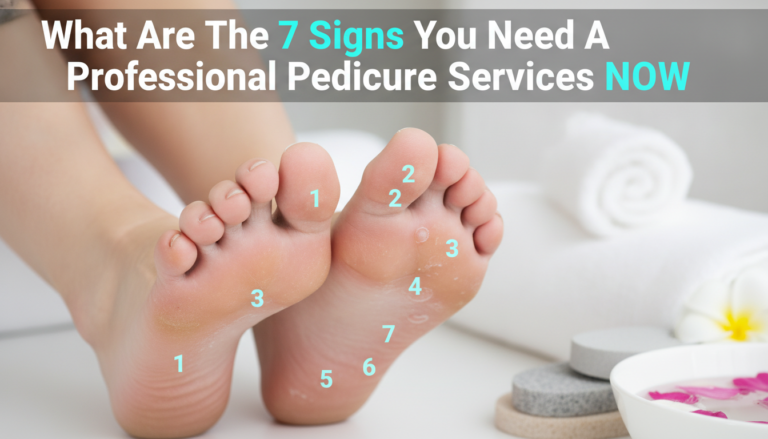 What Are The 7 Signs You Need A Professional Pedicure Services Now
 How To Ensure The Longevity Of Your Luxury Pedicure Services
 How To Keep Your Skin Hydrated After Your Facials Services Appointment
 When Should I Get A Specialized Hot Oil Pedicure Services Treatment
 How Our Expert Pedicure Services Help Prevent Foot Infections