

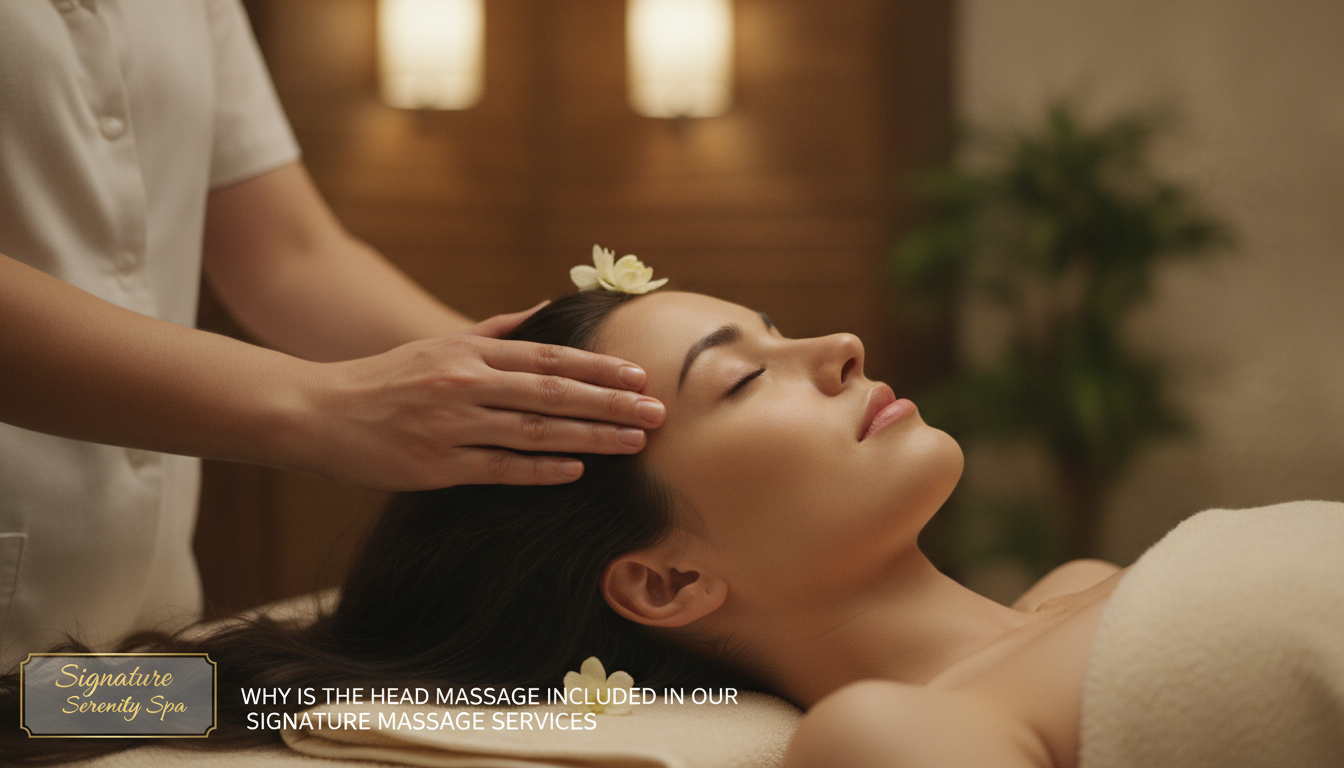
Deep Tissue Massage in Abuja: What to Expect and Why It Works
A deep tissue massage targets the deeper layers of muscle and connective tissue using sustained, deliberate pressure and slow strokes to release chronic tension, break down adhesions, and restore full range of motion. It is particularly effective for persistent muscular tightness in the neck, shoulders, lower back, and legs — the exact areas where Abuja professionals carry the most stress. At Luxor Salon and Spa, the session begins with a consultation that establishes your pain points, medical history, and pressure tolerance before a single stroke is applied.
Why Abuja Life Creates the Kind of Tension Deep Tissue Massage Addresses
Anyone who drives the Kubwa Expressway into the city on a Monday morning, or sits through an Airport Road crawl on a Friday evening, knows what that kind of sustained tension does to the shoulders and lower back. You arrive at your desk already braced, and you leave eight or nine hours later the same way. Multiply that by weeks and months, and the muscles stop releasing on their own — they simply contract and stay there.
Civil servants, diplomats, NGO staff, and business owners in Abuja‘s commercial corridors tend to share similar patterns: long hours at desks or in meeting rooms, unpredictable schedules that make consistent self-care difficult, and the particular physical toll of a city that demands a car for almost everything. The result is what therapists call chronic holding — not an injury exactly, but a state of muscular bracing the body has mistaken for normal.
Add the harmattan season, which runs roughly from November into February. As Saharan dust sweeps through and humidity drops sharply, muscles and fascia — the connective tissue surrounding them — can feel tighter and less pliable. Clients who barely noticed tension in June often describe a noticeable stiffness by December. This is also when headaches from neck tension become more frequent and when the combination of cold, dry air and physical rigidity tends to compound everything.
What Actually Happens During a Deep Tissue Massage Session
The Consultation
Before the session begins, your therapist will ask about specific areas of discomfort, any medical conditions — including hypertension, blood clots, recent surgery, or skin conditions — and your experience with deep pressure work. This is not a formality. Deep tissue massage is contraindicated in certain circumstances, and a responsible therapist will identify these before you lie down. If you have a condition that goes beyond muscular tension — numbness, radiating pain, or unexplained swelling — you will be advised to see a physician first, and rightly so.
Pressure preference is also established here. Deep tissue does not mean brutal. The therapeutic pressure is firm and targeted, not an endurance test. Your therapist will check in during the session and adjust as needed — good communication between client and therapist is part of what makes the work effective rather than merely uncomfortable.
The Treatment Itself
The session typically begins with lighter effleurage strokes to warm the surface tissue and prepare the muscles for deeper work. Once the tissue is receptive, the therapist moves into slower, more deliberate strokes using knuckles, forearms, and thumbs to reach deeper muscle layers. Areas of particular tightness — trigger points, or knots — receive sustained pressure until the tissue releases.
You may feel mild discomfort when pressure is applied to a tense area; this is normal and should feel like productive pressure rather than sharp pain. If at any point the sensation crosses into genuine pain, tell your therapist immediately. The distinction matters because working through actual pain can cause the muscle to contract further, which is counterproductive.
Common focus areas for Abuja clients include:
- Upper trapezius and neck — from hours of desk work, phone use, and the sustained vigilance of driving in heavy traffic
- Lower back and glutes — from long periods of sitting and postural imbalance
- Shoulders and chest — from the forward-rounding posture that develops at a keyboard
- Calves and hamstrings — particularly if you spend much of the day on your feet or are recovering from a demanding social season, including an owambe weekend with hours of standing and dancing
After the Session
It is normal to feel mild soreness in the treated areas for one to two days after a deep tissue session, especially if it is your first or if the tension was long-standing. This is the muscle tissue responding to the work, not an injury. Staying well hydrated before and after the session helps the body process the metabolic waste that is released when muscles release.
A Realistic Timeline for Seeing Results
One session is genuinely useful — most people feel a noticeable reduction in tightness immediately — but chronic tension rarely resolves in a single appointment. Here is a realistic progression for someone dealing with persistent muscular tightness:
- First session: Establishes a baseline. Your therapist identifies the key areas of restriction and begins working through the superficial layers. You will likely feel lighter and more mobile within twenty-four hours, though some soreness is normal in the first day or two.
- Weeks two to four (second and third sessions): Deeper layers of tissue become more accessible as surface tension decreases. Progress is typically faster from the second session because the body has already begun to adapt. Many clients notice that their posture shifts naturally between appointments.
- Four to six weeks (maintenance phase): For most people managing the demands of Abuja’s professional life, a session every four to six weeks maintains the gains and prevents the re-accumulation of deep tension. This interval can be adjusted based on how physical your work is and how well your body holds between sessions.
- Ongoing: Some clients find that seasonal changes — particularly the onset of harmattan — call for additional sessions. The shift in temperature and humidity affects how the body holds tension, and a targeted session in late November can make a significant difference in how you feel through the dry months.
If you are ready to schedule your first session or work out a maintenance plan, you can book online at either branch — Maitama or Wuse 2 — at any hour that suits you.
Who Benefits Most — and Who Should Pause
Ideal Candidates
Deep tissue massage tends to deliver the clearest results for people dealing with chronic muscular tension, postural problems from desk work or long commutes, sports-related muscle fatigue, and the physical residue of sustained stress. It is also beneficial in the recovery window after a demanding social season — the Christmas and Sallah peaks in Abuja bring a particular combination of social commitments, disrupted sleep, and physical fatigue that this kind of work addresses directly.
When to Wait or Seek Medical Advice First
There are circumstances where deep tissue massage should not proceed without medical clearance. These include uncontrolled high blood pressure, active blood clots or a recent diagnosis of deep vein thrombosis, open wounds or active skin infections, recent surgery, pregnancy (particularly in the first trimester without specialist guidance), and certain inflammatory conditions during a flare. Luxor’s therapists are trained to conduct a thorough intake before every session. If there is any uncertainty about whether the treatment is appropriate for your situation, the honest answer is to consult your doctor first — a responsible salon will always support that decision.
A Scenario: The Wednesday Night Appointment After a Long Week
It is 9:30 in the evening. You have come from a full day at an FCT ministry, sat through two hours of AYA corridor traffic, and have an early meeting tomorrow that you cannot be late for. You have been carrying a knot in your right shoulder since October and have been telling yourself you will address it when things calm down — but they have not.
You arrive at the Maitama branch. Because Luxor operates around the clock, a 10pm appointment is not an exception — it is just an appointment. The consultation takes a few minutes. Your therapist confirms the shoulder restriction, notes some associated tightness in the neck and upper back, and explains what the session will involve. Ninety minutes later, the knot that has been there since October has started — genuinely started — to release. You are home by midnight and sleep better than you have in weeks. The follow-up is already in your calendar for three weeks out.
This is what 24/7 hours actually mean in a city like Abuja. It is not a marketing detail. It is the difference between a treatment that fits into your life and one that keeps getting postponed.
Frequently Asked Questions
Which Luxor branch should I visit for a deep tissue massage?
Both branches — Maitama on Usuma Street off Gana Street, and Wuse 2 on Adetokunbo Ademola Crescent — offer the full range of massage therapies. The practical answer is whichever is closer to where you are coming from. If you work or live on the northern side of the city, Maitama makes more sense. If you are near the commercial hub or travelling from the Wuse axis, the Wuse 2 branch is the better choice. Both are open 24 hours, seven days a week.
Do I need to book in advance, or can I walk in?
Booking ahead is strongly recommended, particularly for Saturday appointments and during peak periods like December, Sallah weekends, and pre-wedding seasons when demand at both branches is high. The safest way to secure your preferred time is to schedule your appointment online as early as possible. Walk-ins are accommodated when space allows, but cannot be guaranteed at busy times.
How is deep tissue massage different from a regular relaxation massage?
A relaxation or Swedish massage uses lighter, flowing strokes focused on general tension relief and circulation. Deep tissue massage uses slower, more targeted pressure to work through layers of muscle and fascia, specifically addressing chronic tightness, adhesions, and postural restriction. The experience is more intense, and some mild post-session soreness in treated areas is normal — something that rarely happens after a relaxation massage.
How often should I come in for deep tissue massage during harmattan?
During harmattan — roughly November through February — many clients find that their muscular tension increases alongside the dryness and cold. If you are already on a monthly maintenance schedule, you may want to move to every three weeks during this period. If you are coming in for the first time in December, your therapist will assess the level of restriction and recommend a follow-up interval based on what they find.
Is deep tissue massage suitable if I have high blood pressure?
This depends on whether the condition is controlled and stable. Controlled hypertension is generally not a contraindication for massage, but uncontrolled or severe hypertension is — deep pressure work can temporarily affect circulation, and proceeding without medical clearance is not appropriate. Always disclose this during the consultation. If there is any doubt, your therapist will recommend you confirm with your doctor before the session proceeds.
The Honest Summary
Deep tissue massage is one of the most clinically supported forms of manual therapy for chronic muscular tension and postural pain — and for the particular demands of Abuja professional life, it earns that reputation. The results are real, but they are also cumulative. One session starts the process; consistent sessions maintain it. Understanding what the treatment involves, being honest during the consultation, and committing to a realistic follow-up schedule are what make the difference between temporary relief and lasting change.
Both Luxor branches are open around the clock, which means early mornings before a meeting, late evenings after an event, and any point in between are all genuinely available — not theoretical options, but bookable appointments. Choose the branch that works for where you are in the city, and come in at a time that actually fits your week.
Book online: book online
Maitama — 56 Usuma Street, Off Gana Street: moc.apsdnanolasroxul@ofni or (+234) 701 888 0102
Wuse 2 — 792b Adetokunbo Ademola Crescent: moc.apsdnanolasroxul@2esuw or (+234) 701 888 0100
Both branches are open 24 hours a day, seven days a week — early, late, or whenever your schedule allows.