

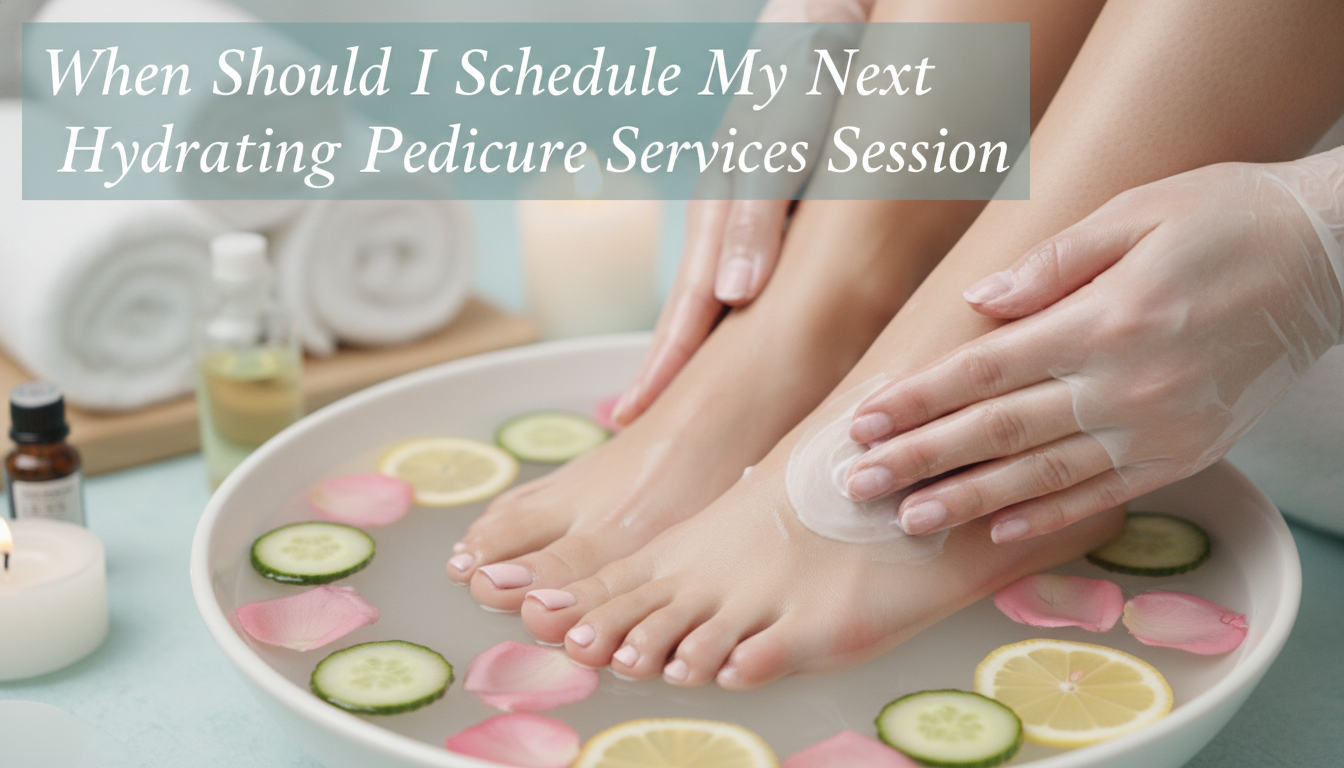
If your feet have been feeling dry, rough, or neglected lately, there’s a good chance you’re overdue for a hydrating pedicure services session. But knowing when to book your next appointment — not just that you need one — makes a real difference in how your feet look and feel over time. This guide breaks down the key signs, seasonal factors, and lifestyle considerations that should shape your scheduling decisions, so you can stop guessing and start planning with confidence.
What Makes a Hydrating Pedicure Different From a Regular One?
A standard pedicure covers the basics: nail trimming, shaping, cuticle care, and a quick foot massage. A hydrating pedicure goes several steps further. It typically includes deep moisture treatments — think warm paraffin wax soaks, intensive foot masks, and nourishing serums applied to the heels and soles.
The goal is to restore moisture at a deeper level, not just buff the surface. For people dealing with cracked heels, calluses, or chronically dry skin, this distinction matters enormously. You’re not just getting a cosmetic treatment — you’re actively rehabilitating the skin barrier on your feet.
At Luxor Salon and Spa, which has been operating since 2013, hydrating pedicure treatments use certified organic and cruelty-free products, many with locally sourced ingredients. That means what goes on your skin is clean, traceable, and far more effective than the generic formulas you’d find at a walk-in nail bar.
How Often Should You Schedule Hydrating Pedicure Services?
There’s no universal answer — it depends on your skin type, daily routine, and the time of year. That said, industry professionals generally recommend a hydrating pedicure every three to four weeks for most people. This timeframe aligns with the natural skin cell renewal cycle, which is approximately 28 to 30 days in healthy adults.
For Everyday Maintenance
If you’re someone who wears open-toed shoes regularly, walks long distances, or spends a lot of time on your feet, monthly sessions are a smart baseline. Friction and exposure accelerate moisture loss faster than most people realise.
A four-week cycle keeps calluses from building up, prevents heel cracks from deepening, and ensures your feet are always presentation-ready — whether you’re heading into a boardroom or slipping on sandals at the weekend.
For Severely Dry or Damaged Skin
If your heels are already cracked or your skin is peeling, you might benefit from bi-weekly sessions for the first month or two. Think of it as a corrective phase before moving into a maintenance rhythm. Once the skin has been restored, you can scale back to monthly visits.
For Minimal Foot Exposure
If you primarily wear closed shoes, work from home, or live a relatively sedentary lifestyle, you might be fine extending sessions to every five or six weeks. Even so, skipping beyond the six-week mark often allows moisture levels to drop noticeably, especially if you’re not applying a good foot cream daily.
Abuja’s Seasons and Your Feet: Why Timing Really Matters Here
Living in the FCT means your skin is exposed to some genuinely harsh environmental conditions throughout the year — and your feet absorb the brunt of it.
Harmattan Season (November to February)
Harmattan in Abuja is particularly unforgiving on skin. The dry, dusty winds strip moisture from the skin’s surface rapidly, leaving heels cracked, soles rough, and cuticles ragged. During these months, the standard three-to-four-week schedule often isn’t enough.
Many experienced therapists recommend bumping hydrating pedicure sessions to every two to three weeks during peak harmattan. The combination of dust exposure, low humidity, and the tendency to wear covered shoes (which can cause sweating and friction) creates a perfect storm for foot dryness.
Rainy Season (April to October)
The wet season brings its own challenges. Walking through puddles, wearing wet sandals, and the general humidity can actually lead to softened but weakened skin — making it more prone to cracking when dryness eventually returns. A monthly hydrating pedicure during this period helps keep the skin’s protective barrier intact.
The transition periods — October into November and February into March — are often when people notice the most dramatic change in their skin. These are good times to schedule a session proactively, before the damage sets in rather than after.
Life Events That Should Trigger a Booking
Beyond the calendar, certain events and milestones are reliable signals that it’s time to schedule your next hydrating pedicure services appointment.
- Upcoming weddings or celebrations: Abuja has a vibrant social calendar — aso-ebi culture, owambe events, and formal weddings are a regular part of life in the FCT. If you’re attending or in the wedding party, your feet need to match the outfit. Book at least five to seven days before the event so your skin has time to settle and look its best.
- Before a beach trip or holiday: Open water, sand, and sun are a triple threat to foot moisture. A hydrating pedicure the week before travel sets your feet up to handle the exposure far better.
- After a particularly stressful period: Long work weeks, back-to-back meetings, and the stress of city traffic take a physical toll. A pedicure session isn’t just cosmetic — the massage component genuinely helps reduce tension and improve circulation.
- Before or after pregnancy: Hormonal changes during pregnancy affect skin moisture levels significantly. Postpartum, many women find their skin — including on their feet — needs extra attention to recover.
Signs Your Feet Are Telling You to Book Now
Sometimes your body gives you the answer before you even check the calendar. Here are the most common signs it’s time to stop waiting:
- Heels that catch on socks or bedsheets
- Visible cracking around the heel edges
- Skin that looks dull, grey, or flaky
- Cuticles that are rough, peeling, or overgrown
- Persistent tightness or discomfort in the soles after walking
- A general feeling that your feet look older than they should
Any one of these is enough reason to make a booking. More than two? Don’t wait — the longer damaged skin is left untreated, the more corrective work it takes to reverse.
The Busy Professional’s Scheduling Strategy
Abuja is a city of driven, time-pressed people. Government officials, corporate executives, entrepreneurs, and consultants often find personal care appointments slipping through the cracks of packed schedules. The solution isn’t to skip — it’s to build the appointment into your routine as a non-negotiable.
One practical approach: book your next session before you leave your current one. Most salons will hold a standing appointment if asked — Luxor Salon and Spa operates 24/7 across both branches, which means you’re not limited to conventional business hours. An early morning session before work or a late evening appointment after a long day is entirely possible.
Pairing your pedicure with another regular service — a manicure, a facial, or a massage — also helps consolidate your self-care time without eating into your weekly schedule. Many clients find that treating it as a combined appointment once a month is far easier to maintain than trying to schedule multiple single-service visits.
How to Maintain Results Between Sessions
Getting a hydrating pedicure every three to four weeks is ideal, but what you do between appointments determines how well those results last.
Daily Moisturising
Apply a rich foot cream every night before bed — ideally with ingredients like shea butter, urea, or glycerin. Covering your feet with cotton socks after application significantly improves absorption. This single habit can extend the freshness of a hydrating pedicure by one to two additional weeks.
Exfoliation at Home
A gentle pumice stone or foot file used once or twice a week keeps dead skin from accumulating between professional sessions. Don’t overdo it — excessive exfoliation damages the skin barrier and actually makes dryness worse.
Watch Your Footwear
Shoes that don’t fit well, lack cushioning, or cause friction are the single biggest enemy of foot health. If you’re spending long hours in heels or poorly fitted flats, your pedicure results will fade faster. This is especially relevant in Abuja, where many professionals are on their feet throughout long event days or formal functions.
Frequently Asked Questions
How long does a hydrating pedicure session typically take?
Most hydrating pedicure sessions run between 60 and 90 minutes, depending on the specific treatment and any add-ons included. If you’re combining it with other services, plan for up to two hours. It’s worth arriving a few minutes early to fill in any intake details and get settled.
Is a hydrating pedicure worth it if I keep my feet covered most of the time?
Absolutely. The health of your foot skin isn’t just about appearance — cracked heels and dry soles can become painful and even prone to infection if left untreated. A hydrating pedicure also improves circulation through the massage component, which benefits your overall wellbeing regardless of whether your feet are on display.
Can I get a hydrating pedicure if I have very sensitive skin or a condition like eczema?
In most cases, yes — but it’s important to flag your condition when booking so your therapist can tailor the products used. At Luxor Salon and Spa, treatments use certified organic and cruelty-free formulas, which tend to be gentler and less likely to trigger reactions than synthetic alternatives. When in doubt, a quick consultation call before your appointment is always a good idea.
Which Luxor branch should I visit, and do I need to book in advance?
Both branches offer the full range of hydrating pedicure services, so the best choice is simply whichever is more convenient for you. The Maitama branch is located at 56 Usuma Street, Off Gana Street — ideal if you’re in or around that axis. The Wuse 2 branch is at 792b Adetokunbo Ademola Crescent, right in the commercial heart of the city. Booking in advance is recommended, particularly for weekend slots or when you’re combining multiple services, but both branches operate 24/7 if you need same-day flexibility.
How soon after a pedicure can I wear nail polish or closed shoes?
For nail polish, most therapists recommend waiting at least one to two hours before applying anything over a fresh coat. For closed shoes, it’s best to wait at least 30 to 60 minutes to allow any topical treatments to fully absorb. Rushing this step can undo some of the moisture work done during the session.
Bringing It All Together: Building a Schedule That Works for You
The right frequency for hydrating pedicure services isn’t a fixed rule — it’s a response to your skin, your environment, and your lifestyle. For most people in Abuja, that means roughly once every three to four weeks, with adjustments during harmattan, ahead of major events, or when your feet are showing visible signs of stress. The key is consistency over perfection: a regular schedule, even if imperfect, will always outperform sporadic appointments.
Your feet carry you through everything — every commute, every event, every long day at the office. Giving them proper, professional care on a consistent basis isn’t an indulgence. It’s smart, practical maintenance. And with the right salon, the right products, and a schedule that actually fits your life, it’s genuinely one of the most enjoyable parts of your self-care routine.
Ready to book your next session or have a question about which treatment is right for you? Reach the Maitama branch at moc.apsdnanolasroxul@ofni or (+234) 701 888 0102, or the Wuse 2 branch at moc.apsdnanolasroxul@2esuw or (+234) 701 888 0100. Both branches are open 24/7, so there’s always a good time to get in touch. You can also book online if you’d prefer to lock in your appointment right now — it only takes a minute, and your feet will thank you for it.
Luxor Spa Salon | Best Spa & Wellness Center in Abuja Home
Related Posts
 When Should I Schedule My Next Swedish Massage Services Session
 Why Our Pedicure Services Focus On Hygiene And Safety First
 Which Pedicure Services Is Best For Athletes And Runners
 Which Pedicure Services Includes A Luxurious Calf Massage
 When To Schedule A Detoxifying Body Wrap And Massage Services
 What Are The Key Ingredients In Our Best Selling Hydrating Facials Services
 7 Ways To Maintain Soft Smooth Feet After Your Pedicure Services
 7 Benefits Of Adding Paraffin Wax To Your Pedicure Services