

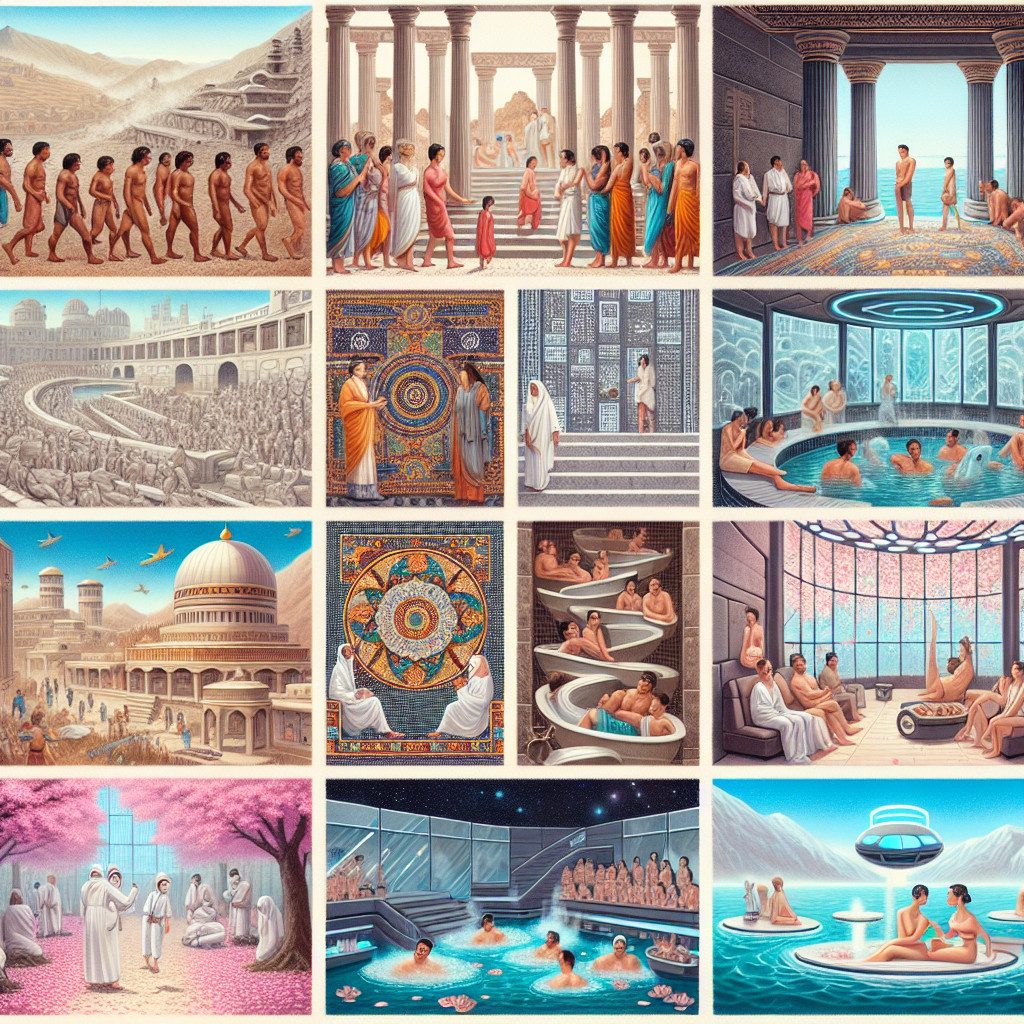
Throughout history, the allure of water as a source of healing and rejuvenation has captivated civilizations across the globe. From the ancient baths of Rome to the mineral springs of Japan, spa culture has thrived in various forms, each reflecting the unique values, beliefs, and practices of the societies that fostered them. Delving into the origins of spa culture reveals not only the therapeutic benefits of water but also the cultural significance it held for different communities.
Ancient Civilizations and the Origins of Spa Culture
Mesopotamia: The Cradle of Civilization
The earliest recorded use of bathing for health purposes can be traced back to ancient Mesopotamia around 3000 BCE. The Sumerians constructed elaborate bathhouses that incorporated water for both hygiene and ritualistic practices. They believed in the purifying qualities of water and often associated it with divine deities. The concept of "sacred waters" laid the groundwork for future spa cultures, with a focus on spiritual cleansing and rejuvenation.
Egyptian Innovations: Therapeutic Waters
In ancient Egypt, water took center stage in healing practices. The Egyptians recognized the therapeutic properties of the Nile River and used its water for cleansing and healing rituals. They were pioneers in creating steam baths and hot springs, believing that warmth and moisture could soothe ailments. The Temple of Karnak even featured pools believed to have divine curative powers, emphasizing the deep-rooted belief in the sanctity of water as a healing element.
Greece: Birthplace of Medical Spa Culture
The ancient Greeks significantly advanced the spa culture, emphasizing the connection between physical and mental well-being. They built public bathhouses known as "thermae," where citizens could immerse themselves in hot, cold, and tepid waters. Renowned physicians like Hippocrates advocated for the therapeutic benefits of bathing, leading to a greater acceptance of spa treatments as essential for health. The Greeks also introduced massage and herbal remedies, further integrating wellness practices into their spa culture.
Rome: The Apex of Spa Culture
The Romans took the concept of bathing to unprecedented heights. Their grand bath complexes, known as "thermae," became social and cultural hubs, featuring not only various types of baths but also libraries, gardens, and exercise areas. The Romans understood the importance of cleanliness and recreation, believing that a balance of body, mind, and spirit could be achieved through communal bathing experiences. The significant architectural advancements and engineering feats of the Romans made their spas easily accessible, contributing to widespread popularity.
Eastern Traditions: A Different Understanding of Wellness
Japanese Onsen: Nature’s Embrace
In Japan, the tradition of onsen—hot springs derived from geothermal activity—dates back thousands of years. The Japanese view these natural springs as sacred, with a cultural ethos emphasizing harmony between nature and humanity. Onsen bathing is more than a mere recreational activity; it is an integral part of Japanese culture that promotes relaxation and rejuvenation. The ritualistic aspects of onsen bathing, including washing before entering and communal bathing etiquette, highlight a deep respect for shared experiences and tranquility.
Traditional Chinese Medicine: Yin and Yang
In China, the practice of using water for therapeutic purposes intertwines with Traditional Chinese Medicine (TCM). Hot springs, known as "wenquan," have been utilized for centuries. The Chinese believed in the balance of Yin and Yang and often combined bathing with herbal treatments, acupuncture, and dietary adjustments. Bathing in mineral-rich hot springs was thought to nurture the body’s vital energy (Qi), promoting healing and overall wellness.
The Evolution of Spa Culture in Modern Times
The allure of spa culture has continued to evolve, merging ancient practices with contemporary wellness trends. The 19th and early 20th centuries saw the rise of spa resorts in Europe and the United States, where affluent individuals sought the revitalizing properties of mineral waters for therapeutic and indulgent experiences. The modern spa movement champions holistic approaches to health, integrating massage, aromatherapy, and meditation.
Today’s spas often offer luxurious environments and state-of-the-art wellness treatments, yet they still draw heavily from historical practices. The resurgence of interest in natural remedies and self-care reflects society’s ongoing recognition of the therapeutic value of water and the age-old customs surrounding it.
Conclusion
The enduring legacy of spa culture attests to the universal human desire for healing, relaxation, and connection to nature. Tracing the origins of spa culture across ancient civilizations reveals a tapestry of beliefs and practices that reflect the profound role water has played in health and well-being. As we immerse ourselves in the soothing embrace of healing waters today, we participate in a timeless tradition that spans millennia—a testament to humanity’s ceaseless pursuit of wellness and balance.