
A History of Healing: How Spa Culture Shaped Wellness Practices Across the Ages
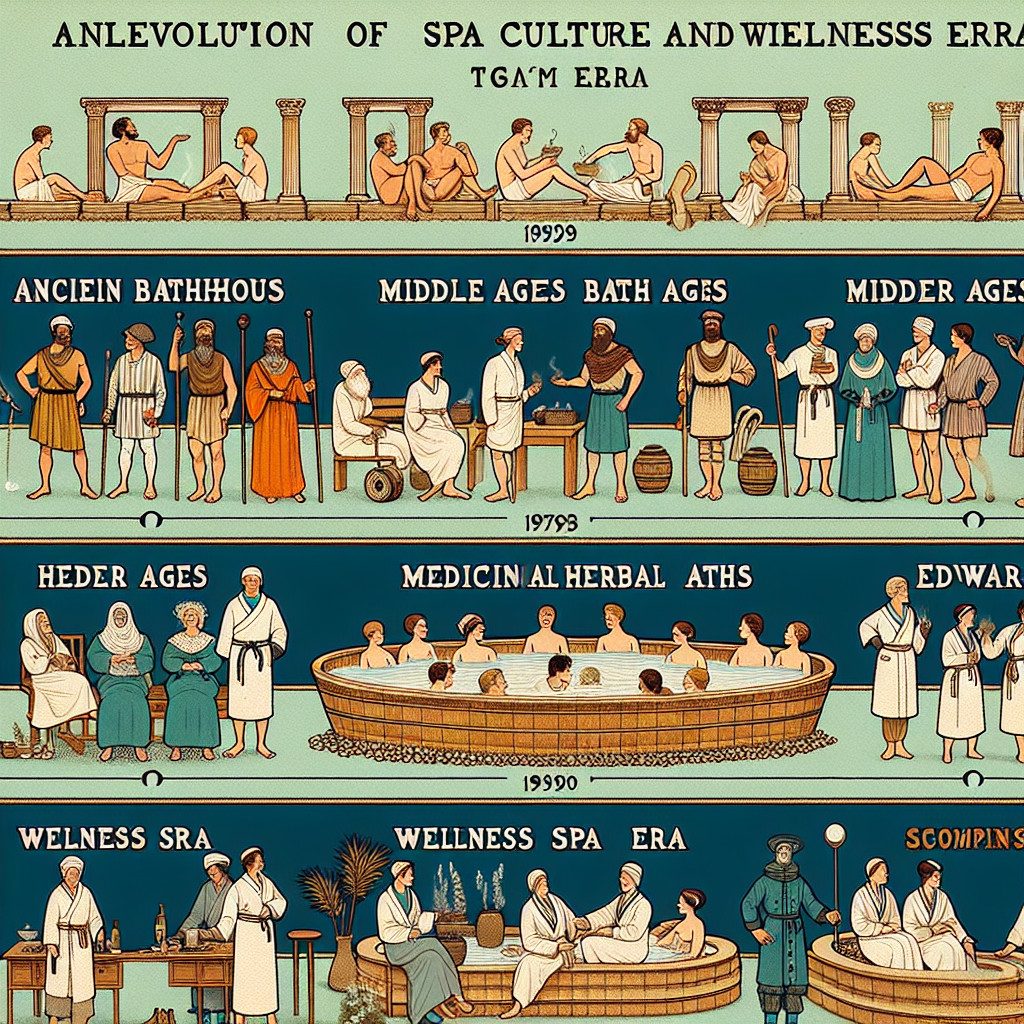
Throughout human history, the quest for wellness has been a fundamental aspect of societies across the globe. From ancient civilizations to modern spas, the cultural practices surrounding health and healing have transformed, reflecting societal values, technological advancements, and an evolving understanding of the human body and mind. The concept of spas—places dedicated to healing and rejuvenation—plays a pivotal role in the narrative of wellness practices. This article explores the rich history of spa culture and its influence on contemporary wellness practices.
Ancient Origins: Healing Waters
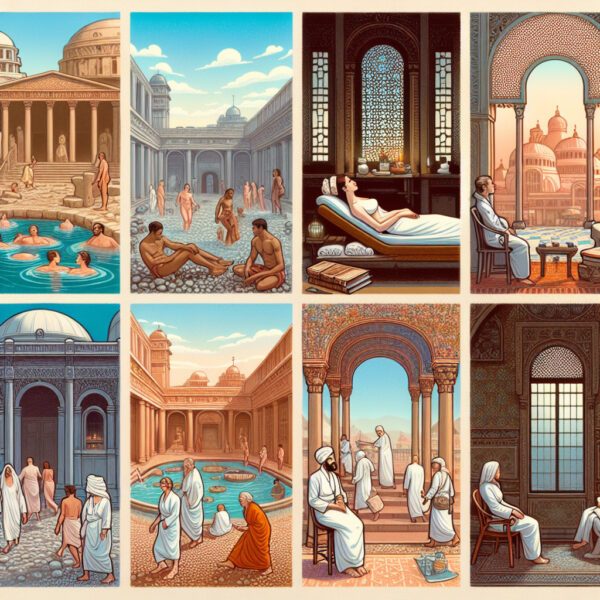
The history of spas can be traced back to ancient civilizations, where thermal springs and mineral waters were revered for their therapeutic properties. Evidence of this can be found in both ancient Egypt and Mesopotamia, where they organized medicinal baths. For the Egyptians, natural springs were part of their deities’ gifts, and bathing was both a religious and health-focused ritual. Similarly, in Mesopotamia, public baths supplemented the growing urbanization of cities, providing citizens with a communal space for self-care and social engagement.
The Hellenistic Era: Philosophy Meets Healing
The ancient Greeks further advanced the concept of spa culture, merging physical wellness with philosophical inquiry. They established a system of gymnasiums and bathhouses that were not only places for bathing but also centers for learning and community interaction. Bathing was linked with the ideals of physical beauty and health advocated by philosophers like Hippocrates, who promoted exercise and diet alongside the use of mineral baths. The Romans later adopted these practices, creating grand public baths featuring elaborate architecture—such as the Baths of Caracalla—where citizens gathered for social interaction, relaxation, and healing. This sociocultural infusion of spa practices emphasized wellness as both a physical and communal experience.
The Middle Ages: A Shift in Focus
As Europe transitioned into the Middle Ages, the rise of Christianity shifted the perception of bathing. Bathing became associated with moral decay and the body was seen as sinful. However, the use of spas persisted, particularly in healing centers that catered to the sick. The medieval spa became an important institution for treating ailments, largely due to the belief in the restorative powers of specific mineral waters. Monasteries often integrated bathing practices, which served both therapeutic and spiritual purposes, emphasizing the connection between body and soul in the process of healing.
The Renaissance and the Rebirth of Bathing Culture
The Renaissance marked a revival of interest in the human body, art, and the sciences, leading to a renewed appreciation for spa culture. Individuals, including artists, scholars, and nobles, flocked to spas for leisure and wellness, heralding a shift towards a more secular understanding of health. Spas like Baden-Baden in Germany and Bath in England became fashionable retreats, focusing on the luxury of wellness and the aesthetic pleasures of bathing. The publication of writings on hydrotherapy from influential figures, such as Dutch physician Johann W. W. van Eijk, further solidified the role of spas as essential for achieving both physical and mental wellness.
The Industrial Revolution: Accessibility of Wellness
With the Industrial Revolution in the 18th and 19th centuries came increased urbanization and a growing awareness of the detrimental effects of lifestyle on health. Spas evolved into popular holiday destinations, marketed not just for their therapeutic waters but as escapes from the hustle and bustle of modern life. Newspapers and travel guides of the day extolled the virtues of spa towns like Vichy and Royal Tunbridge Wells, making the concept of wellness accessible to a broader population. The rise of the middle class resulted in a democratization of spa culture, where health became an attainable pursuit.
20th Century: The Birth of Modern Wellness Culture
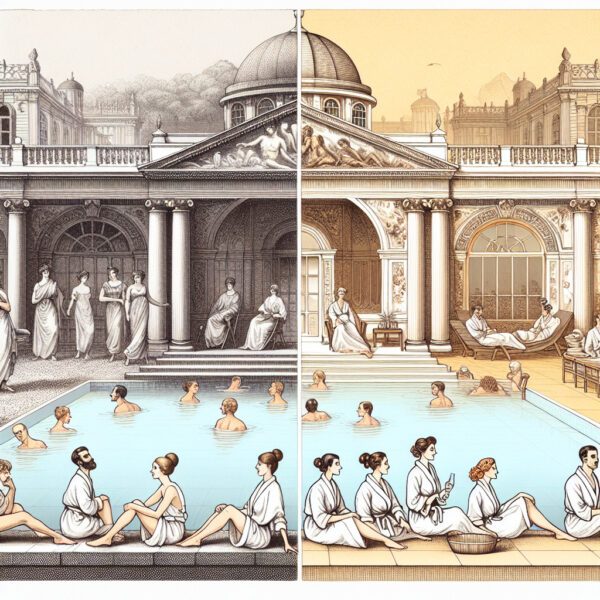
As the 20th century unfolded, the connection between mind and body gained traction in wellness discussions, giving rise to holistic health practices. Spas began to diversify their offerings, incorporating massages, aromatherapy, and various relaxation techniques. The wellness movement of the late 20th century fostered a return to natural therapies, shaped by ideas from Eastern traditions such as yoga and meditation. Spas positioned themselves as places of rejuvenation, relaxation, and mental clarity, leading to contemporary notions of wellness that prioritize balance and mindfulness.
Contemporary Spa Culture: A Global Phenomenon
Today, spa culture is a global phenomenon, continually evolving with innovations in wellness practices. Modern spas incorporate advanced technologies—such as sound therapy, flotation tanks, and personalized wellness coaching—while still embracing ancient traditions. They serve not only as retreat centers but also as platforms for education on health and wellness, often advocating sustainable practices and holistic living.
Conclusion: The Timeless Journey of Healing
The journey of spa culture reflects humanity’s enduring quest for wellness across the ages. From the mineral baths of ancient Romans to today’s wellness retreats, the evolution of healing practices encapsulates the ideals of each era. In embracing both historical and contemporary elements of spa culture, we glean insights into our ongoing search for balance, health, and rejuvenation—reminding us that the quest for well-being is as relevant today as it was centuries ago. Whether seeking solitude in a quiet spa or sharing experiences in a vibrant wellness community, the spirit of healing endures, inviting us all to partake in this timeless journey.
Luxor Spa Salon | Best Spa & Wellness Center in Abuja Home