
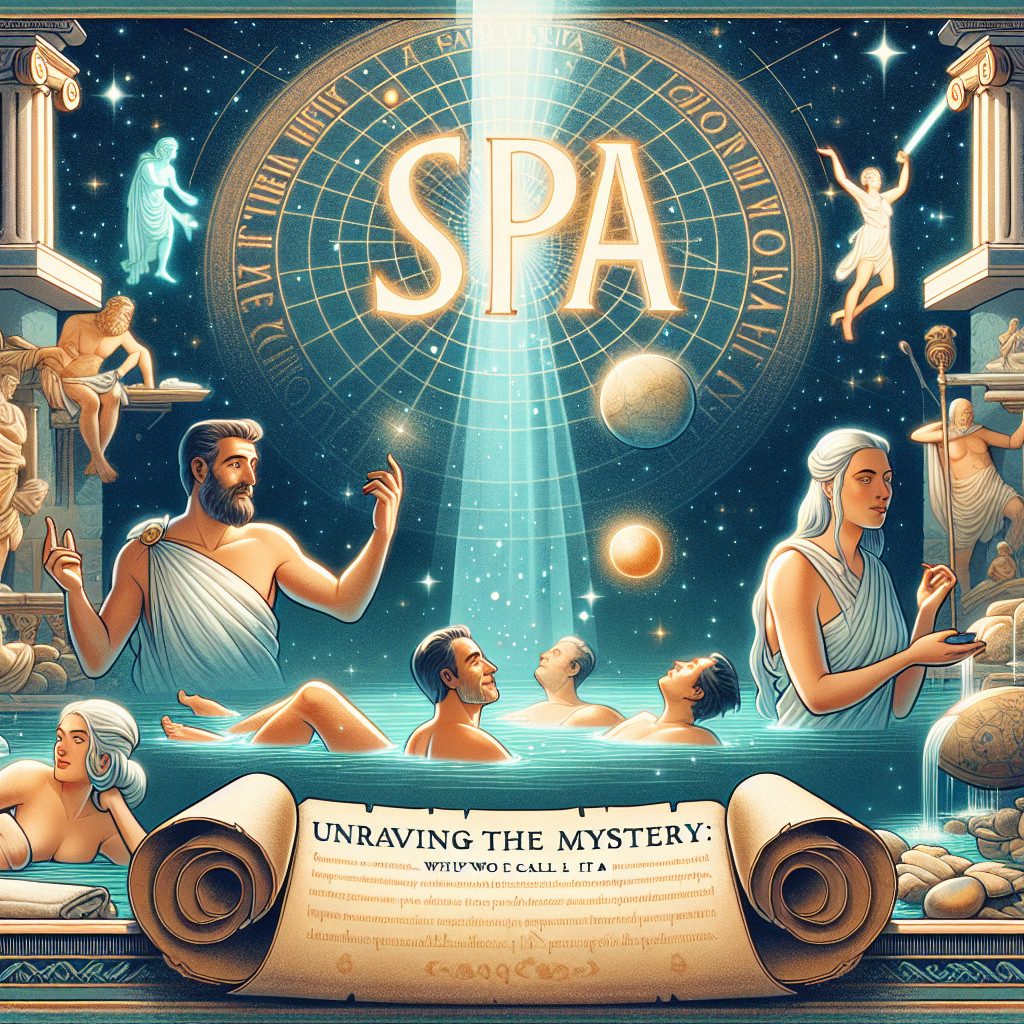
Unraveling the Mystery: Why Do We Call It a Spa?
The word "spa" evokes images of tranquility, relaxation, and rejuvenation. Whether it’s a lavish resort offering a range of treatments, a local wellness center, or simply a hot springs retreat, the term has become synonymous with self-care and healing. But have you ever stopped to wonder why we call it a spa? The etymology of the term is as fascinating as the first dip in a mineral-rich bath, filled with historical significance and cultural nuances.
Origins of the Term
The word "spa" is believed to have originated from the name of a Belgian town called Spa, renowned for its mineral springs in the 16th century. This town became a popular destination for European aristocrats seeking therapeutic treatments. The mineral-rich waters of Spa were thought to cure ailments, rejuvenate the body, and enhance overall well-being. As word spread about its restorative properties, the reputation of Spa became an archetype for wellness and relaxation, cementing its place in various languages.
In addition to the location-based origin, some researchers suggest that "spa" might derive from the Latin phrase "salus per aquam," meaning "health through water." This further underlines the ancient philosophy that water—whether through bathing, drinking, or even just being in its vicinity—has extraordinary healing properties.
Cultural Significance of Spas Throughout History
The use of spas can be traced back thousands of years to the ancient civilizations of China, Greece, and Rome. In ancient Greece, thermal baths served both as a social hub and a healing environment. The Romans advanced this concept with large public baths, which included steam rooms, saunas, and cold plunges, turning bathing into a cultural event.
In the East, places like Japan have long recognized the therapeutic benefits of hot springs, or “onsen.” These natural thermal baths have played an integral role in Japanese culture, promoting health and serving as a retreat from the fast-paced urban life. As cultures exchanged ideas and practices over the centuries, the principle of using water for health and wellness garnered widespread acceptance.
Evolution of the Modern Spa
The traditional concept of the spa has evolved significantly over time. In the 20th century, as self-care and wellness became more mainstream, the spa industry experienced exponential growth. Modern spas often extend beyond water treatments to include a wide array of services such as massage therapy, facials, aromatherapy, and holistic wellness programs.
The term "spa" has further diversified into subcategories: day spas, medical spas, resort spas, and destination spas, each catering to unique experiences and clientele. Despite these variations, the core idea of providing a sanctuary for relaxation and healing remains intact.
Why Do We Still Call It a Spa?
So, why do we continue to use the term "spa"? It encapsulates a rich history of wellness traditions and collective cultural practices around the globe. The word itself carries an aura of luxury and self-indulgence that has become an essential part of modern life, particularly in the contexts of stress relief and holistic health.
Moreover, as society places greater emphasis on mental health and self-care amidst the pressures of contemporary life, spas have emerged as vital refuges for individuals seeking respite. The word "spa" has become almost a brand in itself, conjuring images of serenity and care. Its consistent usage signifies an acknowledgment of the healing properties of water and the principle of taking time for oneself.
Conclusion
The mystery behind why we call it a spa intertwines historical, cultural, and social threads that tell the story of humanity’s relationship with wellness and relaxation. From its roots in a Belgian town to modern wellness retreats, the term "spa" encapsulates a universal quest for healing and tranquility.
As we immerse ourselves in the soothing waters or indulge in a rejuvenating treatment, it becomes evident that the legacy of spas, why we call them so, and what they represent continues to thrive, uniting us in the ancient pursuit of health and well-being.
Related Posts
 Beyond Pampering: The True Meaning of SPA Explained
 Unveiling the Essence: What Does ‘SPA’ Really Stand For?
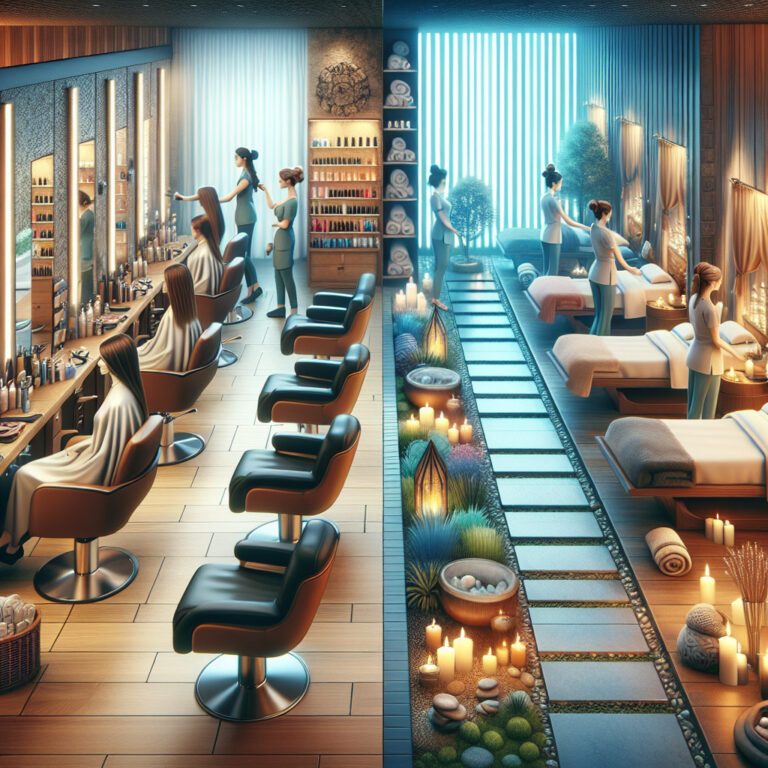 Salon vs. Spa: Unraveling the Beauty Service Dilemma
 Spa vs. Nail Salon: Unraveling the Key Differences for Your Next Pampering Session
 Why Luxor Spa Is Synonymous With Premium Wellness Services In Abuja
 Why Luxor Spa Provides The Most Relaxing Pedicure Services Setting
 Which Relaxation Massage Services Is Ideal For First Timers
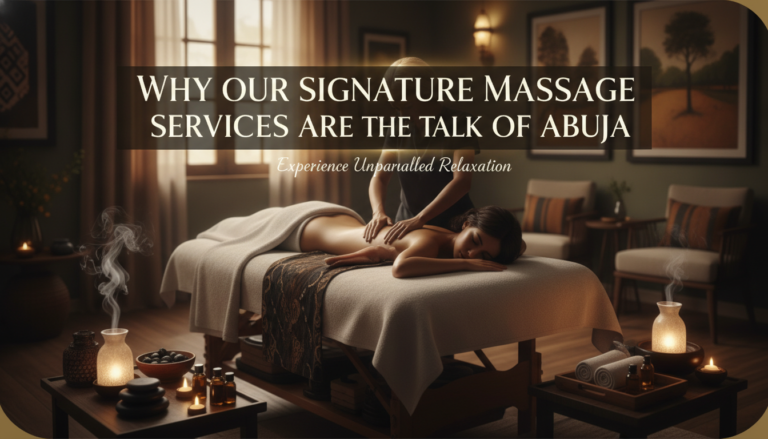 Why Our Signature Massage Services Are The Talk Of Abuja