
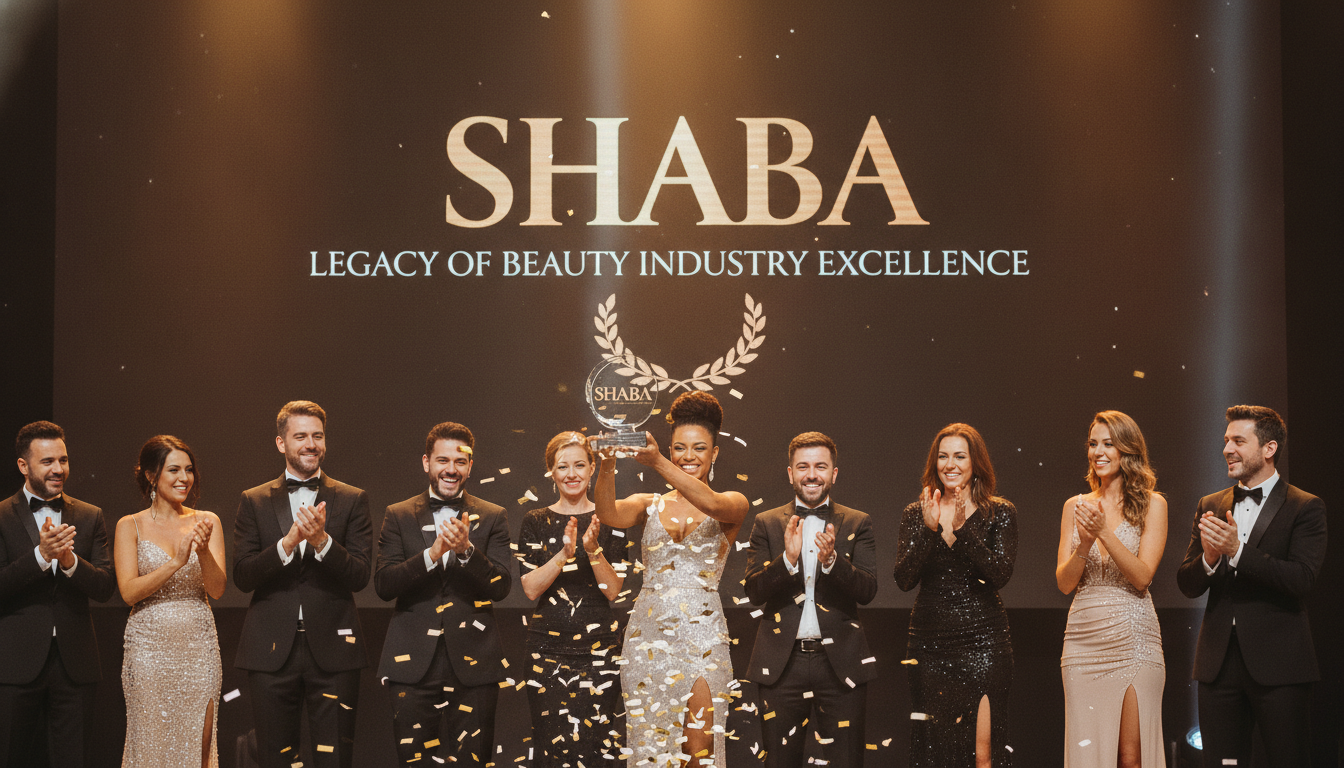
SHABA — the Society of Hair and Beauty Artistes — celebrates a legacy of excellence that has shaped the beauty industry across Nigeria and beyond. At its core, SHABA represents a commitment to professional standards, continuous education, and the elevation of beauty practitioners to the level of skilled artistes. For clients and professionals alike, this legacy means one thing above all else: quality you can trust, delivered by hands that have been trained, tested, and recognised by a body that takes beauty seriously. At Luxor Salon and Spa, Abuja’s premier 24/7 luxury salon and spa with branches in Maitama and Wuse 2, the SHABA standard is not just a credential — it is a living culture embedded into every service offered.
What SHABA Stands For in the Nigerian Beauty Industry
SHABA was established to bring structure, dignity, and professionalism to a beauty industry that had long operated without formal benchmarks. The Society of Hair and Beauty Artistes created a framework through which stylists, therapists, nail technicians, and other beauty professionals could be formally trained, examined, and certified.
This was transformative for Nigeria. Before SHABA, there was no universally recognised body setting the standard for what a qualified beauty professional should know and practise. SHABA changed that conversation permanently.
Recognition That Carries Weight
Earning a SHABA certification is not a formality. It requires candidates to demonstrate technical competence, hygiene protocols, client consultation skills, and an understanding of products used across different services. A SHABA-certified professional has been held to account — and passed.
When you sit in the chair of a SHABA-certified artiste, you are benefiting from that rigour. It matters, particularly in a city like Abuja where clients expect luxury and precision.
The Legacy of Beauty Industry Excellence SHABA Built
SHABA’s legacy is built over decades of advocacy, training, and certification. The society pushed for beauty to be recognised not as a casual trade but as a skilled profession deserving of proper training institutions, structured curricula, and credentialled practitioners.
That legacy is visible today in the quality of beauty services available across Nigeria. Salons that align with SHABA’s standards distinguish themselves by prioritising client safety, using industry-approved products, and committing to ongoing professional development.
Raising the Standard of Salon Practice
One of SHABA’s most enduring contributions is the professionalisation of salon practice. This includes proper client consultations before any treatment, patch testing for chemical services, sanitation of tools between clients, and the ability to identify when a client’s condition requires referral to a medical professional rather than a beauty treatment.
At Luxor Salon and Spa, this standard is embedded into daily operations. Whether a client walks into the Maitama branch or the Wuse 2 location, the consultation process begins before any scissors are lifted or any product is applied.
Education as a Pillar of the SHABA Mission
SHABA has always viewed education as central to its mission. The society has historically provided workshops, masterclasses, and certification programmes to ensure that Nigerian beauty professionals remain current with global trends, techniques, and product developments.
This commitment to education ensures that the legacy is not static. It grows as the industry grows, adapting to new hair textures being celebrated, new skincare sciences emerging, and new tools entering the market.
How the SHABA Standard Shows Up in Salon Services
Understanding SHABA’s legacy helps clients know what to look for — and what to expect — when they choose a certified professional or a salon that upholds SHABA standards.
Hair Services Performed to Standard
A SHABA-trained hair artiste approaches every hair service with a structured method. For relaxer applications, this means conducting a scalp assessment beforehand, timing the process correctly, neutralising thoroughly, and conditioning post-treatment. Skipping steps — which unfortunately happens in less professional settings — can lead to scalp burns, breakage, or long-term damage.
For natural hair services such as protective styling, loc maintenance, or braiding, a SHABA-trained professional understands tension management and scalp health, reducing the risk of traction alopecia that is far too common from improper braiding practices. If you are experiencing hair thinning or scalp irritation, it is important to consult a dermatologist before proceeding with any chemical or high-tension service.
Skincare and Beauty Treatments Done Right
Facial treatments, body treatments, and nail services performed by SHABA-certified professionals follow protocols that prioritise client safety. For facials, this includes a thorough skin analysis, product selection appropriate to skin type, and aftercare guidance the client can follow at home.
In Abuja, where harmattan season brings intensely dry air that strips moisture from skin, and the rainy season brings humidity that can trigger breakouts and fungal issues, proper aftercare advice from a trained professional makes a real difference. A SHABA-certified aesthetician understands these seasonal shifts and adjusts recommendations accordingly.
Hygiene Protocols That Protect Clients
SHABA has always insisted on proper hygiene as a non-negotiable pillar of professional practice. This means sterilising metal tools between every client, using disposable items where appropriate, working from a clean station, and never double-dipping into shared product containers.
These practices protect clients from infections, cross-contamination, and allergic reactions. In a city as socially active as Abuja — where clients attend government events, diplomatic functions, and high-profile social occasions — arriving at a function with an infection from an unhygienic nail or waxing service is simply not acceptable.
The SHABA Celebration and What It Means for Clients
When SHABA celebrates its legacy of beauty industry excellence, it is not simply marking years of existence. It is reaffirming a promise to the Nigerian public that the professionals bearing SHABA certification are worthy of your trust, your time, and your investment.
For clients in Abuja, this celebration is a reminder to ask questions. Ask whether your stylist or therapist has received formal training. Ask what standards the salon upholds. Ask whether products being used on your hair or skin are appropriate for your condition. These are not demanding questions — they are your right as a paying client.
How Often Should You Revisit Professional Beauty Services
Maintaining excellent results from professional beauty treatments requires a consistent schedule. For relaxed hair, touch-ups are generally recommended every six to eight weeks depending on hair growth rate and lifestyle. For facials, once a month is a broadly accepted frequency for maintaining results, though the right interval depends on your skin’s individual needs.
Nail services such as gel or acrylic fills are typically repeated every two to three weeks to maintain structure and appearance. Lash treatments vary in longevity but usually require a maintenance appointment every three to four weeks.
Your SHABA-certified professional should guide you on the right frequency for your specific needs rather than booking you reflexively on a fixed cycle regardless of your hair or skin’s current condition.
Aftercare: The Part That Is Up to You
Even the best in-salon treatment will fade without proper aftercare. SHABA-trained professionals emphasise aftercare as part of the full service rather than an afterthought. For chemically processed hair, this means regular deep conditioning, protective styling between appointments, and minimising heat use.
For facial treatments, aftercare typically involves wearing SPF daily, keeping the skin hydrated, and avoiding harsh products immediately after a treatment session. During Abuja’s dry harmattan months, a heavier moisturiser at night may be necessary to retain the results of a hydrating facial.
If you experience unusual reactions after any salon treatment — persistent redness, itching, swelling, or blistering — stop using all new products and seek advice from a dermatologist promptly. This is not something to self-manage.
Luxor Salon and Spa: Upholding SHABA Excellence in Abuja
Luxor Salon and Spa is committed to the standards that SHABA represents. With two branches operating 24/7 in Maitama and Wuse 2, Luxor serves clients across Abuja’s most prominent districts, offering luxury beauty services delivered by professionals who take their craft seriously.
The 24/7 availability reflects an understanding of how Abuja’s clients live. Whether you need to prepare for an early-morning event, recover your look after a long evening, or simply fit a treatment into an unconventional schedule, Luxor is open and ready.
To schedule your appointment with one of Luxor’s skilled professionals, you can book online at any time that suits you.
Frequently Asked Questions
What does SHABA certification mean for a salon client?
It means the professional serving you has undergone formal training and examination by a recognised beauty industry body. SHABA certification signals that the artiste understands technical skills, hygiene protocols, and client consultation practices to a verified standard.
How do I know if my salon meets SHABA standards?
You can ask the salon directly whether their professionals hold SHABA certification. You can also observe the consultation process — a standard-compliant professional will ask about your hair or skin history before beginning any service. Proper hygiene practices, clean workstations, and professional product use are further indicators.
Can SHABA-certified professionals handle all hair and skin concerns?
SHABA-certified professionals are trained to handle a wide range of beauty services competently. However, medical conditions affecting the scalp, hair, or skin — such as alopecia, psoriasis, severe acne, or dermatitis — fall outside the scope of beauty treatment. A dermatologist should be consulted for these conditions before any salon service is considered.
How often should I book professional beauty services to maintain results?
Frequency depends entirely on the specific service and your individual needs. Relaxer touch-ups, facial treatments, nail maintenance, and lash fills each have their own recommended intervals. Your certified professional is best placed to advise you on the right schedule based on your hair type, skin condition, and lifestyle.
Is Luxor Salon and Spa open for appointments outside standard business hours?
Yes. Both the Maitama and Wuse 2 branches of Luxor Salon and Spa operate 24/7, making it possible to book appointments at any hour to suit your schedule.
Conclusion
The legacy that SHABA has built over decades is one of the most important foundations the Nigerian beauty industry stands on. It represents the difference between beauty as a casual transaction and beauty as a skilled, accountable profession. Celebrating that legacy means more than marking milestones — it means continuing to hold the standard, demand professionalism, and choose beauty experiences that reflect genuine expertise.
At Luxor Salon and Spa, the SHABA standard is lived daily across both Abuja branches. Whether your appointment is for hair, skin, or nail services, you are welcomed by professionals who take their training and your trust seriously. Book online and experience beauty industry excellence for yourself.
Maitama Branch: moc.apsdnanolasroxul@ofni / (+234) 701 888 0102
Wuse 2 Branch: moc.apsdnanolasroxul@2esuw / (+234) 701 888 0100
Related Posts
 Top K-Beauty Deals: A Nigerian Perspective
 Dr. Pawpaw Rich Mocha Balm: African Beauty Favorites
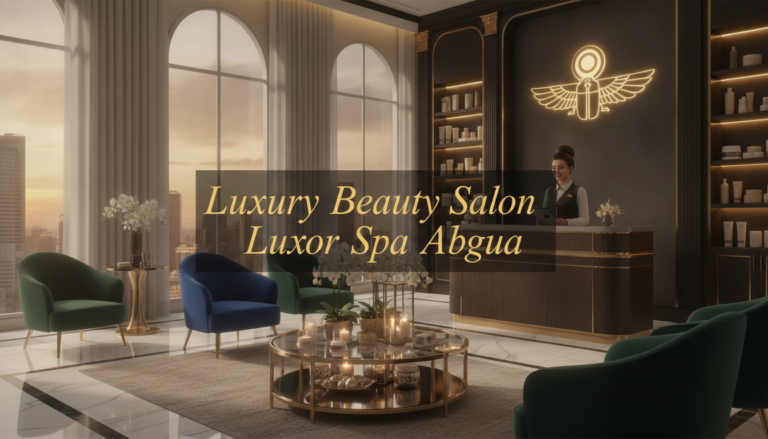 Luxury Beauty Salon – Luxor Spa Abuja
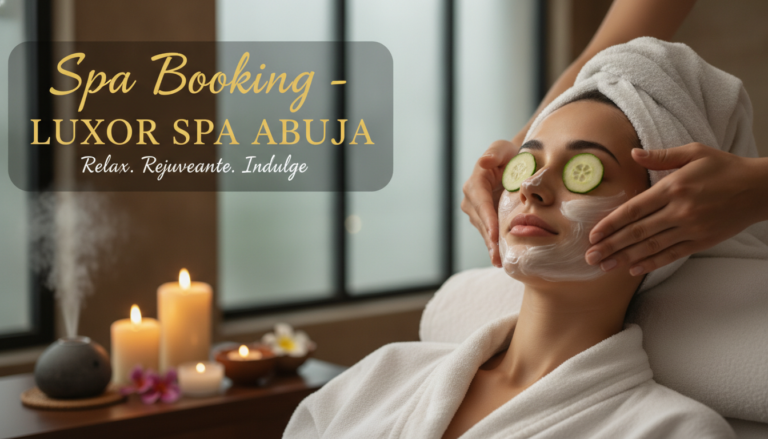 Spa Booking – Luxor Spa Abuja
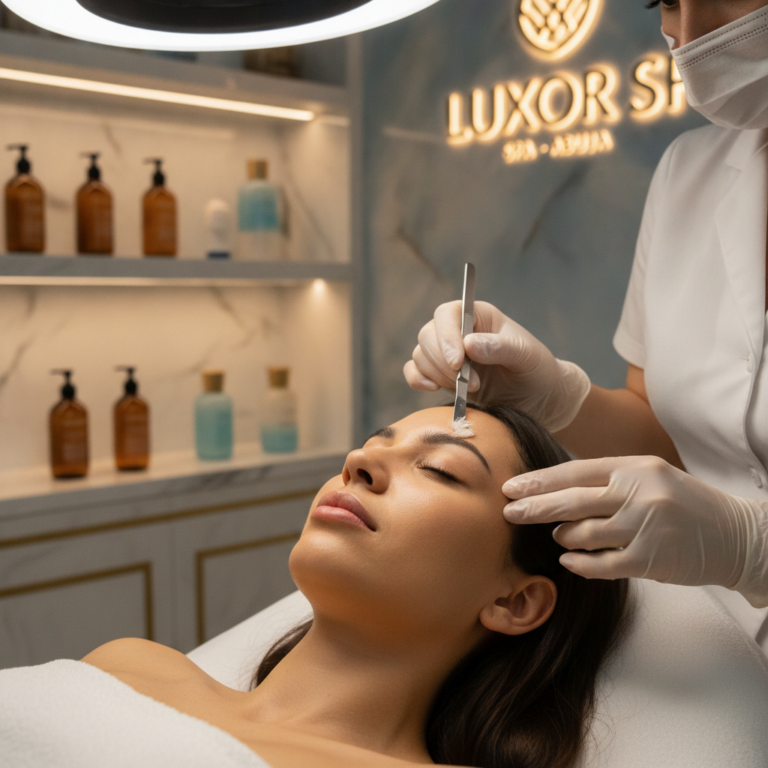 Dermaplaning Facial – Luxor Spa Abuja
 Implications of Keep Britain Working Review on Beauty Economy
 Leveraging Influencers for Business Growth in Beauty Sector
 Enhancing Beauty Routines: Lash