

What Is a Dermaplaning Facial at Luxor Spa Abuja?
A dermaplaning facial at Luxor Salon and Spa in Abuja is a professional skin-resurfacing treatment that uses a sterile, surgical-grade scalpel to gently remove the outermost layer of dead skin cells and fine vellus hair — commonly called peach fuzz — from the face. The result is skin that feels noticeably smoother, looks brighter, and absorbs skincare products far more effectively. If you have been searching for a non-invasive way to refresh dull, uneven skin without downtime, dermaplaning at Luxor Spa is a highly practical option available to you right here in Abuja, with branches in Maitama and Wuse 2, open 24 hours a day, seven days a week.
How the Dermaplaning Treatment Works
Understanding the process helps you arrive prepared and get the most from your appointment. The treatment follows a clear, structured sequence carried out by a trained skincare therapist.
Skin Cleansing and Preparation
Your therapist begins by thoroughly cleansing your face to remove makeup, sunscreen, oil, and any surface impurities. This step is essential — the blade must work on completely clean, dry skin to be both effective and safe. No serums or oils are applied before the dermaplaning step itself.
The Dermaplaning Process
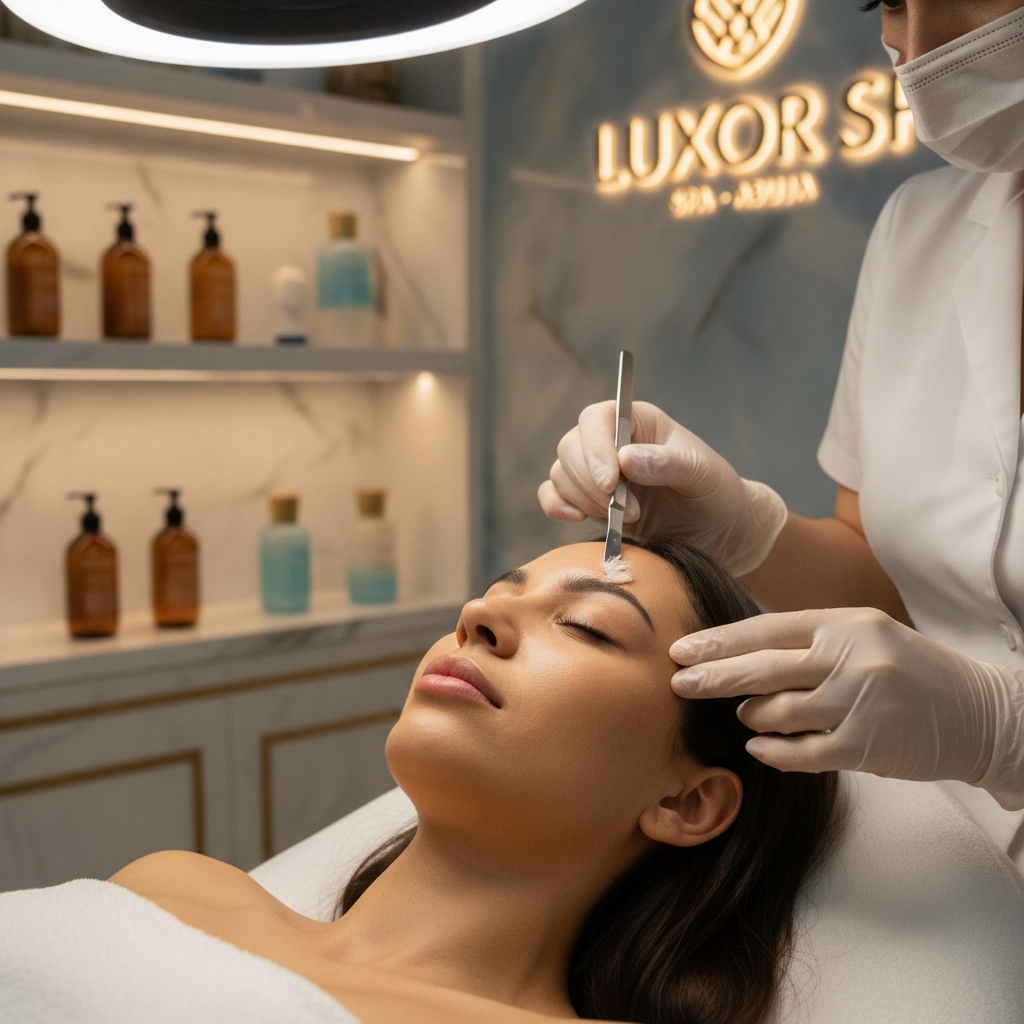
Using a sterile, single-use surgical scalpel held at a precise 45-degree angle, your therapist makes short, feathering strokes across the skin’s surface. The blade skims away the stratum corneum — the topmost layer of dead skin — along with the fine facial hair that can trap oil and cause the skin to look dull. The sensation is often described as a gentle scraping, similar to shaving, and is generally painless. The therapist works methodically across the forehead, cheeks, chin, upper lip, and nose area, avoiding the eyelids and any active breakouts.
Post-Dermaplaning Skincare Application
Once the dermaplaning is complete, your skin is in an ideal state to receive active ingredients. Your therapist will typically apply a soothing serum, a hydrating mask, or targeted treatment products. Because the physical barrier of dead cells has been removed, serums containing vitamin C, hyaluronic acid, or brightening actives penetrate significantly deeper than they would on untreated skin. The session closes with a broad-spectrum SPF, which is non-negotiable after any resurfacing treatment.
Who Is Dermaplaning Best Suited For?
Dermaplaning is well-suited to a wide range of skin types and concerns, making it one of the more inclusive facial treatments available at Luxor Spa Abuja.
- Dull or lacklustre skin — particularly common during Abuja’s harmattan season, when dry, dusty air strips moisture and leaves the complexion looking flat and tired.
- Uneven skin texture — including rough patches, mild post-acne texture, or areas of superficial scarring.
- Fine vellus hair — clients who feel that facial peach fuzz affects makeup application or skin clarity often find dermaplaning transformative.
- Hyperpigmentation and dull tone — removing the dead cell layer can make dark spots and uneven tone appear more refined over time.
- Dry to normal skin types — dermaplaning works especially well on these skin types.
- Pregnant clients — because it involves no chemicals, dermaplaning is often considered a safer alternative to chemical peels during pregnancy, though you should always consult your doctor first.
When Dermaplaning May Not Be Appropriate
Dermaplaning is not recommended if you have active acne lesions, inflamed rosacea, eczema flare-ups, open wounds, or a sunburn. Clients with thick, coarse terminal facial hair — rather than fine vellus hair — will not achieve the same results. If you have a chronic skin condition or are on prescription skin medication such as retinoids, please speak to your dermatologist before booking. Your Luxor therapist will carry out a brief consultation before the treatment to confirm it is appropriate for your skin on the day.
Dermaplaning and Abuja’s Climate
Abuja’s weather has a direct and often underappreciated effect on skin health, and understanding this helps you time your dermaplaning appointments wisely.
Harmattan Season
Between November and February, the harmattan winds bring dry, dusty air that accelerates moisture loss and causes dead skin cells to accumulate faster than usual. This is a period when many Abuja residents notice their skin becoming dull, flaky, or congested. A dermaplaning session during harmattan effectively clears that build-up and allows your moisturiser to actually reach living skin cells rather than sitting on top of dead ones. Follow your treatment with a richer hydrating routine to counteract the seasonal dryness.
Rainy Season
During the rainy months, increased humidity can encourage excess sebum production and mild congestion. Dermaplaning can help keep the skin’s surface clear, though your therapist will pay close attention to any breakout activity before proceeding.
Before Events and Occasions
Many Abuja clients book dermaplaning facials ahead of weddings, owambe parties, official ceremonies, or high-profile work events. The treatment creates an exceptionally smooth base for foundation and powder, reducing the appearance of texture and allowing makeup to sit more evenly on the skin. For best results, book your session at least 48 to 72 hours before the event to allow any minimal post-treatment sensitivity to fully settle.
How Often Should You Have a Dermaplaning Facial?
Skin naturally renews its surface layer approximately every 28 to 30 days, though this cycle slows with age. Most skincare professionals recommend scheduling dermaplaning every three to four weeks to stay aligned with the skin’s natural turnover cycle. This interval allows the skin to recover fully while preventing significant build-up of dead cells between sessions. Regular treatments tend to produce cumulative improvements in texture and tone over time.
Your Luxor therapist will advise on the ideal frequency for your specific skin concerns after your initial consultation. Some clients with more resilient skin return monthly, while others prefer every six to eight weeks as a maintenance schedule.
Dermaplaning Aftercare: What to Do and Avoid
Aftercare is a critical part of your dermaplaning experience. Because the protective layer of dead skin has been removed, your skin is temporarily more vulnerable and more receptive — both to beneficial ingredients and to potential irritants.
What to Do After Your Treatment
- Apply a broad-spectrum SPF 30 or higher every morning without exception, especially given Abuja’s strong sun exposure year-round.
- Keep skin well-hydrated with a gentle, fragrance-free moisturiser.
- Use a mild, non-foaming cleanser for the first few days.
- Drink plenty of water to support skin hydration from within.
- Apply a vitamin C serum in the morning to capitalise on the enhanced absorption your freshly treated skin offers.
What to Avoid After Your Treatment
- Direct sun exposure without protection for at least 48 to 72 hours.
- Exfoliating scrubs, AHAs, BHAs, or retinoids for a minimum of one week post-treatment.
- Heavy sweating or activities in extreme heat — including intense gym sessions — for 24 to 48 hours.
- Picking or touching the treated skin unnecessarily.
- Applying heavily fragranced products or alcohol-based toners immediately after the session.
Combining Dermaplaning With Other Facial Treatments
Dermaplaning pairs particularly well with certain other professional treatments because of its ability to create a clean, receptive skin surface. At Luxor Spa Abuja, your therapist may recommend combining dermaplaning with a hydrating facial, a brightening mask, or a customised serum application to address specific skin concerns in a single session. Always let your therapist guide the combination — they will ensure the treatments complement rather than overstimulate your skin on that particular day.
If you are curious about what works best for your skin type and goals, you can book online and select a consultation alongside your treatment.
Frequently Asked Questions About Dermaplaning at Luxor Spa Abuja
Will the fine facial hair grow back thicker after dermaplaning?
No. This is one of the most common misconceptions about dermaplaning. Vellus hair — the soft peach fuzz removed during the treatment — has no follicle structure that would cause it to return coarser or darker. When it grows back, it will feel and appear exactly as it did before. The appearance of stubbly regrowth is due to the blunt tip of the cut hair, which softens within days as the hair grows and tapers naturally.
Is dermaplaning painful?
Most clients describe the sensation as mild and quite relaxing. The blade does not cut into living skin — it works only on the surface layer of dead cells and fine hair. Some clients with particularly sensitive skin may notice a very slight tingling sensation during the treatment, but this is not typically described as painful. If you experience discomfort at any point, your therapist will adjust their technique.
Can I wear makeup immediately after my dermaplaning facial?
It is advisable to allow the skin to breathe for at least 24 hours before applying full makeup. If you must wear makeup sooner — for example, if you have an event the same evening — opt for minimal, non-comedogenic products and ensure your SPF is in place. Many clients book their dermaplaning session two to three days before an event specifically to enjoy the smooth makeup application without rushing the skin’s recovery.
Is dermaplaning safe for darker skin tones?
Yes. When performed by a trained professional, dermaplaning is generally considered safe for all skin tones, including the deeper complexions common among many Abuja clients. Unlike some chemical peels or laser treatments that carry a higher risk of post-inflammatory hyperpigmentation on darker skin, dermaplaning is a physical — not chemical — process. That said, your therapist will carry out a thorough assessment before proceeding to ensure the treatment is appropriate for your skin on the day.
How soon will I see results after my first dermaplaning session?
Results are typically immediate and visible right after your session. Most clients leave the treatment room noticing smoother skin texture, a brighter overall tone, and a healthy glow. Makeup sits more evenly, and skincare products feel as though they are absorbing more effectively. With regular sessions, cumulative improvements in skin texture, tone, and clarity become increasingly apparent over time.
Booking Your Dermaplaning Facial at Luxor Spa Abuja
Luxor Salon and Spa is a luxury salon and spa in Abuja, Nigeria, available to you 24 hours a day, every day of the week. Whether you are planning ahead for a special occasion or simply want to invest in consistent, professional skin care, the team at both Maitama and Wuse 2 branches is ready to assist you.
You can book online at your convenience, or reach out directly to your preferred branch using the contact details below.
Maitama Branch:
Email: moc.apsdnanolasroxul@ofni
Phone: (+234) 701 888 0102
Wuse 2 Branch:
Email: moc.apsdnanolasroxul@2esuw
Phone: (+234) 701 888 0100
Related Posts
 Prp Facial Vampire Facial – Luxor Spa Abuja
 Executive MenʼS Haircut And Facial Package – Luxor Spa Abuja
 Exosome Skin Rejuvenation – Luxor Spa Abuja
 Mesotherapy Skin Booster – Luxor Spa Abuja
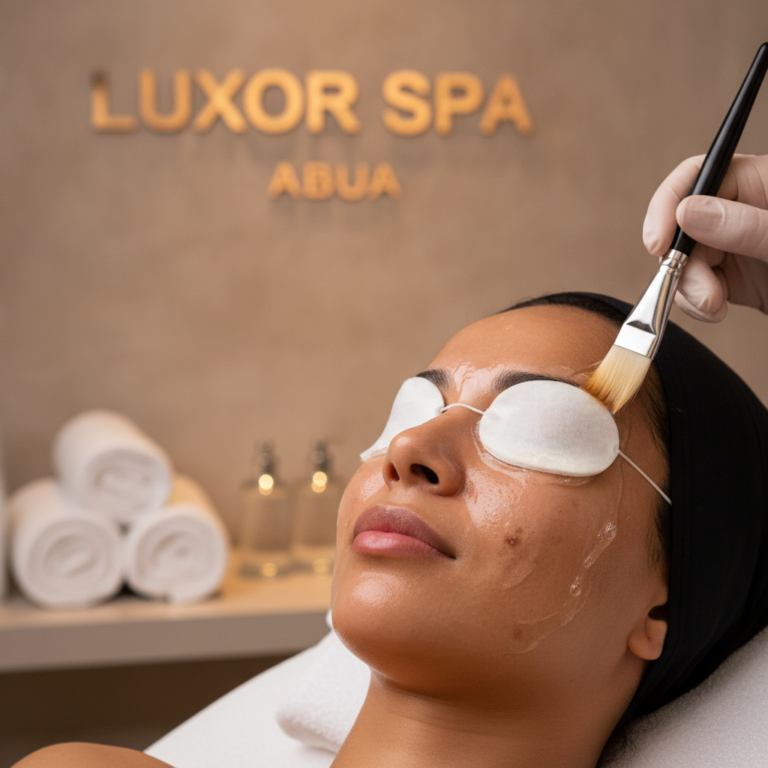 Chemical Peel For Hyperpigmentation – Luxor Spa Abuja
 Ultrasonic Cavitation Fat Loss – Luxor Spa Abuja
 Botox And Dermal Fillers Doctor – Luxor Spa Abuja
 Deep Tissue Massage – Luxor Spa Abuja