

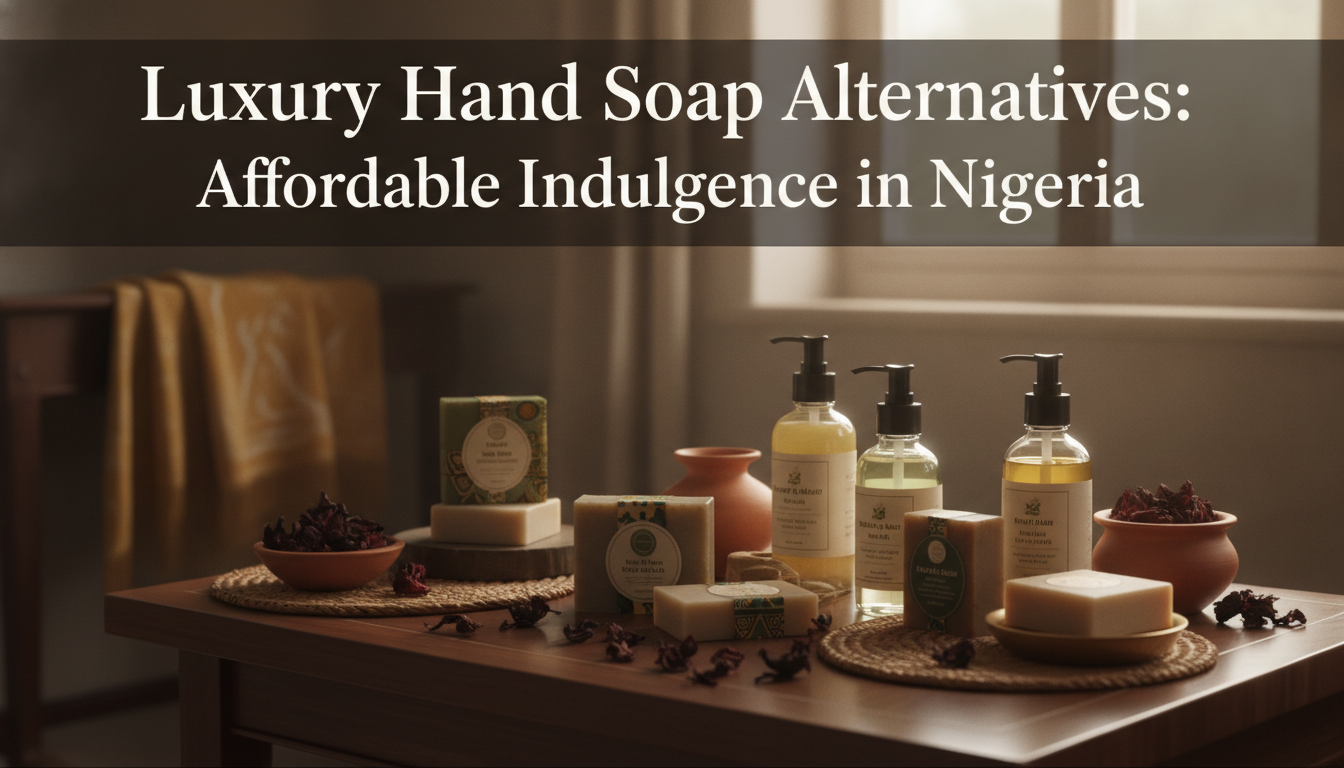
Affordable Luxury Hand Soap: Is It Really Possible in Nigeria?
Yes, it absolutely is. Luxury hand soap alternatives in Nigeria are widely available, and with the right knowledge, you can enjoy a rich, indulgent hand-washing experience without spending a fortune. From locally sourced black soap blends to shea butter-enriched formulas and artisan glycerine bars, Nigerians have access to genuinely effective options that rival imported designer brands in both feel and function. The key is knowing what to look for, how to use them properly, and when your skin might need something more than a good soap.
Why Hand Soap Matters More Than You Think
Hand soap is one of the most frequently used personal care products in any household. In Nigeria, where handwashing habits have become even more intentional following public health campaigns, the quality of soap you use daily has a direct impact on the condition of your skin.
Harsh detergent-based soaps strip the skin’s natural oils, leading to dryness, flaking, and irritation — particularly during the harmattan season in Abuja, when the dry, dusty winds already rob the skin of moisture. Using a nourishing, skin-friendly hand soap alternative can make a significant difference.
Luxury hand soaps, however, are often imported and priced far beyond everyday budgets. The good news is that there are excellent alternatives that deliver the same richness, lather, and skin benefits at a fraction of the cost.
What Makes a Hand Soap Feel “Luxury”?
Before diving into alternatives, it helps to understand what separates a luxury hand soap from a basic bar. High-end hand soaps typically feature:
- Rich, creamy lather that does not feel soapy or filmy after rinsing
- Moisturising ingredients such as shea butter, glycerine, aloe vera, or plant-based oils
- Gentle, skin-compatible pH that does not disrupt the skin barrier
- Natural or skin-safe fragrances that linger pleasantly without causing irritation
- Absence of harsh sulphates like sodium lauryl sulphate (SLS) in high concentrations
The great news is that many affordable Nigerian alternatives tick every one of these boxes.
Top Luxury Hand Soap Alternatives Available in Nigeria
African Black Soap (Ose Dudu)
African black soap, known as ose dudu in Yoruba, is one of Nigeria’s most powerful skincare traditions. Made from plantain skin ash, palm kernel oil, cocoa pod, and shea butter, it creates a soft, nourishing lather that cleanses without stripping the skin.
As a hand soap alternative, raw black soap works best when used in its liquid form or diluted slightly with water. The raw bars can be quite potent if used in full concentration on sensitive skin. Many brands now sell refined black soap liquid hand washes that maintain the traditional benefits while being gentler and more convenient.
During Abuja’s harmattan season, black soap enriched with shea butter is particularly useful as it cleanses and conditions the hands simultaneously, reducing the need for constant reapplication of lotion.
Glycerine-Based Soap Bars
Glycerine soaps are a staple of affordable indulgence. They are transparent, often beautifully crafted, and deeply humectant — meaning they draw moisture into the skin rather than pulling it out. Many small Nigerian beauty makers now produce glycerine hand soaps infused with local ingredients like turmeric, honey, lemon, and neem.
These soaps are widely available at beauty markets in Abuja, including in Wuse and Garki, as well as through online Nigerian beauty stores. They lather gently, rinse cleanly, and leave hands feeling soft rather than tight.
Shea Butter Soap
Shea butter is one of Nigeria’s greatest natural exports, and it makes an exceptional base for hand soap. Shea butter soaps are deeply moisturising, mild enough for sensitive skin, and effective enough for thorough cleansing. They are especially suited to the dry, cracked hands that Abuja’s harmattan months can cause.
Look for cold-pressed shea butter soap bars that have not been refined to the point where the butter loses its nourishing properties. A good shea butter soap should feel creamy during use and leave the skin supple after rinsing.
Liquid Castile Soap
Castile soap, traditionally made from olive oil, is now available in Nigeria through both import and local production. It is completely plant-based, free from synthetic detergents, and extremely gentle. A small amount goes a long way, making it economical despite its premium feel.
Liquid castile soap can also be customised at home by adding a few drops of essential oil — lavender, eucalyptus, or tea tree work particularly well — to create a personalised, spa-like hand wash that costs very little to produce.
Locally Produced Artisan Hand Soaps
Nigeria has a growing community of skilled soap artisans producing high-quality hand soaps using cold-process methods and locally sourced ingredients. These small-batch soaps often rival imported luxury brands in quality, and many are available through Instagram and local markets at very reasonable prices.
Ingredients commonly used by Nigerian artisan soap makers include coconut oil, palm kernel oil, moringa, baobab, hibiscus, and turmeric — all of which offer genuine skincare benefits rather than simply cosmetic appeal.
How to Use Hand Soap Alternatives Properly
Even the best soap will not deliver its full benefits if used incorrectly. For maximum results:
- Wet your hands thoroughly with clean water before applying soap
- Work the soap into a lather for at least 20 seconds, covering all surfaces including between the fingers and around the nails
- Rinse completely — residual soap left on the skin can cause dryness and irritation
- Pat hands dry gently with a clean towel rather than rubbing aggressively
- Follow immediately with a hand cream or body butter, especially during harmattan season
This last step is important. Even the most moisturising soap can only do so much. Sealing in hydration with a cream or oil after washing makes a noticeable difference to how your hands feel and look.
How Often Should You Use These Soaps?
There is no single answer, as frequency depends on your lifestyle and the specific soap you are using. That said, here are some practical guidelines:
- African black soap: Use once or twice daily to avoid over-cleansing. It is potent and best not overused, especially on already-dry skin
- Glycerine and shea butter soaps: These are gentle enough for frequent use throughout the day
- Liquid castile soap: Suitable for every hand wash throughout the day, as long as it is properly diluted
- Artisan cold-process soaps: Follow the maker’s recommendation, but most are mild enough for daily use
During Abuja’s rainy season, when handwashing frequency naturally increases, opting for a milder, deeply moisturising formula is especially advisable to prevent the hands from becoming rough or irritated.
Aftercare: Keeping Hands Soft Between Washes
Switching to a luxury hand soap alternative is just one part of the equation. Proper aftercare keeps hands smooth, soft, and well-nourished, which is particularly important before events, meetings, or social occasions where your hands are on show.
Apply a rich hand cream or shea butter balm immediately after each wash. At night, consider a more intensive treatment: apply a generous layer of shea butter or coconut oil to your hands before sleeping. Over time, this simple routine transforms the condition of the skin on your hands noticeably.
If you notice persistent cracking, bleeding, intense itching, or rashes on your hands that do not resolve with gentle soap and regular moisturising, please consult a dermatologist. These symptoms may indicate a skin condition that requires medical assessment and treatment beyond what any soap or home care can address.
The Professional Touch: Hand Care at Luxor Salon and Spa
While luxury hand soap alternatives are excellent for everyday home care, there is a distinct difference between home maintenance and a professional hand treatment. At Luxor Salon and Spa, a leading luxury salon and spa in Abuja, Nigeria, hand and nail care services are available around the clock — the salon operates 24 hours a day, seven days a week, across two Abuja branches in Maitama and Wuse 2.
Whether you are preparing for a formal event on the Abuja social calendar, recovering from a season of harmattan-damaged skin, or simply want to give your hands a thorough professional reset, the team at Luxor can provide the kind of detailed care that complements your at-home soap routine. You can book online at your convenience.
Frequently Asked Questions
Can African black soap really replace luxury imported hand soap?
For most people, yes. African black soap, especially in its refined liquid form or when enriched with shea butter and glycerine, provides a genuinely comparable experience to many imported luxury hand soaps. It cleanses effectively, conditions the skin, and is completely natural. The key is selecting a quality product from a reputable maker rather than any generic soap labelled as black soap.
Are artisan Nigerian soaps safe for sensitive skin?
Many are, but it depends on the ingredients. Cold-process soaps made without synthetic fragrances, harsh dyes, or high concentrations of essential oils are generally well-tolerated by sensitive skin. Always check the ingredient list, and if you have known allergies or a diagnosed skin condition, consult a dermatologist before introducing new products. When in doubt, patch-test on a small area of skin before full use.
How do I store handmade or artisan soap bars to make them last longer?
Keep your soap bar dry between uses. Use a well-draining soap dish that allows water to run off rather than pool beneath the bar. Keep the soap away from direct shower spray or sink splash when not in use. Artisan cold-process soap bars last significantly longer when kept dry, maintaining both their quality and their moisturising properties.
Is liquid hand soap better than bar soap?
Neither is universally better — both can be excellent depending on formulation. Liquid soaps tend to be more convenient and hygienic in shared spaces, while well-made bar soaps are often more economical and environmentally friendly. The most important factor is the quality of ingredients in either format, not the form itself.
Can I use hand soap alternatives on my face as well?
Some alternatives, like refined glycerine soap and mild black soap, are used on the face by many people and are well-tolerated. However, the face has different needs and is generally more sensitive than the hands. If you plan to use a hand soap alternative on your face, do a patch test first, and avoid products with strong essential oils or high concentrations of exfoliating ingredients around the eye area. If you have any persistent facial skin concerns, see a dermatologist.
Conclusion
Luxury hand soap does not have to mean imported, overpriced, or inaccessible. Nigeria’s natural resources and growing artisan beauty community mean that genuinely indulgent, skin-loving hand soap alternatives are available to anyone willing to explore beyond the supermarket shelf. From shea butter bars to liquid black soap and glycerine-based formulas, affordable indulgence is well within reach. Pair your chosen soap with consistent aftercare, stay especially mindful of your hands during Abuja’s harmattan months, and consider a professional hand treatment at Luxor Salon and Spa when your hands deserve a little extra attention.
Luxor Salon and Spa — Maitama: moc.apsdnanolasroxul@ofni / (+234) 701 888 0102
Luxor Salon and Spa — Wuse 2: moc.apsdnanolasroxul@2esuw / (+234) 701 888 0100
Related Posts
 Clear Skin Solutions for Every Life Stage in Nigeria
 Empowering Menʼs Health and Resilience in Nigeria
 Aynaʼs Role in Transforming Womenʼs Wellness Solutions in Nigeria
 How to Maintain Your Luxury Human Hair Wigs in Nigeria’s Humidity
 Why Luxury Wellness is the New Status Symbol in Nigeria
 Luxury Spa Experience: Embracing Holistic Wellness in Abuja
 Top 10 Beauty Products on TikTok Shop Livestream Nigeria
 What Manicure Services Includes A Luxury Hand Scrub And Mask