

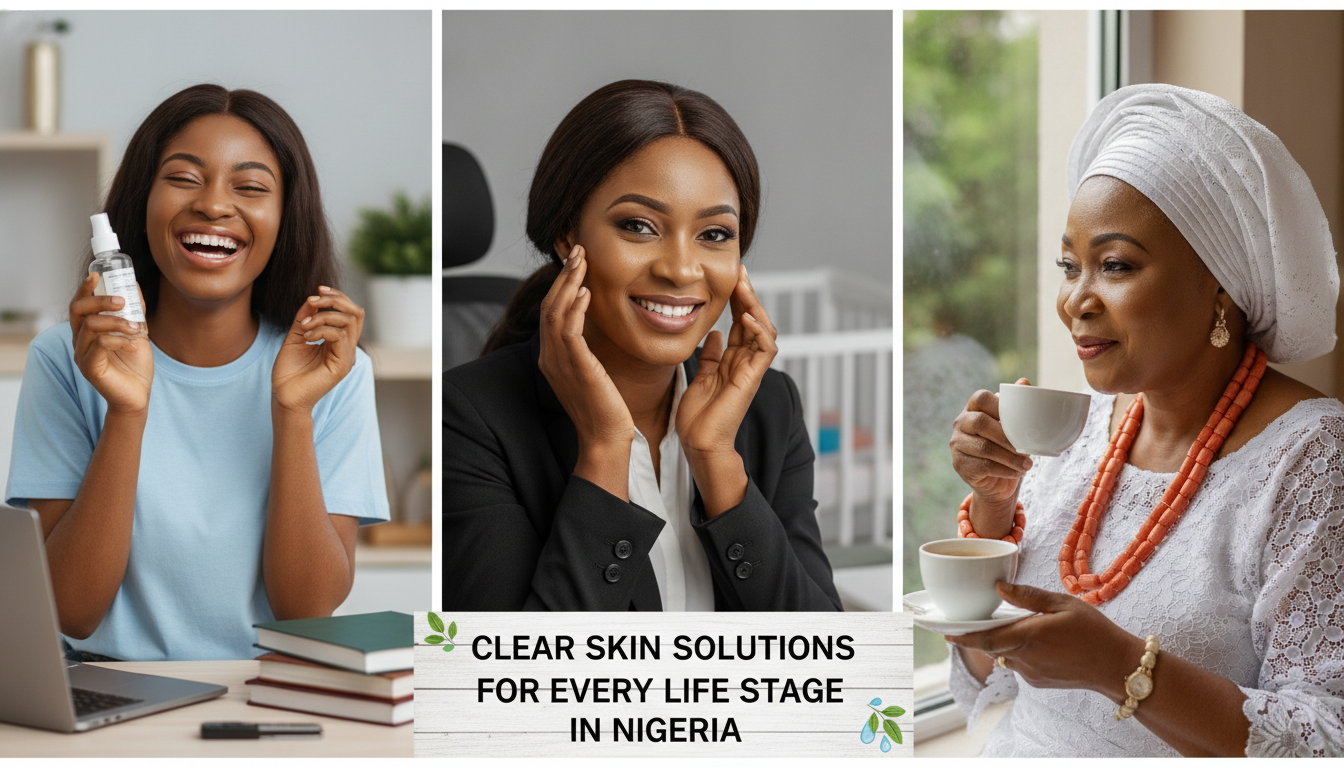
Clear Skin at Every Age: What You Need to Know
Clear skin in Nigeria is not a one-size-fits-all goal. From the hormonal breakouts of teenage years to the dryness and uneven tone that can come with age, every life stage brings its own skin challenges — and each one has practical, effective solutions. Whether you are dealing with post-acne hyperpigmentation as a young adult in Abuja, managing combination skin through harmattan season, or trying to maintain a luminous complexion in your forties, the right treatments and daily habits make a real difference. The key is matching your skin care approach to exactly where you are in life right now.
Teenage Skin: Managing Breakouts and Oil Control
Adolescence triggers a surge in androgen hormones, which causes sebaceous glands to produce excess oil. In a humid Nigerian climate, this excess sebum mixes with sweat, dead skin cells, and environmental pollutants to block pores and cause acne. For teenagers, the focus should be on gentle but consistent cleansing rather than aggressive scrubbing, which can worsen inflammation.
Daily Cleansing and Spot Treatment
Washing the face twice daily with a mild, non-comedogenic cleanser is the foundation. Ingredients like salicylic acid (at two percent concentration) help to dissolve the debris inside pores without stripping the skin. Apply a targeted spot treatment containing benzoyl peroxide or niacinamide on active breakouts. Keep hands away from the face, change pillowcases frequently, and always remove school makeup before bed.
Professional Facials for Teens
A professional deep-cleansing facial, done once every four to six weeks, can help extract congestion safely and reduce the risk of scarring that comes from picking at pimples. At Luxor Salon and Spa in Abuja, trained aestheticians assess the skin before choosing products suited to teenage skin, avoiding anything too heavy or pore-clogging. Parents in Maitama and Wuse 2 often bring teenagers in after school or on weekends since both branches are open 24/7.
Important: If breakouts are severe, cystic, or leaving significant scarring, please see a dermatologist before or alongside any salon treatments. Professional skin care supports medical treatment but does not replace it.
Your Twenties: Addressing Hyperpigmentation and Early Prevention
Many Nigerians in their twenties are dealing with post-inflammatory hyperpigmentation — the dark marks left behind by teenage acne or skin trauma. Melanin-rich skin produces more pigment in response to inflammation, so spots can persist for months. This is also the decade to begin protective and preventive habits before fine lines or uneven texture become entrenched.
Chemical Exfoliation Over Physical Scrubs
Chemical exfoliants such as glycolic acid, lactic acid, or azelaic acid work by loosening the bonds between dead skin cells, encouraging faster cell turnover and gradually fading dark spots. They are far gentler and more effective than harsh walnut or apricot scrubs, which create micro-tears and worsen pigmentation on darker skin tones. Use these active ingredients two to three times per week, starting slowly to allow the skin to adjust.
Vitamin C Serums and SPF
A daily vitamin C serum brightens existing dark spots and helps prevent new ones from forming when the skin is exposed to UV rays. Follow it every single morning with a broad-spectrum SPF 30 or higher sunscreen — even on cloudy days, and especially during the intense dry season in Abuja when the sun’s UV index remains high. Sunscreen is non-negotiable for anyone trying to fade hyperpigmentation.
Brightening Treatments at the Salon
Brightening facials that combine mild chemical peels with hydrating masks can accelerate the fading of dark spots. These treatments are typically performed once every three to four weeks. After each session, the skin may feel slightly sensitive for one to two days, so it is wise to avoid heavy makeup immediately after and to stay out of direct sunlight. Many clients in their twenties book online at Luxor Salon and Spa ahead of weddings, owambes, and corporate events to ensure their skin is at its best.
Your Thirties: Balancing Hydration, Stress, and Consistency
The thirties bring new skin pressures — career stress, pregnancy and postpartum hormonal changes, and the first visible signs of reduced collagen production. Skin may feel dull, pores may appear larger, and the T-zone may still be oily while the cheeks become dry, particularly during harmattan when the cold, dusty harmattan winds strip moisture from the skin rapidly.
Barrier Repair and Deep Hydration
Ingredients like hyaluronic acid, ceramides, and peptides support the skin’s moisture barrier and begin to address early fine lines. Apply hyaluronic acid to damp skin, then seal it with a ceramide-rich moisturiser. During harmattan, increase the richness of your night moisturiser and consider using a humidifier indoors if your skin is very reactive to dry air.
Microdermabrasion and Hydrafacials
Microdermabrasion gently resurfaces the outer layer of skin using fine crystals or a diamond-tip wand, improving texture, reducing the appearance of pores, and brightening dull skin. It is effective for all skin tones when done correctly. A hydrafacial takes this further by simultaneously cleansing, exfoliating, extracting, and infusing the skin with antioxidants and hyaluronic acid in one session. Both treatments are usually recommended every four to six weeks for best results.
Aftercare for both procedures involves gentle cleansing only for the first 24 hours, no active exfoliants for a few days, and consistent SPF use. Avoid any treatment that could cause irritation immediately before an important occasion — allow at least five to seven days for the skin to settle and glow.
Your Forties and Beyond: Firmness, Evenness, and Targeted Care
From the forties onward, collagen production slows significantly, leading to loss of firmness, deeper lines, and more pronounced hyperpigmentation. Hormonal shifts — particularly perimenopause and menopause — can cause the skin to become suddenly dry or trigger new breakouts in women who never struggled with acne before.
Retinoids and Growth-Factor Serums
Retinoids (vitamin A derivatives) are the gold standard for addressing signs of ageing — they stimulate collagen production, increase cell turnover, and fade pigmentation. Begin with a low-strength retinol applied two to three nights per week, building up slowly to avoid irritation. Those with very sensitive skin should use a buffered or encapsulated formulation. Growth-factor serums and peptide-rich creams complement retinoids by further supporting skin renewal.
Advanced Salon Treatments for Mature Skin
LED light therapy, particularly red light, stimulates collagen synthesis and reduces inflammation without any downtime. It is excellent for mature skin or for anyone whose skin is too sensitive for more intensive treatments. Combined with a firming mask, it leaves the skin noticeably more plump and radiant after each session. Sessions are typically recommended weekly for four to six weeks, then monthly for maintenance.
If you are experiencing significant skin laxity, deep pigmentation, or persistent skin conditions that do not respond to consistent care, a referral to a dermatologist is strongly advised. Salon treatments work best alongside — not in place of — medical guidance for more complex concerns.
Seasonal Skin Care Adjustments in Abuja
Living in Abuja means adapting your skin care routine to two very different seasonal extremes. During the rainy season, humidity increases and skin can become oilier; lightweight, gel-based moisturisers and oil-control primers work best. During harmattan, the skin loses moisture rapidly — switch to richer creams, use a gentle oil to lock in hydration overnight, and drink plenty of water. Adjust your professional facial frequency accordingly: more frequent treatments during dry season to replenish moisture, and lighter, purifying treatments during the humid rainy months.
Building a Clear Skin Routine: Practical Principles
- Cleanse twice daily — once in the morning and once at night, without fail.
- Exfoliate consistently but gently — two to three times weekly with a suitable chemical exfoliant for your skin type.
- Use SPF every morning — this single habit prevents most forms of pigmentation and premature ageing.
- Hydrate appropriately for your skin type — oily skin still needs moisture; choose lighter formulations rather than skipping moisturiser entirely.
- Book professional treatments regularly — consistent monthly or bi-monthly facials maintain results and allow trained aestheticians to monitor changes in your skin.
- Be patient — most active ingredients require eight to twelve weeks of consistent use before visible improvement is seen.
Frequently Asked Questions
How often should I get a professional facial for clear skin?
For most adults, once every four weeks aligns with the skin’s natural cell turnover cycle. Teenagers dealing with active acne may benefit from treatments every two to three weeks initially. Those with mature or drier skin may find every five to six weeks sufficient. Your aesthetician can recommend the right frequency based on your specific skin condition.
Can dark-skinned Nigerians use chemical peels safely?
Yes, but the type and strength of peel matters enormously. Melanin-rich skin is more reactive to aggressive treatments and can develop post-inflammatory hyperpigmentation if the wrong peel is used. Lactic acid and mandelic acid peels are generally well tolerated on darker skin tones. Always ensure your aesthetician has experience with darker complexions, and always follow up with SPF diligently after any peel.
Is it safe to get facials during pregnancy?
Many facial treatments are safe during pregnancy, but certain active ingredients — including retinoids, high-concentration salicylic acid, and some essential oils — should be avoided. Always inform your aesthetician that you are pregnant so they can adjust the products and techniques used. When in doubt, consult your obstetrician before any new skin care treatment.
Why does my skin break out more during harmattan?
Harmattan air is very dry and dusty, which causes the skin’s moisture barrier to weaken. When the barrier is compromised, skin can become irritated, produce more oil to compensate, and trap dust and debris in pores. Keeping the skin well moisturised, cleansing thoroughly each night, and drinking adequate water all help to manage this seasonal reaction.
At what age should I start using anti-ageing products?
Prevention is more effective than correction. Using SPF daily from your teens and incorporating antioxidant serums like vitamin C from your mid-twenties is ideal. Retinoids can typically be introduced from the late twenties or early thirties, beginning at a low strength. There is no single “right age” — the goal is consistency and choosing products appropriate for your current skin concerns.
Conclusion
Achieving clear skin in Nigeria is entirely possible at every life stage — it simply requires the right knowledge, the right products, and professional support delivered consistently. Whether you are a teenager managing your first breakouts, a professional in your thirties juggling stress and hormonal shifts, or someone in their fifties embracing mature skin with confidence, there is a targeted, practical approach that works for you. The climate, the seasons, and the unique qualities of Nigerian skin all shape what that approach looks like. Build your routine thoughtfully, seek professional guidance regularly, and do not hesitate to see a dermatologist when skin concerns go beyond what good skin care alone can address.
At Luxor Salon and Spa, both branches in Maitama and Wuse 2 are open 24/7, making it easy to fit professional skin care into any schedule. You can book online at your convenience.
Maitama Branch: moc.apsdnanolasroxul@ofni / (+234) 701 888 0102
Wuse 2 Branch: moc.apsdnanolasroxul@2esuw / (+234) 701 888 0100
Related Posts
 Aynaʼs Role in Transforming Womenʼs Wellness Solutions in Nigeria
 Empowering Menʼs Health and Resilience in Nigeria
 Luxury Hand Soap Alternatives: Affordable Indulgence in Nigeria
 The Truth About Skin Lightening vs Brightening in Nigeria
 Why Chemical Peels are the Secret to Flawless Skin in Nigeria
 Top 10 Beauty Products on TikTok Shop Livestream Nigeria
 Unilever Ventures Invests in Areyʼs Anti-Gray Hair Solutions
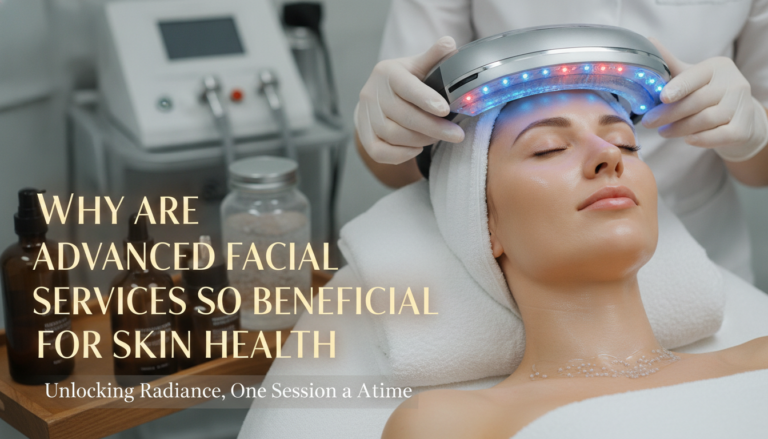 Why Are Advanced Facials Services So Beneficial For Skin Health